Roasting brings out a natural sweetness in vegetables that steaming or boiling simply cannot match. By using high heat and a small amount of oil, you can turn basic produce into a side dish with caramelized edges and a tender bite.
Whether you need a quick snack or a tray of greens for dinner, these oven-based methods provide a hands-off way to get more vegetables on the table.
These recipes are designed for home cooks who want maximum flavor with minimal active effort. Most of these dishes rely on a consistent 400-degree oven to ensure even cooking and a satisfying texture.
By mastering these simple timing guides, you can produce consistent results regardless of which vegetable you have in the crisper drawer.
Roasted Vegetable Recipes for Every Tray
These oven-baked options focus on achieving the right texture, from crispy leaves to tender-crisp stalks. Using a standard temperature of 400 degrees ensures consistent browning without overcooking the centers, making these ideal for quick weeknight preparation.
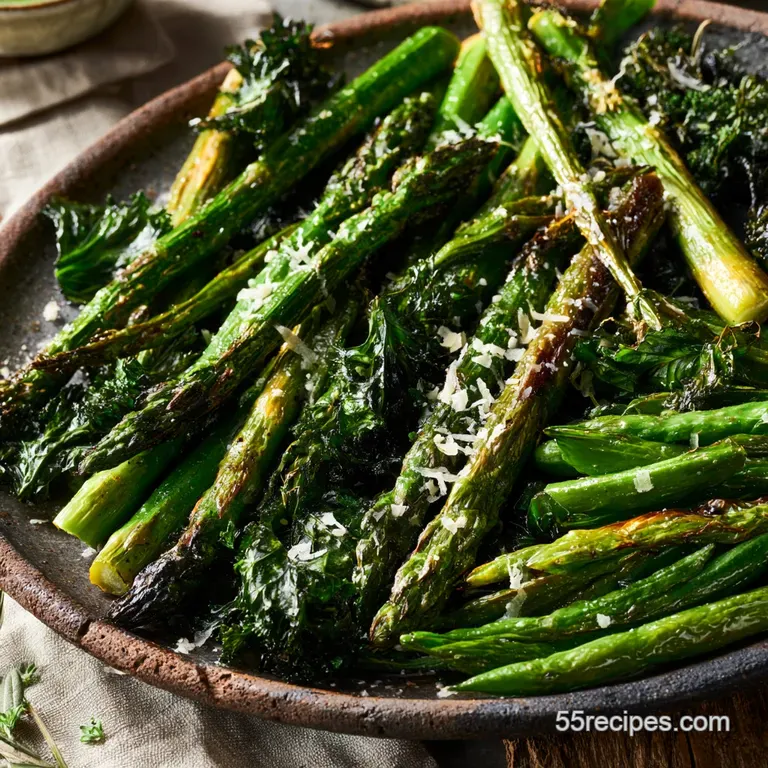
These tender-crisp asparagus spears use a high-heat method to achieve a browned finish in under 20 minutes. Topped with salty parmesan, it's a fast side for any weeknight protein.
Nutritional yeast provides a savory umami kick to these oven-baked greens. By removing moisture and using a low-temp bake, you get a brittle, snackable finish far better than store-bought options.
High heat and a simple seasoning blend turn standard green beans into a snappy, caramelized side dish. Roasting at 400 degrees ensures the beans maintain their bite while developing deep flavor.
What is the best temperature for roasting most vegetables?
Generally, 400°F (200°C) is the ideal temperature for roasting vegetables because it is hot enough to brown the exterior while keeping the interior tender.
How do I keep roasted vegetables from getting soggy?
To prevent sogginess, avoid overcrowding the pan and ensure the vegetables are coated in a thin layer of oil rather than being submerged.
Can I roast different vegetables on the same tray?
Yes, but you should group vegetables with similar cook times together or add quicker-cooking vegetables to the tray later in the process.
Do I need to peel vegetables before roasting them?
In most cases, peeling is optional; thin-skinned vegetables like asparagus and green beans do not require peeling, while thicker-skinned ones are often better peeled for texture.
Should I season vegetables before or after roasting?
Typically, you should season with oil, salt, and pepper before roasting, but delicate herbs or cheese are best added during the last few minutes or after cooking.