Macaroni Gratin: Authentic French Recipe
- Time: Active 15 minutes, Passive 35 minutes, Total 50 minutes
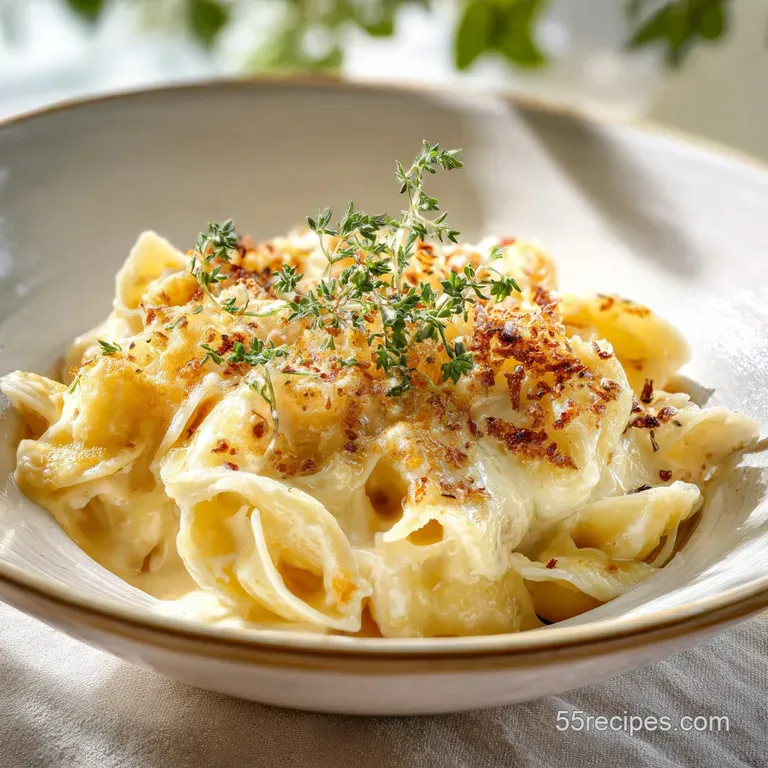
- Flavor/Texture Hook: Mahogany crusted, nutty Gruyère with a silky nutmeg scented finish
- Perfect for: Elegant Sunday roasts or a cozy, high end comfort meal
- Mastering the Classic Macaroni Gratin
- Why the Bocuse Method Works
- Optimal Timing and Visual Cues
- Ingredient Deep Dive and Analysis
- Essential Ingredients and Smart Swaps
- The Detailed Culinary Process
- Fixing Common Preparation Mistakes
- Adjusting Portions for Large Groups
- Comparing Different Cooking Styles
- Busting Common Pasta Myths
- Storage and Leftover Ideas
- Recipe FAQs
- 📝 Recipe Card
Mastering the Classic Macaroni Gratin
The moment you pull this out of the oven, the kitchen fills with the most intoxicating scent of toasted cheese and warm, woody nutmeg. It isn't just a side dish; it’s a direct link to the golden age of French gastronomy.
I remember the first time I tried a version of this in a tiny bistro; the crust was so thick it actually made a "clink" sound against the fork. That’s the payoff here a Macaroni Gratin that is sophisticated, simple, and deeply nostalgic all at once.
We aren't making a standard American mac and cheese here. There is no flour, no heavy roux to weigh things down, and certainly no processed slices. Instead, we are leaning into the genius of Paul Bocuse, the legendary French chef who knew that high-quality heavy cream and a bit of patience could create something far more luxurious.
This recipe is about the harmony between the ridged pasta and a reduced cream infusion that clings to every curve.
You might think that using just cream and cheese would result in a greasy mess, but the technique we’re using fixes that. By par boiling the pasta and finishing it in a concentrated cream bath, the starches and fats bind together into something truly special.
It’s a hearty, homestyle classic that feels like a warm hug on a plate, yet it’s polished enough to serve at the fanciest dinner party you’ll ever host. Let’s get the water boiling and show you how it’s done.
Why the Bocuse Method Works
Most people make the mistake of just dumping milk and cheese over cooked pasta and hoping for the best. That usually leads to "broken" sauces where the fat separates and pools at the bottom of the dish. This recipe avoids that through three specific mechanical choices that ensure your Macaroni Gratin stays velvety.
- The Fat Barrier: Tossing the hot, drained pasta in cubed butter before adding the cream creates a thin hydrophobic layer. This prevents the pasta from absorbing too much moisture and becoming mushy while it bakes.
- Cream Concentration: Reducing the heavy cream by 20% on the stovetop removes excess water. This thickens the liquid naturally, so it coats the pasta like a silk blanket rather than a thin soup.
- Starch Integration: Cooking the pasta for two minutes less than the package directions leaves the core firm. Those "thirsty" starches then finish cooking inside the cream, drawing the sauce into the macaroni itself.
- The Crust Shield: Using a high fat Gruyère on top creates a protein fat lattice. As the oven heat hits the cheese, it undergoes a transformation into a "shattering" mahogany crust that protects the creamy interior from drying out.
Optimal Timing and Visual Cues
Before you start chopping or boiling, it helps to know exactly what you're looking for at each stage. This isn't a recipe where you can just walk away for an hour. You need to watch for the way the cream bubbles and how the cheese begins to tan.
| Thickness of Dish | Internal Temp | Rest Time | Visual Cue |
|---|---|---|---|
| 2 inches (Deep) | 165°F (74°C) | 5 minutes | Deep mahogany edges, slow bubbles |
| 1 inch (Shallow) | 160°F (71°C) | 3 minutes | Shattering golden crust, tight sauce |
| Individual Ramekins | 165°F (74°C) | 2 minutes | Rapid bubbling around the rim |
Choosing the right vessel is half the battle. If you use a very shallow dish, you'll get more of that incredible crust per bite, which is honestly my favorite part. A deeper dish keeps the center more "saucy" and molten. If you're looking for a different vibe entirely for a quick weeknight, you might like this Macaroni Garlic and Oil recipe for those nights when you don't have 50 minutes to spare.
Ingredient Deep Dive and Analysis
Every single component in this Macaroni Gratin has a specific job to do. We aren't just adding things for the sake of it; we're building layers of texture and flavor. Using 500g of macaroni ensures we have enough surface area to catch all 750ml of that glorious cream.
| Ingredient | Science Role | Pro Secret |
|---|---|---|
| Heavy Cream (35%) | Primary Emulsifier | Never use "light" cream; the high fat content prevents the sauce from curdling at high heat. |
| Gruyère Cheese | Structural Crust | Grate it yourself from a block. Pre shredded cheese is coated in potato starch which ruins the "shatter." |
| Nutmeg (Fresh) | Flavor Bridge | Only use freshly grated. The volatile oils in whole nutmeg cut through the heavy fat of the cream. |
| Large Ridged Macaroni | Sauce Retention | The ridges (rigate) act like tiny gutters that hold onto the reduced cream infusion. |
One thing I've learned the hard way is that the salt in the pasta water is non negotiable. You need that 30g of sea salt in the 4 liters of water. Since we drain the pasta and don't rinse it, that salt is the only seasoning the pasta itself gets from the inside out.
It makes a massive difference in the final "hearty" profile of the dish.
Essential Ingredients and Smart Swaps
I always recommend sticking to the classics for your first try, but sometimes the grocery store doesn't cooperate. If you can't find a good block of Gruyère, don't panic. There are ways to pivot without losing the soul of the dish.
- 500g Macaroni: Preferably large, ridged elbows. Why this? Ridges trap the sauce better than smooth pasta.
- 50g Unsalted Butter: Cubed for easy melting. Why this? High fat European butter adds a richer mouthfeel.
- 750ml Heavy Cream: Minimum 35% fat. Why this? Fat provides stability and prevents the sauce from breaking.
- 150g Gruyère Cheese: Freshly grated. Why this? Its melting point and protein structure create the best crust.
- 0.5 tsp Nutmeg: Freshly grated. Why this? Adds a subtle earthiness that defines the French style.
| Original Ingredient | Substitute | Why It Works |
|---|---|---|
| Gruyère Cheese | Sharp White Cheddar | High fat and good meltability. Note: Flavor will be more tangy/acidic. |
| Heavy Cream | Crème Fraîche | Similar fat content. Note: Adds a slight tang and thicker consistency. |
| Macaroni | Penne Rigate | Similar size and surface ridges. Note: Texture will be slightly more "chewy." |
If you find yourself craving something even more decadent after mastering this, you absolutely have to check out this Lobster Macaroni and Cheese which takes these same principles and adds a serious "wow" factor with seafood.
The Detailed Culinary Process
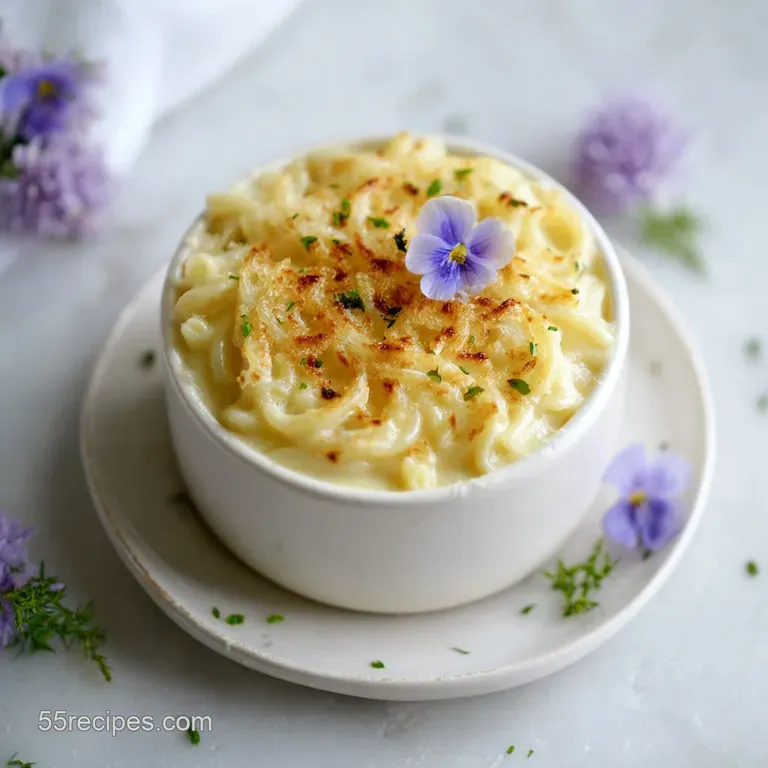
Follow these steps closely, especially the reduction phase. The smell of the cream simmering with the nutmeg is your first sign that things are going right. It should smell sweet, nutty, and incredibly rich.
- Preheat your oven to 180°C (350°F). Bring 4 liters of water to a rolling boil and add 30g of sea salt. Add 500g macaroni and cook for exactly 2 minutes less than the "al dente" package instructions. Note: This ensures the pasta doesn't turn to mush during the 35 minute bake.
- While the pasta is boiling, pour 750ml heavy cream into a heavy bottomed saucepan over medium heat. Add 10 grinds of black pepper and 0.5 tsp freshly grated nutmeg.
- Simmer the cream gently, stirring occasionally, until it reduces by about 20%. Note: You'll know it's ready when it coats the back of a spoon and you can draw a line through it with your finger.
- Drain the macaroni thoroughly. Do not rinse it we want those surface starches to help thicken the sauce.
- Return the hot pasta to the stockpot and immediately toss with 50g of cubed butter. Stir until every piece is glistening and coated.
- Pour the reduced cream mixture over the buttered macaroni. Use a wooden spoon to stir gently so you don't break the pasta shapes.
- Transfer the mixture into a deep ceramic or glass gratin dish. Smooth the top so the pasta is in an even layer.
- Top the dish with 150g of freshly grated Gruyère cheese, ensuring you cover the edges where the crust tends to get extra crispy.
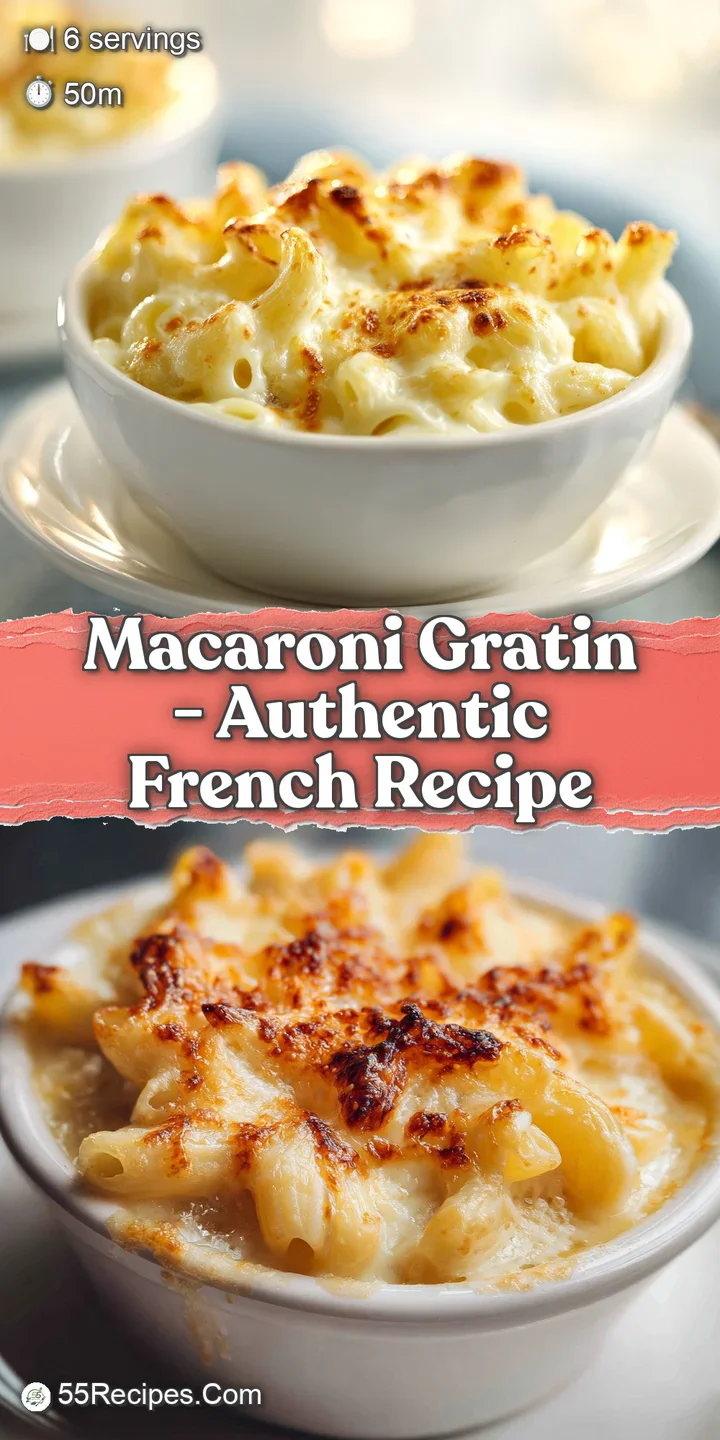
- Bake on the middle rack for 35 minutes until the cheese is melted and the top has formed a mahogany colored, shattering crust.
- Remove from the oven and let it rest for 5 minutes before serving. This allows the sauce to set so it doesn't run all over the plate.
Chef's Tip: To get that signature Bocuse look, use a microplane to grate the cheese very finely. This creates a denser, more uniform crust that shatters perfectly when hit with a spoon.
Fixing Common Preparation Mistakes
Even a "simple" gratin can go sideways if you aren't careful with the heat. The most common heartbreak is an oily sauce. This usually happens if the oven is too hot or the cream isn't high enough in fat.
Why Your Gratin Is Oily
If you see a yellow pool of oil at the bottom of your dish, the emulsion has "broken." This often happens if you use pre shredded cheese, as the additives interfere with the way the fats and proteins bond. It can also happen if you boil the cream too aggressively during the reduction phase.
Keep that simmer gentle you want lazy bubbles, not a volcanic eruption.
Why Your Pasta Is Mushy
Overcooking the macaroni in the water is the primary culprit here. Remember, the pasta spends another 35 minutes in a 180°C oven surrounded by hot liquid. If it's already soft when it goes into the oven, it will disintegrate.
Aim for a "chalky" center when you drain the pasta from the boiling water; it will soften perfectly in the cream.
| Problem | Root Cause | Solution |
|---|---|---|
| Broken/Oily Sauce | Oven too hot or low-fat cream | Stick to 180°C and 35% heavy cream. |
| Bland Flavor | Not enough salt in pasta water | Use the full 30g of sea salt in the boiling water. |
| Soggy Crust | Too much liquid left in cream | Ensure you reduce the cream by a full 20% before assembly. |
Common Mistakes Checklist
- ✓ Never rinse your pasta after boiling; the starch is the "glue" for your sauce.
- ✓ Grate your cheese fresh; those pre bagged shreds are the enemy of a smooth melt.
- ✓ Let the gratin rest for 5 full minutes; it's the difference between a puddle and a plate.
- ✓ Use a heavy bottomed pan for the cream; thin pans will scorch the milk solids and ruin the flavor.
- ✓ Don't skip the nutmeg; it's the secret ingredient that makes this taste "French."
Adjusting Portions for Large Groups
If you're hosting a big family dinner, this recipe scales beautifully, but you can't just double everything and hope for the best. Geometry plays a role in how heat moves through a larger dish.
Downscaling (½ Recipe) If you're cooking for two, use a smaller, deeper dish to keep the pasta from drying out. Reduce the baking time by about 10 minutes, as the smaller thermal mass will heat through faster.
You can still use the 180°C oven setting, but start checking for that mahogany crust at the 25 minute mark.
Upscaling (2x or More) When doubling the recipe to 1kg of pasta, work in batches for the cream reduction. Reducing 1.5 liters of cream in one go takes significantly longer and increases the risk of scorching. Use a much larger, shallower roasting pan to maximize the "crust to pasta" ratio.
Increase the baking time by 10-15 minutes, but keep the salt and spices at about 1.5x rather than a full 2x to avoid over seasoning.
Comparing Different Cooking Styles
While the oven baked Bocuse method is the gold standard for that shattering crust, there are times when you might need a different approach based on your equipment or schedule.
| Method | Time | Texture | Best For |
|---|---|---|---|
| Traditional Oven | 50 minutes | Shattering crust, silky center | Formal dinners, Sunday lunch |
| Stovetop Only | 25 minutes | Ultra creamy, no crust | Quick weeknight comfort |
| Broiler Finish | 30 minutes | Spotty char, very saucy | When you're in a hurry for "crunch" |
If you decide to go the stovetop route, you'll miss out on that deep mahogany color, but you can get a similar flavor by stirring the cheese directly into the reduced cream. It won't have the "clink" of a true Macaroni Gratin, but it's still far superior to anything from a blue box.
Busting Common Pasta Myths
There are a lot of old wives' tales in the kitchen that actually make your Macaroni Gratin worse. Let's clear up a few of them so you can cook with confidence.
One big myth is that you should add oil to your pasta water to keep it from sticking. This is a huge mistake! The oil coats the pasta and prevents the cream sauce from sticking to it. Instead of a velvety coating, the sauce will just slide right off into a pool at the bottom of the dish.
Just use plenty of water (4 liters) and give it a stir in the first minute of boiling.
Another misconception is that searing the cheese under the broiler is the same as baking it. While a broiler gives you color fast, it doesn't give the cream time to "marry" with the pasta starches.
The slow 35 minute bake at 180°C is what creates that cohesive, hearty texture that defines a true French gratin. Trust the process and let the oven do its work.
Storage and Leftover Ideas
This dish is so rich that you might actually have leftovers, though in my house, that’s rare! If you do, the key is to reheat it without making it oily.
Storage Guidelines Keep leftovers in an airtight container in the fridge for up to 3 days. I don't recommend freezing this dish once it's baked, as the cream emulsion tends to break when thawed, leaving the pasta grainy and the sauce oily.
If you must freeze it, do so before the final bake, then bake from frozen, adding an extra 20 minutes to the cook time.
Zero Waste Tips If you have leftover crusty bits or a small amount of pasta, don't toss it. Chop it up and stir it into a frittata the next morning. The Gruyère and cream add incredible depth to eggs.
You can also use any leftover cheese rinds in your next batch of vegetable soup just toss them in the pot while it simmers to extract every bit of that nutty flavor. For the best reheating results, add a splash of fresh cream to the dish before popping it in the oven (not the microwave!) to restore that velvety texture.
Recipe FAQs
Why should I cook the macaroni for 2 minutes less than the package instructions?
This ensures the pasta remains firm during the final bake. Because the macaroni continues to absorb moisture and soften while in the oven, undercooking it slightly prevents it from becoming mushy.
Is it true I can freeze the leftovers after baking?
No, this is a common misconception. The cream emulsion breaks down during freezing and thawing, which leads to a grainy texture and oily sauce. Always freeze the dish before the final bake to maintain quality.
How to achieve the perfect mahogany colored crust on top?
Use freshly grated Gruyère cheese and bake on the middle rack at 180°C. Grating the cheese yourself ensures it melts evenly, while the middle rack position allows the heat to brown the top without burning the bottom.
How to prevent the sauce from becoming greasy?
Toss the drained pasta with cubed butter before adding the cream. This creates a protective fat barrier around the noodles, preventing them from absorbing too much liquid or releasing excess starch that might break the cream emulsion. If you appreciate the benefit of a well balanced sauce, you might enjoy learning how we use similar thickening principles in our healthy mac and cheese recipe.
How to reheat leftovers without drying out the pasta?
Warm the gratin gently in a covered dish in a low-temperature oven. Adding a tablespoon of heavy cream before reheating can also help restore the silky consistency of the sauce.
How to properly infuse the heavy cream for the best flavor?
Simmer the cream over medium heat until it reduces by about 20%. You will know it is ready when the cream coats the back of a spoon, signaling it has thickened enough to cling to the macaroni.
Is it necessary to rinse the macaroni after boiling?
No, never rinse the pasta. You need the residual heat and surface starch to help the butter and cream adhere properly to the macaroni for a rich, cohesive dish.
Authentic Macaroni Gratin

Ingredients:
Instructions:
Nutrition Facts:
| Calories | 896 kcal |
|---|---|
| Protein | 21.3 g |
| Fat | 61.2 g |
| Carbs | 66.4 g |
| Fiber | 2.6 g |
| Sugar | 4.1 g |
| Sodium | 420 mg |
