Cheese Crackers Recipe: Crispy & Flaky
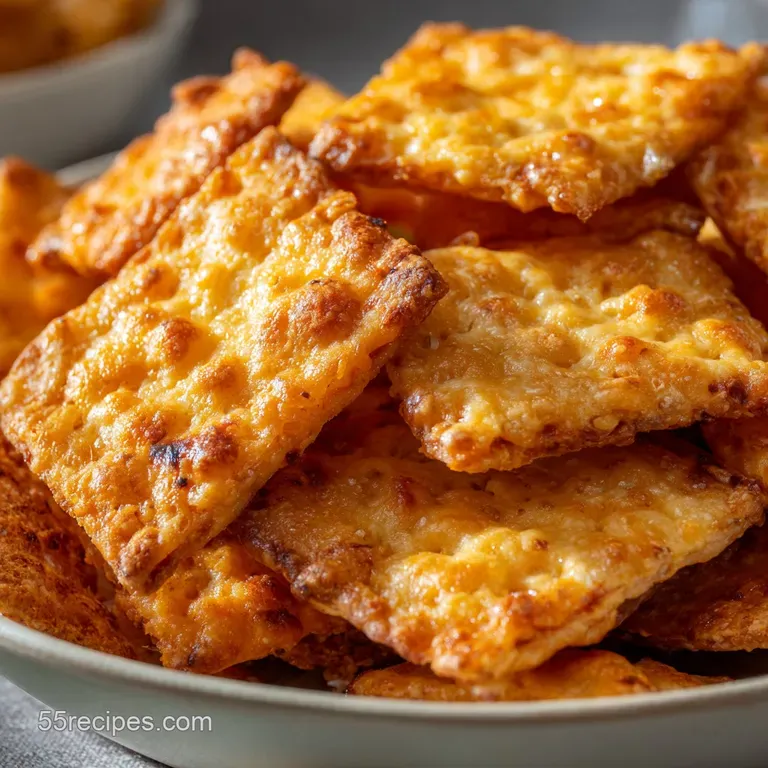
- Time: Active 45 minutes, Passive 15 minutes, Total 1 hours
- Flavor/Texture Hook: Flaky, sharp, and buttery with a distinct, smoky finish.
- Perfect for: School lunchboxes, party platters, or a rainy afternoon baking project.
- Making This Bold Extra Sharp Cheese Crackers Recipe
- The Science of Crispy Snacks
- Component Analysis and Ingredient Roles
- Essential Elements for the Dough
- Tools for Flaky Snacks
- Step by Step Baking Instructions
- Fix Common Baking Mistakes
- Custom Flavor and Dietary Twists
- Scaling Guidelines
- Debunking Kitchen Myths
- Keep Them Fresh and Crispy
- Best Dips and Side Pairings
- Cheese Crackers Recipe FAQs
- 📝 Recipe Card
Making This Bold Extra Sharp Cheese Crackers Recipe
You know that specific, high pitched "snap" when you bite into a high end cracker? That’s what we are chasing today. Forget those greasy, orange squares from the grocery store that leave a film on the roof of your mouth; we’re making something that actually tastes like aged dairy and toasted grain.
Honestly, once you realize that a cheese crackers recipe is basically just a savory pie crust with a massive amount of cheese shoved inside, the intimidation factor disappears. I used to think you needed fancy extruders or industrial ovens to get that texture, but it turns out the secret is just keeping your hands off the dough as much as possible.
We are going to focus on a few specific movements that ensure your crackers don't turn into tiny, sad hockey pucks. If you follow the chilling steps, you’ll end up with a snack that's so flaky it practically dissolves, leaving only the punch of that extra sharp cheddar behind. Let's get into it.
The Science of Crispy Snacks
The Science of Why it Works: Cold fat creates steam pockets during baking, which leads to a laminated, flaky structure. The salt and acid in the cheddar also inhibit gluten development, ensuring the texture remains brittle rather than chewy.
- Fat Encapsulation: Rubbing cold butter into flour coats the proteins, which prevents water from forming long, tough gluten strands.
- Steam Leavening: As the chilled water and butter hit the hot oven, they evaporate instantly, puffing the dough layers apart.
- Maillard Reaction: The proteins in the cheese brown against the starch in the flour, creating that savory, "toasty" aromatic profile.
- Starch Gelatinization: A quick blast of high heat sets the flour's structure before the fat can simply melt away, keeping the shape.
Cook Method Comparison
| Method | Time | Texture | Best For |
|---|---|---|---|
| Standard Oven | 15 minutes | Evenly crisp, very flaky | Large batches and consistency |
| Stovetop Pan | 8 minutes | Charred spots, denser | Small snacks without preheating |
| Air Fryer | 10 minutes | Extreme crunch, very dry | Maximum shatter factor |
I've tried the stovetop method when I was too lazy to wait for the oven to preheat, and while it works, you lose that airy lift. The oven is truly the way to go if you want that classic "box" texture with a homemade soul.
Component Analysis and Ingredient Roles
| Ingredient | Science Role | Pro Secret |
|---|---|---|
| Extra Sharp Cheddar | Provides fat and structure | Use a block and grate it yourself to avoid anti caking starches. |
| All Purpose Flour | Forms the structural matrix | Spoon and level your flour to avoid a dry, sandy cracker. |
| Unsalted Butter | Creates flaky layers | Keep it cuboidal and freezing cold until the very last second. |
Just like the method for making a fine pastry, the temperature of these items is non negotiable if you want a professional result.
Essential Elements for the Dough
- 8 oz Extra Sharp Cheddar Cheese: Grated finely while cold. Why this? High acidity and fat content provide the best flavor to crunch ratio.
- 1 cup All Purpose Flour: The base. Why this? Provides enough protein for structure without becoming tough.
- 4 tbsp Unsalted Butter: Chilled and cubed. Why this? Controlled moisture levels prevent the dough from becoming greasy.
- 1/2 tsp Fine Sea Salt: To season. Why this? Finer grains distribute evenly throughout the dry mix.
- 1/4 tsp Smoked Paprika: For color and depth. Why this? Adds a subtle wood fired aroma that mimics aged cheese.
- 2 tbsp Ice cold Water: To bind. Why this? Keeps the fat solid while pulling the dough into a cohesive ball.
- 1 tsp Flaky Sea Salt: For finishing. Why this? Adds a concentrated burst of saltiness and a premium visual touch.
Substitution Table
| Original Ingredient | Substitute | Why It Works |
|---|---|---|
| All Purpose Flour | Cup for-cup GF Blend | Rice flour bases mimic the crispness. Note: Cracker will be more fragile. |
| Unsalted Butter | Cold Salted Butter | Same fat content. Note: Reduce added sea salt by half. |
| Extra Sharp Cheddar | Smoked Gouda | Similar melting point and fat. Note: Makes a much softer, more savory dough. |
If you find yourself wanting a more "whipped" texture, similar to the technique used in our & Creamy Ricotta recipe, you could pulse the cheese even finer, though I prefer the little visible flecks of cheddar in the final bake.
Tools for Flaky Snacks
You don't need a lab, but a food processor makes this cheese crackers recipe significantly easier because it keeps the fat cold. If you don't have one, use a pastry cutter or even two forks to work the butter in. You will also need a rolling pin (or a smooth wine bottle) and a baking sheet lined with parchment paper.
I highly recommend using a "docker" or just a fork to poke holes in the center of each square. This prevents the crackers from puffing up like pita bread, which would ruin the crunch. A ruler is also handy if you're a perfectionist about straight edges, but I personally like the "rustic" look of hand cut squares.
step-by-step Baking Instructions
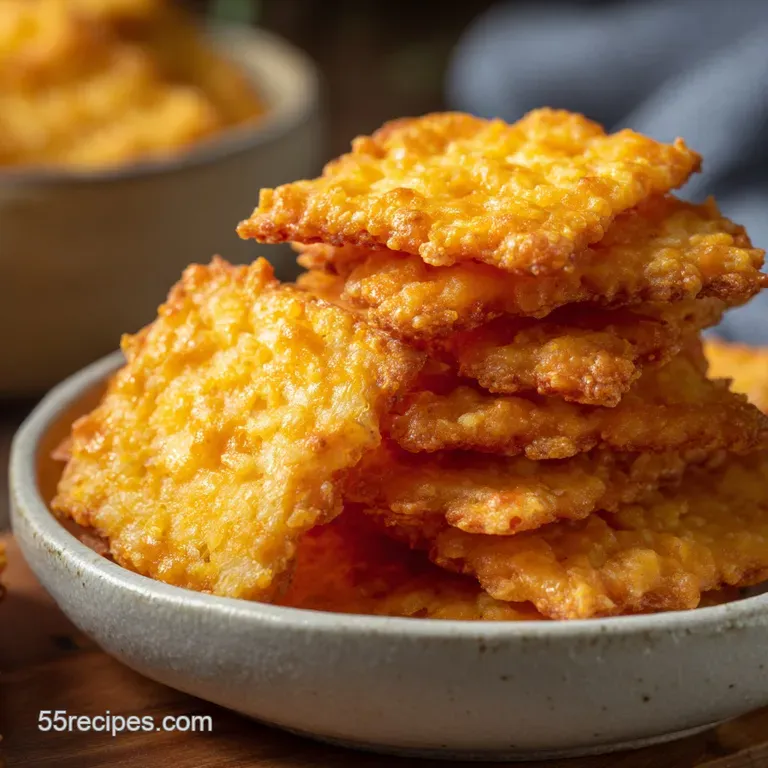
Creating the Sandy Base
Pulse the 1 cup All Purpose Flour, 1/2 tsp Fine Sea Salt, and 1/4 tsp Smoked Paprika in a food processor until combined. Add the 4 tbsp Unsalted Butter and pulse 10 times. Note: You want the butter to look like small peas, not a paste.
Emulsifying Real Cheese
Add the 8 oz Extra Sharp Cheddar Cheese to the processor and pulse until the mixture looks like coarse, orange sand. Do not over process at this stage or the cheese will start to melt from the blade friction.
Binding with Precision
Drizzle the 2 tbsp Ice cold Water over the mixture and pulse only until the dough starts to clump together. Note: If it still looks dry, add one teaspoon of water at a time until it holds when squeezed.
Mastering the Hydration Equilibrium
Turn the dough out onto a piece of plastic wrap and press it into a flat disc. Wrap it tightly and chill in the fridge for 30 minutes to allow the flour to hydrate fully.
Rolling for Transparency
Preheat your oven to 350°F and roll the chilled dough between two sheets of parchment paper until it is about 1/8 inch thick. Note: Thinner dough equals a louder shatter, but thicker dough has a richer flavor.
Sizing and Docking
Cut the dough into 1 inch squares using a pizza cutter or knife. Use a toothpick or fork to poke a hole in the center of each square. Note: This allows steam to escape so they stay flat.
Executing the Perfect Bake
Transfer the parchment sheet onto a baking tray and sprinkle with the 1 tsp Flaky Sea Salt. Bake for 15 minutes until golden and crackling.
Achieving the Laminated Crunch
Let the crackers cool completely on the baking sheet. Note: They will continue to crisp up as the fat solidifies at room temperature.
Fix Common Baking Mistakes
The most common tragedy with a homemade cheese crackers recipe is a "soggy" or chewy center. This usually happens because the dough was rolled too thick or the oven wasn't properly preheated.
If they feel soft when you pull them out, don't panic; just turn the oven off and let them sit inside with the door slightly ajar for 5 minutes.
Avoiding the Soggy Center
If your crackers aren't snapping, the moisture hasn't fully escaped. This often happens if the cheese was too "young" or high moisture. Stick to aged, sharp cheddars which have less water content and more concentrated flavor.
Troubleshooting Table
| Problem | Root Cause | Solution |
|---|---|---|
| Greasy Crackers | Butter got too warm | Chill the dough for an extra 15 mins before rolling. |
| Tough Texture | Over worked dough | Mix only until the dough barely comes together. |
| Burnt Edges | Uneven rolling | Use rolling pin spacers to ensure a perfectly even thickness. |
Common Mistakes Checklist
- ✓ Always use "extra sharp" cheese; mild cheese has too much moisture and less flavor impact.
- ✓ Use ice water only - tap water is often too warm and will melt your butter bits.
- ✓ Don't skip the "docking" (poking holes); otherwise, they will puff and become chewy.
- ✓ Grate your own cheese; pre shredded cheese is coated in potato starch which prevents the dough from binding correctly.
- ✓ Let them cool 100% before storing, or the residual steam will turn them into mush.
Custom Flavor and Dietary Twists
If you're looking for a keto cheese crackers recipe, you can actually swap the flour for almond flour. Just be aware that almond flour doesn't have the same structural integrity, so you'll need to add an egg white to help the crackers hold their shape.
The result is a richer, nuttier snack that fits perfectly into a low carb lifestyle.
Designing a gluten-free Variation
For a gluten-free cheese crackers recipe, use a high-quality 1 to-1 baking flour. Since gluten-free flours don't "stretch," you might find the dough cracks more easily when rolling. The trick is to roll it directly on the parchment you plan to bake on so you don't have to move the delicate raw squares.
Elevating the Flavor Profile
- Everything Bagel: Add a tablespoon of everything seasoning to the dough.
- Spicy Kick: Toss in 1/4 tsp of cayenne pepper with the dry ingredients.
- Herby Freshness: Finely minced rosemary or thyme works wonders with the sharp cheddar.
Chef's Tip: For a "laminated" look, fold the dough over itself three times like a letter during the rolling process. This creates hundreds of microscopic layers that shatter when bitten.
Scaling Guidelines
When you're making these for a crowd, it's tempting to just double everything. For this recipe, you can easily double or triple the ingredients, but work in batches. If you put too much dough in a standard food processor, the motor will heat up and melt your butter, ruining the texture.
For a half batch, simply halve all measurements. If you're scaling up to 4x for a party, reduce the salt slightly (use about 3x the salt) to prevent them from becoming overwhelming.
Also, remember that more crackers on the tray might require an extra 2-3 minutes of baking time due to the increased moisture in the oven.
Debunking Kitchen Myths
"You must use expensive artisan cheese." This is a myth. While you want a good quality sharp cheddar, the $20 per pound block is often too dry and crumbly to make a cohesive dough. A standard grocery store "Extra Sharp" block actually has the perfect moisture balance for baking.
"The dough needs to sit overnight." While a 30 minute chill is vital for hydration, leaving it overnight can actually cause the cheese to oxidize slightly, changing the color of your crackers to a duller orange. 30 to 60 minutes is the "sweet spot" for the best texture and color.
Keep Them Fresh and Crispy
Storage: Keep your crackers in an airtight container at room temperature for up to 7 days. If they start to lose their crunch due to humidity, pop them back in a 300°F oven for 3-4 minutes to "refresh" them.
Freezing: You can freeze the raw dough discs for up to 3 months. Thaw in the fridge overnight before rolling. I don't recommend freezing the baked crackers, as they tend to become crumbly upon thawing.
Zero Waste Tip: Don't throw away the "scraggly" edges after you cut your perfect squares! Bake those odd shaped bits right alongside the squares. They make the best "chef's snack" while you wait for the rest to cool.
Best Dips and Side Pairings
These crackers are intense enough to eat alone, but they really shine when paired with a creamy element. They are a fantastic vessel for a Decadent Gorgonzola Sauce recipe if you want to go full cheese mode, or you can dip them into a How to Make recipe for a double hit of savory dairy.
If you're serving these as part of a larger spread, they stand up beautifully against acidic components like pickles or a sharp apple slices. The smokiness from the paprika also makes them a natural partner for a cold beer or a glass of crisp white wine.
Just make sure you make more than you think you'll need; they disappear faster than you can say "extra sharp."
Cheese Crackers Recipe FAQs
Can I use pre-shredded cheese for these crackers?
No, it's best to grate your own cheese. Pre-shredded cheese contains anti caking agents like potato starch, which can prevent the dough from binding properly and affect the final texture.
How do I get my cheese crackers to be extra flaky?
Keep your butter very cold and don't overwork the dough. Cold butter creates steam pockets during baking, leading to those desirable flaky layers. Overmixing develops gluten, making the crackers tough instead of brittle.
My crackers are puffing up like bread. How do I stop this?
Poke holes in the dough before baking. This is called "docking" and allows steam to escape, preventing the crackers from puffing up unevenly and ensuring they bake flat and crispy.
What kind of cheese is best for cheese crackers?
Extra sharp cheddar is recommended. It has a good fat content and low moisture, providing the best flavor and structure for a crispy cracker. Milder cheeses tend to be higher in moisture and can lead to a softer texture.
How thin should I roll the dough for maximum crunch?
Roll the dough to about 1/8 inch thick. Thinner dough will result in a louder "shatter" when you bite into it, while thicker dough will yield a richer, though slightly less crisp, cracker.
Can I make a gluten-free version of these cheese crackers?
Yes, use a good 1-to-1 gluten-free baking flour. Since gluten-free flours lack the stretching properties of wheat flour, the dough might be more fragile. Rolling it directly on parchment paper is a helpful technique.
How should I store baked cheese crackers to keep them crispy?
Store them in an airtight container at room temperature for up to 7 days. If they lose some crispness due to humidity, you can refresh them by placing them back in a low oven (around 300°F) for a few minutes.
Cheese Crackers Recipe
Ingredients:
Instructions:
Nutrition Facts:
| Calories | 295 kcal |
|---|---|
| Protein | 11.6 g |
| Fat | 20.2 g |
| Carbs | 16.5 g |
| Fiber | 0.7 g |
| Sugar | 0.1 g |
| Sodium | 450 mg |
