Oatmeal Cookies: Get the Ultimate Thick, Chewy Classic Recipe
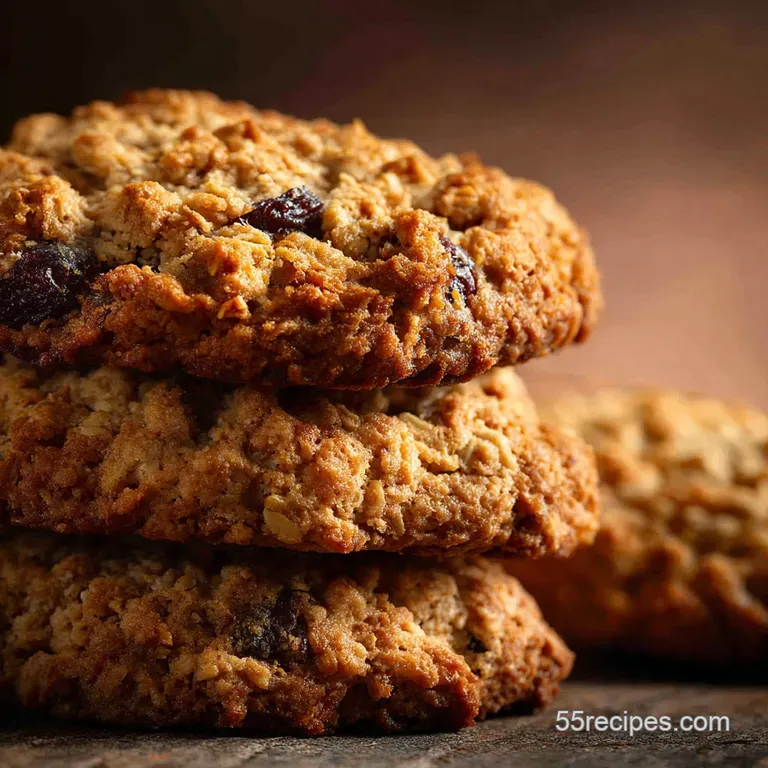
- Introducing The Ultimate Chewy Classic Oatmeal Cookies
- Essential Ingredients and Smart Substitutions
- The Straightforward Method for Baking Perfect Oatmeal Cookies
- Decoding the Chew: Why This Oatmeal Cookie Recipe Succeeds
- Expert Tips and Troubleshooting Common Baking Errors
- Storage Solutions: Keeping Your Oatmeal Cookies Fresh
- Perfect Pairings and Serving Suggestions
- Recipe FAQs
- 📝 Recipe Card
Introducing The Ultimate Chewy Classic Oatmeal Cookies
You know that smell? The one that hits you when cinnamon and toasted oats mingle under caramelizing brown sugar? That, my friend, is pure home. These thick, chewy oatmeal cookies deliver on that promise every single time.
They aren't fancy, they aren't complicated, but when you pull them fresh from the oven, they are absolutely perfect.
Honestly, this easy oatmeal cookies recipe is a total lifesaver. You probably have every single ingredient needed already lurking in your pantry right now. Need a fast, incredibly satisfying treat that costs next to nothing? This classic oatmeal cookie recipe is the glorious answer.
It’s comforting, reliable, and ridiculously simple to pull together after a long day.
Forget those dry, crunchy discs that taste like something you’d find at the bottom of a bird feeder. We are aiming for soft centers and slightly crisp, golden edges the kind of cookie that bends beautifully when you break it open.
Trust me, after years of tweaking, I have finally nailed the secret to the ultimate chewy oatmeal cookies . Let’s crack on and get this dough mixed.
What Makes These Oatmeal Cookies Exceptionally Chewy?
We are employing a classic baking strategy designed to trap moisture. The secret to thick, chewy oatmeal cookies lies in two things: brown sugar and chilling.
Using a higher ratio of moist brown sugar to white sugar introduces molasses, which stays soft even after baking, guaranteeing that bendy texture.
Quick Overview: Prep Time, Bake Time, and Yield
| Stage | Duration | Why It Matters |
|---|---|---|
| Prep Time | 15 minutes | Active work is quick! |
| Chilling Time | 30 minutes (Min.) | Non-negotiable for thick cookies. |
| Cook Time | 12– 14 minutes | Keep an eye on those edges. |
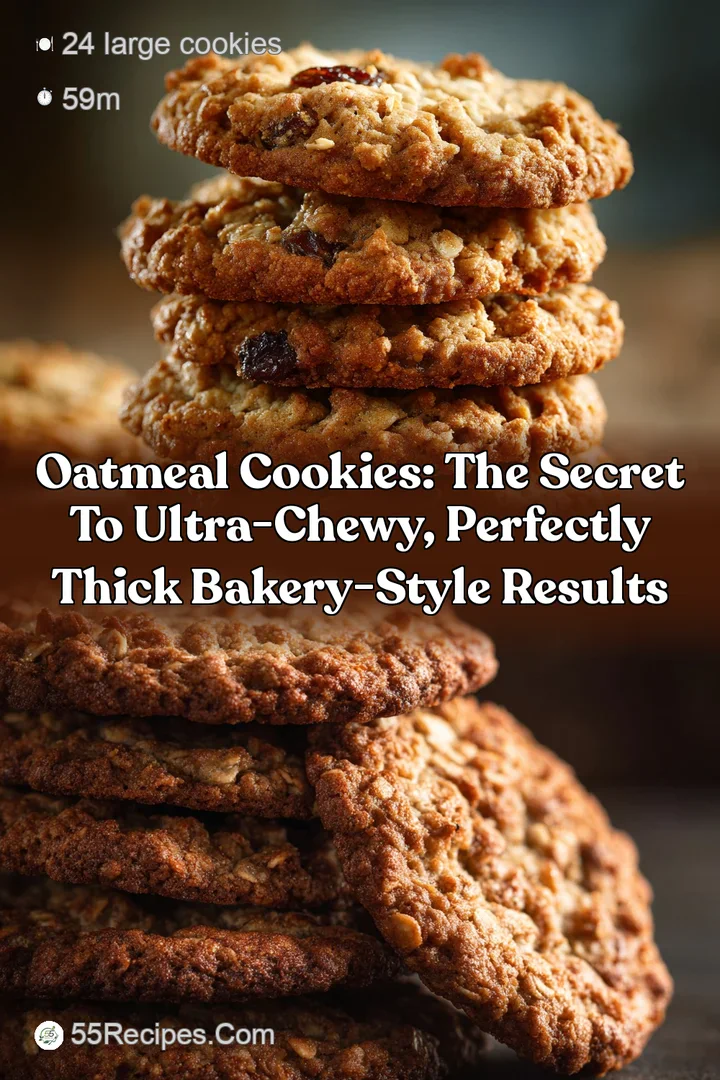
This recipe yields approximately 24 substantial cookies. They are fantastic for gifting, or just hoarding all for yourself (I won't tell anyone).
Essential Kitchen Tools for Perfect Cookie Uniformity
You don't need a professional pastry kitchen, but a few tools definitely help produce uniform, beautiful cookies. I highly recommend using a kitchen scale for flour; it eliminates the guesswork. A stand mixer makes the creaming process effortless, but a good hand mixer will certainly do the job.
Finally, investing in a 1.5 tablespoon cookie scoop ensures every thick oatmeal cookie bakes evenly.
Essential Ingredients and Smart Substitutions
Every great cookie starts with a great foundation. Pay attention to temperatures here; room temperature butter and eggs are crucial for creating a properly emulsified, fluffy dough.
| Ingredient | Why We Use It | Viable Substitute |
|---|---|---|
| old-fashioned Rolled Oats | Texture and chew | Quick oats (adjust chilling time) |
| All-Purpose Flour | Structure | 1:1 gluten-free Blend |
| Unsalted Butter | Fat and flavour | dairy-free baking sticks (80%+ fat) |
| Brown Sugar | Moisture and chewiness | Coconut sugar (cookies will be drier) |
| Eggs | Binding and lift | Flax eggs or commercial egg replacer |
Rolled vs. Quick Oats: Choosing Your Texture Base
You absolutely need to use old-fashioned, whole rolled oats here. Quick oats are pre-steamed and cut into smaller pieces, meaning they absorb moisture too fast and often turn to mush in the baking process.
If you only have quick oats, you can use them, but you must reduce the chilling time to about 15 minutes or the dough will become crumbly. For that classic, rustic texture, stick with the rolled kind.
Mastering the Ratio of Butter and Brown Sugar
We use both brown and granulated sugar. The granulated sugar provides structure and helps the edges crisp up, while the brown sugar is the MVP for chewiness. I recommend using softened butter, not melted butter, for this particular recipe.
Softened butter creams up beautifully with the sugars, whipping in air that helps the cookies rise high instead of spreading flat.
CRITICAL TIP: When measuring brown sugar, ensure you pack it tightly into the measuring cup (or weigh it!). Packed brown sugar is essential for achieving the correct level of moisture.
Optional Add-ins: Nuts, Chocolate Chips, or Dried Fruit Variations
I’m partial to raisins in my oatmeal cookies , but you are the baker! Feel free to customize.
- Chocolate Chip Oatmeal Cookies: Swap raisins for 1 cup of semi sweet or dark chocolate chips.
- Nutty Crunch: Add ½ cup of chopped toasted walnuts or pecans for extra crunch.
- Zesty Twist: Use dried cranberries instead of raisins, and toss in the zest of one small orange.
gluten-free and dairy-free Ingredient Swaps
I often bake for friends with various dietary needs. If you need a dairy-free swap, use a good quality plant based butter stick (not margarine). If you need gluten-free, substitute the all-purpose flour with a 1:1 gluten-free baking blend that includes xanthan gum.
Remember to ensure your rolled oats are certified gluten-free, too!
The Straightforward Method for Baking Perfect Oatmeal Cookies
Preheat oven to 375°F (190° C). Line two baking sheets with parchment paper.
Creaming the Fats and Sugars: The Foundation of Chewiness
- Whisk the Dry: In a medium bowl, whisk together the flour, cinnamon, baking soda, and salt. Add the oats and toss everything together so the spices are evenly distributed. Set this aside.
- Cream the Wet: In a large mixing bowl (or stand mixer), beat the room temperature butter, brown sugar, and granulated sugar on medium speed. Cream until the mixture is visibly lightened in colour and incredibly fluffy. This process takes a full 3 to 4 minutes and is critical for introducing air.
- Add Wet Ingredients: Beat in the eggs, one at a time, mixing just until the yolk disappears. Scrape down the sides of the bowl. Then, mix in the vanilla extract. Do not overmix once the eggs are in.
Mixing the Dry Ingredients and Folding in the Oats
- Combine Slowly: Reduce your mixer speed to low. Gradually add the dry mixture to the wet mixture, mixing only until just combined. Stop the moment you see only a few streaks of flour remaining.
- Fold in Raisins: Remove the bowl from the mixer. Use a rubber spatula to gently fold in your raisins or chocolate chips. Folding prevents gluten development, keeping your cookies tender.
The Critical Step: Chilling the Cookie Dough Batter
- The Chill: Cover the bowl of dough and refrigerate for a minimum of 30 minutes. I prefer 1 hour. This step solidifies the butter, which massively prevents your cookies from spreading into thin puddles. I skipped this once because I was impatient; the result was pancake flat cookies that broke my heart.
Baking and Cooling: Achieving the Perfect Golden Edge
- Scoop and Space: Scoop the chilled dough using your cookie scoop onto the prepared sheets, leaving at least 2 inches between each dough ball.
- Bake: Bake for 12 to 14 minutes, rotating the pan halfway through. Look for that crucial indicator: the edges should be set and golden brown, but the centers should still look slightly pale and underbaked.
- Cool Down: Let the cookies rest on the hot baking sheet for 5 minutes. They continue cooking! Then, transfer them to a wire rack to cool completely. Allowing them to rest on the sheet helps set that perfect, thick oatmeal cookie base.
Decoding the Chew: Why This Oatmeal Cookie Recipe Succeeds
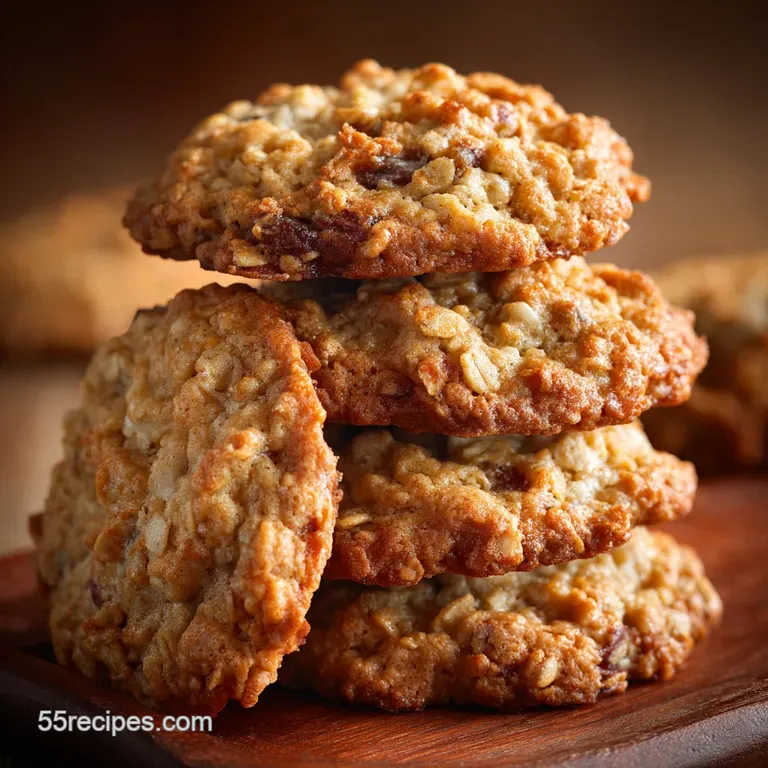
How Brown Sugar Creates Caramelization and Moisture
Brown sugar is mostly white sugar plus molasses. That molasses content is highly hygroscopic meaning it loves water. This moisture stays locked inside the cookie, preventing it from drying out entirely.
When baked, the sugar caramelizes beautifully, giving you that rich, golden brown colour and that fantastic chew factor we crave in oatmeal cookies.
The Role of Melted vs. Softened Butter
As mentioned, we use softened butter, which we cream until fluffy. This mechanical action creates air pockets in the dough. When the cookies hit the oven, that air expands, giving the cookies height and thickness. If you used melted butter, the dough would be denser and flatter, producing a fudgier but thinner cookie.
We want thick here, so creaming is essential.
Hydrating the Oats for Superior Texture
By combining the oats with the dry ingredients early on, the residual moisture in the butter and eggs has time to slightly hydrate the oats while the dough chills. This hydration prevents them from stealing too much moisture during the bake. The result? Tender oats, not hard, crunchy bits.
Expert Tips and Troubleshooting Common Baking Errors
Preventing Thin, Flat Cookies That Spread Too Much
This is the number one complaint I hear! If your cookies spread, the likely culprit is either warm butter, too much flour (if you aren't weighing it), or skipping the chilling step. Always chill the dough.
If your kitchen is hot, consider chilling your formed dough balls for 15 minutes right before they go into the oven, just to be safe.
Identifying the Exact Moment the Cookies Are Done
Don't wait for the whole cookie to look golden. The center should look slightly shiny and soft when you pull them out. If they look perfectly golden on the rack, they are already overbaked inside. The residual heat is your friend. Pull them when the edges are set and dark gold.
Deepening the Flavor: A Pinch of Sea Salt and Vanilla Extract
Never skip the salt! Fine sea salt balances the intense sweetness of the brown sugar, making the vanilla and cinnamon pop beautifully. Speaking of vanilla, use real vanilla extract, not imitation.
It makes a huge difference in the overall depth of the flavour profile in these classic oatmeal cookies .
Storage Solutions: Keeping Your Oatmeal Cookies Fresh
Room Temperature: Store cooled cookies in an airtight container at room temperature for up to 5 days. For extra freshness, toss a half slice of bread into the container; the cookies will absorb the moisture from the bread and stay softer longer.
Freezing the Dough: This is the best move! Scoop the dough balls onto a parchment lined tray, freeze until solid (about 2 hours), and then transfer them to a freezer bag. They keep perfectly for up to 3 months.
When you want a fresh cookie, bake them straight from frozen, adding 2– 4 minutes to the total bake time.
Freezing Baked Cookies: You can freeze cooled, baked cookies in an airtight container for up to 2 months. To reheat, simply microwave them for 10 15 seconds, or warm them up quickly in a 300°F (150°C) oven for five minutes. They taste like they were just baked!
Perfect Pairings and Serving Suggestions
These oatmeal cookies with chocolate chips (if you added them) or raisins are perfect on their own, but why stop there?
Serve them warm, slightly gooey, with a tall, cold glass of milk. Alternatively, pair them with a scoop of homemade ice cream for a rustic dessert sandwich. If you really want to lean into comfort food, try crushing them slightly and adding them to an Easy Cookies and Cream Milkshake Recipe: A Classic Family Favourite .
For a cute holiday twist, I sometimes sandwich them with a little bit of spiced cream cheese frosting, which makes them feel a bit more sophisticated, almost like my The Ultimate Chewy Marzipan Cookies Recipe Easy Tea Biscuits . They are simple, they are beautiful, and they are the taste of pure comfort. Go make a batch!
Recipe FAQs
Why did my oatmeal cookies spread too much and come out flat?
This is usually due to butter that was too warm or dough that was overmixed, which develops the gluten too quickly. Ensure your butter is merely softened, not melted, and always chill the formed dough balls for at least 30 minutes before baking to solidify the fats and prevent excessive spreading.
Can I substitute quick cooking oats for old-fashioned rolled oats?
While you technically can, quick oats absorb liquid much faster and break down during baking, resulting in a cakey, less chewy cookie. For the intended classic texture and structure, it is essential to stick to old-fashioned rolled oats, as they hold their shape and provide the necessary rustic chew.
My cookies came out dry and hard; what went wrong?
Overbaking is the primary culprit; cookies continue to set on the baking tray after removal, so pull them when the edges are lightly golden but the centers still look slightly soft and underdone.
Additionally, be precise when measuring flour, using the spoon and-level method, as too much flour dramatically reduces moisture.
What is the secret ingredient for achieving that truly thick, chewy texture?
The key to superior chewiness is often using slightly melted or browned butter and ensuring you rely heavily on dark brown sugar or even adding a teaspoon of molasses. These ingredients increase the moisture content and acidity of the dough, preventing the formation of a crisp, brittle cookie structure.
What is the best way to store baked oatmeal cookies, and can I freeze them?
Store baked cookies in an airtight container at room temperature for up to five days; placing a half slice of sandwich bread in the container can help maintain their softness and freshness.
You can freeze raw, portioned dough balls for up to three months; simply bake them directly from frozen, adding 2-3 minutes to the total baking time.
How can I adapt this recipe to be suitable for vegan or gluten-free diets?
For a vegan cookie, substitute the butter with a high-quality plant based stick butter and replace the egg with a commercial egg substitute or a flax egg. For gluten-free, use a certified GF flour blend containing xanthan gum, and always ensure your rolled oats are specifically labeled gluten-free.
Besides raisins, what are some recommended additions or flavor variations?
Chopped walnuts or pecans add an excellent textural contrast and nutty flavor profile to the dense oatmeal cookie base. If you prefer chocolate, a mixture of white and dark chocolate chips or toffee bits works wonderfully, especially when enhanced with a touch of nutmeg and clove spice.
Chewy Classic Oatmeal Cookies Recipe
Ingredients:
Instructions:
Nutrition Facts:
| Calories | 144 kcal |
|---|---|
| Protein | 2.0 g |
| Fat | 6.0 g |
| Carbs | 21.0 g |
