Crab Boil Seasoning: the Ultimate Diy Bay-Style Recipe
- Capturing the Bay Flavor: Why Homemade Seasoning Wins
- Essential Components for Your Crab Boil Seasoning Blend
- Crafting the Mix: Step-by-Step Blending Guide
- Expert Tips: Perfecting Your Homemade Spice Rub
- Maximizing Shelf Life: Storage and Freshness
- Beyond the Pot: Creative Ways to Use Your Spice Blend
- Recipe FAQs
- 📝 Recipe Card
Capturing the Bay Flavor: Why Homemade Seasoning Wins
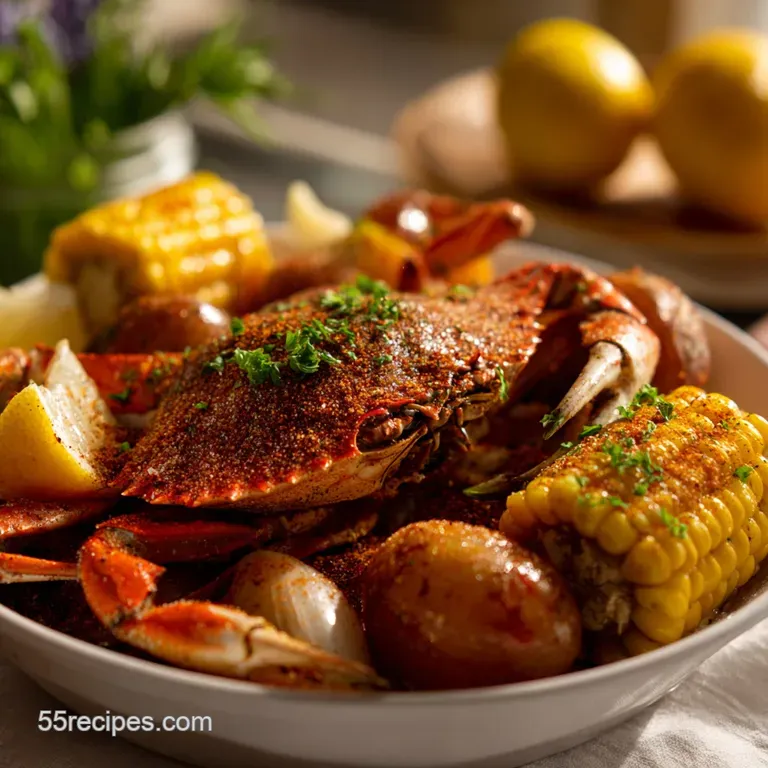
The moment you crack open a perfectly seasoned batch of fresh crab, that explosion of aroma hits you. That deep, earthy, slightly smoky scent, cut with bright citrus and a ferocious kiss of heat, is the hallmark of truly spectacular seafood.
I am talking, of course, about incredible Crab Boil Seasoning , and I am here to tell you that the stuff you make yourself absolutely blows the tin can versions out of the water.
This homemade approach is a true lifesaver for summer gatherings. store-bought spice blends often sit on the shelf too long, meaning half their essential oils have vanished before they ever hit your pot.
When you mix your own, you control the freshness, the heat, and crucially, the salt level, which is usually over the-top in commercial products.
So, ditch that dusty can and let’s get blending. This particular Crab Boil Seasoning recipe uses the freshest components, ensures maximum potency through crucial grinding steps, and yields a bright, complex flavor profile that will make your next seafood feast unforgettable.
Escaping the Tin: The DIY Difference in Flavor Complexity
Homemade spices just sing, right? The magic of this Homemade Crab Boil Seasoning lies in using whole spices whenever possible and grinding them right before use. When you buy pre-ground blends, those volatile oils that provide the gorgeous flavor have been evaporating for months.
But grinding whole mustard seed or crushing fresh bay leaves just minutes before mixing? That intensity is unmatched.
This blend also works because we combine multiple sources of heat. We use a one-two punch of cayenne pepper (fast, sharp heat) and crushed red pepper flakes (slower, sustained warmth) which provides a far more interesting warmth than just relying on a single ingredient. It’s flavor architecture, people!
Defining "Bay-Style": Flavor Notes and Aroma Profile
When we talk about "bay-style," we’re looking for a specific culinary signature. This seasoning should smell incredibly savory, featuring dominant notes of celery, bay leaf, and pepper, but it needs an undertone of smoky sweetness provided by the paprika.
The final texture should be coarse enough that you can still see the little bits of crushed red pepper flakes and whole celery seeds, but fine enough that the ground bay leaves dissolve perfectly into the boiling water.
The aroma, when you finally hit that simmering pot, should be earthy, peppery, and slightly pungent it’s the smell of summer.
Spice Level Customization: Achieving Your Perfect Heat
The ability to customize heat is why this is the only Crab Boil Seasoning recipe you’ll ever need. I like things spicy, so my base recipe has a noticeable kick thanks to a full tablespoon of cayenne.
Chef’s Note: If you are cooking for heat sensitive friends, simply halve the cayenne measurement and omit the crushed red pepper flakes entirely. If you want a full-on Cajun Heat Bomb, however, you can double the cayenne and add a teaspoon of smoked chipotle powder for extra depth.
Essential Components for Your Crab Boil Seasoning Blend
Every ingredient in this blend pulls serious weight, creating that classic complex flavor profile. We need high-quality components because dull seasoning equals dull seafood, and we are not doing dull food here.
Core Spices Checklist: Paprika, Pepper, and Mustard Seed
The foundation of any good Crab Boil Seasoning is the earthy and peppery components. You must invest in good paprika. Smoked paprika brings a depth that sweet Hungarian paprika just can’t touch, mimicking that long simmered, slow cooked flavor profile we love.
Mustard seed and celery seed provide that essential savory, almost tangy note that truly defines the bay flavor.
Sourcing the Best Bay Leaves and Red Pepper Flakes
This is where people often mess up. Bay leaves are crucial, but they must be potent. Skip the ancient package gathering dust and find the freshest ones possible. Crucially, we are going to grind these up finely. Nobody wants to chew on a sharp piece of dried bay leaf!
The crushed red pepper flakes add a beautiful visual element, but their heat is delayed compared to the cayenne powder. They release their capsaicin slowly, giving the boil a persistent warmth that deepens as the seafood cooks.
Smart Swaps: Alternative Heat Sources and Low-Sodium Options
| Ingredient | US Customary | Substitution Option | Detail |
|---|---|---|---|
| Kosher Salt | 1/2 cup | Dried Lemon Peel/Salt Substitute | Reduce the salt by half and bulk up with dried, powdered lemon zest or pure ground celery seed to keep the volume. |
| Cayenne Pepper | 1 Tbsp | Chili Powder | Use 2 Tbsp of high-quality chili powder instead for a richer, milder heat that focuses on dried pepper flavor. |
| Celery Seed | 2 Tbsp | Celery Salt | If absolutely necessary, swap with 2 Tbsp celery salt, but be sure to reduce your Kosher salt by 3 Tbsp to compensate. |
| Citric Acid | 1/2 tsp | White Vinegar Powder | Vinegar powder works brilliantly to achieve brightness without the sharp sour note of citric acid. |
Crafting the Mix: step-by-step Blending Guide
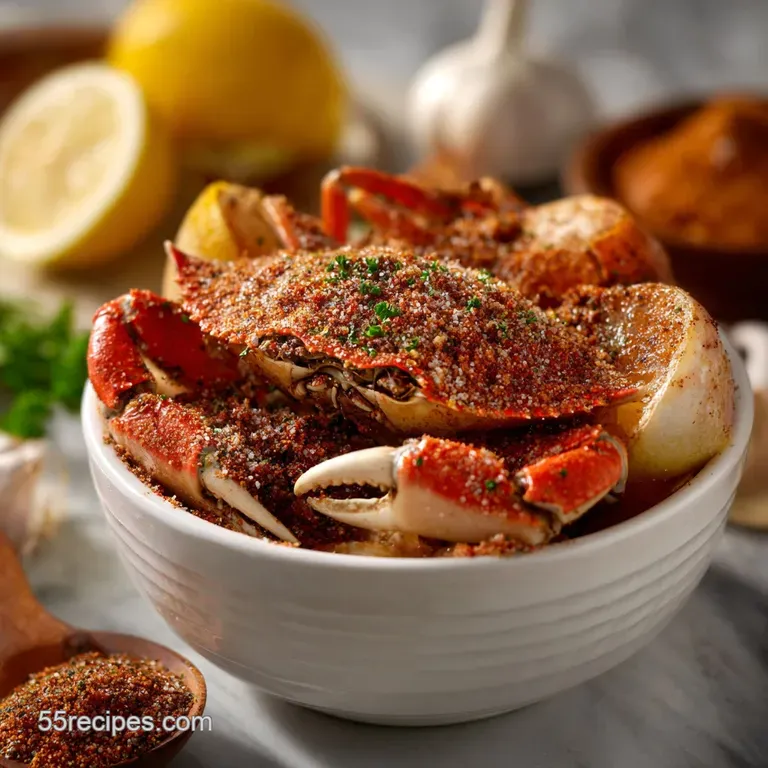
Making your own spice rub is ridiculously easy, but precision matters. Accuracy ensures consistency, which is why you need a decent set of measuring spoons.
Preparing Whole Spices: Toasted vs. Raw
Toasting whole spices like mustard seed and celery seed is optional, but it takes your Crab Boil Seasoning from great to phenomenal. When you dry-toast these in a skillet over medium heat for about 30 seconds, they release their oils.
You’ll know they are ready when they smell nutty and aromatic, maybe even a little smoky. Immediately dump them onto a cool plate to stop the cooking process before grinding.
Achieving Fine Consistency: Tools and Techniques for Grinding
Step one is grinding the mustard seeds, whole bay leaves, and peppercorns. Trust me on this: a simple coffee grinder dedicated only to spices is your best friend. Grind them until they are a coarse powder, resembling rough sand.
If you are using a mortar and pestle, you’ll need some elbow grease, but the texture you get is often superior more rustic and beautiful.
The goal is to eliminate large, hard chunks, especially the bay leaves, which can be irritating in the final boil. If you want a super professional, uniform rub, run the whole ground mixture through a fine mesh sieve.
The Final Mix: Ensuring Uniform Distribution of the Rub
Once your whole spices are prepped, just dump everything the paprika, the garlic powder, the salt, and the cayenne into a large, dry mixing bowl. You must use a large bowl because vigorous mixing is required.
I like using a balloon whisk to aerate the blend and make sure that dense salt doesn't pool at the bottom. Whisk for a solid minute or two until the entire batch is a perfectly uniform, reddish brown color. You should see little flecks of bright red from the pepper flakes, but no streaks of pure white salt.
Expert Tips: Perfecting Your Homemade Spice Rub
Don't just follow the recipe; learn to maximize the flavor. These few simple tricks are the difference between a good seasoning blend and an epic one.
Common Mistake: Over Grinding and Loss of Essential Oils
I once over ground my peppercorns until they were practically flour, and guess what? The resulting Crab Boil Seasoning tasted metallic and flat. Grinding creates friction and heat, which causes those precious volatile oils to evaporate too quickly.
Keep your grinding sessions short and quick. If your grinder is hot to the touch, you’ve gone too long.
Boosting Freshness: When to Toast Your Seeds
I already mentioned toasting, but it bears repeating: toast the whole mustard seed and celery seed every single time you make this. It truly amps up the savory depth of the resulting boil. The slight caramelization of the seed husks adds nutty complexity that elevates the entire dish.
Scaling Up the Batch: Adjusting Spice Proportions
This recipe makes about a cup of seasoning, which is plenty for a few boils. If you host massive seafood feasts every month, you can easily double or triple the recipe. Just use a much larger bowl and ensure your mixing is extra thorough.
When scaling, always use the same precise ratios, but keep the citric acid constant until the very end, adjusting it only after tasting a test batch dissolved in water.
Maximizing Shelf Life: Storage and Freshness
We make homemade seasoning specifically for the freshness, so we need to protect it. Properly storing your spice blend is essential to preserving those delicate flavors.
The Enemy of Spice: Avoiding Moisture and Light
The two things that destroy spices fastest are light and moisture. Never, ever store your seasoning near the stove or directly above the dishwasher where it’s exposed to steam and heat fluctuations. You want a cool, dark cupboard.
Best Containers for Long Term Storage
The absolute best container for your Crab Boil Seasoning is a dark glass jar with an airtight, locking lid think a Kilner jar or a solid mason jar. Glass doesn't absorb odors, and the airtight seal protects the precious oils.
Plastic containers are porous and will often make your seasoning stale faster.
Does Homemade Seasoning Go Bad? Signs of Ageing
Dry seasoning doesn't "go bad" in the sense of growing mold, but it absolutely loses potency. After about six months, you will notice the aroma fades. If you open the jar and don't immediately get hit by that sharp, peppery, bay-leaf scent, it's past its prime.
It won’t hurt you, but it won’t give your boiling water the necessary flavor punch either.
Beyond the Pot: Creative Ways to Use Your Spice Blend
While this blend is specifically formulated for a traditional boil, the flavors are so robust and versatile that you can use this amazing Crab Boil Seasoning in dozens of other ways. Think of it as your secret weapon for all kinds of savory cooking.
We absolutely love mixing this spice blend directly into softened butter to create a glorious Spicy Seafood Sauce Recipe . Melt that garlic butter and slather it all over your boiled crabs and corn.
- Rub: Use it as a dry rub on pork ribs before slow smoking, or mix 2 tablespoons of the blend with oil to coat potatoes before roasting them.
- Crab Cakes: Speaking of crustaceans, a teaspoon or two of this blend mixed into your filling before frying or baking makes the best [Crispy Air Fryer Crab Cakes My Quick Easy Recipe]. It adds that Chesapeake zing .
- Marinade: Mix it with vinegar, olive oil, and some extra lemon juice to create a vibrant marinade for shrimp or firm white fish before grilling.
If you love the intensity of the flavor found in a classic Boiling Crab Sauce Recipe , you can achieve that richness by melting 1/4 cup of butter, sautéing some finely diced onions and garlic until translucent, and then stirring in 2 tablespoons of this dry seasoning before adding the water/stock.
This gives you the aromatic base needed for a decadent Seafood Boil Sauce With Onions . The flavor profile is shockingly similar to that famous Copycat Boiling Crab Sauce, but fresher.
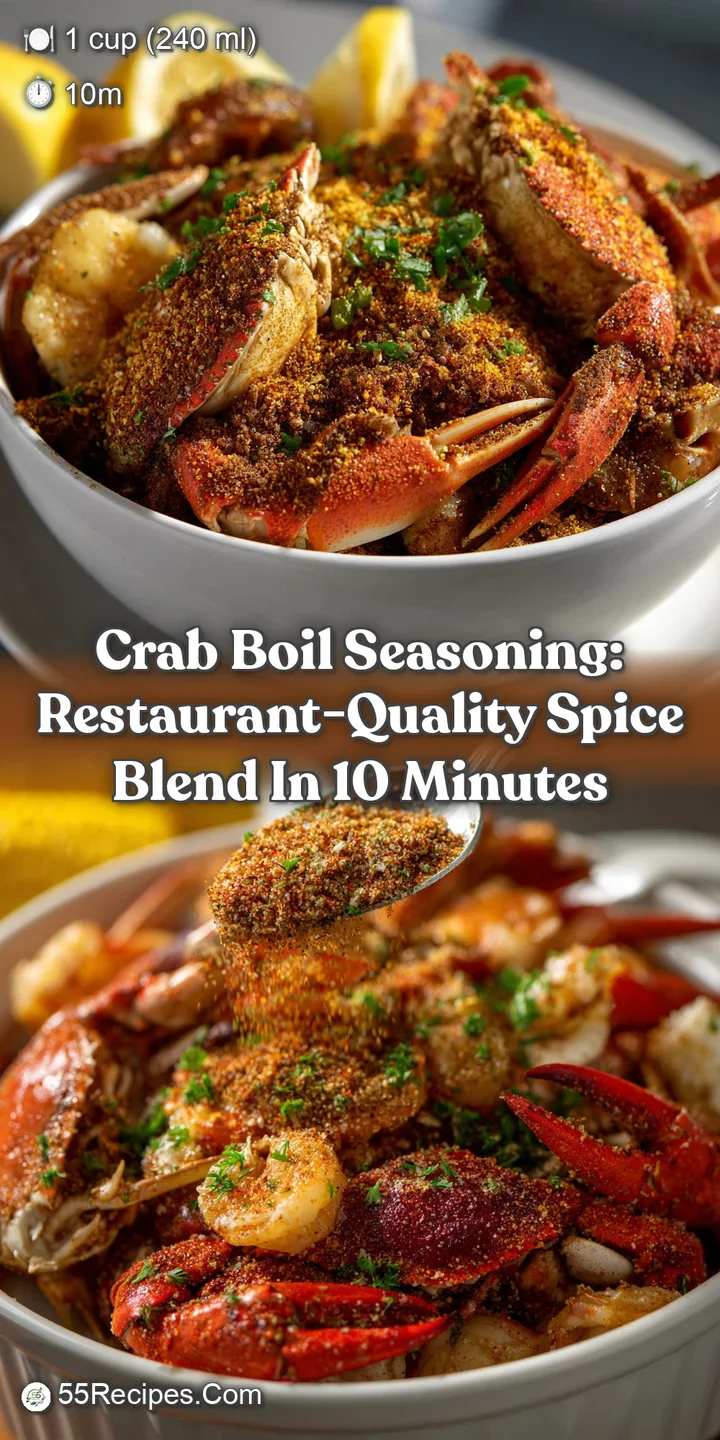
This Crab Boil Seasoning is the key to elevating your next backyard bash. Enjoy the process, and most importantly, enjoy the fresh, powerful flavor!
Recipe FAQs
How should I store the homemade crab boil seasoning for maximum freshness?
Store the finished seasoning blend in an airtight container, such as a glass jar with a tight lid, away from direct sunlight and heat sources like the stove. When stored properly in a cool, dark pantry, this DIY seasoning maintains its peak potency and fresh aroma for 6 to 8 months.
What is the recommended usage ratio of this seasoning per pound of seafood?
A good starting ratio is 1/4 cup of seasoning blend per gallon of boiling water, plus an additional 1/4 cup for every 2 pounds of crab or seafood being cooked. Always taste the boil water before adding the seafood; it should taste noticeably oversalted at this stage to properly season the shell-on ingredients.
Can I use fresh herbs (like fresh bay leaves) instead of dried spices in the mix?
While you can use fresh bay leaves during the actual boiling process, avoid mixing fresh herbs into the dry spice blend itself. Fresh herbs introduce moisture, which can cause the seasoning mix to clump, mold, and significantly reduce its overall shelf life.
How can I adjust the heat level of this seasoning mix?
To significantly increase the heat, you can double the amount of cayenne pepper or incorporate a teaspoon of ground habanero powder into the blend. If you prefer a milder flavor profile, simply halve the amount of cayenne and black pepper specified in the original recipe outline.
Should I grind the whole spices, or use everything in powder form?
For the freshest and most complex flavor, lightly grind any larger whole spices, such as dried bay leaves and whole peppercorns, just before mixing the blend. However, ensure that the final texture remains relatively coarse; do not grind it into a fine powder, as larger flakes release flavor more slowly and consistently during the boil.
My first batch tastes too salty. What went wrong and how do I fix it?
If the mixed seasoning tastes overly salty, it usually means the salt proportion overpowered the larger volume of earthy spices like paprika and celery seed. When mixing a new batch, ensure you level your salt measurement accurately, or switch from fine table salt to larger crystal kosher salt, which is less dense by volume.
Is this seasoning blend only suitable for crab boils?
Absolutely not; this bay-style blend is extremely versatile and works wonderfully as a dry rub for various items. Try using it on grilled shrimp, sprinkling it over roasted corn on the cob, or incorporating it into a butter marinade for chicken wings or roasted potatoes.
Diy Bay Style Crab Boil Seasoning
Ingredients:
Instructions:
Nutrition Facts:
| Calories | 263 kcal |
|---|---|
| Protein | 4.9 g |
| Fat | 10.9 g |
| Carbs | 42.7 g |
