Chimichurri: the Essential Argentinian Sauce for Steak Grills
- The Uncooked Magic: Understanding Authentic Argentinian Chimichurri
- The Science of Balance: Why This Chimichurri Recipe Delivers
- Sourcing Quality: Ingredients for the Ultimate Chimichurri Sauce
- Mastering the Method: Step-by-Step Chimichurri Preparation
- Troubleshooting and Pro Tips for Vibrant Green Chimichurri
- Storage Solutions: Maximizing the Shelf Life of Your Fresh Sauce
- Beyond the Grill: Creative Ways to Utilize Homemade Chimichurri
- Recipe FAQs
- 📝 Recipe Card
The Uncooked Magic: Understanding Authentic Argentinian Chimichurri
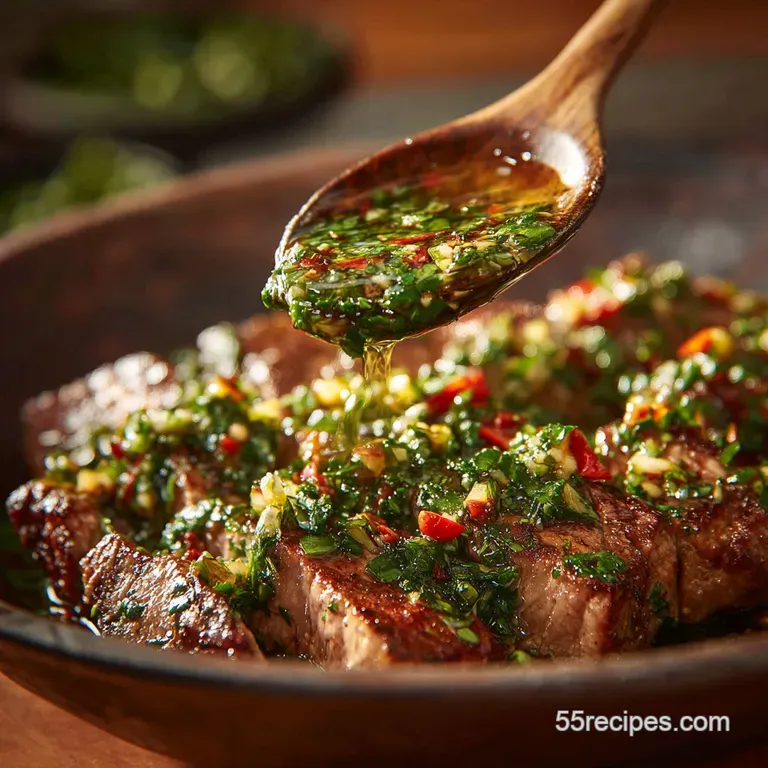
That unique, raw, electric scent of freshly chopped parsley and aggressive garlic hitting warm olive oil? That’s the smell of life in my kitchen, friend. Authentic chimichurri is the dazzling green jewel of South American cuisine, ready to cut through richness with pure, unapologetic brightness.
It's a chunky, rustic sauce that absolutely refuses to be ignored.
Seriously, forget those complicated, slow simmered sauces that chain you to the stovetop for hours. This Argentinian flavor bomb takes maybe 15 minutes of solid knife work, then you just let it chill out and do its thing.
It’s incredibly cheap, uses super basic ingredients, and yet somehow manages to make every single thing you pair it with taste gourmet.
I used to think chimichurri was just "herbs and oil," which is how I once accidentally blended it into a muddy, bitter swamp paste don't worry, I fixed it. Now, I know the precise balancing act that creates that perfect, vibrant, acidic punch.
Let’s dive into the simple, traditional method that guarantees success every single time.
The Science of Balance: Why This Chimichurri Recipe Delivers
What is Chimichurri and Where Does It Come From?
Chimichurri is a classic, uncooked condiment primarily from Argentina and Uruguay. It’s essentially a very herby vinaigrette, used extensively on anything cooked over fire. The name itself is up for debate some say it comes from "che mi curry," an English approximation of a request for sauce, but honestly, who cares?
It is brilliant.
It relies entirely on the quality and freshness of its raw components. Unlike pesto, which is often smoothed out with nuts and cheese, chimichurri stays aggressive.
Why Freshness is Non-Negotiable in This Sauce
Because chimichurri is completely uncooked, every ingredient has to pull its weight. Dull, wilted herbs will yield a dull, brown sauce, and nobody wants that. Always use the freshest flat leaf parsley you can find. The vibrant green color and sharp flavour define the sauce's success.
Defining the Essential Flavor Profile (Pungent, Bright, Acidic)
The holy trinity here is Pungency from the raw garlic, Brightness from the parsley and oregano, and a strong Acidic hit from the vinegar. If it tastes flat, it needs salt. If it tastes heavy, it needs more acid. It is truly that simple to adjust.
Achieving the Perfect Oil-to-Acid Ratio
We are working with a ratio of approximately 3:1 oil to vinegar. This is enough oil to bind the herbs and carry the flavour, but enough acid to ensure the sauce stays incredibly sharp. That sharpness is what cleanses your palate when you eat rich, fatty foods.
The Role of Finely Diced Herbs (Texture Over Smoothness)
The texture of great chimichurri should be rustic; you should still see distinct, finely chopped herb pieces. This is crucial. If you turn the herbs into a paste, you release too much chlorophyll, which leads to a slightly bitter flavour and that awful swampy appearance.
We are aiming for chunky, beautiful green confetti.
The Pungency Power of Raw Garlic and Oregano
Raw garlic is intense, obviously. That's why we don't just dump the oil in immediately. We use the red wine vinegar first, which starts a brief, mild pickling process that slightly tames the sharpness of the garlic and dried oregano. This activation step ensures your sauce has depth, not just raw heat.
Sourcing Quality: Ingredients for the Ultimate Chimichurri Sauce
Using high-quality ingredients matters more here than almost any other recipe, since there’s no cooking to mask mediocrity.
| Ingredient | My Recommendation | Quick Substitute |
|---|---|---|
| Flat Leaf Parsley | Italian/Flat leaf only, not curly | Fresh cilantro (for a different profile) |
| Red Wine Vinegar | Quality aged red wine vinegar | Sherry vinegar or fresh lemon/lime juice |
| Extra Virgin Olive Oil | Mild, fruity EVOO | Grapeseed or avocado oil (less traditional) |
| Fresh Oregano | Absolutely use fresh if possible | 1 tsp dried oregano, crumbled vigorously |
| Red Pepper Flakes | Fine flakes, or fresh minced chili | A dash of hot sauce (use sparingly) |
Parsley vs. Cilantro: The Definitive Herb Choice
For traditional chimichurri, it’s all about the parsley. Flat leaf is essential because it has a bolder flavour and a better texture when chopped. Cilantro is totally fine if you prefer it it makes a bright, zesty sauce but it is not the traditional Argentinian flavour.
The Vinegar Debate: Red Wine vs. Other Acids
Red wine vinegar is the champion here. It brings a robust, slightly tannic flavour that you won't get from standard white vinegar. Sherry vinegar is a great runner-up if you like a sweeter acid, but lemon juice should only be used as a last resort, or if you are specifically making a lighter, citrus based variation.
Optimizing the Heat: Choosing Your Chili Flakes
I love dried red pepper flakes for convenience and consistency. One teaspoon gives a nice background hum of heat without scorching anyone. If you want a deeper, fresher heat, finely mince half a small red bird's eye chili instead. Just remember the flakes will plump up as they hydrate in the oil.
Salt Quality Matters: Why Coarse Salt is Recommended
Always use a coarse salt, like Kosher or sea salt. Table salt is too fine; it dissolves too fast and you run the risk of oversaltling everything before the flavors have married. The bigger crystals allow you to feel the texture and control the salinity perfectly.
Mastering the Method: step-by-step Chimichurri Preparation
The Critical Art of Fine Chopping (Herb Prep)
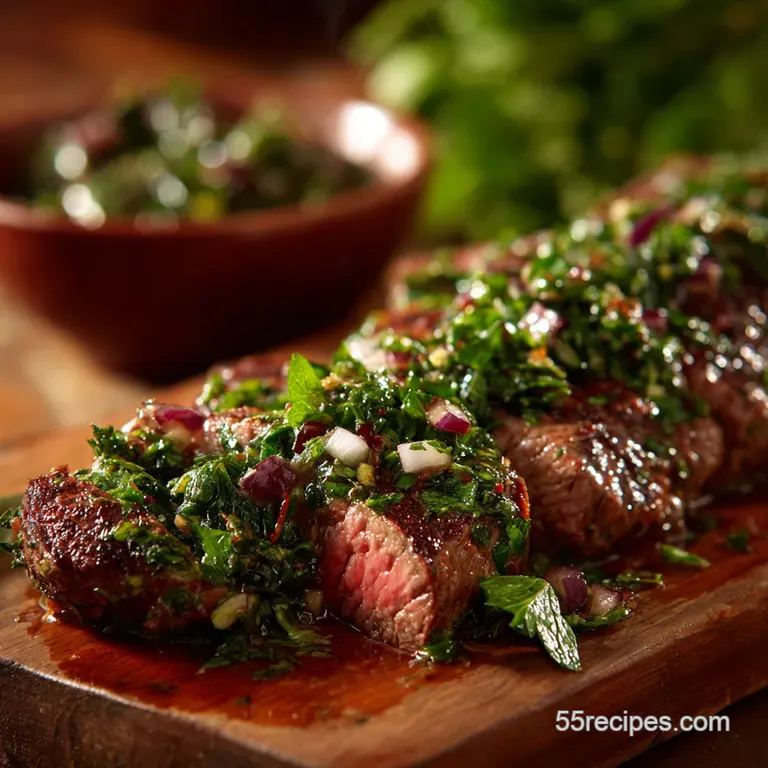
First, wash and dry your herbs like your life depends on it; wet herbs clump and spoil faster. Now, grab that sharp knife. We need to finely chop the packed cup of parsley and the fresh oregano leaves until they look like coarse sand not a slurry!
Put all those beautiful green bits into your mixing bowl along with the minced garlic, salt, pepper, and red pepper flakes. Give it a good stir.
Infusing the Oil and Activating the Dried Ingredients
This is the sneaky step that makes all the difference. Pour the red wine vinegar over the dry herb mixture now, before the oil. Stir it aggressively for a minute or two. Let it sit for five minutes. This quick soaking time activates the dried spices and partially mellows that raw garlic punch.
Chef's Note: Mixing the acid first helps the dried seasonings like oregano and chili flakes hydrate quickly, releasing their essential oils before the olive oil locks them down. This is the difference between good chimichurri and great chimichurri.
Blending and Resting: Developing Complex Flavors
Now, slowly drizzle the Extra Virgin Olive Oil into the herb mixture while you stir continuously with a whisk or fork. You’re not trying to create a full emulsion, but you do want the herbs evenly suspended throughout the oil. If the sauce looks too thick, a tablespoon of cold water will loosen it up nicely. Transfer this gorgeous green Sunshine in a Jar Best Chimichurri Sauce Recipe to an airtight container. Now you wait. Minimum 30 minutes, but two hours is absolutely perfect. The flavors need time to integrate and deepen.
Troubleshooting and Pro Tips for Vibrant Green Chimichurri
Avoiding the Blended Slurry: Why Hand Chopping is Key
Seriously, I tried to save time once using the food processor. It looked beautiful for about 30 seconds, then turned dark, bitter, and tasted like grass clippings. Do NOT put this in a food processor unless you want dark green soup. The coarse texture is critical for the authentic mouthfeel. If you need a chunky sauce to pair with something like our fantastic Easy & Juicy Chimichurri Sweet Tomatoes 00 Flour Pizza Dough Recipe: My Family's Favorite! , the knife is your best friend.
Adjusting Acidity After Resting
The acidity often drops slightly during the resting period because the herbs and garlic absorb some of the vinegar. Always, always taste it right before serving. If it tastes heavy or flat, add a tiny splash more vinegar or a pinch more salt.
It should make your cheeks tingle slightly that’s how you know it’s ready.
Reviving Dull Chimichurri
Sometimes, after a couple of days in the fridge, the color starts to fade a bit. To bring it back to life, stir in a fresh tablespoon of very finely minced parsley and a squeeze of fresh lemon juice right before serving. The boost of color and fresh acid works like a charm.
Storage Solutions: Maximizing the Shelf Life of Your Fresh Sauce
How Long Does Fresh Chimichurri Last in the Refrigerator?
If you keep your chimichurri sauce in an airtight container in the refrigerator, it will stay excellent for 5 to 7 days. The color will be brightest on day one, but the flavor is actually best on day two or three, once the ingredients have truly blended.
Always bring it to room temperature for about 15 minutes before serving.
Freezing Techniques for Long Term Preservation
Yes, you can freeze chimichurri! It freezes beautifully. The trick is to spoon it into ice cube trays, covering the top with a little extra olive oil if needed. Once frozen solid, pop the chimichurri cubes out and store them in a freezer bag. They will keep for up to 3 months.
To defrost, just place a cube in a small dish in the fridge overnight.
Signs Your Chimichurri Has Gone Bad
The first sign is usually the smell it will start to smell distinctly sour, beyond the natural acidic scent. Also look out for any visible mold or significant darkening and browning of the herbs. If in doubt, toss it out.
Beyond the Grill: Creative Ways to Utilize Homemade Chimichurri
Chimichurri isn't just for classic Argentinian fare. It’s incredibly versatile.
- Marinating: Use it as a vibrant marinade before you even start grilling. A quick 30 minute marinade works wonders.
- Bread Dip: Mix it into softened butter or sour cream for an incredible bread dip or baked potato topping.
- Eggs: It is transformative spooned over scrambled eggs or a simple fried egg.
- Pizza Sauce: Forget the red sauce sometimes! I use this as the base for a bright, bold pizza when I make my Easy & Flavorful Chimichurri Sweet Tomatoes Pizza Sauce Recipe .
- The Classic Pairing: Of course, it's mandatory when eating charcoal grilled skirt steak. If you want the definitive pairing, check out my recipe for the BBQ Beef Skirt Steak Chimichurri Blitz Recipe — it’s the perfect match.
Recipe FAQs
What are the main ingredients required for authentic chimichurri?
The core ingredients for authentic Argentinian chimichurri include finely chopped fresh parsley, dried oregano, minced garlic, olive oil, red wine vinegar, and red pepper flakes (aji molido). Purity is key, so avoid adding water or highly processed ingredients.
Can you briefly summarize the essential steps of the chimichurri recipe?
The preparation is straightforward: finely chop all the fresh herbs and garlic either by hand or using a food processor for minimal time. Whisk together the oil, vinegar, and seasoning in a bowl, then combine the liquids and solids thoroughly.
It is crucial to let the sauce rest for at least 30 minutes, or preferably overnight in the refrigerator, to allow the flavors to fully meld.
How spicy is traditional chimichurri, and can I adjust the heat?
Traditional chimichurri has a mild background heat, usually derived from dried red pepper flakes, which adds warmth rather than fiery spice. You can easily adjust the heat by reducing or eliminating the pepper flakes entirely, or conversely, adding a small amount of finely minced fresh jalapeño or serrano pepper for a greater kick.
What are the best uses for chimichurri beyond serving it with steak?
Chimichurri is incredibly versatile and excels as a finishing sauce for nearly anything savory, including grilled chicken, lamb, and roasted vegetables. It also works beautifully as a marinade for firm tofu, a vibrant dressing for roasted potatoes, or even mixed into scrambled eggs.
How long will homemade chimichurri last, and can I freeze it?
Fresh chimichurri should be stored in an airtight container in the refrigerator, where it will maintain its peak vibrancy for up to five days. While freezing is possible, it can cause the herbs to soften slightly and dull the bright green color upon thawing, so it is best consumed fresh.
Why is my homemade chimichurri bitter or dark green?
Bitterness often occurs when herbs are over processed in a high speed blender, which "bruises" them and releases too much chlorophyll, giving it a grassy taste. To prevent this, always pulse the herbs briefly if using a machine, or use the traditional method of finely chopping everything by hand with a sharp knife.
Can I buy pre-made chimichurri, or should I always make it fresh?
While you might find decent pre-made versions in specialty markets or high end deli sections, the unparalleled flavor of chimichurri comes from the freshness of the herbs. For the truest, most vibrant flavor profile, making the sauce fresh at home using quality ingredients is highly recommended.
Essential Argentinian Chimichurri Sauce
Ingredients:
Instructions:
Nutrition Facts:
| Calories | 494 kcal |
|---|---|
| Protein | 3.1 g |
| Fat | 43.0 g |
| Carbs | 12.1 g |
