Arnold Palmer Drink: Silky and Refreshing
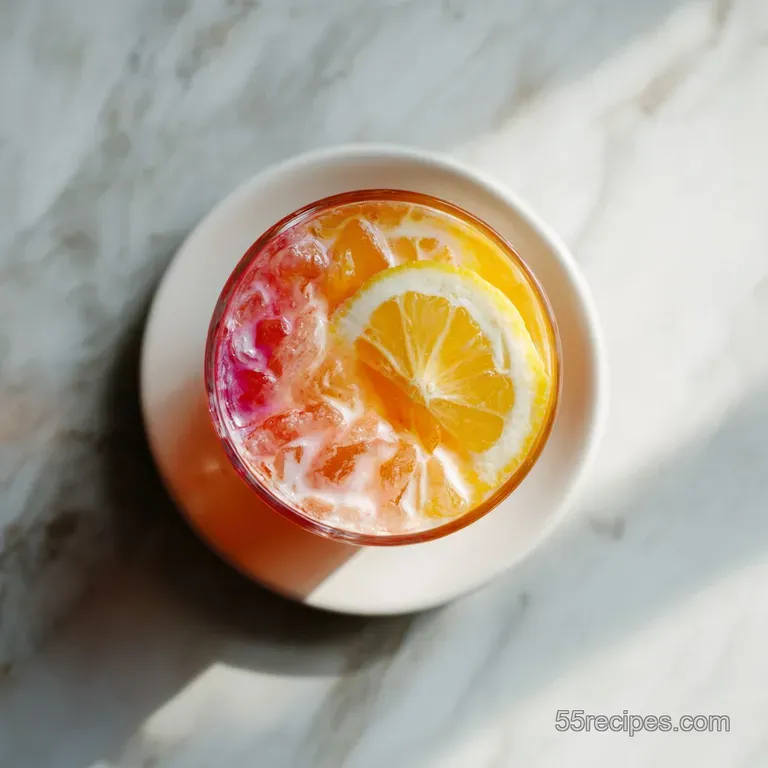
- Time: Active 15 minutes, Passive 5 minutes, Total 20 minutes
- Flavor/Texture Hook: Zesty, silky, and crisp
- Perfect for: Summer garden parties or a refreshing family afternoon treat
- Creating the Ultimate Arnold Palmer Drink Recipe
- The Secret Behind the Sip
- Important Drink Preparation Details
- Analyzing the Key Components
- Essential Tools for Brewing
- Mastering the Mixing Process
- Troubleshooting the Final Flavor
- Flavorful Variations to Try
- Best Storage and Preservation
- Presentation and Pairing Ideas
- Recipe FAQs
- 📝 Recipe Card
Creating the Ultimate Arnold Palmer Drink Recipe
Picture this: it’s a sweltering July afternoon, the kind where the air feels like a warm, wet blanket. I was sitting on my back porch, watching the condensation slowly track down the side of a glass, listening to the rhythmic clink clink of ice cubes hitting glass.
That first sip wasn't just cold; it was that specific, sharp zing of fresh lemon followed immediately by the mellow, earthy hug of black tea. It’s the ultimate porch swing companion.
We’ve all had those versions that are either way too sugary or so tart they make your eyes water, but this particular arnold palmer drink recipe finds that "just right" middle ground. I used to just dump tea and lemonade together from cartons, but honestly, it always tasted a bit flat and metallic.
Once I started making the base from scratch, I realized that the magic isn't just in the ingredients, but in how you treat the tea leaves and the lemon zest.
You don't need a professional barista setup to get this right. We're going to use simple, affordable ingredients that most of us already have in the pantry. By the time we’re done, you’ll have a pitcher of liquid gold that looks as good as it tastes.
Let's get into the nitty gritty of why this works so well.
The Secret Behind the Sip
Tannin Neutralization: A tiny pinch of baking soda reacts with the polyphenols in the tea, preventing that harsh, "furry" feeling on your tongue after you take a sip.
Cold Solubility: Dissolving the sugar into a warm syrup first ensures you never have gritty, undissolved granules sinking to the bottom of your cold glass.
Essential Oil Extraction: Steeping lemon zest directly in the hot syrup pulls out the bright, aromatic oils that juice alone simply cannot provide.
Dilution Control: Brewing the tea as a concentrate allows the ice cubes to melt slightly without turning your drink into tinted water.
| Method | Total Time | Flavor Depth | Best Occasion |
|---|---|---|---|
| Freshly Squeezed | 20 minutes | Vibrant, complex, floral | Weekend guests or special brunch |
| store-bought Mix | 2 minutes | One note, often very sweet | Quick hydration after lawn work |
| Cold Brew Tea | 12 hours | Ultra smooth, low acid | Planned meal prep for the week |
The choice between fresh and shortcut methods really depends on how much "citrus punch" you want. If you're in a rush, a high-quality bottled lemon juice works, but you lose those floral notes from the lemon zest.
If you have the extra 5 minutes to squeeze the fruit, the difference is honestly night and day for this arnold palmer drink recipe.
Important Drink Preparation Details
When we talk about the palmer drink recipe, precision matters more than you might think for such a "simple" beverage. We are aiming for a specific temperature of 200°F for the tea water.
If you go all the way to a rolling boil, you risk "scalding" the tea leaves, which releases extra bitterness that even the baking soda can't fully fix. Think of it as a gentle wake up call for the tea rather than a shock.
The ratio we are using here is a classic 1:1 of tea to lemonade components. This is the gold standard that the legend himself, Arnold Palmer, supposedly preferred. However, the strength of your tea concentrate is the real anchor.
We are using 5 bags for 4 cups of water, which is slightly stronger than your average cup of tea. This extra "oomph" ensures that the tea flavor actually stands up to the lemon juice rather than getting lost in the shuffle.
| Component | Science Role | Pro Secret |
|---|---|---|
| Black Tea | Provides structure and base | Use filtered water to keep the color clear and bright |
| Lemon Zest | Adds aromatic top notes | Peel in long strips to make straining easier later |
| Baking Soda | pH balancer | Only use a tiny pinch; too much makes the tea taste soapy |
| Granulated Sugar | Sweetness and mouthfeel | Weigh in grams (150g) for perfect consistency every single time |
Using 150g of sugar might seem like a lot, but remember we are making a large pitcher that will be heavily diluted with ice. The sugar doesn't just add sweetness; it provides "body" to the drink, giving it a velvety texture that feels more substantial than plain water.
Analyzing the Key Components
Let's talk about the stars of the show. For the tea, I always reach for a high-quality black tea like English Breakfast or a standard Orange Pekoe. You want something robust. If the tea is too delicate, like a Darjeeling, the lemon will absolutely bully it. The goal is a drink recipe that feels balanced and refreshing.
- Filtered water (4 cups): Why this? Removes chlorine tastes that can ruin the delicate aroma of the tea leaves.
- Black tea bags (5 bags): Why this? Provides the necessary tannins and caffeine base for the traditional flavor profile.
- Baking soda (0.125 tsp): Why this? Chemically smoothens the tea, making it incredibly easy to drink without sugar overload.
- Lemon juice (1 cup): Why this? Freshly squeezed provides the citric acid "snap" that defines the drink.
- Granulated sugar (150g): Why this? The cleanest sweetener that doesn't mask the tea's natural earthy notes.
- Water for syrup (1 cup): Why this? The medium for creating the concentrated citrus simple syrup base.
- Lemon zest (2 lemons): Why this? Contains the oils that provide the "smell" of fresh lemons.
| Original Ingredient | Substitute | Why It Works |
|---|---|---|
| Granulated Sugar | Honey (3/4 cup) | Adds floral notes. Note: Will make the drink slightly cloudier |
| Black Tea | Green Tea | Lighter, grassy flavor. Note: Steep at 175°F instead of 200°F |
| Lemon Juice | Lime Juice | Creates a "Limeade Palmer" with a sharper, more tropical edge |
Essential Tools for Brewing
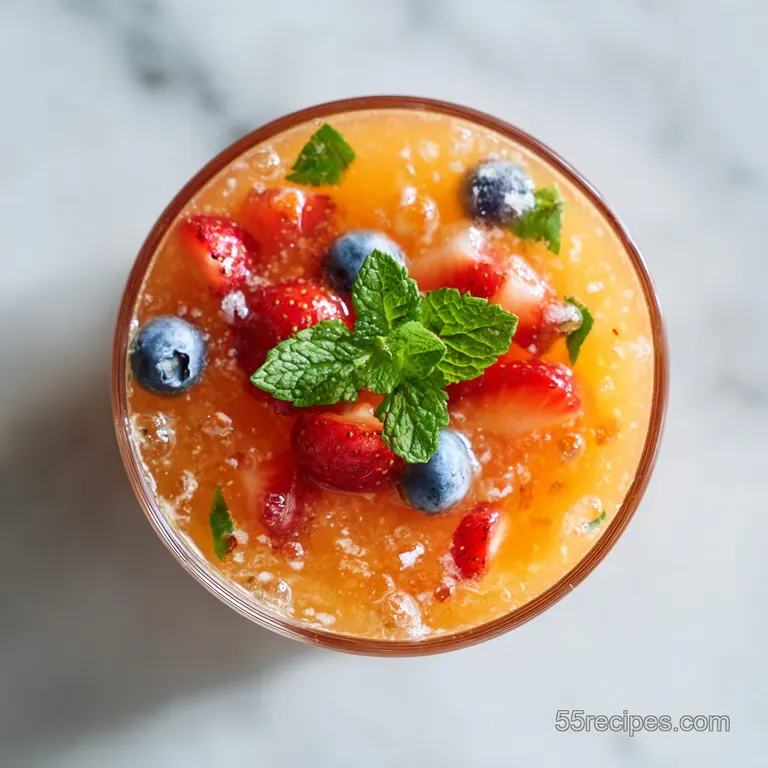
You don't need a fancy laboratory, but a few specific items make this drink recipe much easier. First, a small saucepan is essential for the simple syrup. You want something that heats evenly so you don't scorch the sugar. I usually use a 1.5 quart stainless steel pan.
Second, a large glass pitcher is better than plastic. Plastic tends to hold onto flavors from previous drinks (nobody wants a hint of last week's garlic heavy iced tea). Plus, seeing the beautiful amber layers of a homemade arnold palmer drink through clear glass is half the fun.
A fine mesh strainer is also a must have to catch those zest strips and any stray lemon seeds.
Chef's Tip: If you don't have a thermometer, watch the water until small "fish eye" bubbles start rising to the surface. That’s usually right around 190°F to 200°F.
Finally,, make sure you have plenty of ice. This drink relies on a rapid chill to lock in the freshness of the lemon juice. If you pour warm tea over a few measly cubes, they'll melt instantly and you'll end up with a lukewarm, watery mess. I always fill my glasses to the brim with ice before pouring.
Mastering the Mixing Process
- Bring 4 cups of filtered water to approximately 200°F (93°C) in a kettle or pot.
- Remove from the heat immediately and stir in the 0.125 tsp of baking soda until the slight fizzing stops. Note: This prevents the tea from clouding as it cools.
- Add the 5 black tea bags to the hot water.
- Steep for exactly 5 minutes, then remove the bags gently without squeezing them. Note: Squeezing the bags releases bitter tannins you don't want.
- Set the tea concentrate aside to cool to room temperature.
- In a small saucepan, combine 150g sugar, 1 cup of water, and the zest strips from 2 lemons.
- Heat over medium, stirring occasionally until the liquid is clear and the sugar is gone.
- Strain the zest out of the syrup and whisk the syrup into 1 cup of fresh lemon juice in your pitcher.
- Pour the cooled tea into the lemon mixture and stir until the colors are perfectly swirled.
- Fill tall glasses with 2 cups of ice, pour the drink over, and garnish with mint and lemon wheels.
Troubleshooting the Final Flavor
Why Your Drink Is Bitter
If your arnold palmer drink recipe tastes like it's drying out your mouth, you probably over steeped the tea. Five minutes is the sweet spot. If you go to ten, the tea becomes "stewed." Another culprit could be squeezing the lemon juice too hard, which gets the bitter white pith oils into the juice.
To Fix a Cloudied Appearance
Cloudy tea usually happens because of a rapid temperature change or high mineral content in your water. If your tea looks murky, you might have skipped the baking soda or put the hot tea directly into the fridge. Let it cool on the counter first.
If it's already cloudy, sometimes adding a splash of boiling water can clear it right up.
| Problem | Root Cause | Solution |
|---|---|---|
| Gritty Texture | Undissolved sugar | Always use simple syrup instead of stirring sugar into cold liquid |
| Weak Flavor | Too much ice melt | Use larger ice cubes or freeze tea into "tea cubes" |
| Too Sour | Lemon variety | Add an extra tablespoon of syrup. Note: Meyer lemons are sweeter than Lisbons |
Common Mistakes Checklist
- ✓ Using "bottled" lemon juice from a plastic lemon (it has a chemical aftertaste).
- ✓ Boiling the tea bags (this makes the tea taste like burnt toast).
- ✓ Forgetting to wash the lemons before zesting (removes wax and pesticides).
- ✓ Using old tea bags that have been sitting in the pantry for two years.
- ✓ Squeezing the tea bags (this is the number one cause of bitterness).
Flavorful Variations to Try
If you want to turn this into an arnold palmer cocktail recipe, it is incredibly easy. Just add 1.5 ounces of high-quality vodka or bourbon per glass. The tea and lemon act as the perfect mixer for a "Spiked Palmer." If you're feeling fancy, you can even look at how a Lychee Martini handles fruit balance for more inspiration on using tropical syrups in your tea.
The Sparkling Palmer
For those who love a bit of fizz, swap out the 4 cups of filtered water for 2 cups of extra strong tea concentrate and top the finished glasses with chilled sparkling water or club soda. It gives the easy arnold palmer drink a sophisticated, soda fountain vibe that is great for parties.
Low Carb/Keto Swap
You can easily make this sugar-free by replacing the 150g of granulated sugar with an equal volume of Allulose or a Monkfruit blend. Be careful with Stevia, as it can sometimes emphasize the bitterness of the tea. Since we're making a syrup, Allulose is the best bet because it thickens slightly just like real sugar.
Scaling for a Crowd
- DOWN (1-2 servings): Use 2 tea bags and reduce all other ingredients by two thirds. Use a small glass jar for the syrup.
- UP (12+ servings): Double the tea and lemon juice, but only use 1.5x the sugar and spices. Large batches of tea can get "syrupy" if you double the sugar exactly.
- For Parties: Make the tea and lemon syrup base separately. Let guests mix their own ratio if they prefer it "more tea" or "more lemon."
Best Storage and Preservation
This arnold palmer drink recipe from scratch is best enjoyed within 24 to 48 hours. After that, the fresh lemon juice starts to lose its bright "ping" and can taste a bit oxidized. Keep it in a sealed glass pitcher in the back of the fridge, which is the coldest spot.
If you find yourself with leftovers, don't throw them out! Pour the mixture into ice cube trays and freeze them. You can use these "Palmer cubes" in your next batch so that as they melt, they actually add flavor instead of diluting it.
You can also use the leftover lemon rinds (the ones you squeezed) to clean your garbage disposal or toss them into a pot of simmering water with a cinnamon stick to make your kitchen smell incredible.
Presentation and Pairing Ideas
To get that restaurant quality look, garnish is everything. I like to slap the mint sprigs against my wrist before putting them in the glass this "wakes up" the aromatic oils so you smell the mint with every sip. It's a small trick that makes a huge difference.
This drink pairs beautifully with salty, savory snacks. Think about serving it alongside a Refreshing Ginger Margarita at a summer party for a "his and hers" beverage station. The earthy tea notes also cut through the richness of fried chicken or a buttery grilled cheese sandwich perfectly.
Debunking Kitchen Myths
One big myth is that you need to use "sun tea" methods for the best flavor. While sun tea is nostalgic, it's actually a breeding ground for bacteria because the water never gets hot enough to sanitize. The stovetop method we used is faster, safer, and gives you much better control over the extraction.
Another misconception is that the quality of the ice doesn't matter. If your freezer ice tastes like "old fridge," your drink will too. If you're making this for a special occasion, buy a bag of purified ice or make your own using filtered water.
It seems like a small thing, but it’s the difference between a good drink and a truly refreshing one.
Whether you're making this for a quiet afternoon or a big family reunion, this refreshing arnold palmer drink is a classic for a reason. It's simple, honest, and hit the spot every single time. Grab your favorite tall glass, find a patch of shade, and enjoy the fruits of your very minimal labor!
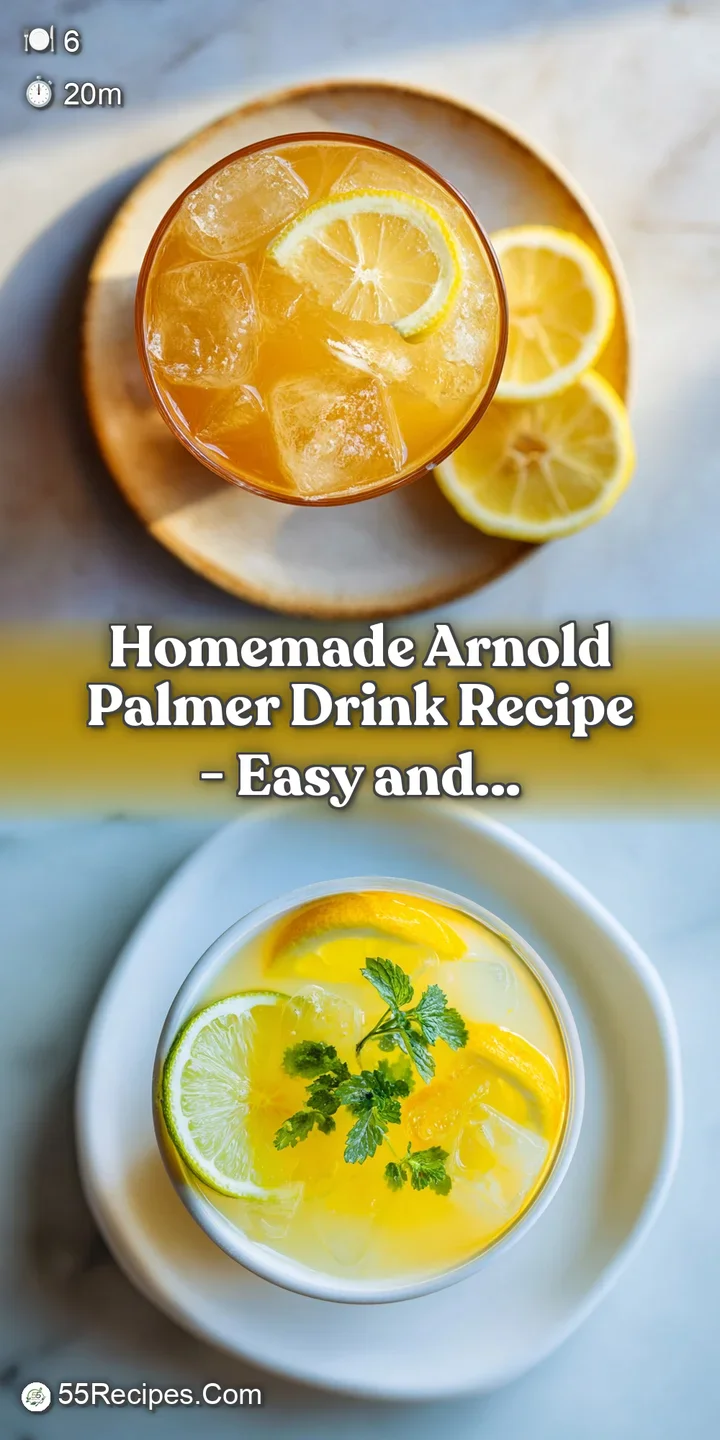
Recipe FAQs
What are the ingredients of an Arnold Palmer?
Use only black tea, lemon juice, sugar, and water. The drink is a precise blend of 4 cups of steeped black tea, 1 cup of freshly squeezed lemon juice, and a simple syrup made from 150g of sugar, 1 cup of water, and lemon zest.
What liquor is in Arnold Palmer spiked?
None, technically. An Arnold Palmer is by definition a non-alcoholic beverage; adding liquor changes the classification of the drink entirely.
What's the difference between an Arnold Palmer and a John Daly drink?
The inclusion of vodka. While an Arnold Palmer is non-alcoholic, a John Daly incorporates vodka into the same tea and lemonade base.
What is an Arnold Palmer with vodka called?
It is known as a John Daly. Adding a spirit transforms the classic mocktail into a spiked cocktail variation.
How to ensure the tea doesn't taste bitter?
Steep the tea bags for exactly 5 minutes before removing them. Over steeping releases excess tannins, but if you loved the sweet tart balance achieved here, see how we use the same acid technique in our Refreshing Rose Lemonade.
Is it true that I should use boiling water for the tea?
No, this is a common misconception. Use water at approximately 200°F (93°C) to protect the delicate leaves and ensure a smooth, balanced flavor profile.
How to achieve a perfectly smooth sweetener base?
Heat the sugar, water, and lemon zest in a saucepan over medium heat until fully dissolved. This creates a citrus infused simple syrup that incorporates seamlessly into the cold tea and lemon juice mixture.
Homemade Arnold Palmer Drink
Ingredients:
Instructions:
Nutrition Facts:
| Calories | 106 kcal |
|---|---|
| Protein | 0.2 g |
| Fat | 0.1 g |
| Carbs | 28.5 g |
| Fiber | 0.2 g |
| Sugar | 26.1 g |
| Sodium | 26 mg |
