Homemade Yellow Curry Paste Masterclass
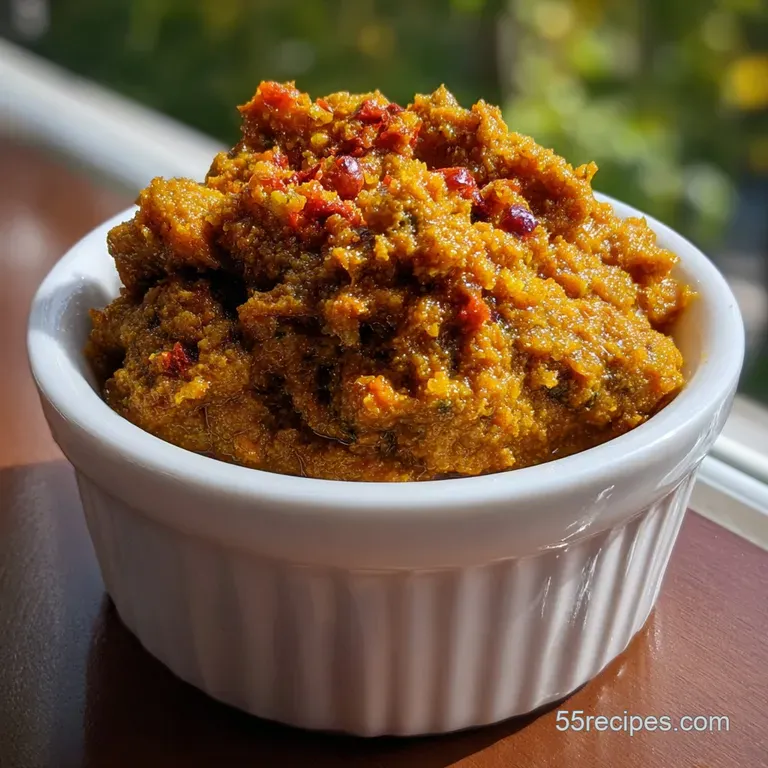
- Effort/Time: 30 minutes / Low-tool intensity
- Flavor Hook: Sun-bright turmeric meets earthy cumin and toasted coriander
- Perfect for: Weekend meal-prep, affordable family dinners, and freezer-stocking
- The Molecular Synergy of Aromatics
- Precision Metrics and Performance Benchmarks
- The Alchemy of Umami: Selecting Your Elements
- Essential Minimalist Toolset
- Execution Protocol: The Atomic Steps
- Troubleshooting Your Paste Texture and Flavor
- ⚗️ The Scaling Lab: Physics of Quantity
- Common Culinary Myths
- Storage Dynamics and Zero Waste Philosophy
- Serving and Application Architecture
- Recipe FAQs
- 📝 Recipe Card
There is nothing more heartbreaking than spending $30 on fresh galangal and turmeric only to end up with a bitter, fibrous sludge that ruins your dinner. I remember my first attempt at a yellow curry paste; I didn't toast the seeds and used a blunt food processor blade.
The result was a gritty, muted mess that tasted more like wet lawn clippings than the vibrant, sun-drenched flavors I craved. It was a waste of money and a massive blow to my kitchen confidence.
I destroyed at least five batches of this paste before I realized that heat and friction are just as important as the ingredients themselves. I used to think "pounding" was an unnecessary workout, so I’d just toss everything into a blender with water.
The physics of it failed every time the water diluted the essential oils, and the blades merely chopped the fibers instead of crushing the cells. Learning the secrets to a perfect yellow curry paste changed everything.
The secret to a world class yellow curry paste lies in Volatile Oil Liberation and Cellular Shearing. By dry-toasting spices, we trigger the Maillard reaction, transforming raw seeds into nutty, complex aromatics.
When we crush the fresh aromatics with sea salt, the abrasive crystals act like microscopic sandpaper, rupturing cell walls to release the juices. This creates a velvety, mahogany hued concentrate that sizzles and pops the moment it hits hot oil.
Mastering this foundational yellow curry paste ensures better results than any jarred product.
The Molecular Synergy of Aromatics
- Volatile Oil Liberation: Heat breaks down the cell structures in 2 tbsp coriander seeds and 1 tbsp cumin seeds, allowing fragrant oils to reach the surface for maximum impact.
- Abrasive Emulsification: Using 1 tsp sea salt during the grinding process provides the friction necessary to shear through the tough fibers of lemongrass and galangal, essential for smooth yellow curry paste.
- Curcumin Fat-Solubility: The 2 tbsp fresh turmeric requires heat and fat to activate its flavor and color; without proper preparation, it stays earthy and medicinal in the finished yellow curry paste.
- Capsaicin Hydration: Soaking the 12 dried red spur chilies ensures they blend into a smooth paste rather than leaving sharp, leathery shards in your curry.
Precision Metrics and Performance Benchmarks
| Feature | Stovetop Toasting (Traditional) | Oven Roasting (Alternative) |
|---|---|---|
| Speed | 3 5 minutes | 10 12 minutes |
| Control | High; immediate sensory feedback (scent/color) | Medium; prone to hot spots and sudden burning |
| Outcome | Uniform mahogany color, intense surface oils | Deeper, smokier notes but less bright aroma |
Decision Shortcut: If you want X, do Y If you want the brightest, most floral aroma, use a heavy granite mortar and pestle to crush the aromatics by hand, achieving the ideal texture for this yellow curry paste.
If you want an easy, quick fix batch, use a high powered Vitamix blender but add the minimum liquid possible to avoid dilution when making your yellow curry paste.
If you want a deeper, earthy profile, toast your whole spices until they are two shades darker than raw for a darker final paste.
- 1. Seed Toasting
- 4 minutes over medium heat until the 1 tsp whole white peppercorns smell pungent and sharp.
- 2. Chili Hydration
- 15 minutes in hot water until the 12 dried red spur chilies are completely pliable and translucent.
- 3. Paste Consistency
- The final yellow curry paste should stick to a spoon without dripping, showing a fine, uniform texture.
The Alchemy of Umami: Selecting Your Elements
| Ingredient | Chemical/Physical Role (Science) | The Pro Secret (Why This Matters) |
|---|---|---|
| 2 tbsp Coriander Seeds | Essential oil (linalool) release | Provides the citrusy, floral backbone that balances the heat. |
| 2 tbsp Fresh Turmeric | Curcuminoid pigment and flavor | Why this? Fresh roots offer a peppery, ginger like brightness that dried powder lacks. |
| 1 tbsp Shrimp Paste | Glutamate rich fermentation | Acts as an umami anchor, deepening the savory floor of the dish. |
| 12 Dried Red Chilies | Capsaicin delivery and color | Why this? Spur chilies provide a vibrant red-orange hue without overwhelming heat. |
When you are ready to use this concentrate, it pairs perfectly with the techniques found in this How to Cook recipe for a fast weeknight meal utilizing your incredible yellow curry paste.
- 2 tbsp fresh galangal
- Use 1 tbsp fresh ginger + 1 tsp lemon juice. Galangal is piney and sharp; ginger is spicy and sweet.
- 1 tbsp shrimp paste (Kapi)
- Use 1.5 tbsp White Miso Paste. Note: Miso provides similar salt/umami but lacks the fermented seafood funk.
- 1/2 cup shallots
- Use 1/2 cup red onion. Red onion is slightly more sulfurous but provides the necessary moisture and sweetness.
- 3 tbsp lemongrass
- Use 1 tbsp lemon zest. You lose the woody depth but retain the essential citral oils.
Essential Minimalist Toolset
For this Simple Yellow Curry Paste, you don't need a kitchen full of gadgets. A Lodge Cast Iron Skillet is the best tool for even heat distribution when toasting seeds.
For the grinding, a heavy granite Mortar and Pestle is the gold standard because it crushes rather than cuts. If you're in a rush, a Cuisinart Mini Prep Food Processor works, but you must mince the 3 tbsp lemongrass extremely fine beforehand to ensure quality results from your yellow curry paste.
Avoid using plastic bowls or spoons. The 2 tbsp fresh turmeric contains intense pigments that will permanently stain porous materials. Stick to stainless steel, glass, or heavy stone.
If you do use a blender, have a silicone spatula ready to scrape down the sides frequently to ensure every garlic clove and shallot is pulverized into the base.
Execution Protocol: The Atomic Steps

- Soak the 12 dried red spur chilies in hot water for 15 minutes until soft and pliable to the touch.
- Toast 2 tbsp coriander seeds, 1 tbsp cumin seeds, and 1 tsp peppercorns in a dry skillet for 4 minutes until a nutty aroma fills the room.
- Grind the toasted seeds into a fine powder until no whole husks remain.
- Drain the chilies and pound them with 1 tsp sea salt until a smooth, red paste forms. Note: Salt provides the friction needed to break the chili skins.
- Add 3 tbsp sliced lemongrass and 2 tbsp minced galangal, pounding until the woody fibers disappear into the mash.
- Incorporate 1 tbsp ginger and 2 tbsp fresh turmeric, continuing to pound until the color shifts to a bright, glowing gold.
- Mash in 1/2 cup minced shallots and 1/4 cup garlic cloves until the mixture becomes wet and glossy.
- Stir in 1 tsp ground cinnamon and 1/2 tsp freshly grated nutmeg until the spices are evenly distributed.
- Fold in 1 tbsp shrimp paste until the paste is uniform in color and pungent.
- Store in an airtight glass jar until ready to sizzle in hot coconut milk.
Troubleshooting Your Paste Texture and Flavor
Why Your Paste is Fibrous
If you find long, woody threads in your curry, it’s usually due to the lemongrass or galangal. These aromatics have high cellulose content. If you don't slice them paper thin against the grain before grinding, the mortar and pestle can't break them down effectively.
| Problem | Root Cause | The Fix | Pro Protocol |
|---|---|---|---|
| Gritty Texture | Under toasted or coarsely ground spices | Regrind dry spices separately before adding wet aromatics | Use a dedicated coffee grinder for seeds |
| Muted Flavor | Using old, oxidized dry spices | Use whole seeds and toast immediately before grinding | Buy spices from high turnover bulk bins |
| Too Bitter | Burnt garlic or over toasted cumin | Watch for "popping" seeds; remove from heat immediately | Keep the skillet moving constantly |
If your base is too thick or dry, you can look at the hydration methods in this Tomato Paste Chefs recipe for inspiration on how to manage moisture levels in concentrates like this yellow curry paste.
⚗️ The Scaling Lab: Physics of Quantity
- The 1.5x Spice Rule: When doubling this Yellow Curry Paste Recipe, only use 1.5x the amount of 1 tsp ground cinnamon and 1/2 tsp nutmeg. These warming spices are incredibly potent; doubling them linearly can lead to an "eggnog" flavor that overpowers the fresh aromatics.
- Evaporation Mechanics: If you choose to sauté a large batch of paste to "bloom" it for storage, remember that a larger volume in the same pan reduces surface area relative to weight. This means moisture takes longer to escape, and you risk steaming the aromatics instead of frying them. Batch fry for the best results when preparing large quantities of this wonderful yellow curry paste.
- Thermal Mass: A double batch of cold aromatics (shallots/garlic) from the fridge will significantly drop your skillet temp. Let them reach room temperature for 15 minutes before grinding to ensure the oils flow easily.
Common Culinary Myths
- Myth: "Dried turmeric is just as good as fresh."
- Truth: Fresh turmeric has essential oils and a floral moisture that dried powder lacks. The powder is mostly for color and earthiness, whereas fresh provides a complex, ginger like zing that elevates the final yellow curry paste.
- Myth: "A food processor makes better paste than a mortar."
- Truth: Blades "cut" cells, while a pestle "crushes" them. Crushing releases significantly more aromatic oils and creates a natural emulsion that holds together better in the pan, which is why the mortar is king for authentic yellow curry paste.
Storage Dynamics and Zero Waste Philosophy
- Fridge
- Store in a glass jar with a thin layer of oil on top for up to 2 weeks. The oil creates an airtight seal that prevents oxidation.
- Freeze
- Spoon into ice cube trays (approx. 2 tbsp each). Once frozen, transfer to a heavy duty freezer bag for 4 months. This allows you to grab exactly what you need for a single meal of Thai or Malaysian cuisine enhanced by this yellow curry paste.
- Reheating
- Never "reheat" the paste alone. Always sizzle it in a tablespoon of oil or the "cream" from the top of a coconut milk can to wake up the fat-soluble flavors locked within your yellow curry paste.
💡 ZERO WASTE TIP: Don't discard the lemongrass tops and the turmeric peels. Transform: Simmer the tough lemongrass tops in water for a refreshing tea or broth base. Science: Even the woody parts contain citral and geraniol, which are highly water soluble and provide immense fragrance even if they are too tough to eat. Use the turmeric peels in a quick Speedy Chickpea Curry recipe to add a subtle golden hue to the cooking liquid.
Serving and Application Architecture
The beauty of Homemade Yellow Curry Paste is its versatility. For a Classic Chicken Yellow Curry, sear your protein first, set it aside, and then "fry" 3 tablespoons of the paste in the fat left in the pan until the smell is intoxicating.
This ensures the Maillard reaction continues during the final assembly. The superior flavor profile of this yellow curry paste will shine through.
If you are looking for a Golden Seafood Medley, whisk the paste into full fat coconut milk before adding delicate fish or shrimp. This prevents the seafood from overcooking while the paste "blooms." For a vegan twist, use this paste with roasted cauliflower and chickpeas; the earthy spices provide a "meaty" depth that satisfies even the most dedicated carnivores.
This Authentic Yellow Curry Paste is your ticket to affordable, flavorful, and family friendly meals that beat the restaurant version every time.
Recipe FAQs
how to make yellow curry paste?
The secret is Volatile Oil Liberation and Cellular Shearing. Dry-toast whole spices, then crush fresh aromatics with sea salt to rupture cell walls for maximum flavor release.
how to make yellow curry paste with curry powder?
No. Do not use pre-ground curry powder. Pre-ground spices have lost their volatile oils; you must toast whole seeds for depth and brightness.
how to make yellow curry paste from scratch?
Use a heavy mortar and pestle for the best texture. Abrasive friction breaks down tough fibers like lemongrass, allowing juices to emulsify evenly.
- Slice lemongrass thinly first
- Pound salt with chilies for friction
- Avoid adding water during grinding
how to make yellow curry paste with coconut milk?
Coconut milk is for cooking, not paste making. Adding liquid dilutes the essential oils, preventing the creation of a vibrant, concentrated base paste.
how to make yellow curry paste thai?
Use fresh galangal and soak the dried chilies first. Thai pastes rely on fresh, fibrous aromatics which need thorough crushing (shearing) to integrate properly with the spices.
What is the crucial step for vibrant color?
Curcumin requires fat solubility activation. Turmeric's color compounds are fat-soluble, meaning you must sauté the finished paste in oil to fully unlock its bright, sun-drenched hue.
Myth Buster: Does searing the paste too long ruin it?
Myth: Searing the paste too long burns the spices. Reality: You must sauté until fragrant to liberate volatile oils; scorching garlic is the risk, not the paste itself, which benefits from initial high heat.
Homemade Yellow Curry Paste

Ingredients:
Instructions:
Nutrition Facts:
| Calories | 72 kcal |
|---|---|
| Protein | 3.0 g |
| Fat | 1.5 g |
| Carbs | 14.3 g |
| Fiber | 3.6 g |
| Sugar | 0.6 g |
| Sodium | 620 mg |
