How to Toast Walnuts Perfectly
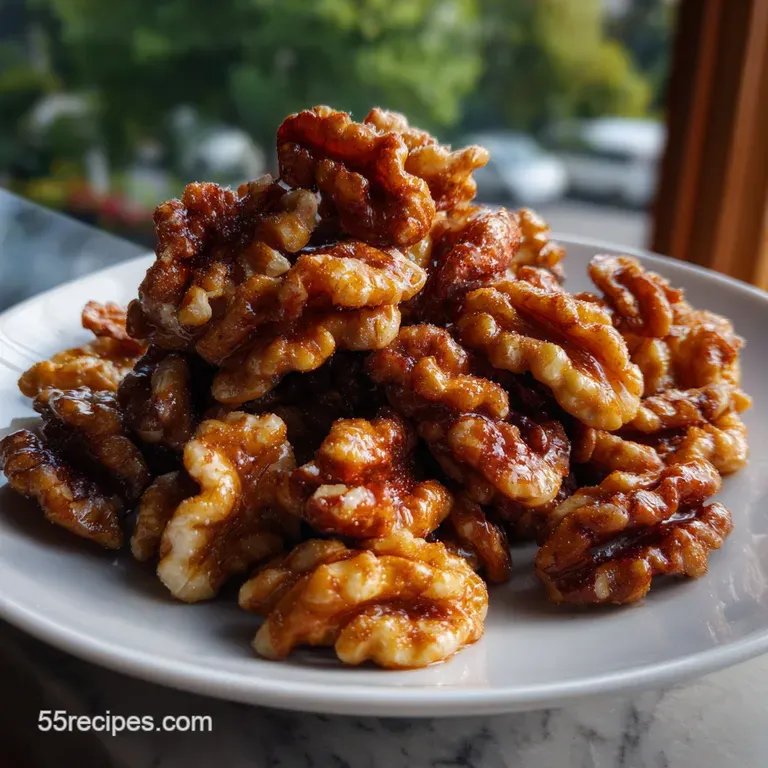
- Effort/Time: 15 minutes total, minimal active work.
- Flavor Hook: Rich, earthy, and buttery with a savory-salt finish.
- Perfect for: Salads, holiday baking, or high-protein snacking.
- The Chemical Metamorphosis: Why Learning how to toast walnuts Changes Everything
- Harnessing Thermal Energy: The Science of why it Works
- Precision Metrics: Time, Temperature, and Mass Checkpoints
- The Chemistry of Crunch: Essential Ingredients and Tool Selection
- Thermal Distribution Tools: The Equipment Masterlist
- The 10 Step Precision Roasting Protocol
- Troubleshooting the Maillard Process: Why Results Vary
- ⚗️ The Scaling Lab: Physics of Quantity
- Debunking Common Walnut Myths
- Flavor Architecture: Creative Variations
- Storage and Zero Waste Philosophy
- Masterful Serving Suggestions: Toasted Walnuts for Salad and Beyond
- Recipe FAQs
- 📝 Recipe Card
The Chemical Metamorphosis: Why Learning how to toast walnuts Changes Everything
There is nothing more frustrating than spending $15 on a bag of premium organic nuts only to have them turn into bitter, blackened charcoal because you looked away for sixty seconds.
I’ve been there standing over a smoking tray of acrid ash, realizing that I just ruined the centerpiece of my Waldorf salad and wasted a significant chunk of my grocery budget.
The emotional toll of a failed batch is real, especially when you’re hosting a family dinner and that "nutty crunch" you promised is now a burnt mess.
Early in my cooking journey, I was the "vulnerable expert" who thought high heat was a shortcut to flavor. I destroyed three consecutive batches of expensive halves by cranking the oven to 400°F, thinking I could finish in five minutes. I didn't understand the physics of nut fats.
Walnuts are high in polyunsaturated oils that have a very low smoke point; they don't just brown they combust. It took a dozen ruined trays before I realized that patience is the primary ingredient in any successful attempt to toast walnuts.
Understanding how to toast walnuts correctly is vital for texture.
The secret isn't just heat; it's the Maillard reaction. This chemical process occurs when amino acids and reducing sugars react under thermal stress, creating hundreds of new flavor compounds.
By keeping the temperature at a steady 350°F, we allow moisture to evaporate from the cellular structure of the nut. This creates a "shatter crisp" texture and a deep, mahogany colored finish that tastes like butter and toasted wood.
The result is a sensory payoff of crackling sound and a heady, room filling aroma that raw nuts simply cannot provide. Mastering how to toast walnuts unlocks this sensory potential.
Harnessing Thermal Energy: The Science of why it Works
- Lipid Migration: Heat decreases the viscosity of internal oils, forcing them to the surface for a more uniform "fried" texture.
- Tannin Neutralization: High temperature exposure breaks down the astringent polyphenols in the skin, removing the "mouth drying" bitterness. This is a key goal when you learn how to toast walnuts.
- Moisture Evaporation: Removing internal water molecules changes the nut's structure from flexible and waxy to brittle and crunchy.
- Volatile Aroma Release: Thermal energy excites essential oil molecules, turning dormant scents into potent, airborne fragrances.
Precision Metrics: Time, Temperature, and Mass Checkpoints
To achieve professional results, we must move away from guesswork and rely on specific numeric indicators. When you decide to toast walnuts, consistency is your best friend. Learning the proper time metrics for how to toast walnuts prevents scorching.
- Thermal Target: 350°F (177°C). This is the "Goldilocks" zone where browning happens without rapid lipid oxidation.
- Temporal Limit: 10 minutes. Most domestic ovens will achieve full moisture evaporation and Maillard browning within this window.
- Mass Ratio: 2 cups (200g) of raw halves per standard 13x18 inch baking sheet to ensure even airflow.
The Chemistry of Crunch: Essential Ingredients and Tool Selection
| Ingredient | Chemical/Physical Role (Science) | The Pro Secret (Why This Matters) |
|---|---|---|
| 2 cups Walnut Halves | High lipid content provides the base for the Maillard reaction | Larger halves toast slower than pieces, offering a more forgiving window. |
| 1 tbsp Neutral Oil | Acts as a heat transfer medium for even browning | Using Chosen Foods Avocado Oil prevents premature smoking due to its high heat tolerance. |
| 0.5 tsp Fine Sea Salt | Osmotic pressure balancer and flavor enhancer | Diamond Crystal Kosher Salt sticks better to the oily surface than table salt. |
Ingredient Selection and Substitutions
2 cups (200g) raw walnut halvesWhy this? Halves provide more surface area for the Maillard reaction than small bits.Substitute: Pecan halves.
Trade off: Pecans have higher sugar content and will brown approximately 2 minutes faster.
1 tbsp (15ml) neutral oilWhy this? Oil conducts heat into the crevices of the nut more efficiently than dry air. This is crucial for successful how to toast walnuts.Substitute: Melted Ghee.
Trade off: Adds a rich, toasted milk flavor but can burn if the oven exceeds 350°F.
0.5 tsp (3g) fine sea saltWhy this? Sodium ions suppress bitterness and amplify the perception of sweetness.Substitute: Tamari or Soy Sauce (1 tsp).
Trade off: Adds deep umami but increases moisture, requiring 2 extra minutes of roasting.
Thermal Distribution Tools: The Equipment Masterlist
Using the right gear is as important as the technique itself. I prefer the Nordic Ware Natural Aluminum Half Sheet because aluminum is an excellent heat conductor, ensuring no hot spots.
A dark colored pan will absorb more radiant heat and likely burn the bottom of your nuts before the tops are toasted. The pan choice dramatically affects the outcome of how to toast walnuts.
- Lodge Cast Iron Skillet: Best for the stovetop method (if not using the oven).
- Parchment Paper: Prevents sticking and makes cleanup a five second task.
- Stainless Steel Mixing Bowl: Essential for tossing the nuts in oil to ensure 100% coverage.
The 10 Step Precision Roasting Protocol
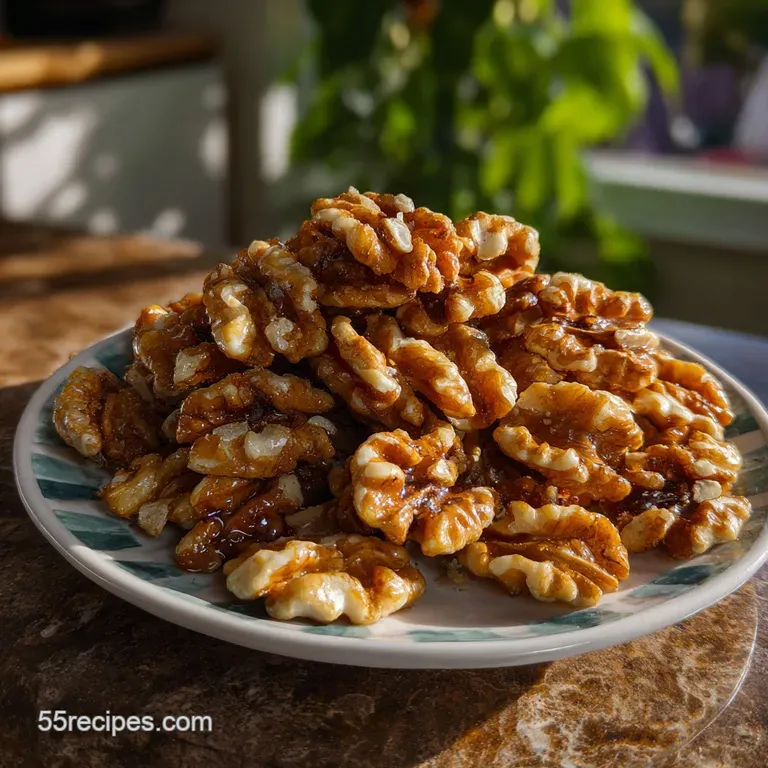
- Preheat the oven to 350°F. Note: Ensures immediate moisture evaporation upon entry.
- Inspect 2 cups (200g) walnut halves for shell fragments. Note: Prevents dental mishaps.
- Toss walnuts in a bowl with 1 tbsp neutral oil. Note: Creates a thin lipid barrier for even browning.
- Sprinkle 0.5 tsp fine sea salt over the oiled nuts. Note: Oil acts as an adhesive for the seasoning.
- Spread the walnuts onto a Nordic Ware Baking Sheet in a single layer. Note: Crowding causes steaming instead of roasting.
- Slide the tray onto the center rack. Note: Maximizes even convection airflow.
- Roast for 5 minutes until the kitchen begins to smell faintly of toasted bread.
- Agitate the pan by shaking it vigorously. Note: Rotates the nuts to expose different surface areas to heat.
- Continue roasting for 3 5 minutes until the nuts are a deep mahogany and "hiss" slightly.
- Transfer immediately to a cold plate. Note: Stops the "carryover cooking" from the hot metal pan.
Chef's Tip: To deepen the flavor profile for desserts, add a pinch of espresso powder to the oil before tossing. The bitterness of the coffee mimics the charred notes of the walnut without actually burning them. This is an advanced move in how to toast walnuts.
Troubleshooting the Maillard Process: Why Results Vary
Why Your Walnuts Are Bitter
When learning how to toast walnuts, the most common pitfall is over extraction of oils. If the heat is too high, the polyunsaturated fats oxidize, creating a soapy or acrid aftertaste. This is often confused with the natural bitterness of the skin, but it is actually a sign of chemical degradation. This technique is similar to achieving the perfect sear in my How to Cook Steak recipe; precision timing is everything. Following the steps for how to toast walnuts prevents this outcome.
| Problem | Root Cause | The Fix | Pro Protocol |
|---|---|---|---|
| Blackened bottoms | Dark baking pan | Use light aluminum | Use a silicone mat to insulate |
| Soggy/Chewy | Crowded pan | Spread in single layer | Check oven calibration |
| Uneven Color | No agitation | Shake pan at 5 mins | Use a convection fan setting |
Stovetop vs. Oven Comparison
| Method | Speed | Evenness | Best For |
|---|---|---|---|
| Oven | 10 minutes | High (360° heat) | Bulk batches / Baking |
| Stovetop | 5 minutes | Low (Contact heat) | Quick salad toppings |
| Air Fryer | 6 minutes | Medium | Energy efficiency |
⚗️ The Scaling Lab: Physics of Quantity
When you need to double or triple this recipe, the laws of thermodynamics change. You cannot simply double the time. Mastering how to toast walnuts in large batches requires understanding thermal mass.
- The Evaporation Paradox: If you double the batch (4 cups) on a single tray, you increase the local humidity. The nuts will steam before they toast. Reduce added oil by 10% and increase the time by 3 4 minutes to allow that extra moisture to escape.
- Thermal Mass Recovery: Adding 400g of cold nuts to a 350°F oven will drop the internal temperature by up to 25°F. Expect a longer "recovery time" before the Maillard reaction begins.
- Pan Crowding: If you must double the recipe, use two separate baking sheets on different racks. Swap their positions halfway through to ensure the bottom tray doesn't remain under cooked.
Debunking Common Walnut Myths
Myth: You should wash walnuts before toasting to clean them. Truth: Introducing external moisture leads to "steaming," which destroys the cellular structure and results in a soft, mealy nut rather than a crisp one. The dryness is essential to how to toast walnuts.
Myth: Toasted walnuts last forever in the pantry. Truth: Toasting accelerates the oxidation of fats. Once toasted, the shelf life drops significantly compared to raw nuts.
Flavor Architecture: Creative Variations
Savory Rosemary & Garlic
After toasting, while the nuts are still hot, toss with 1 tsp of dried rosemary and a pinch of garlic powder. The residual heat will bloom the rosemary oils, creating a sophisticated snack. This savory profile is a fantastic side for a Juicy How to recipe dinner.
Sweet Maple & Cinnamon Twist
Replace the neutral oil with 1 tbsp of maple syrup. The sugars will caramelize into a glass like coating. Warning: Syrup burns much faster than oil; reduce oven temp to 325°F and check at 7 minutes. This is basically the "powdered sugar" of the nut world; if you love DIY pantry staples, check out my How Do You recipe for homemade sweeteners.
Storage and Zero Waste Philosophy
- Cooling: Never store warm nuts. The residual steam will get trapped in the container, turning your "shatter crisp" walnuts into soggy mush within an hour.
- Fridge: Store in a glass jar for up to 2 weeks. The cold slows down lipid oxidation.
- Freezer: Toasted walnuts freeze beautifully for up to 3 months. Since they have very little water content, they don't "freeze solid" and can be used directly from the bag.
💡 ZERO WASTE: Don't discard the "nut dust" or small broken bits at the bottom of your bag. Transform: Collect the fragments and pulse them in a blender with a little olive oil. Science: You’ve just created a toasted walnut butter.
The high fat content (20.6g per serving) makes it a rich, emulsified spread that is packed with protein and flavor.
Masterful Serving Suggestions: Toasted Walnuts for Salad and Beyond
Knowing how to toast walnuts is only half the battle; knowing where to use them is where the joy happens. These aren't just for snacking. Utilizing the knowledge of how to toast walnuts allows for greater versatility.
- Texture Contrast: Toss them into a soft goat cheese salad to provide a "shatter" effect against the velvety cheese.
- Gourmet Breakfast: Top your morning oatmeal with a handful of warm, toasted halves to add 4.3g of protein per serving and a satisfying crunch.
- Pesto Base: Swap expensive pine nuts for toasted walnuts in your next batch of pesto. The toasting process provides a deeper, earthier base that stands up better to strong basil and garlic.
By mastering the subtle art of the 10 minute roast, you’re not just cooking; you’re practicing flavor chemistry. Whether you're making a batch to toast walnuts for a holiday gift or just a Tuesday night salad, remember: follow your nose, keep the heat steady, and always, always pull them out thirty seconds before you think they're done.
Happy roasting!
Recipe FAQs
how do you make toasted walnuts?
Spread walnuts single layer on a sheet pan with a light oil coating. Roast at 350°F (177°C) for 8 10 minutes, shaking the pan halfway through for even browning. The key is controlled thermal energy to evaporate moisture. If you enjoyed mastering precise temperature control here, see how the same principle works in How to Make Tahini Silky Smooth Ready in 15.
how do you make roasted walnuts?
Use 350°F for 8 to 10 minutes, utilizing convection if possible. Roasting uses dry heat to trigger the Maillard reaction, which builds hundreds of complex flavor compounds. Always remove nuts from the hot pan immediately to stop carryover cooking.
how to toast walnuts in oven?
Spread nuts thinly on an aluminum baking sheet. The oven must be preheated to 350°F (177°C) to ensure immediate moisture escape upon entry. This rapid start prevents a steamed texture. Always use a light colored pan to reflect radiant heat.
how to toast walnuts for a recipe?
Toast them just until the aroma is strong and the color is mahogany brown. Toasting neutralizes astringent tannins in the skin, improving flavor complexity for incorporation into baked goods or toppings. You should transfer them off the hot pan right away to prevent spoilage.
Can I toast walnuts in a skillet instead of the oven?
Yes, the stovetop method is faster but requires constant attention. Contact heat is intense and leads to burning if you look away for even a moment; use medium low heat for 5 minutes, shaking continuously. For a comparison in heat management, see the precision required in How to Bake Brussels Sprouts Seriously Crispy Easy.
Why do my toasted walnuts taste bitter?
Excessive heat caused polyunsaturated fatty acid oxidation. High temperatures degrade the delicate oils before the desirable browning can occur, resulting in an acrid, soapy taste. This rapid degradation also happens when fat is overheated during pasta sauce preparation.
- Lower the oven temperature to 350°F
- Ensure nuts are in a single layer
- Use a light aluminum sheet pan
Myth Buster: Does toasting change the nutritional value significantly?
Myth: Toasting removes valuable Omega-3 fatty acids. Reality: The minimal loss of heat sensitive micronutrients is offset by the increase in antioxidant bioavailability created by the Maillard reaction. Cooking to high heat, like in our How Do You Make Pasta My Silky Homemade Recipe, doesn't destroy essential nutrition; it transforms texture and flavor compounds.
How To Toast Walnuts Fast
Ingredients:
Instructions:
Nutrition Facts:
| Calories | 204 kcal |
|---|---|
| Protein | 4.3 g |
| Fat | 20.6 g |
| Carbs | 3.9 g |
| Fiber | 1.9 g |
| Sugar | 0.7 g |
| Sodium | 169 mg |
