The Essential Simple Syrup from Glaze to Garnish Master Your Sugar Work
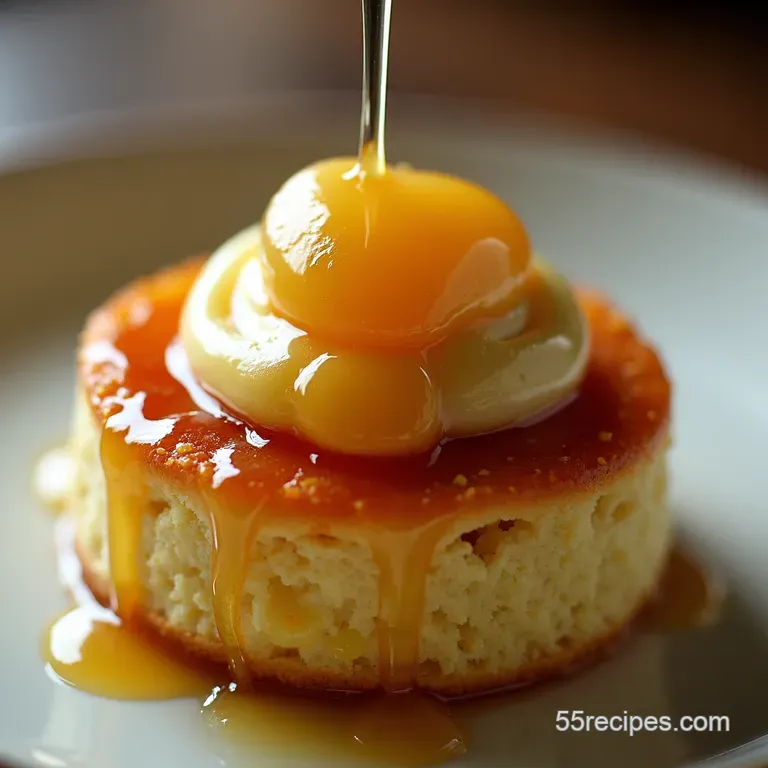
- The Essential Simple Syrup: From Glaze to Garnish, Master Your Liquid Foundation
- Why Mastering This Recipe Elevates Every Bake and Beverage
- Blueprint for Brilliance: Precisely Measuring Your Sugar Syrup Components
- The Alchemy of Heat: Step-by-Step Guide to Perfecting Your Simple Syrup
- Extended Shelf Life: Best Practices for Storing Your Homemade Sugar Syrup
- Flavor Infusions: Elevating Your Base Liquid Gold with Aromatics
- Troubleshooting Common Syrup Setbacks
- Recipe FAQs
- 📝 Recipe Card
The Essential Simple Syrup: From Glaze to Garnish, Master Your Liquid Foundation
Forget those grainy, inconsistent sauces! This recipe demystifies the process of making perfect sugar syrup . Whether you need a thin, pourable syrup for brushing over cakes (a secret weapon for ultimate moistness!), a medium thick base for homemade cordials, or a robust syrup for preserving those glorious summer berries, this guide covers the critical ratios and visual cues you need.
Think of this as your Master Class in Liquid Gold. Making this foundational element is remarkably easy, rating low on the difficulty scale it requires minimal active cooking time and just two primary ingredients.
The nuance lies only in judging the final consistency, which we will make crystal clear through precise methodology. This process yields approximately 1.5 cups (350 ml) of syrup, depending on the final simmer time.
Why Mastering This Recipe Elevates Every Bake and Beverage
A well crafted sugar syrup recipe is not just a sweet addition; it’s an architectural component in high level cooking and mixology. When you apply a brush of this warm, liquid gold to a cake, you are locking in moisture that otherwise evaporates, resulting in a vastly superior texture.
In the world of drinks, the ability to create a balanced simple syrup recipe means the difference between a harsh, overly sweet cocktail and a perfectly harmonious beverage.
This liquid foundation dictates the mouthfeel and flavor integration in everything from a morning coffee enhancement to the perfect sugar syrup for cocktails .
Understanding the fundamentals means you control the final product entirely, ensuring consistent, professional results every time you reach for the saucepan.
Unlocking the Versatility of Perfect Sugar Syrup Ratios
The magic of this versatile preparation lies entirely in the sugar syrup ratio . For the standard application perfect for general beverage mixing or a light glaze we rely on the classic 1:1 ratio: one part sugar to one part water (using 1 cup of granulated white sugar to 1 cup of water, or 200g to 240ml).
This mixture creates a versatile simple syrup recipe that is easily incorporated into cold drinks without needing excessive stirring. However, if you are aiming for something intended to preserve fruit, like sugar syrup for canning peaches , or to create a glaze that adheres beautifully, you will need to employ a richer ratio, often 2:1 (two parts sugar to one part water).
This thicker composition offers less dilution and a more stable texture when cooled.
Beyond Basic: Why Consistency is the Secret Ingredient
Achieving the right consistency determines the syrup's ultimate purpose. A thin sugar syrup (the 1:1 version, cooked briefly) will be excellent for soaking layers of sponge cake, where quick absorption is key, or for use in delicate iced tea infusions.
Conversely, a thick sugar syrup requires a longer simmer to allow water evaporation, concentrating the sugars. This heavier viscosity is what you need when creating rich dessert sauces or when you need a syrup that won't immediately dissolve upon contact with cold ingredients.
Knowing precisely when to stop cooking is the secret that separates a satisfactory syrup from a brilliant one.
A Quick Start Guide for Immediate Culinary Success
For those eager to begin immediately, the basic prep time is negligible about 2 minutes for measuring. The active cooking time is flexible, ranging from a mere 5 minutes for a thin mixture up to 15 minutes if you are aiming for a very high concentration.
Using a heavy bottomed saucepan is vital here to ensure even heat distribution and prevent the sugars from scorching on the base, which can ruin the clarity. We recommend having a wooden spoon or whisk ready for the initial dissolution phase and a fine mesh sieve on standby if you plan on incorporating any aromatics.
Blueprint for Brilliance: Precisely Measuring Your Sugar Syrup Components
Precision in measurement is the first step toward success. For our standard yield, we measure 1 cup (200g) of refined white sugar and 1 cup (240ml) of water. While the simplicity might suggest otherwise, utilizing filtered water can contribute to a cleaner final flavor, especially if you are making sugar syrup for drinks where the water profile is more pronounced.
If you opt for a 2:1 rich syrup, remember to adjust the water measurement down accordingly, ensuring you maintain the correct proportion relative to your sugar amount.
Selecting Quality Components: Water Purity and Sugar Types
Standard granulated white sugar is the ideal choice because its uniform crystal size dissolves predictably. Caster sugar is an acceptable substitute as it dissolves more readily, slightly reducing the initial cooking time. Ensure your water is fresh.
The Standard 1:1 Ratio and Optional Adjustments for Thickness
As established, the 1:1 ratio forms our baseline. If your goal is a syrup intended for use in baking applications where you need the sugar to penetrate the crumb deeply, this is perfect.
Should you desire a richer body for something like a homemade liqueur base, increase the sugar incrementally while holding the water constant. For example, 1.5 cups of sugar to 1 cup of water yields a noticeably denser result without venturing into candy territory.
Essential Tools: The Right Pot and Stirring Utensils
Always choose a saucepan with a heavy bottom. This feature minimizes the thermal shock that can cause sugars to seize and crystallize. A wooden spoon is preferable for the initial stirring phase, as metal utensils can sometimes introduce microscopic scratches that encourage crystallization on the pan walls.
Pre-Weighing: Ensuring Recipe Navigation Accuracy
Measure both your sugar and water before turning on the heat. This preparation is crucial because once the sugar begins to dissolve, you must transition quickly from stirring to simmering, leaving no time to measure water mid-process.
Having everything staged means you can focus entirely on the critical temperature and visual cues during the cooking phase.
Related Recipes Worth Trying
- How Do You Make Powdered Sugar My Easy Homemade Recipe — Ever wondered how do you make powdered sugar at home Its so easy This homemade confectioners sugar recipe needs just 2 ingredients and a blender Sorted Get...
- Dusting for Gold Easy How to Make Confectioners Sugar — Want lightasair icing sugar pronto This shows how to make confectioners sugar from granulated sugar using just two ingredients Perfect dusting sugar See how
- Easy Baked Donut Recipe CinnamonSugar Heaven — Skip the fryer with this easy baked donut recipe Light fluffy cinnamonsugar doughnuts ready in under 40 mins A perfect treat Get the recipe now
The Alchemy of Heat: step-by-step Guide to Perfecting Your Simple Syrup
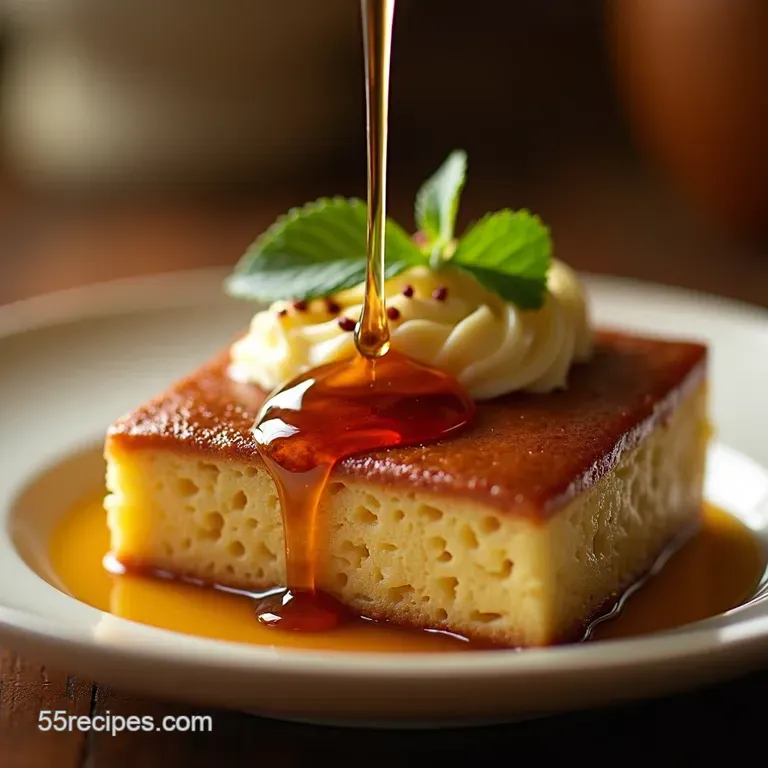
The process begins by combining your measured sugar and water in the prepared saucepan. If you are adding flavor elements that need to be boiled out such as lemon zest or ginger slices add them now. Next, place the pan over medium heat.
The initial phase requires gentle, continuous stirring with your whisk or wooden spoon. Keep stirring until the liquid transitions from opaque and grainy to perfectly translucent. This is the moment of complete sugar dissolution.
Crucial Turning Points: Knowing When to Stop Cooking
Once all sugar crystals have vanished, immediately cease stirring. This is the most critical step. Increasing the heat slightly brings the mixture to a gentle simmer, characterized by small, consistent bubbles breaking the surface.
If you are aiming for a standard sugar syrup for cocktails , simmer for only 2 to 3 minutes post simmer initiation; this slight reduction concentrates the sweetness marginally while keeping the liquid very fluid.
For anything requiring more body, like a poaching liquid, let it continue simmering for 5 to 7 minutes.
Achieving Clarity: Avoiding Crystallization During the Simmer
Once the mixture begins to boil, do not stir! Stirring at this stage introduces air and friction that can cause the supersaturated solution to crash out of suspension as hard crystals.
If you notice any residue forming high up on the sides of the pan, use a clean pastry brush dipped in cold water to gently wash the sides down into the liquid. This "washing" action removes stray sugar grains that would otherwise serve as nucleation points for crystallization.
The Cooling Protocol: Transitioning from Stove to Storage
After reaching your desired simmer time, immediately remove the pan from the heat source. If you are incorporating delicate flavorings like pure vanilla extract, stir them in now. Then, if you used any solids (zest, herbs), carefully strain the hot liquid through a fine mesh sieve into a clean, heatproof container.
Allowing the syrup to cool gradually is important. Pouring it into a wider, shallower container can speed up the cooling process, minimizing the time it spends at temperatures prone to crystallization.
Extended Shelf Life: Best Practices for Storing Your Homemade Sugar Syrup
When properly sterilized and stored, this homemade sugar syrup boasts an excellent shelf life. Once completely cooled, transfer the syrup into airtight glass bottles or jars. Stored in the refrigerator, a 1:1 ratio syrup will remain fresh for up to two to three weeks.
If you have made a richer 2:1 syrup, the higher sugar content acts as a greater preservative, potentially extending the usable life to a month or more. Always inspect for cloudiness or crystallization before use.
Flavor Infusions: Elevating Your Base Liquid Gold with Aromatics
Once you master the basic technique, flavor infusions open up endless possibilities for creating bespoke sugar syrup for drinks . A simple addition of fresh rosemary sprigs or whole cinnamon sticks during the simmer phase transforms the base.
Consider infusing with lime zest for tequila cocktails or star anise for richer, winter spiced beverages. Remember to strain these elements out before the cooling process begins to prevent over infusion, which can lead to bitterness.
Troubleshooting Common Syrup Setbacks
Even experts face the occasional grainy batch. If your syrup has cooled and seized into a crystalline mass, do not despair.
Reactivating Set Syrup: A Quick Revitalization Technique
If your syrup has crystallized, it means the balance was slightly off or it was agitated too much. The fix is surprisingly simple: return the crystallized mass to the saucepan with just a splash or two of fresh water. Heat gently over low heat, stirring slowly and persistently until the crystals dissolve again.
Adding a tiny squeeze of lemon juice (the acid) during this reheating process can help stabilize the solution.
Beyond Simple: Crafting Rich Syrups for Desserts
When preparing sugar syrup for cakes or a heavy glaze, remember the 2:1 ratio (2 parts sugar to 1 part water). This requires a longer simmer often 8 to 10 minutes after reaching a full boil to evaporate enough water.
This dense syrup clings better and provides superior moisture retention.
Temperature Testing: Determining Syrup Thickness Without a Thermometer
If you lack a candy thermometer but need to ensure you have reached a thick sugar syrup suitable for preserves, rely on the cold water test. Drop a small spoonful of simmering syrup into a glass of ice-cold water.
If the syrup holds its shape and forms a soft, pliable ball when fished out, it’s done. If it dissolves immediately, it needs more cooking time. This visual and tactile check is invaluable for achieving that ideal, slow pouring texture.
Recipe FAQs
How do I stop my Sugar Syrup from going grainy or crystallizing?
That's the classic kitchen nightmare! To avoid that gritty texture, ensure you stir constantly until all the sugar is fully dissolved before you let it boil. Once it's simmering, resist the temptation to stir that's when crystallization starts!
A tiny squeeze of lemon juice at the beginning also helps keep things stable.
What’s the difference between a 1:1 and a 2:1 ratio for syrup, and when should I use each?
A 1:1 ratio (equal parts sugar and water) makes a standard, thinner Simple Syrup, which is perfect for cocktails like Mojitos or drizzling lightly over a sponge cake. The 2:1 ratio (two parts sugar to one part water) creates a much thicker, sweeter syrup; use this when you need a heavy glaze or a base for preserving fruit so the moisture doesn't leech out too quickly.
How long does homemade Sugar Syrup last in the fridge, and how should I store it?
If you've made a standard 1:1 syrup, it should keep well in an airtight container in the fridge for about three weeks it’s essentially just sugar water! For longer storage, especially if you're preserving fruit, a thicker syrup holds up better.
Always use sterilized jars to give yourself the best shelf life.
Can I flavour my syrup with things other than vanilla, like herbs or citrus?
Absolutely! Adding flavour is where the fun begins; think of it like making your own bespoke cordial base. Toss in rosemary sprigs, star anise, or thick strips of lemon or orange zest while the syrup simmers. Just remember to strain out all solids before bottling, or the flavouring will over steep as it cools.
My syrup didn’t thicken up like I expected. What temperature should I aim for?
Thickness is all about evaporation, so timing matters more than temperature unless you're aiming for confectionery stages! For a syrup that just "coats the back of a spoon," five to seven minutes of gentle simmering is usually sufficient.
If it's too thin, just pop it back on the heat uncovered and let some water boil off but watch it like a hawk!
Master Sugar Syrup Ratios
Instructions:
Nutrition Facts:
| Calories | 80 kcal |
|---|---|
| Fat | 0g |
| Fiber | 0g |
