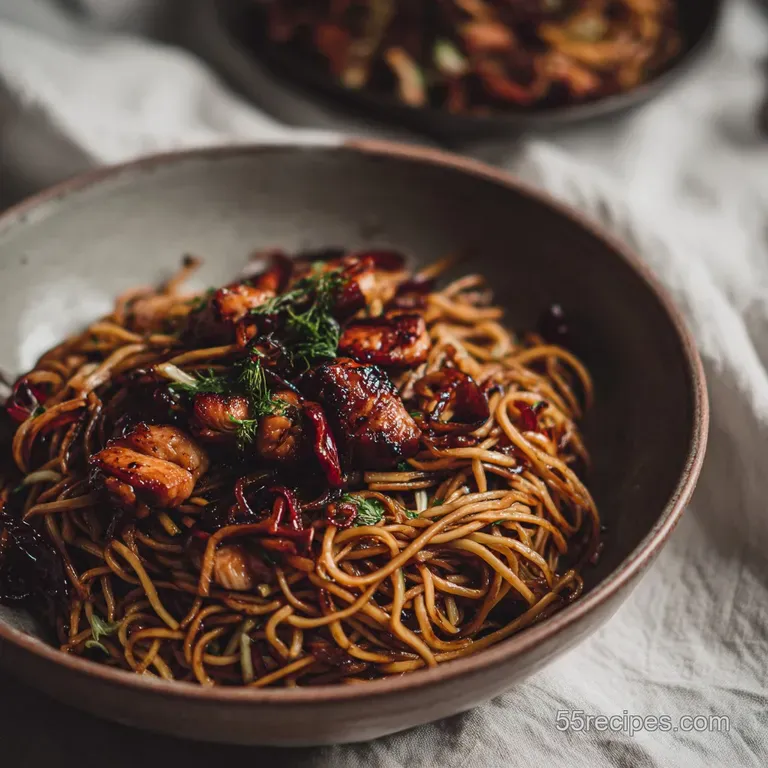
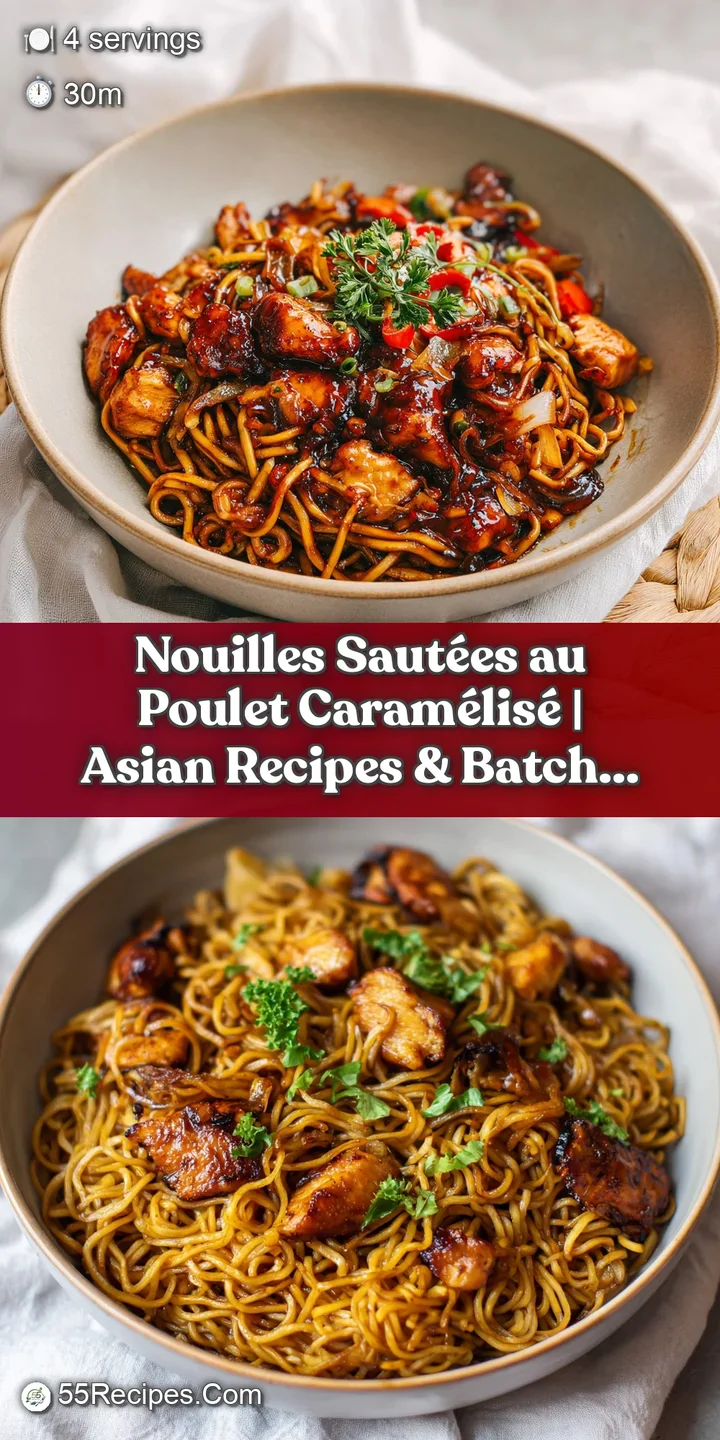
Nouilles Sautées Au Poulet Caramélisé: Sucré-Salé
- Time: Active 20 minutes, Passive 10 minutes, Total 30 minutes
- Flavor/Texture Hook: Sticky, sweet savory glaze with velvety chicken and snappy noodles
- Perfect for: Busy weeknights, budget-friendly family dinners, or meal prep beginners
- Mastering the Glossy Glaze of Nouilles Sautés au Poulet Caramélisé
- Why the Velvet Coating Changes Everything
- Breaking Down the Numbers for Your Perfect Stir Fry
- Selecting the Best Ingredients for an Authentic Home Experience
- The Essential Tools for Achieving Restaurant Quality Results
- Walking Through the Process of Creating Your Chicken Noodles
- Avoiding Common Pitfalls for the Best Possible Texture
- Adjusting Your Recipe for Different Needs and Preferences
- How to Store and Enjoy Your Leftover Stir Fry
- Complete Your Meal with the Perfect Sides and Garnishes
- CRITICAL in Sodium
- Recipe FAQs
- 📝 Recipe Card
Mastering the Glossy Glaze of Nouilles Sautés au Poulet Caramélisé
There is a very specific sound that happens when a hot pan meets a cold sauce, a sharp hiss that instantly fills the kitchen with the scent of toasted sugar and fermented soy. I remember the first time I actually got this recipe right.
I was hunched over a battered old skillet in my first apartment, trying to figure out why my chicken always ended up dry and my noodles always looked grey instead of that beautiful mahogany color you see in photos. I realized I was rushing the heat and skipping the coating.
The moment I slowed down and let the sugar actually bubble and darken, the whole dish transformed.
Now, whenever I make these Nouilles Sautés au Poulet Caramélisé, it feels like a victory over the expensive takeout menus. It’s a dish that relies on the contrast between the tender, velvet like texture of the chicken and the slight resistance of an al dente egg noodle.
You don't need a high pressure commercial burner to get that deep flavor. You just need a bit of patience with your pan and the right ratio of sugars to salts. It’s become my go to for Friday nights when the family is tired, the budget is tight, but we still want something that feels like a treat.
The real joy of this dish is how it feels in the mouth. It’s not just "salty" or "sweet." It’s a complex layering of umami from the soy, a sharp bite from the ginger, and that lingering warmth from the toasted sesame oil.
When you pull a forkful of these noodles up, they should be glistening, not swimming in a thin liquid. That stickiness is what we’re aiming for, a lacquer that coats the noodles so perfectly you don’t even need extra sauce at the table.
Why the Velvet Coating Changes Everything
Understanding the mechanics of your stir fry will take you from a confused cook to a confident one. It’s not about magic; it's about how heat interacts with your ingredients.
- The Starch Barrier: Cornstarch creates a thin, protective layer around the chicken fibers, preventing the proteins from tightening up and squeezing out their moisture.
- Sugar Carbonization: The combination of honey and brown sugar hits its caramelization point quickly, creating that signature "mahogany" color and sticky texture.
- Gelatinization of Sauce: As the cornstarch from the chicken mixes with the liquid soy sauce in the final stage, it creates a thick emulsion that binds to the noodles.
- Noodle Hydration: Undercooking the noodles by one minute ensures they finish their hydration inside the sauce, absorbing flavor rather than just being coated by it.
| Cooking Method | Time | Texture | Best For |
|---|---|---|---|
| Traditional Stovetop | 10 minutes | Maximum sear and "wok hei" | Getting that authentic, smoky flavor and crispy chicken edges |
| Sheet Pan Oven | 20 minutes | Softer, more uniform cook | Large batches where you don't want to stand over the stove |
| Electric Skillet | 15 minutes | Consistent heat, less char | Beginners who are worried about burning the sugar heavy sauce |
Using a stovetop method is almost always superior for this specific dish because the high, direct heat is what triggers the caramelization of the sugars. When you use an oven, the chicken tends to steam more than sear, meaning you lose that beautiful crust we're looking for.
However, if you're cooking for eight people instead of four, the oven can be a lifesaver even if you sacrifice a bit of that texture.
Breaking Down the Numbers for Your Perfect Stir Fry
When we talk about successful cooking, we have to look at the roles each component plays. This isn't just a list of items; it's a team where every player has a specific job to ensure the final result is balanced and flavorful.
| Component | Science Role | Pro Secret |
|---|---|---|
| Cornstarch | Moisture Retention | Toss the chicken until the starch disappears; it shouldn't look powdery |
| Dark Soy Sauce | Color & Depth | This provides the "mahogany" look; light soy alone will look pale |
| Rice Vinegar | Acid Balance | It cuts through the heavy sugar to prevent the dish from being cloying |
| Toasted Sesame Oil | Aromatic Finish | Never use this for frying; add it to the sauce for the scent |
The interaction between the dark soy and the sugars is what creates the "caramelized" effect. Dark soy sauce is aged longer and often has molasses added, which means it has a higher sugar content than regular soy sauce. When this hits the hot pan, it darkens almost instantly.
If you only have regular soy sauce, your dish will still taste good, but it won't have that deep, dark, professional look that makes people ask for the recipe.
| Servings | Chicken Amount | Noodle Amount | Pan Size |
|---|---|---|---|
| 2 People | 250g | 150g | 10 inch skillet |
| 4 People | 500g | 300g | 12 inch wok |
| 6 People | 750g | 450g | Two separate pans |
Cooking more than 500g of chicken in a single standard home skillet usually results in the meat boiling in its own juices rather than searing. If you are doubling the recipe, please work in batches. It takes five extra minutes, but the difference in texture is massive.
You want that "shatter" on the edges of the chicken, not a grey, rubbery bite.
Selecting the Best Ingredients for an Authentic Home Experience
Finding the right balance of ingredients is the key to a budget smart kitchen. You don't need the most expensive imported oils, but you do need to know where to spend your money and where to save it.
- 500g chicken breast: Sliced into thin 1 inch strips. Why this? It cooks fast and stays lean, perfect for over high heat searing.
- 1 tbsp cornstarch: Why this? The "velveting" secret that keeps the chicken from becoming tough.
- 0.5 tsp black pepper: Why this? Adds a subtle floral heat that cuts through the honey.
- 3 cloves garlic: Minced finely. Why this? The aromatic base that defines the savory profile.
- 1 tbsp fresh ginger: Grated. Why this? Adds a zingy brightness that dried ginger simply cannot replicate.
- 4 tbsp dark soy sauce: Why this? Essential for the deep color and rich, molasses like undertones.
- 2 tbsp light soy sauce: Why this? Provides the necessary saltiness without overwhelming the color.
- 2 tbsp brown sugar: Why this? Creates the tacky, caramelized texture when heated.
- 1 tbsp honey: Why this? Gives the sauce a glossy, mirror like finish.
- 1 tbsp rice vinegar: Why this? The acidity that balances the sweetness and "wakes up" the flavors.
- 1 tsp toasted sesame oil: Why this? The "restaurant smell" that ties the whole dish together.
- 300g dry egg noodles: Why this? They hold their shape and absorb the sauce without becoming mushy.
- 1 red bell pepper: Julienned. Why this? Adds a crunch and a pop of sweetness.
- 1 large carrot: Cut into matchsticks. Why this? Traditional texture and very budget friendly.
- 2 cups bok choy: Chopped. Why this? Adds a refreshing, watery crunch to balance the richness.
- 3 green onions: Sliced diagonally. Why this? Fresh garnish that adds a sharp, oniony bite.
- 1 tbsp toasted sesame seeds: Why this? Provides a tiny nutty crunch and visual appeal.
| Original Ingredient | Substitute | Why It Works |
|---|---|---|
| Dark Soy Sauce | Extra Light Soy + 1 tsp Molasses | Mimics the thickness and color. Note: Slightly more bitter. |
| Rice Vinegar | Apple Cider Vinegar | Similar acidity. Note: Adds a slight fruity note. |
| Egg Noodles | Linguine pasta | Similar shape and bite. Note: Cook 2 mins less than box instructions. |
| Chicken Breast | Chicken Thighs | More fat and flavor. Note: Takes 2-3 mins longer to sear. |
I've found that using chicken thighs is actually a great budget move because they are often cheaper and much harder to overcook. However, if you're using breast meat like the recipe calls for, the velveting step with the cornstarch becomes absolutely non negotiable.
Without it, the high heat of the pan will dry out the lean meat before the sauce has a chance to caramelize.
The Essential Tools for Achieving Restaurant Quality Results
You don't need a professional kitchen, but a few specific tools will make your life much easier when trying to achieve that perfect Poulet Caramélisé.
A heavy bottomed wok or cast iron skillet is your best friend here. Why? Heat retention. When you dump a pound of cold chicken into a thin, cheap pan, the temperature of the metal drops instantly. Instead of searing, the chicken starts to steam.
You want a pan that can hold its heat even when the ingredients are added. I personally use a 12 inch carbon steel wok, but a large Lodge cast iron skillet works just as well.
You'll also want a microplane or a fine grater for the ginger and garlic. If you chop them by hand, you often end up with large chunks of raw garlic which can be bitter. Grating them creates a paste that melts into the sauce, distributing the flavor evenly.
Finally,, a pair of long kitchen tongs is essential for tossing the noodles. Spatulas tend to break the noodles, while tongs allow you to lift and rotate them through the sauce, ensuring every strand is lacquered in that beautiful brown glaze.
Walking Through the Process of Creating Your Chicken Noodles
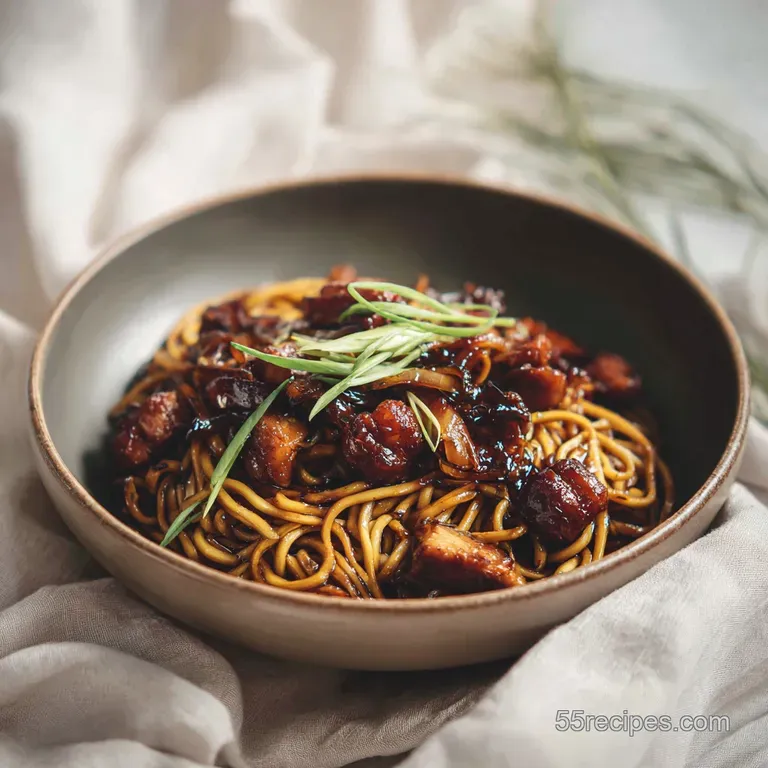
Right then, let's get into the actual cooking. This moves fast once you start, so have all your ingredients measured out and within arm's reach. We call this "mise en place," but I just call it "not burning the dinner."
- Whisk the sauce ingredients. Combine the dark soy sauce, light soy sauce, brown sugar, honey, rice vinegar, and toasted sesame oil in a small bowl. Stir until the sugar is fully dissolved. Note: If the sugar isn't dissolved, it might burn in spots rather than caramelizing evenly.
- Boil the noodles. Cook the dry egg noodles in boiling water for exactly 1 minute less than the package instructions. Note: This keeps them "al dente" so they don't turn into a pile of mush when added to the wok later.
- Prepare the chicken. Toss the sliced chicken breast with the 1 tbsp of cornstarch and 0.5 tsp black pepper. Note: Massage the starch in until you no longer see white powder; it should look like a thin, translucent film.
- Sear the meat. Heat your wok over high heat with a splash of neutral oil for 3 minutes. Add the chicken in a single layer and leave it alone for 2 minutes until a deep mahogany crust forms. Flip and cook for 1 more minute, then remove from the pan.
- Sauté the aromatics and veg. In the same wok, add the garlic, ginger, bell pepper, and carrots. Stir fry for 2-3 minutes until they are bright and crisp tender.
- Add the bok choy. Toss in the chopped bok choy for just 30 seconds. Note: The greens wilt fast, and we want to keep some of that structural crunch.
- Bring it all together. Return the chicken to the wok along with the drained noodles. Pour the prepared sauce over the entire mixture.
- The final toss. Toss everything continuously over high heat for 1-2 minutes until the sauce bubbles and transforms into a sticky lacquer.
- Garnish and serve. Remove from heat immediately once the sauce has thickened. Scatter the green onions and toasted sesame seeds over the top.
Chef's Tip: If you notice the pan getting too dry during step 8, add a tablespoon of the noodle cooking water. The starch in that water helps the sauce emulsify and keeps things from sticking to the bottom.
Avoiding Common Pitfalls for the Best Possible Texture
Even the best cooks have days where the noodles stick or the chicken feels like cardboard. It usually comes down to one of three things: heat, timing, or moisture.
Why Your Noodles Turn Into Mush
This is the most common heartbreak. If you cook the noodles fully in the water, they have nowhere to go but toward "overcooked" when they hit the sauce. They will continue to absorb liquid as they sit in the hot pan.
By undercooking them slightly in the water, you allow them to drink up the flavorful soy sauce instead of just plain water.
| Problem | Root Cause | Solution |
|---|---|---|
| Chicken is rubbery | Overcrowded the pan | Sear in two batches to maintain high heat |
| Sauce is watery | Too much moisture in veggies | Ensure veggies are dry before adding to the wok |
| Bitter flavor | Burnt garlic | Add garlic after the chicken is seared, not before |
Fixing a Thin, Watery Sauce
If you find that your sauce is just pooling at the bottom of the pan and not sticking to the noodles, your heat might be too low or you didn't use enough sugar/honey. The "caramelized" part of this recipe depends on the sugars reaching a specific temperature.
Increase the heat for the final 60 seconds of tossing; you should see the sauce start to bubble aggressively and then suddenly "grip" the noodles.
Common Mistakes Checklist
- ✓ Pat the chicken strips dry with a paper towel before tossing in cornstarch.
- ✓ Wait for the oil to shimmer or slightly smoke before adding the chicken.
- ✓ Don't stir the chicken immediately; let that crust form for at least 90 seconds.
- ✓ Use a "lifting" motion with tongs rather than a "smashing" motion with a spoon for the noodles.
- ✓ Slice your vegetables to a uniform thickness so they cook at the same rate.
Adjusting Your Recipe for Different Needs and Preferences
I love this recipe because it's so flexible. Whether you're trying to save money or trying to avoid gluten, there’s a way to make this work without losing that "soul satisfying" feeling.
If you are looking for a gluten-free version, the main hurdle is the soy sauce and the egg noodles. You can swap the soy sauce for Tamari (which is naturally gluten-free) and use rice stick noodles instead of egg noodles.
Just be careful with the rice noodles they only need a soak in hot water, not a full boil, or they will disintegrate in the wok.
For a vegetarian twist, you can replace the chicken with extra firm tofu or even thick slices of portobello mushrooms. If using tofu, press it for 20 minutes first to get all the water out, then follow the same cornstarch coating method.
It gets incredibly crispy and takes on the caramel sauce beautifully.
If you want...
- Extra Heat: Add 1 tbsp of Sambal Oelek or Sriracha to the sauce mixture.
- More Crunch: Toss in a handful of roasted peanuts or cashews at the very end.
- A Leaner Dish: Double the bok choy and halve the noodle portion to increase the fiber.
How to Store and Enjoy Your Leftover Stir Fry
Leftovers are a gift, but noodles can be tricky. Here is how I make sure day two lunch is just as good as the first night.
Storage: Keep the cooled leftovers in an airtight container in the fridge for up to 3 days. I don't recommend freezing this specific dish because the noodles tend to lose their structural integrity when thawed, turning quite mushy.
The chicken and veggies will freeze fine for up to 2 months, but it's best to eat this fresh.
Zero Waste Tip: Don't throw away those broccoli stalks or the white parts of the green onions. Slice the broccoli stalks into thin matchsticks and throw them in with the carrots they have a great crunch.
The white parts of the green onions should be sautéed with the garlic and ginger to build a deeper flavor base, while the green parts are kept fresh for the garnish.
Reheating: The microwave is okay, but for the best results, throw the leftovers back into a skillet with a tiny splash of water. Cover it for 2 minutes on medium heat. The steam will loosen the sauce and "revive" the noodles without making them greasy.
Complete Your Meal with the Perfect Sides and Garnishes
While this is a full meal on its own, sometimes you want a little something extra to round out the table.
I usually serve this with a side of smashed cucumber salad. The cold, vinegary crunch of the cucumbers is the perfect foil to the warm, sticky, and slightly heavy caramelized noodles. It resets your palate between bites.
If you want a more substantial side, some quick frozen potstickers that you pan fry while the noodle water is boiling make this feel like a full banquet.
For a drink pairing, I'm a big fan of a cold, crisp lager or even just a very bubbly sparkling water with a squeeze of lime. The acidity and carbonation help cut through the richness of the soy and honey glaze.
Honestly, though, most nights we just eat this straight out of the bowls while sitting on the couch, and it is absolutely the most flavorful way to end a long day. Trust me, once you see that sauce turn into a glossy lacquer on your own stovetop, you'll never look at a takeout menu the same way again.
It's affordable, it's fast, and it's genuinely joyful to cook. Enjoy!
CRITICAL in Sodium
1980 mg 1980 mg of sodium per serving (86% 86% of daily value)
The American Heart Association recommends a limit of about 2,300mg per day for most adults, with an ideal limit of about 1,500mg per day for most adults.
Tips to Reduce Sodium
-
Reduce Soy Sauce-20%
Significantly lower the sodium by replacing 3 tbsp of dark soy sauce and 1 tbsp of light soy sauce with a low-sodium soy sauce or tamari. You can also dilute the remaining soy sauce with water.
-
Limit Salty Sauces-15%
Reduce the amount of dark soy sauce and light soy sauce used. Consider using only 1 tbsp of light soy sauce and supplementing the flavor with other aromatics.
-
Boost Aromatics
Increase the amount of garlic, ginger, and green onions. These ingredients provide a lot of flavor without adding sodium, helping to compensate for reduced sauces.
-
Adjust Sweeteners-5%
While not a primary sodium source, reducing the brown sugar and honey slightly can allow the savory notes of the reduced soy sauce and aromatics to stand out more.
-
Fresh Herbs & Spices
Incorporate fresh herbs like cilantro or chives, and additional spices like chili flakes or a pinch of five spice powder for extra flavor.
Recipe FAQs
How to achieve the signature mahogany crust on the chicken?
Coat the sliced chicken in cornstarch and black pepper, then sear in a hot, oiled wok without moving it for 90 seconds. Waiting for that initial set is critical for creating a deep crust before you toss or flip the strips.
Is it true I should boil my egg noodles until they are fully soft?
No, this is a common misconception. You must cook the dry egg noodles for 1 minute less than the package instructions to keep them al dente, which prevents them from turning mushy when tossed in the sauce later.
How to prevent the noodles from clumping or breaking during stir frying?
Use a gentle lifting motion with your tongs to incorporate the sauce. Avoid smashing or forcefully stirring the noodles, as this breaks their structure and prevents the sticky lacquer from coating them evenly.
How to ensure the vegetables stay crisp tender rather than soggy?
Slice your red bell pepper, carrots, and bok choy into uniform thicknesses and stir fry for exactly 2-3 minutes. High heat is essential here to sear the exterior of the vegetables while maintaining their crunch.
Is a non-stick pan better than a wok for this recipe?
No, a heavy bottomed wok or steel skillet is superior. These pans retain high heat effectively, allowing you to sear the chicken and emulsify the sauce into a sticky glaze rapidly, which is difficult to achieve in lightweight non-stick pans.
How to properly combine the sauce ingredients?
Whisk the dark soy, light soy, brown sugar, honey, rice vinegar, and sesame oil in a small bowl until the sugar is fully dissolved. Doing this before you start cooking ensures the glaze emulsifies instantly when added to the hot wok.
How to finish the dish for the best flavor and texture?
Toss the chicken, vegetables, and noodles over high heat for 1-2 minutes until the sauce creates a sticky lacquer. Once coated, serve immediately topped with sliced green onions and toasted sesame seeds for a fresh, nutty finish.
Nouilles Sautees Poulet Caramelise
Ingredients:
Instructions:
Nutrition Facts:
| Calories | 638 kcal |
|---|---|
| Protein | 44.2 g |
| Fat | 12.8 g |
| Carbs | 86.5 g |
| Fiber | 4.1 g |
| Sugar | 15.2 g |
| Sodium | 1980 mg |
