Rees Rustic Ranch Roasted Salsa Deep Smokey and Ready for a Crowd
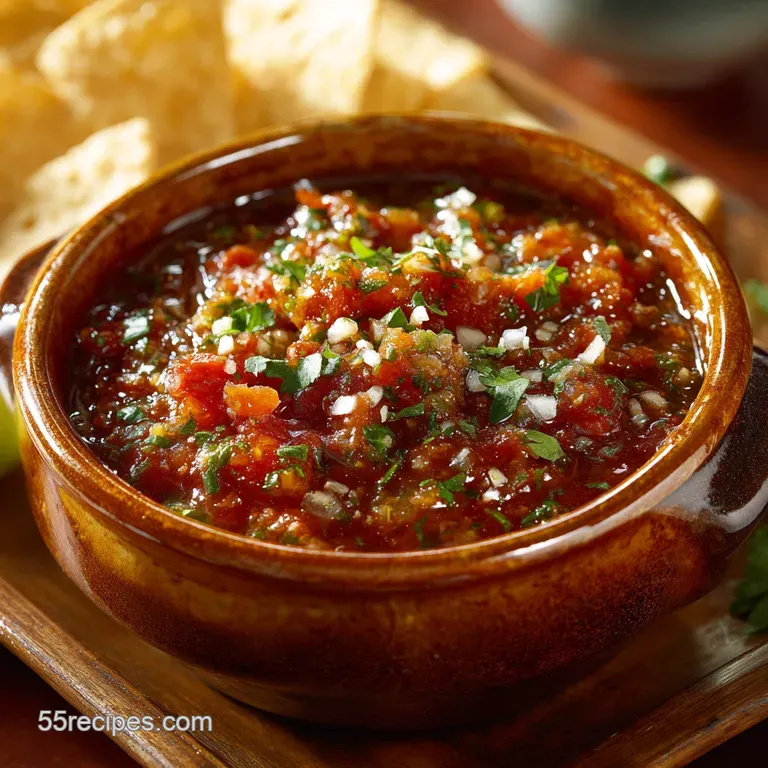
- Unlocking the Authentic Flavor of Pioneer Woman Salsa
- The Magic of the Maillard Reaction: Why Roasting Transforms Your Dip
- The Essential Pantry Checklist for Your Pioneer Woman Salsa
- From Farm to Fire: Selecting the Best Produce for Roasting
- The Broiler Method: Achieving That Signature Charred Flavor
- Blending and Balancing: Finishing Your Rustic Salsa
- Troubleshooting and Mastering Your Pioneer Woman Salsa
- Serving Suggestions and Perfect Pairings
- Recipe FAQs
- 📝 Recipe Card
Unlocking the Authentic Flavor of Pioneer Woman Salsa
If you are seeking a homemade dip that completely demolishes the flavor profile of anything store-bought, you’ve arrived at the right place. This is not just another salsa; it's a deeply complex, fire roasted condiment that embodies true Southwestern ranch cooking.
The secret to an outstanding Pioneer Woman Salsa lies in the transformation of humble, fresh ingredients into a smoky, vibrant base a method Ree Drummond herself champions for depth of flavor.
Unlike recipes that rely solely on canned goods, our focus is squarely on using pioneer woman salsa with fresh tomatoes , which provides a spectacular sweetness and textural integrity that cannot be replicated.
By introducing high heat to the vegetables before they hit the food processor, we move beyond mere freshness into an arena of intense, rustic flavor. This approach results in a salsa that is robust enough to stand up to heavy dippers, yet bright enough to complement the lightest taco.
The Magic of the Maillard Reaction: Why Roasting Transforms Your Dip
The single most critical step that defines the quality of this salsa and distinguishes it from everyday dips is the roasting process. We leverage the Maillard reaction, the chemical process responsible for browning food, which turns starches and sugars into hundreds of new, complex flavor compounds.
By broiling the Roma tomatoes, onions, and jalapeños until they are deeply charred and blistered, we introduce a crucial smokiness that anchors the entire dish. This pre-cooking step concentrates the sugars, reducing the raw, watery taste and creating the signature deep, almost caramelized base required for the authentic pioneer woman salsa recipe .
The goal is not merely to soften the vegetables, but to acquire significant blackening, ensuring that the final blend tastes less like garden produce and more like a proper, rustic fire roasted marvel.
Defining 'Ranch Style': Beyond the Watery Jarred Stuff
When we talk about 'ranch style' in the context of this dip, we are referring to a texture and flavor profile that is deeply flavorful, robustly seasoned, and slightly rustic. It is the antithesis of the watery, over processed commercial salsas found in jars.
This style prioritizes a visible, chunky texture achieved through controlled pulsing, ensuring that you can still discern the roasted onion wedges and softened tomato pieces. The result is a substantial salsa, meant for scooping, rather than pouring, offering an intense concentration of the roasted flavors developed under the broiler.
Salsa vs. Pico de Gallo: Understanding the Key Difference
While both salsa and pico de gallo rely on fresh ingredients like tomatoes and cilantro, their fundamental difference lies in preparation and temperature. Pico de gallo (often called salsa fresca ) is traditionally a raw, freshly chopped mix served at room temperature or chilled, defined by its bright, acute flavors.
Conversely, this particular pioneer woman salsa recipe is cooked the intense roasting of the base vegetables fundamentally changes the flavor profile, adding depth, warmth, and smokiness.
On top of that,, our recipe incorporates a food processor to create a smooth yet rustic consistency, whereas pico de gallo is always chunky and diced by hand.
What Makes This Rustic Recipe a Guaranteed Crowd Pleaser?
The combination of the deep, smoky Maillard flavors with the immediate freshness of raw cilantro and lime juice is the key to this recipe's universal appeal. We use finely balanced fresh citrus and aromatic cumin to cut through the richness of the roasted vegetables.
Whether you are hosting a large gathering or simply looking to upgrade your weeknight taco bar, this specific pioneer woman salsa recipe with fresh tomatoes delivers a complexity that satisfies sophisticated palates while remaining comforting and familiar.
The Essential Pantry Checklist for Your Pioneer Woman Salsa
Building the foundation for this intensely flavored dip requires specific, high-quality ingredients. For the core roasting base, you must prioritize six large, ripe Roma tomatoes their low moisture content holds up beautifully to the broiling heat.
Alongside the tomatoes, we need one medium yellow onion, sliced into large wedges, and several whole jalapeño peppers. For the finish, the essentials are fresh, packed cilantro, freshly squeezed lime juice, and the warming spice of ground cumin.
A light sprinkle of granulated sugar is also kept on hand, though optional, to perfectly balance the acidity of the cooked tomatoes. This precise blend ensures we achieve the rich, balanced flavor that defines the authentic preparation.
From Farm to Fire: Selecting the Best Produce for Roasting
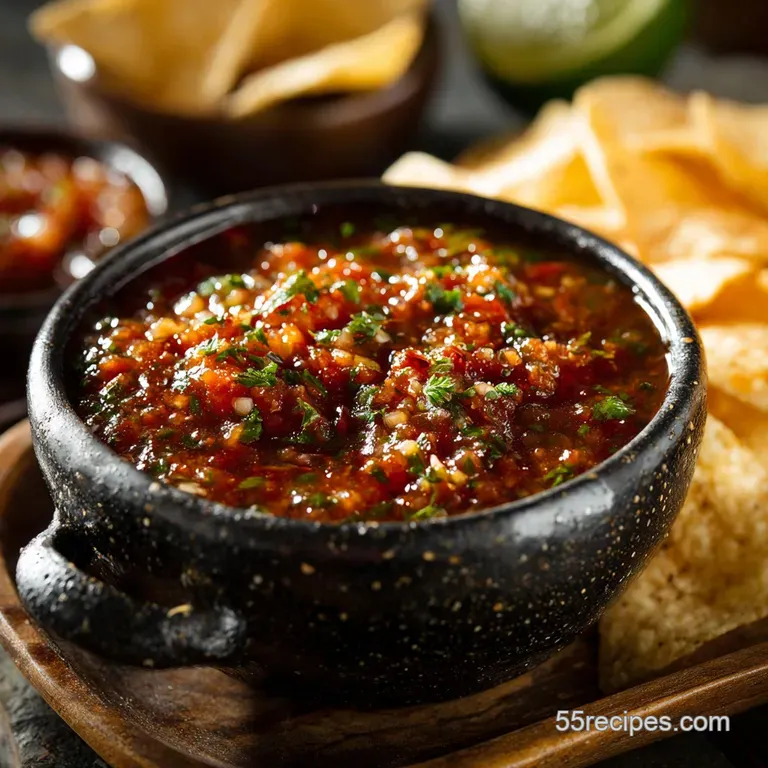
The quality of your produce directly dictates the success of your pioneer woman salsa with fresh tomatoes . Roma tomatoes are superior here because they contain less water and more flesh than standard globe tomatoes, preventing the salsa from becoming too thin after blending.
Choose firm, heavy onions, and ensure your jalapeños are free of blemishes. We also incorporate whole, unpeeled garlic cloves during the roasting process; the skins protect the garlic from scorching under the broiler while allowing the interior to turn soft and sweet, minimizing the raw, pungent edge.
Toolbox Talk: Essential Equipment for a Smoother Blend
While a high powered blender can certainly be used, the large food processor is the recommended tool for achieving the signature rustic texture. Blenders tend to over process quickly, turning the ingredients into a smooth liquid paste. The food processor, however, allows for greater control through short, sharp pulses.
You will also need a sturdy, rimmed baking sheet and either aluminum foil or parchment paper to handle the intense heat and simplify the cleanup after the charring process.
Choosing Your Heat Level: Hatch Chiles vs. Jalapeños
Our recipe utilizes standard jalapeño peppers for easily controllable, medium heat. The heat level is primarily managed by the pepper’s seeds and inner white membranes, which contain the capsaicin. For full heat, retain them during blending.
For a milder salsa, simply de-stem the cooled peppers and scrape out the seeds and membranes before processing. While some cooks might substitute in serranos for more punch, or use a canned mixture of tomatoes and chillies, opting for the fresh jalapeños gives you the ability to fine tune the spice precisely.
For those who want to introduce the famous texture and flavor of the Southwest without using entirely fresh produce, the base of roasted onion and peppers can be supplemented with drained canned products, though for true flavor, skip the pre-seasoned pioneer woman salsa with fresh tomatoes and rotel and stick to whole, fresh ingredients.
The Secret Ingredient That Balances the Smokiness
Beyond the basic vegetables, ground cumin is the essential, often underestimated ingredient that ties the deep, smokey flavors together. Cumin introduces a warm, earthy quality that provides the classic Southwestern identity.
Paired with a generous quarter cup of fresh lime juice, the cumin provides depth, while the lime offers the necessary bright acidity to cut through the richness imparted by the high heat broiling.
Related Recipes Worth Trying
- Foolproof Pioneer Woman Biscuits and Gravy Recipe — Capture that iconic comfort food feeling with our authentic flaky Pioneer Woman Biscuits and Gravy recipe Learn the secret to towering biscuits See the full...
- Pioneer Woman French Toast Casserole My Overnight Brunch — Dreaming of Ree Drummonds French Toast Casserole This easy pioneer woman french toast casserole is a custardy overnight dream Challah bread maple syrup...
- Pioneer Woman Meatloaf My BEST Juicy Comfort Food Recipe — Craving Pioneer Woman meatloaf My easy recipe is comfort food perfection Juicy flavorful and glazed to impress Classic meatloaf recipe ready in under 90 minutes
The Broiler Method: Achieving That Signature Charred Flavor
Preparing the vegetables for roasting is simple: toss the prepared Roma tomatoes (halved), onion wedges, jalapeños, and unpeeled garlic cloves with a tablespoon of olive oil and initial salt. The broiler is the source of magic here.
Position your oven rack 6-8 inches from the heat element and set the broiler to high. Arrange the vegetables cut-side up on the baking sheet. Broiling should take between 15 and 20 minutes. It is vital to resist the urge to pull the pan out early.
You are looking for a deep, almost alarming level of blistering and blackening on the skins this char is the flavor. Rotate the pan halfway through to ensure even charring. Once removed, allow the roasted mixture to cool sufficiently for handling before moving to the blending stage.
Blending and Balancing: Finishing Your Rustic Salsa
With the flavor base established, the remaining steps focus on refining the texture and achieving the perfect seasoning balance.
Prep Work: Uniform Cuts for Even Roasting
Before the vegetables go into the oven, ensure the tomatoes are simply halved and the onions are cut into four large, robust wedges. These uniform, large cuts are crucial because they ensure all components cook evenly, allowing the broiler to properly char the surfaces without turning the inside of the onion or tomato to mush.
Monitoring the Maillard: Signs Your Vegetables Are Ready
The vegetables are ready when the skins of the tomatoes are thoroughly collapsed and blackened, the onion edges are deeply browned and translucent, and the jalapeños have significant blistering.
The garlic cloves, still protected in their skins, should feel soft when gently squeezed, indicating they have become sweet and caramelized. This level of char is a visual confirmation that the Maillard reaction has maximized the flavor compounds.
The Pulsing Technique for Perfect Texture (Not Paste!)
Once the roasted vegetables (along with the peeled garlic, de-stemmed peppers, cilantro, lime juice, and cumin) are transferred to the food processor, restraint is key. Utilize short, quick bursts pulse eight to ten times, checking the consistency after every few pulses.
The goal is a rough, rustic texture; you should still be able to clearly see flecks of black char, cilantro leaves, and chunky tomato pieces. Over blending will result in a thin, disappointing soup, sacrificing the ranch style texture we are aiming for.
Adjusting Acidity and Salt After Blending
After the initial pulse, it’s time to season, which is arguably the most important balancing act. Stir in the remaining salt, then taste. Roasted tomatoes can sometimes be intensely acidic, so if the salsa tastes flat or harsh, a half teaspoon of granulated sugar can often work wonders, neutralizing the sharp acidity without making the dip overtly sweet.
Alternatively, if the flavor seems dull, a squeeze of extra lime juice or a touch more salt will amplify all the roasted flavors immediately.
Troubleshooting and Mastering Your Pioneer Woman Salsa
Mastering this recipe often involves anticipating potential issues. If your final salsa is too watery, it likely means the tomatoes were under roasted, or they weren't drained enough before blending; to fix this, simply stir in a few spoonfuls of canned, well drained diced tomatoes for structure.
Conversely, if you plan to move beyond immediate serving, exploring the techniques for pioneer woman salsa for canning requires careful attention to acidity levels (pH) for safe long term storage, typically requiring the addition of white vinegar or citric acid for preservation, a step beyond the basic fresh preparation.
When preparing the pioneer woman salsa recipe for canning , always follow certified preservation guidelines, ensuring all ingredients are handled according to strict safety standards.
Serving Suggestions and Perfect Pairings
This rustic, deeply flavorful salsa deserves to be the centerpiece of any spread. Its robust texture makes it perfect for classic pairings like sturdy tortilla chips, but it also shines when used as an accompaniment to scrambled eggs, grilled flank steak, or even spooned over baked potatoes.
Making it Restaurant Style: Tips for a Smoother Finish
While the authentic rustic version is chunky, if you prefer the smoother consistency often found in high end restaurants, simply pulse the salsa an additional three to five times, ensuring no large pieces remain visible.
To achieve maximum smoothness without turning it into a watery puree, slightly more fresh cilantro and a heavier hand on the lime juice can add back the textural contrast lost during increased blending.
Storage Secrets: Maximizing Shelf Life and Freshness
To maximize flavor integration, the most important rule is the mandatory resting period. Store the finished salsa in an airtight container in the refrigerator. It will keep beautifully for five to seven days.
The flavors actually deepen and meld overnight, achieving optimal taste about 12 hours after preparation.
Flavor Variations: Adding Corn or Black Beans for a Cowboy Twist
Once the base is perfected, you can easily introduce other elements for new flavor dimensions. Stirring in one cup of well drained canned black beans or half a cup of fire roasted corn kernels (thawed, if frozen) after the blending step transforms this into a heartier ‘cowboy caviar’ style dip, perfect for serving alongside grilled meat.
The Mandatory Resting Period (Why Time Matters)
Immediately after blending and seasoning, the individual flavors are sharp and distinct. The acidity, the smoke, and the heat need time to harmonize. A minimum of one hour of chilling is required, but ideally, you should let the salsa rest for three to four hours, or even overnight.
This patience allows the spices to bloom, the heat to soften, and the complex roasted notes to fully integrate with the fresh lime and cilantro, ensuring the Pioneer Woman Salsa delivers its best flavor when served.
Recipe FAQs
This looks like a large batch! Can I make this Pioneer Woman Salsa ahead of time, and how long does it last in the fridge?
Absolutely, making the Pioneer Woman Salsa ahead of time is a brilliant idea! Chilling is essential, as it lets all those complex, smoky flavours properly marry a real game changer, rather like letting a stew simmer all afternoon.
Stored in an airtight container in the fridge, this salsa will keep happily for about 5 to 7 days, making it perfect for preparing before a big family gathering or shindig.
Do I really need to char the tomatoes until they look burnt? Isn't that just going to make the salsa taste bitter?
You’ve got to embrace the char; it’s the secret to this recipe! That deep blackening achieved under the broiler is what develops the gorgeous, smoky depth and natural sweetness in the tomatoes and onions. This crucial roasting step prevents the salsa from tasting raw or watery.
Don't worry about bitterness, as the sugar and vibrant acidity in the lime juice perfectly balance out the smokiness it’s the difference between a proper job’s a good un and a watery flop.
I always end up with watery salsa when I use a food processor. How do I keep this recipe rustic and chunky?
The secret to avoiding ‘salsa soup’ is mastering the pulse button treat your food processor like a proper manual chopper and resist the urge to just blend continuously. Only pulse 8 to 10 times, watching carefully to stop when the salsa achieves that rustic, chunky texture.
If you accidentally over blend, you can perform a quick salvage job by stirring in a handful of freshly diced, raw tomato and onion to regain texture.
I’m making this for a mixed crowd. How can I easily control the heat level of the jalapeños?
Controlling the fire is a piece of cake with this roasted salsa! The majority of the heat hides in the seeds and the white internal membranes of the jalapeños. For a milder batch, slice the peppers open after roasting and meticulously scrape out those membranes before blending.
For full, fiery heat, just chuck them in whole with all the seeds intact.
Pioneer Woman Roasted Salsa Recipe
Ingredients:
Instructions:
Nutrition Facts:
| Calories | 241 kcal |
|---|---|
| Protein | 4.4 g |
| Fat | 11.7 g |
| Carbs | 29.1 g |
| Fiber | 6.8 g |
| Sodium | 129 mg |
