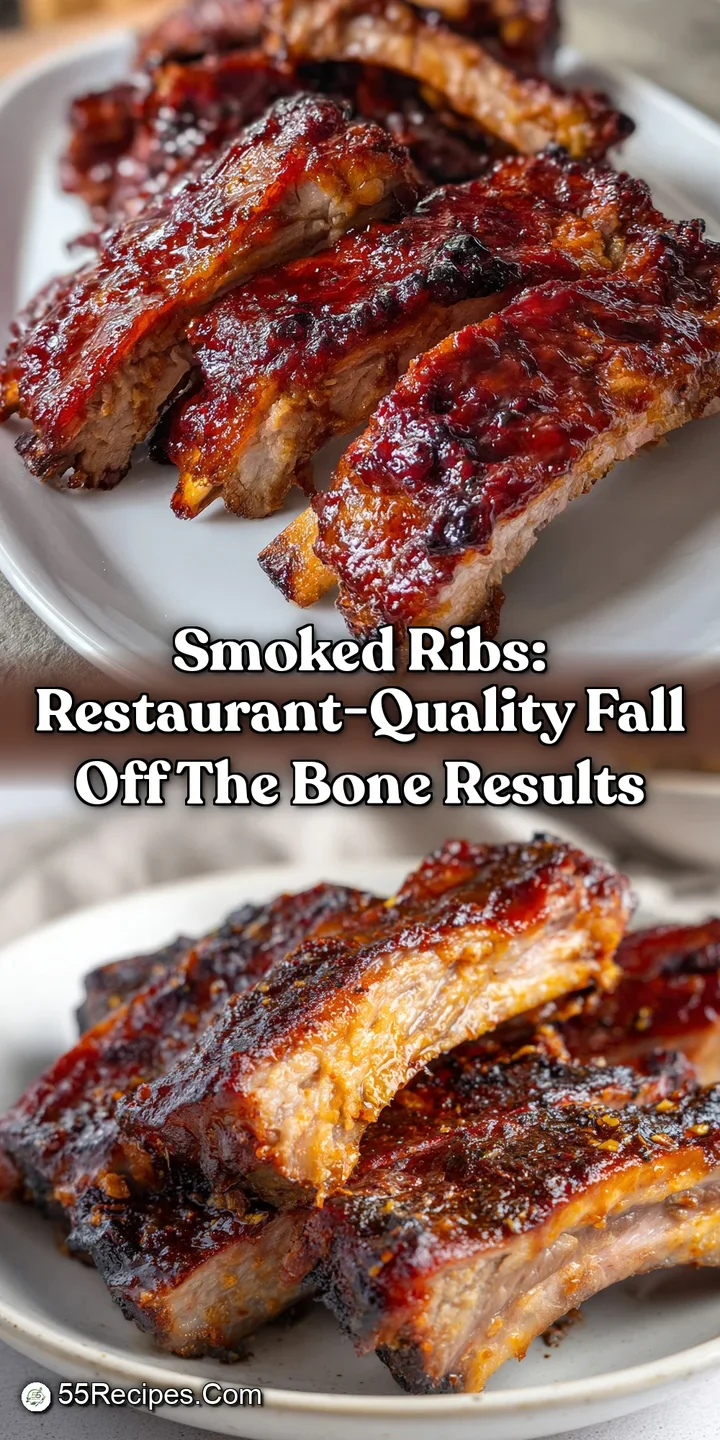
Smoked Ribs: the Proper Low Slow 3-2-1 Method
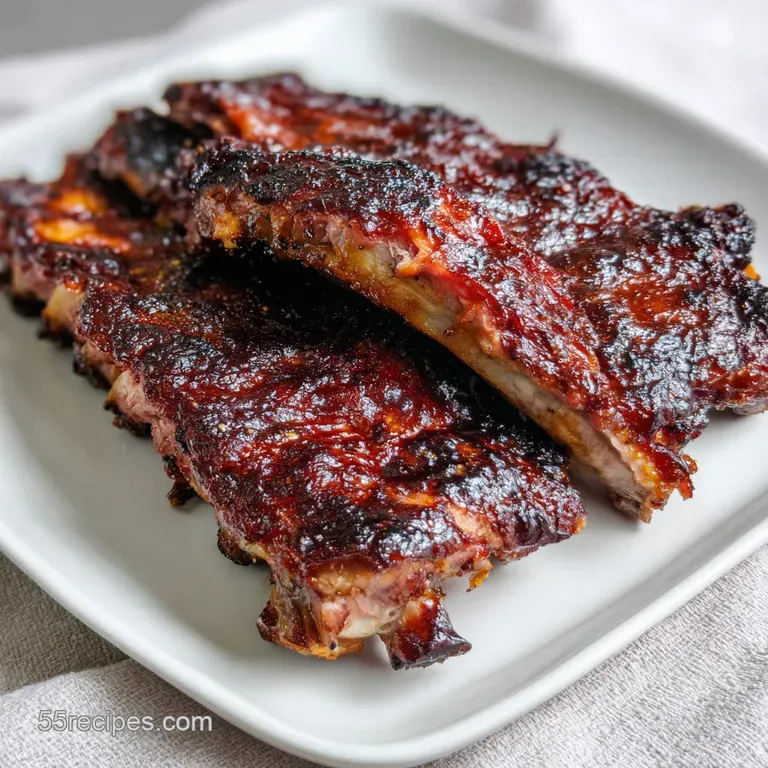
- Mastering the Art of Low & Slow BBQ: Why Timing Matters
- Achieving Competition-Level Tenderness and Glistening Bark
- Essential Components: Selecting and Preparing Your Pork Rack
- The Definitive 3 2-1 Process for Cooking Perfect Ribs
- Troubleshooting Your Smoker and Avoiding Common Rib Mistakes
- Handling Leftovers and Elevating the Final Smoked Ribs Meal
- 📝 Recipe Card
Mastering the Art of Low & Slow BBQ: Why Timing Matters
If you've ever smelled that deep, smoky, sweet aroma drifting across a neighbor's yard, you know exactly what I’m talking about the promise of truly amazing Smoked Ribs .
That deeply mahogany bark, the meat that pulls clean from the bone without actually falling apart, and that unmistakable red smoke ring are the holy grail of backyard barbecue. Forget those watery, pre-boiled monstrosities; we are making the real deal, low and slow.
I used to rush the process, thinking I could finish a rack in four hours, which resulted in either tough, dry pork or mushy, steamed meat. This recipe requires patience, sure, but it’s a foolproof system that removes all the guesswork once you learn your smoker.
This smoked ribs recipe delivers results that are 100% worth blocking out your Sunday afternoon for.
We are diving deep into the famous 3 2-1 method using pork spare ribs, which guarantees maximum flavor penetration and that perfect, competition level chew. Ready to stop serving mediocre grilled meat and start serving proper, bragging rights BBQ? Let’s crack on and learn how to smoke ribs like a pro.
Achieving Competition Level Tenderness and Glistening Bark
This whole process is built around thermal science and moisture management. If you understand why you are doing the 3 2-1 process, you are already halfway to mastering incredible Smoked Ribs .
Defining the St. Louis Cut: Why It's Superior for Smoking
The St. Louis cut is essentially a spare rib that has been trimmed square, removing the tough breastbone (or rib tips). This uniform shape makes it much easier to cook evenly in the smoker, and the higher fat content ensures a moist final product compared to the leaner baby back ribs.
If you want consistently good results for your BBQ Smoked Ribs , always start with the St. Louis cut.
Understanding the Science of the 3 2-1 Rib Method
The 3 2-1 method is simply a time map that breaks the cooking process into three distinct phases to manage texture and flavour. Three hours unwrapped for smoke penetration and bark development, two hours wrapped (the braise) for tenderness, and one hour unwrapped for setting the glaze.
This sequence is why every rack of 3 2 1 Smoked Ribs comes out perfect, balancing smoke and moisture.
Required Hardware: Setting Up Your Smoker for Success
Whether you're using an offset smoker or a pellet grill, stability is everything. You need to maintain a consistent 225°F (107°C) ambient temperature throughout the six hours.
Invest in a good thermometer that monitors the smoker grate temperature, because the dome thermometer on your unit is often lying to you.
The Maillard Reaction and Developing the Perfect Smoke Ring
The first three hours are the most crucial for bark development, which is that crunchy, flavorful crust. We achieve this by letting the exterior dry out while the wood smoke compounds bond with the myoglobin in the meat, creating the sought after pink smoke ring.
The color on these racks of Smoked Ribs will deepen into mahogany thanks to the low heat and the sugars in your rub.
Moisture Retention: How the Foil Wrap Prevents Drying (The 'Stall')
Around hour three or four, the meat can hit the "stall," where internal temperatures plateau because the surface moisture is evaporating and cooling the meat. Wrapping the ribs tightly in foil sometimes called the Texas Crutch introduces moisture (via the apple juice and butter) and helps power through the stall, ensuring your Fall Off The Bone Smoked Ribs are ridiculously tender without drying out.
Balancing Smoke Wood Flavors for Depth
I’m a sucker for fruit woods when making pork specifically cherry or apple. They impart a subtle, sweet flavor that pairs beautifully with the rich pork fat. Avoid using too much wood that’s highly acidic or bitter.
A mix of cherry and hickory gives the perfect blend of sweetness and traditional BBQ depth, ideal for your next batch of homemade Smoked Ribs .
Essential Components: Selecting and Preparing Your Pork Rack
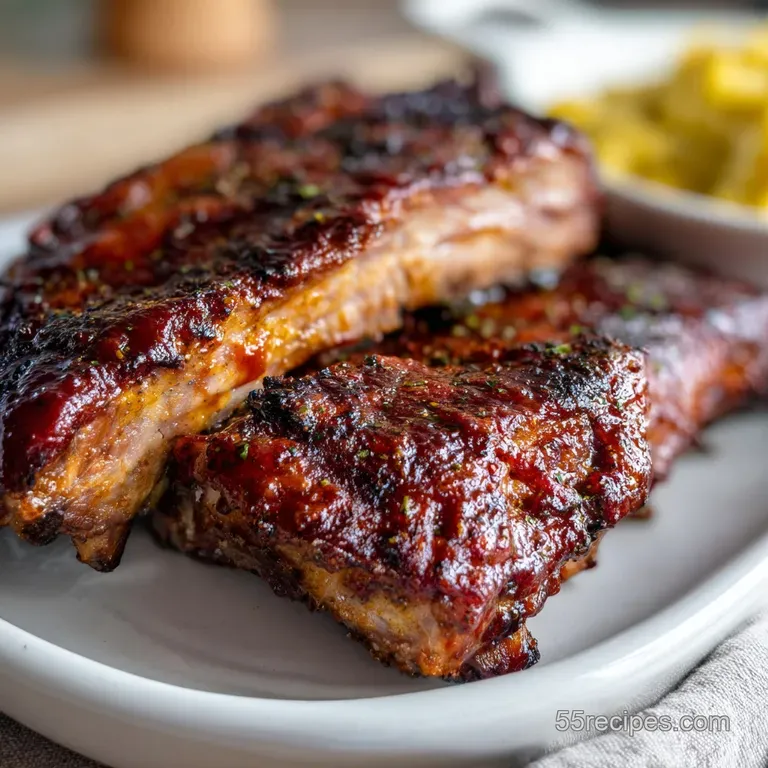
Quality Check: Identifying the Best Pork Spare Ribs
Look for ribs with good marbling but avoid racks with massive, thick fat caps you’ll have to trim that down, anyway. The meat should be a healthy pink colour. If your butcher offers a "pre-trimmed" St.
Louis cut, that’s a time saver, but check to make sure they haven't removed too much of the meat, which is what we call the "skirt."
Building the Perfect Dry Rub: Salt, Sugar, and Spice Ratios
The rub is the soul of your Bbq Smoked Ribs . My ratio leans heavily on paprika and brown sugar because sugar helps with caramelization (the bark) and salt cures the meat. I often use some of my tried and true blend from my guide on Turkey Rub: The Ultimate Smoked Paprika Herb Recipe for Crispy Skin because the paprika punch is just unbeatable on pork.
| Ingredient | Role | Substitution Tip |
|---|---|---|
| Coarse Salt | Flavour & Cure | Use half the amount if substituting with fine table salt. |
| Brown Sugar | Caramelization | Can sub with coconut sugar, but the molasses flavour is best. |
| Smoked Paprika | Colour & Smoke Depth | Use standard paprika + a pinch of chili powder if needed. |
| Apple Cider Vinegar | Acid/Braise Liquid | Use beer (lager) or chicken stock if you are out. |
Wet vs. Dry: Choosing Your Finishing Glaze or BBQ Sauce
This is entirely a personal preference! A "dry" rib finishes with just the bark from the rub, yielding a more intense smoke flavor. A "wet" rib involves glazing it in the last hour. If you use a store-bought glaze, make sure it’s not too high in corn syrup, or it will burn before the ribs are done.
Tools Checklist: Must Have BBQ Accessories
You absolutely need a spray bottle filled with that 50/50 apple cider vinegar and water mixture. This is key for spritzing. Also, heavy duty foil is a must. Don’t use the thin stuff; the steam inside the wrap will blow right through it.
Crucial Chef's Note: If you are cooking more than two racks, ensure there is adequate space between them in the smoker. Crowding the grates hinders airflow and ruins your bark, resulting in steamed Smoked Ribs .
The Definitive 3 2-1 Process for Cooking Perfect Ribs
Pre-Smoke Preparation: Removing the Membrane and Trimming
The membrane, that silver skin on the back, must go. It acts like a moisture barrier and makes the ribs tough and rubbery. Slide a knife under it near the small bone end, grab it with a paper towel (for grip!), and peel it right off.
Trust me, this is the secret to tender Smoked Ribs . After trimming, apply your rub heavily we are painting these racks! Let them sit for at least an hour in the fridge so the salt can draw out moisture, creating a sticky surface for the smoke to adhere to.
Step 1 (3 Hours): Smoke Unwrapped (The Bark Foundation)
Set your smoker to 225°F (107°C). Place the rubbed ribs bone side down. Close the lid and resist the urge to peek! Open the smoker only to spritz them lightly every 45 minutes after the first hour.
This keeps the surface damp for better smoke adhesion and keeps the bark from drying out too quickly.
Step 2 (2 Hours): The Foil Boat (Wrap, Braise, and Tenderize)
After three hours, the ribs should have a beautiful dark colour. Remove them and place them meat side down on heavy duty foil. Add your butter, honey, and braising liquid (apple cider/juice). Seal the packet tightly.
This phase, the braise, is when the connective tissues begin to melt, turning tough collagen into wonderful gelatin. This is what makes your Smoked Ribs ridiculously tender.
Step 3 (1 Hour): Setting the Sauce and Achieving Sticky Texture
Carefully remove the ribs from the foil packet and discard the liquid. Place them back on the smoker grates, meat side up. If you are using sauce, brush a light, even layer now. Cook for the final hour.
This allows the heat to evaporate the surface moisture, tightening the bark back up, and letting the sauce tack up into a sticky, glossy glaze.
Troubleshooting Your Smoker and Avoiding Common Rib Mistakes
I once rushed the end of a rack of ribs by increasing the heat too much, and the entire glaze turned black and tasted like charcoal. Don't be me. Consistency is key when making these incredible Smoked Ribs .
The Bend Test: Checking Internal Temperature vs. Texture
The final internal temperature should be between 200°F 205°F (93°C 96°C), but temperature is less important than feel. To check for doneness, lift the ribs with tongs in the center. If they are ready, the rack will bend easily, and the meat on the top will begin to crack or tear slightly.
If they are stiff, they need more time. If they break completely in half, you’ve gone too far.
Correcting the 'Too Tough' or 'Too Fall Apart' Problem
If your ribs are tough, you didn’t spend enough time in the wrap phase. Wrap them back up with fresh braising liquid and put them back in the smoker for another 30– 60 minutes.
If they are completely falling apart and mushy (overcooked), that means you cooked them too long in the moist wrap phase. For future racks, try shortening the foil stage to 1. 5 hours instead of 2 hours.
If you want a quick fix for the mushy meat, chop it up and make killer sandwiches!
Managing Smoke Intensity: Clean Smoke vs. Dirty Smoke
If your Smoked Ribs taste bitter, you have "dirty smoke." This is thick, white, churning smoke that happens when the wood isn't burning efficiently. You want thin, wispy, blue smoke .
If your smoke is too thick, open the vents or ensure your wood chunks are placed directly on hot coals or the heat source for a cleaner, steady burn.
Handling Leftovers and Elevating the Final Smoked Ribs Meal
Storing, Reheating, and Freezing Smoked Ribs Safely
Leftover Smoked Ribs keep beautifully in the fridge for up to four days. To reheat, wrap them tightly in foil and bake them at 250°F (120°C) until warmed through (about 20 minutes).
If you want to freeze them, wrap them individually in foil, place them in a freezer bag, and they'll keep for 3 months. When reheating from frozen, thaw overnight in the fridge first, then proceed with the 250°F oven method.
Perfect Sides: Complementary Dishes for Rich BBQ
Because Bbq Smoked Ribs are so rich, you need acidic, crunchy sides to cut through the fat. A sharp, vinegar based coleslaw and a creamy potato salad are non-negotiable. If you need a faster weeknight fix for these kinds of flavors but don't have six hours, you should check out my recipe for Gas Grilled Ribs Best Low Slow Recipe for Tender Perfection .
Beyond the Glaze: Creative Ways to Serve Leftover Rib Meat
If you happen to have more leftover smoked ribs than you can eat (a rare occurrence!), strip the meat from the bones and use it for incredible BBQ tacos, smoked mac and cheese, or as a topping for a loaded baked potato. The intense smoky flavor elevates everything it touches!
Now go make the world’s best Smoked Ribs ! You’ve got this.