Pistachio Gelato the Definitive Recipe for Ultravelvety Sicilian Texture
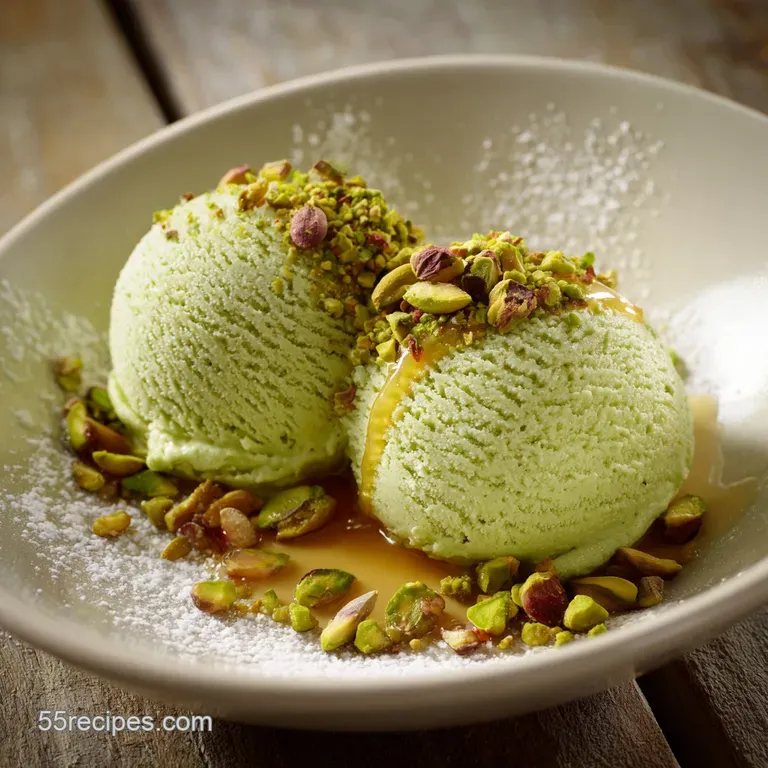
The Pursuit of Velvety Perfection: Decoding Sicilian Pistachio Gelato
If you’ve ever had a truly great scoop of pistachio gelato, you know the difference. It’s not just a flavor; it’s a texture. It’s an experience . For years, I chased that perfect, dense, luxurious spoonful, the kind you get standing melting slightly in the Sicilian sun.
I tried every "homemade pistachio gelato recipe" out there, and frankly, most of them yielded rock hard, slightly icy pistachio ice cream, not gelato. The secret isn't just the nuts (though those matter massively). It’s all about physics, precision, and frankly, a bit of culinary nerve.
Let’s crack this thing wide open.
The Core Difference: Gelato vs. Standard Frozen Desserts
People use "gelato" and "ice cream" interchangeably, and it makes my eye twitch just a little bit. Ice cream is fluffy. Gelato is dense. Why? Air, temperature, and fat. Gelato uses less cream and more whole milk than traditional ice cream, which means lower overall fat.
Crucially, it’s churned at a much slower speed. This slow churn incorporates far less air (we call this overrun ). Traditional ice cream might be 50% air. Gelato? Maybe 20-30%. Less air means more flavor in every spoonful.
Oh, and here’s the kicker: we serve it about 10 degrees warmer than ice cream. That slight temperature bump keeps it softer, smoother, and instantly scoopable, preventing that teeth chattering freeze.
Unlocking the Flavor Profile: Why Source Matters
Are we using bright green food coloring? Absolutely not. If your homemade pistachio gelato looks neon green, you’ve missed the point entirely. The authentic Sicilian pistachio gelato recipe relies on high-quality nuts that yield a pale, slightly earthy green, almost beige color. You need quality.
We’re talking about pistachios from Bronte or Aegina, if you can get them, but any good raw, unsalted, shelled pistachio will do the job beautifully. I learned this the hard way after trying to make a batch using cheap snack nuts.
They were too salty, roasted too dark, and the resulting flavor was muddy, not clean and pure. Source matters more here than in almost any other recipe.
The Essential Role of the Stabilizer
Whenever you make a frozen dessert at home, you’re fighting ice crystals. They are the enemy of smoothness. In professional kitchens, they use gums, but for the home cook, the secret weapon is skim milk powder. Trust me on this.
Adding those two tablespoons of skim milk powder achieves two critical things: it increases the non-fat milk solids (NFMS), which helps bind water, and it prevents those large, icy crystals from forming during the hardening phase. This is the difference between a dense, beautiful mouthfeel and something crunchy.
It's a non-negotiable step for the best homemade gelato recipe.
Essential Components for Authentically Smooth Pistachio Gelato
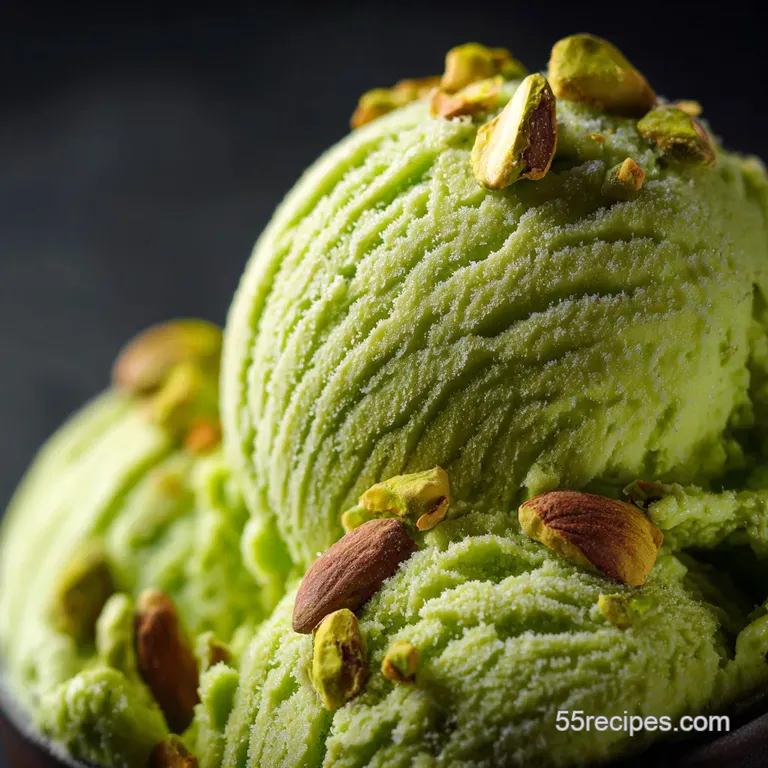
Right then, let’s talk gear and ingredients. This recipe is fundamentally a custard base (a crème anglaise ), and while the components are simple, their quality is key.
The Precision Tools Required for Gelato Success
I’m a gadget minimalist usually, but for gelato, you need to be precise. Forget that old candy thermometer gathering dust; grab a good digital instant read thermometer. Without it, you are guessing, and guessing means scrambled eggs in your custard, which is a tragedy.
CRUCIAL WARNING: If you are going to invest in one piece of equipment beyond the churner, make it a high powered blender or food processor. You cannot make truly smooth, dense pistachio paste without real power. Chunky pistachio gelato is acceptable, but velvety smooth is the goal.
Beyond the thermometer, make sure your churning bowl has been in the deep freeze for at least 24 hours. The colder the bowl, the faster the churn, the smaller the ice crystals.
Balancing the Base: Milk, Cream, and Sugar Ratios
Remember how I said gelato has a lower fat content? That’s why our recipe leans heavily on whole milk and only calls for one cup of heavy cream. If you use too much cream, you end up with French style ice cream. It's delicious, sure, but it loses that distinctive, dense gelato texture.
The sugar ratio here is also specifically calculated to act as an anti freeze agent. We have just enough to sweeten, but crucially, just enough to ensure it won’t freeze into a solid block in your home freezer.
Sourcing the Star: Defining Quality in Pistachio Paste
We are making our own paste. Why? Because most commercial pistachio paste is either full of stabilizers, cheap filler nuts, or that god-awful green dye. Making it at home is surprisingly easy, provided you toast your nuts (optional, but highly recommended) and process them for a long time .
They will go from crumbs, to coarse paste, to a thick nut butter, and finally, a slightly runny oil. That last stage, the runny stage, is where the intense, concentrated flavor lives.
Don’t skip the neutral oil in the paste either; it helps the blender get things moving and emulsifies the natural oils from the nuts perfectly.
Related Recipes Worth Trying
- Scrumptious Salted Caramel Gelato: A Deliciously Easy Homemade Treat — Indulge in the rich flavors of salted caramel gelato! Easy to make, this creamy dessert is the perfect summer indulgence. Check out my recipe!
Crafting the Base: step-by-step Directions to the Perfect Crème Anglaise
This phase requires patience, but it’s the most rewarding part. We are essentially making the base for the smoothest custard you’ve ever tasted.
The Art of Tempering: Creating a Silky Custard
This is where many cooks panic, but it's simple: slow and steady wins the race. You whisk the yolks, sugar, and milk powder together until they are pale and thick (the ribbon stage). Meanwhile, the milk and cream are warming up. I made the mistake once of pouring the hot dairy right into the eggs.
Instant scrambled egg chunks. Do not do this. You need to slowly drizzle a cup of the hot dairy into the egg mixture while whisking furiously. This gently raises the temperature of the eggs without shocking them. Once tempered, you pour the whole lot back into the saucepan and cook it low and slow.
The Golden Rule for Custard: You must reach 82°C (180°F), but you absolutely cannot, under any circumstances, exceed 85°C (185°F). Past that point, the protein in the eggs rapidly cooks and your base will curdle. Use that digital thermometer!
step-by-step Infusion and Fine Straining
As soon as the custard hits that magic temperature, take it off the heat immediately . Stir in the vanilla and the gorgeous, oily pistachio paste we made earlier. Let the heat help melt the paste fully into the liquid. It will smell incredible. Now, here is my second major secret for guaranteed success.
Even if you think your custard is perfect and completely smooth...
You must strain it.
Pour the entire mixture through a fine mesh sieve into a clean container. If there are any tiny, sneaky bits of cooked egg or undissolved skim milk powder, the sieve catches them. This guarantees the velvety texture we're after.
Optimizing the Rest Period for Maximum Density
Once strained, cover the base with plastic wrap, ensuring the film is pressed directly onto the surface of the liquid. This prevents a rubbery skin from forming. This chilling period is technically called ripening . It’s not just about getting the base cold.
It’s about allowing the proteins, fats, and stabilizers (like that skim milk powder) to fully hydrate and bond, creating a more stable, emulsified mixture. A quick chill of four hours is okay, but an overnight rest ( 12 hours) is truly transformative for the final density and scoopability of the Sicilian pistachio gelato.
The Final Churn: Achieving the Signature Texture
Add that optional tablespoon of high proof alcohol (Vodka is my go-to; it truly helps prevent freezing solid) right before churning. Pour the fully chilled base into the machine and let it run until it looks like thick, fluffy soft serve ice cream. It should have resistance when you stop the motor.
Transfer it quickly to a pre-chilled airtight container. This is crucial for avoiding large ice crystals. The final step, the mantecazione (hardening in the freezer), typically takes 3 to 4 hours.
Post Production Tips and Advanced Care for Your Pistachio Gelato
We did the hard work. Now let’s make sure it stays perfect.
Troubleshooting: Preventing Icy Texture and Graininess
The two biggest disappointments are iciness and graininess.
- Graininess: Almost always an issue with overheating the custard (curdled eggs) or failing to fully dissolve the skim milk powder and sugar. Solution: Use the thermometer religiously and strain the base.
- Iciness: This happens when there is too much free water left in the base. The alcohol trick (lowering the freezing point) helps significantly. Also, make sure your container is genuinely airtight in the freezer. Exposure to air encourages crystal formation. The high fat nut paste also helps keep things pliable.
The Perfect Scoop: Serving Temperature Matters
Remember the difference we talked about? Gelato is meant to be enjoyed warmer. Pull your container of homemade pistachio gelato out of the deep freeze about 10 minutes before you want to serve it. Let it sit on the counter.
It will soften slightly, achieving that ideal, dense, stretchy, almost elastic texture that professional gelato shops achieve. If you try to scoop it straight from the freezer, it’s going to be too hard and you won’t appreciate the full creaminess.
Storage Strategy: Keeping Homemade Gelato Fresh
Homemade gelato, because it lacks the heavy commercial stabilizers, doesn't last as long as store-bought ice cream. But who cares? It's too good to last long anyway. To maximize freshness and prevent freezer burn (which leads to off-flavors), always:
- Use an airtight container specifically designed for freezing.
- Press plastic wrap firmly onto the surface before sealing the lid.
- Keep it near the back of your freezer, away from the door, where temperature fluctuations are minimal.
It’s best consumed within 7 to 10 days.
Flavor Alternatives: Beyond the Classic Sicilian Nut
Once you nail this base recipe, you can adapt it to any flavor imaginable. The crème anglaise is your canvas.
- Almond (Marzipan) Gelato: Substitute the pistachios entirely with blanched almonds for the paste. Add a dash of pure almond extract after cooking.
- Nutella Swirl: Make the base plain (no pistachio paste) and swirl in thick ribbons of slightly warmed Nutella just before transferring to the hardening stage.
- Dark Chocolate Sorbetto: Okay, this isn’t strictly gelato, but for a non-dairy intense treat, use the skim milk powder trick with cocoa powder and water for a deeply rich, dense chocolate flavor. It’s equally brilliant.
Recipe FAQs
My freezer always turns homemade ice cream into a brick. How do I keep this Pistachio Gelato lovely and scoopable?
The secret weapon is the optional spirit (like vodka); it lowers the freezing point, stopping your gelato from becoming a solid, unyielding block.
Is it really necessary to use the fancy, expensive pistachios, or can I just use the ones from the snack aisle?
Pistachio quality is paramount it's the whole ballgame! Avoid salted snack nuts and invest in high-quality, natural pistachios for the intense, authentic flavour and pale green colour that defines proper Sicilian Pistachio Gelato.
Oh crumbs, my custard base went a bit grainy! Can I fix scrambled eggs in my gelato mixture?
While fully curdled egg proteins can’t be undone, you might salvage the mixture by immediately straining it through a fine mesh sieve and blending it with an immersion blender before chilling.
What’s the deal with the skim milk powder in this recipe? Is it crucial?
The skim milk powder acts as a professional grade stabiliser by absorbing excess water, which vastly improves the texture and prevents the formation of large, icy crystals during freezing.
How long will this glorious Sicilian style gelato keep in the freezer?
For the best, freshest texture, try to finish it within two weeks; ensure it’s stored in an airtight container with plastic film pressed right onto the surface to prevent freezer burn.
Sicilian Pistachio Gelato Recipe
Ingredients:
Instructions:
Nutrition Facts:
| Calories | 330 kcal |
|---|---|
| Fat | 24 g |
| Fiber | 2 g |
