Meatballs for Spaghetti: Nonnas Signature Tender, Slow-Simmered Classic
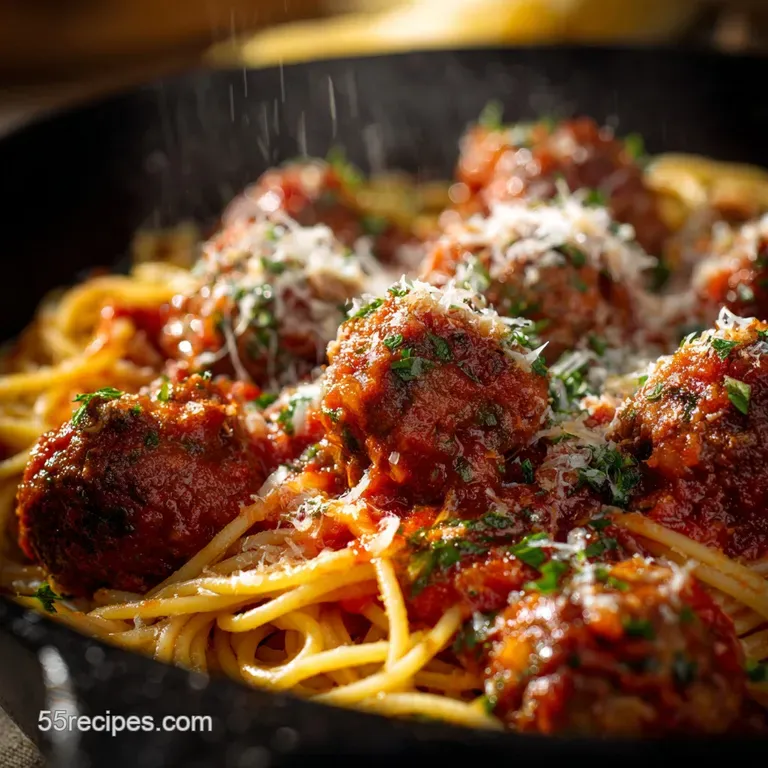
- The Cornerstone of Italian-American Cooking: Why Tender Meatballs Matter
- Achieving the Perfect Texture: The Science of Tender Meatballs
- Essential Ingredients for Authentic Meatballs for Spaghetti
- The Step-by-Step Guide to Forming and Simmering Your Meatballs
- Troubleshooting and Nonna’s Secret Chef Tips
- Make-Ahead and Storage Guide: Freezing Meatballs Safely
- Perfect Pairings: What to Serve With Your Classic Meatballs
- Recipe FAQs
- 📝 Recipe Card
The Cornerstone of Italian American Cooking: Why Tender Meatballs Matter
That smell. It’s impossible to describe the deep, savory hug of meatballs for spaghetti simmering in rich tomato sauce for hours, permeating every corner of your home. When that specific aroma fills the kitchen, you know you are making magic, the kind of meal your family will actually talk about later.
We’re talking about meatballs that nearly dissolve the second they hit your tongue soft, seasoned perfection.
This classic meatballs for spaghetti recipe is a total lifesaver for busy Sundays or when you just need true comfort food immediately. Yes, the low and slow simmer takes some patience, but the active prep is fast, and the ingredients are inexpensive staples you likely already have.
Seriously, ditch the dry, pre-made frozen stuff and make these; they taste like someone’s Italian grandmother lives in your kitchen, dispensing pure deliciousness.
Over the years, I’ve messed up plenty of batches, creating chewy little hockey pucks instead of tender, flavor soaked pillows. But I finally cracked the essential code to making classic, easy meatballs for spaghetti that are worth every second.
I’m ready to share every single trick, starting with why texture is everything.
Moving Beyond the Rubber Ball: Setting the Expectation
Forget everything you think you know about fast cooking ground meat. Most dry, rubbery meatballs happen because of two things: overcrowding the pan and overworking the mixture. We need to respect the meat and the binder.
The final result should be so tender you can cut it with a spoon, not something that bounces off the floor.
What Defines a Truly Great Meatball?
A truly great meatball is an equal balance of flavor and moisture retention. The spices should sing, but the texture is the true measure of success. We are aiming for a classic Italian American style meatball robust, simmered in the sauce, and incredibly juicy inside.
A Brief History of the Slow Simmered Tradition
Traditionally, meatballs for spaghetti sauce were a way to stretch expensive meat further, mixing it with cheaper fillers like stale bread and cheese. The long, low-temperature simmer was crucial. It meant the fat rendered slowly, the binder absorbed the acidic tomato, and the flavors deepened dramatically over hours.
That is why the crock pot meatballs for spaghetti method works so well, too!
Achieving the Perfect Texture: The Science of Tender Meatballs
The secret ingredient here isn't a spice you can buy; it's the technique. We build tenderness in layers, starting with the right meat blend and ending with the long bath in the sauce. This isn't just theory; it’s measurable kitchen science.
Why This Recipe Works
We achieve melt-in-your mouth tender meatballs because we utilize a panade —a wet binder to introduce moisture and bulk simultaneously. By soaking Panko in milk, we ensure the binder is already saturated before it hits the meat, meaning it won’t steal moisture from the ground pork and beef mixture during cooking.
This technique guarantees the final texture is light and fluffy, resisting that dense, dry result.
Essential Ingredients for Authentic Meatballs for Spaghetti
These are the staples I always keep on hand for a truly fantastic batch of meatballs. Don't cheap out on the Parmesan, and please, grate your own onion. Trust me on this.
The Crucial Role of the Panade (Milk Soaked Bread)
The panade is the cornerstone of tenderness. Using soaked bread or Panko essentially creates tiny pockets of moisture throughout the meat. This is non-negotiable if you want cloud like texture.
Why Using a Beef and Pork Blend is Essential
We use a 2:1 ratio of ground beef to ground pork. The ground pork adds crucial fat and a sweet richness that ground beef alone lacks. Beef provides the deep, savory "meatball" flavor, while the pork keeps everything juicy.
Simmer vs. Fry: The Key to Infusing Flavor
You might be tempted to cook these through in the oven, but don't do it! We only sear the meatballs for color and a crusty texture. The bulk of the cooking happens when they are fully submerged in the simmering marinara sauce.
This allows them to absorb all that gorgeous, acidic tomato flavor, making truly flavorful meatballs for spaghetti sauce.
Selecting the Right Meat Blend (The 80/20 Rule)
I insist on using 80/20 ground beef. Anything leaner, like 90/10, will result in dry, crumbly meatballs because there isn't enough fat to render and keep things moist. The beef pork blend naturally hits that sweet spot of high flavor and adequate fat content.
How to Prepare the Aromatic Base (Garlic and Herbs)
Don't just mince your onion; grate it finely on a box grater and squeeze out the excess liquid. This disperses the onion flavor completely without leaving crunchy, undercooked bits. Fresh parsley, garlic, and dried oregano are your best friends here.
Building the Binding Agent (Breadcrumbs vs. Panko)
I prefer Panko because it absorbs liquid effectively without turning gummy, giving a lighter final texture. If you're looking for meatballs for spaghetti without breadcrumbs, you can use quick oats soaked in milk instead, but the texture will be slightly different.
| Ingredient | My Recommendation | Viable Substitution |
|---|---|---|
| Panko Breadcrumbs | Panko, soaked in milk (the panade) | Cubed, day-old white bread, soaked and squeezed |
| Ground Pork | Quality, standard ground pork | Ground Italian Sausage (remove casing, omit salt) |
| Whole Milk | Whole milk for maximum fat/moisture | Heavy cream or half and half |
| Parmesan Cheese | Freshly grated Parmigiano Reggiano | Pecorino Romano (use less salt in the recipe) |
| Egg | One large egg | 2 tablespoons flaxseed meal mixed with 6 tablespoons water (for vegan binding) |
The step-by-step Guide to Forming and Simmering Your Meatballs
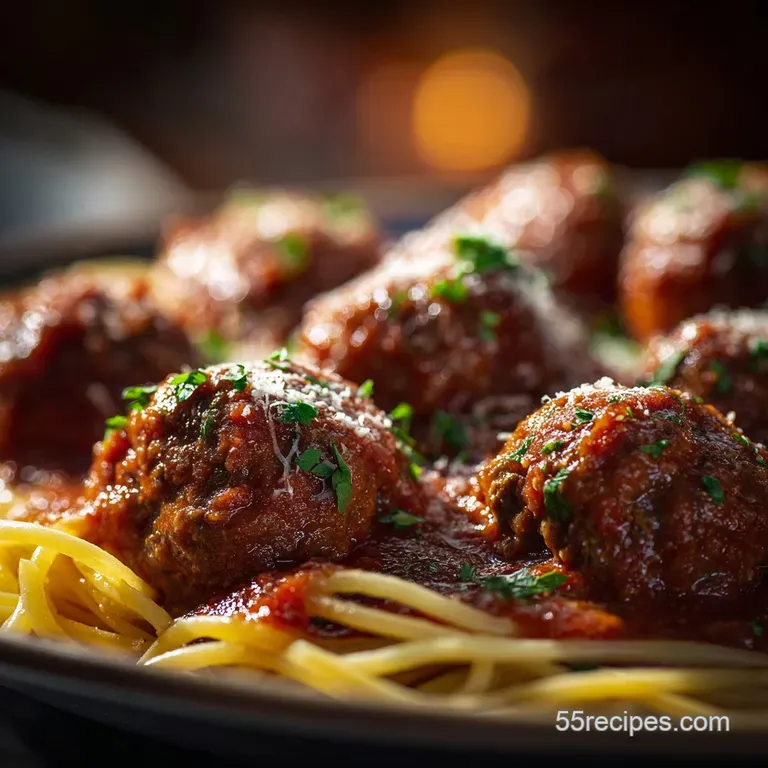
Preparing the Mixture (The Light Hand Technique)
First, make your panade: combine the Panko and milk and let it sit for ten minutes until it’s mushy. Grate your onion and add it, along with the minced garlic and herbs, to the panade. Now, combine the beef and pork in a separate, large bowl. Add the Parmesan, egg, salt, and pepper.
Finally, gently fold in the panade mixture. The moment everything looks combined, stop. Overmixing develops the proteins, which is exactly how you get tough, dense meatballs.
Chef’s Note: Use only one hand to mix. Keep the other clean to hold the bowl or answer the phone. This helps you remember to use a gentle, light touch instead of kneading it like bread dough.
Standardizing Size: Tips for Consistent Meatball Shaping
Use an ice cream scoop (about 1.5 inches) or keep your hands wet while rolling. Consistency is key here. If all the meatballs are the same size, they will all finish cooking at the same time during the long simmer. Place the shaped meatballs on a rack and stick them in the fridge for 30 minutes.
This chilling time firms up the fat and ensures they don't flatten during the initial sear.
The Initial Sear: Locking in the Crust
Heat olive oil in a large Dutch oven until it shimmers. Working in batches, sear the meatballs on all sides until they are deeply golden brown and boast a lovely crust. They are definitely not cooked through yet, but that crust adds a tremendous depth of flavor to the final dish.
Remove them from the pot and set them aside.
The 3 Hour Simmer: Cooking Meatballs for Spaghetti in Marinara Sauce
Pour your marinara sauce into that same pot, scraping up all the delicious browned bits (that's the fond ). Bring the sauce to a very gentle simmer, then carefully drop the seared meatballs back in.
Reduce the heat to the absolute lowest setting, cover partially, and let them cook for a minimum of 90 minutes. I always aim for two or three hours. This slow process ensures they are tender, flavorful, and deeply infused with tomato goodness.
Troubleshooting and Nonna’s Secret Chef Tips
I learned these tips the hard way, usually after serving a disappointing batch to company. Don't make the mistakes I did!
Why Your Meatballs Are Falling Apart (Too Much Moisture)
If your meatballs disintegrate in the sauce, you likely didn't squeeze enough liquid out of the grated onion, or perhaps you added too much milk to the panade. Next time, use less milk, or simply add a tablespoon of dry Panko to the mixture to absorb the excess moisture before shaping.
Handling Over Mixed Meat: Preventing Density
Once you realize you’ve over mixed (the mixture feels dense and sticky, like clay), there isn't much you can do to fix it, sadly. Always, always, stop mixing the second the ingredients are combined. If you must adjust seasoning, do it by tasting a small, cooked test meatball first.
Nonna's Trick for Extra Flavor (Grating Onion)
Seriously, grating the onion is the move. My old batches tasted like chunks of garlic and onion, which is unpleasant. Grating and draining the onion disperses flavor evenly and contributes to the overall light texture. It’s a small step, but it delivers huge results.
make-ahead and Storage Guide: Freezing Meatballs Safely
These meatballs are absolutely ideal for making ahead, which is another reason I love them so much. Prep once, eat twice!
Freezing Uncooked Meatballs (Best Practices)
This is my preferred method. Shape the raw meatballs and place them on a parchment lined tray, not touching. Freeze until solid (about 2 hours). Transfer the frozen meatballs to a freezer safe zip-top bag, pushing out all the air. They keep perfectly for up to three months.
When you're ready to cook, thaw them overnight in the fridge and proceed with the searing and simmering steps.
Reheating Simmered Meatballs Without Drying Them Out
If you have leftovers already cooked in sauce, fantastic! They store well in an airtight container in the fridge for 3 4 days. To reheat, simply put them back into a pot on the stove with their sauce and bring it to a low simmer until warmed through. Never microwave them unless you like a tough exterior.
Perfect Pairings: What to Serve With Your Classic Meatballs
You simply must serve these over traditional spaghetti, naturally. A slightly thicker noodle like linguine or even pappardelle holds up well to the rich, slow simmered sauce too.
Choosing the Best Type of Spaghetti
For me, it has to be a bronze cut pasta. The rougher texture holds onto the sauce much better than standard smooth spaghetti. Toss the cooked pasta directly into the pot with the sauce and meatballs right before serving, ensuring every strand is coated.
A side salad is also mandatory to cut through the richness. Something simple, like mixed greens with a sharp vinaigrette, balances the deep, savory notes perfectly. If you are looking for other easy, savory weeknight dinners that feel equally comforting, you should definitely check out my recipe for Leftover Chicken Breast Recipes: Creamy Leek Pasty for Easy Dinner . Don’t forget the crusty bread for soaking up every last bit of that amazing sauce!
Recipe FAQs
Why are my meatballs dense or tough instead of perfectly tender?
This is almost always caused by overworking the meat mixture. Mixing the ingredients for too long develops the proteins, resulting in a rubbery texture; mix only until the ingredients are just combined.
Additionally, make sure you don't skip the step of soaking the breadcrumbs (the panade), as this introduces crucial moisture that keeps the finished product pillow soft.
Can I prepare these meatballs ahead of time and freeze them for later?
Yes, meatballs freeze beautifully either cooked or raw. To freeze them raw, arrange the shaped balls on a parchment lined sheet pan until they are fully solid, then transfer them to an airtight freezer bag. Cooked meatballs can be frozen submerged in the marinara sauce, providing an excellent ready-made meal.
Do I have to use the beef and pork mix, or can I use all beef?
While the combination of beef (for flavor) and pork (for moisture) is recommended for the ultimate texture, you can certainly use all beef. If you use all beef, ensure the fat content is around 80/20, and consider adding an extra tablespoon of olive oil or butter to the mixture.
This added fat will compensate for the moisture naturally provided by the ground pork.
Should I sear or brown the meatballs before simmering them in the sauce?
Browning is optional but highly recommended; it locks in the shape and adds depth of flavor via the Maillard reaction that simmering alone cannot achieve. If you choose to skip the browning step, you must ensure the sauce is only simmering gently, as raw meatballs submerged in aggressively boiling sauce can easily fall apart.
My meatballs are falling apart while simmering. What did I do wrong?
Meatballs typically fall apart if the binder ratio is incorrect or if the sauce is simmering too vigorously. Make sure the mixture feels slightly sticky before shaping; if too loose, add a small extra spoonful of dry breadcrumbs. Always maintain a very low, gentle bubble in the sauce when cooking raw meatballs.
How can I make these meatballs gluten-free without sacrificing texture?
The easiest substitution is using certified gluten-free breadcrumbs in place of standard ones. Alternatively, finely ground rice cereal or quick cooking oats can be used as effective binders.
The key is still soaking the gluten-free binder in milk or liquid to create that necessary moist panade before incorporating it into the meat mixture.
Can I reduce the fat content of the recipe by using leaner meat?
You can use leaner options like 90/10 beef or ground turkey, but be aware that reduced fat directly correlates with reduced tenderness. If you choose leaner meat, you must compensate by adding moisture boosters like extra panade, grated onion, or an extra egg yolk.
These additions help maintain a tender result despite the lack of fat.
Tender Meatballs For Spaghetti
Ingredients:
Instructions:
Nutrition Facts:
| Calories | 937 kcal |
|---|---|
| Protein | 35.8 g |
| Fat | 39.9 g |
| Carbs | 72.0 g |
