Poultry Seasoning Recipe: Ultimate Homemade Spice Blend (5-Minute Prep)
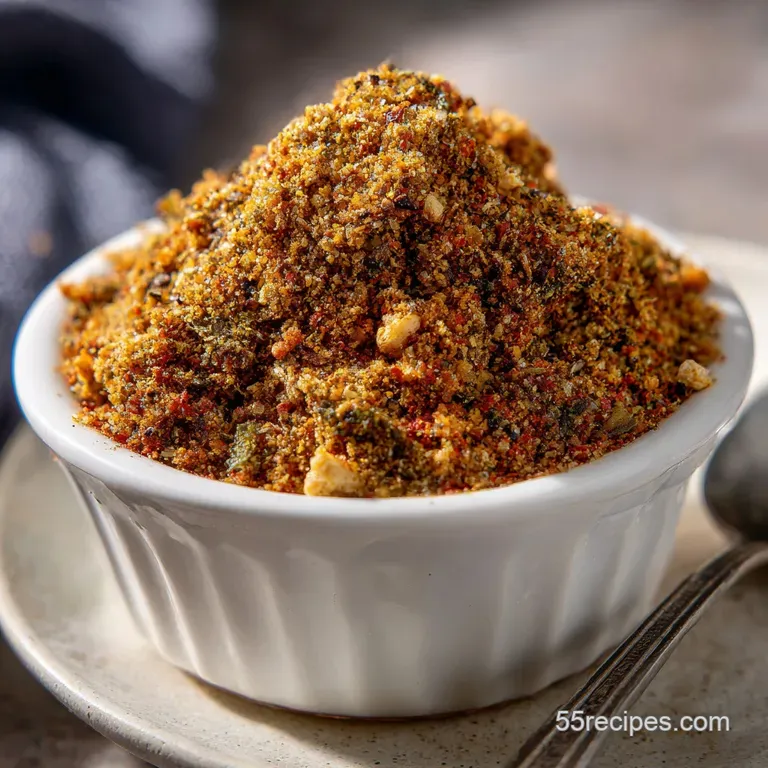
- The Ultimate Roaster's Rub: Homemade Poultry Seasoning Blend
- Why Ditch the store-bought: The Case for Fresh, Homemade Seasoning
- Gathering the Essentials: The Core Ingredients for This Blend
- Customizing Your Mixture: Essential Ingredient Notes and Substitutions
- The Mixing Method: How to Craft the Perfect Poultry Seasoning Recipe
- Troubleshooting Common Blending Issues
- Storage, Freezing, and Reheating
- Serving Suggestions
- Recipe FAQs
- 📝 Recipe Card
The Ultimate Roaster's Rub: Homemade Poultry Seasoning Blend
There is nothing quite like the deeply savory, almost intoxicating aroma that fills your kitchen when you’re mixing up a batch of fresh seasoning. When those sweet, earthy notes of marjoram and sage hit the air, you know dinner is going to be spectacular, especially if you have this magnificent Poultry Seasoning Recipe in hand.
This blend is the herbaceous heartbeat of every great family roast, wrapping everything in a blanket of cozy, autumnal flavor.
Trust me, this simple five minute recipe is an absolute lifesaver. Making this blend at home is not only incredibly cost effective, but using freshly mixed spices results in a flavor potency that those tired jars from the supermarket simply cannot match.
You get complete control over the salt levels, ensuring your finished plate shines brightly, tasting exactly the way you intended.
We’re going beyond the basics today, crafting a truly superior Homemade Poultry Seasoning that elevates humble ingredients into holiday worthy masterpieces.
Let’s ditch the filler heavy store-bought stuff and learn how to make the best, most aromatic Poultry Seasoning Recipe you’ll ever use.
Why Ditch the store-bought: The Case for Fresh, Homemade Seasoning
You might wonder why bother blending your own spices when the dusty jar is so readily available. The simple answer is freshness and control, which is the magic word in a truly good recipe. Commercial mixes are often blended using older stock and contain anti caking agents that dilute the true spicy strength.
Defining the Flavor Profile of Classic Poultry Seasoning
A truly great Poultry Seasoning Recipe should be savory, warm, intensely aromatic, and slightly sweet but never dessert like. The essential structure relies on the powerful trio of rubbed sage, thyme, and the delicate, floral sweetness of marjoram.
When you use this specific Poultry Seasoning Recipe for Chicken or other birds, that deep, comforting flavor penetrates the fat and the meat perfectly.
A Quick Flavor History: The Essential Spices
Historically, this blend evolved from the herbs needed for traditional bread stuffing. It had to be robust enough to stand up to the texture and richness of the stuffing itself. That’s why we include nutmeg; it adds a hint of sweet warmth that makes this feel like a proper Stuffing Seasoning Recipe .
Don't skip the tiny pinch of nutmeg; it’s a brilliant secret weapon.
Cost Efficiency: Making Your Own Signature Blend
If you buy bulk herbs from a specialty store, the cost efficiency of making your own blend is astonishing. You end up paying literally pennies per teaspoon when you make a large batch of your favorite Spice Blends Recipes yourself versus the inflated price of pre-packaged, pre-mixed options.
And you get to use those amazing bulk spices (the ones that actually smell punchy!).
Controlling the Quality: No Fillers or Anti Caking Agents
I once made the mistake of buying a clearance batch of seasoning because it was cheap; it tasted like flavored chalk. Controlling the Quality means you use only pure, potent herbs and spices, avoiding things like rice flour or calcium silicate.
When you make a homemade dry rub, you know exactly what’s in the jar.
Gathering the Essentials: The Core Ingredients for This Blend
We are focusing on the classic, deeply reliable ingredients that make this Poultry Seasoning Recipe perfect for everything from quick weeknight meals to huge holiday feasts. Get your measuring spoons ready!
-
Dried Sage:
The undisputed king of poultry herbs.
- Substitute: Extremely hard to replace, but a mix of thyme and a tiny bit of crushed bay leaf can mimic the earthiness if you are desperate.
-
Dried Thyme (Leaf):
Adds earthy depth and structure.
- Substitute: Ground savory or an equal amount of dried oregano (though the flavor will be sharper).
-
Dried Marjoram:
Sweeter and milder than oregano; gives that distinctive comforting flavor.
- Substitute (for those wanting a Poultry Seasoning Recipe Without Marjoram): Use half the amount of dried oregano, or all thyme.
-
Ground Black Pepper:
Essential warmth.
- Substitute: White pepper, but use half the amount as it’s quite pungent.
-
Fine Sea Salt:
Balances the herbs.
- Substitute: Kosher salt (but use 1.5 times the volume). You can also omit it entirely if you plan to use this for brining.
-
Dried Rosemary:
Adds piney brightness; crush the needles lightly.
- Substitute: Dried dill weed will add freshness, though it changes the profile significantly, giving it a lighter, brighter feel.
-
Garlic Powder & Onion Powder:
Savory non-negotiables.
- Substitute: None, use both! They add essential powdered savory base notes.
-
Ground Nutmeg:
The unexpected star.
- Substitute: A tiny, tiny pinch of ground cloves, but be warned, cloves are overpowering!
Customizing Your Mixture: Essential Ingredient Notes and Substitutions
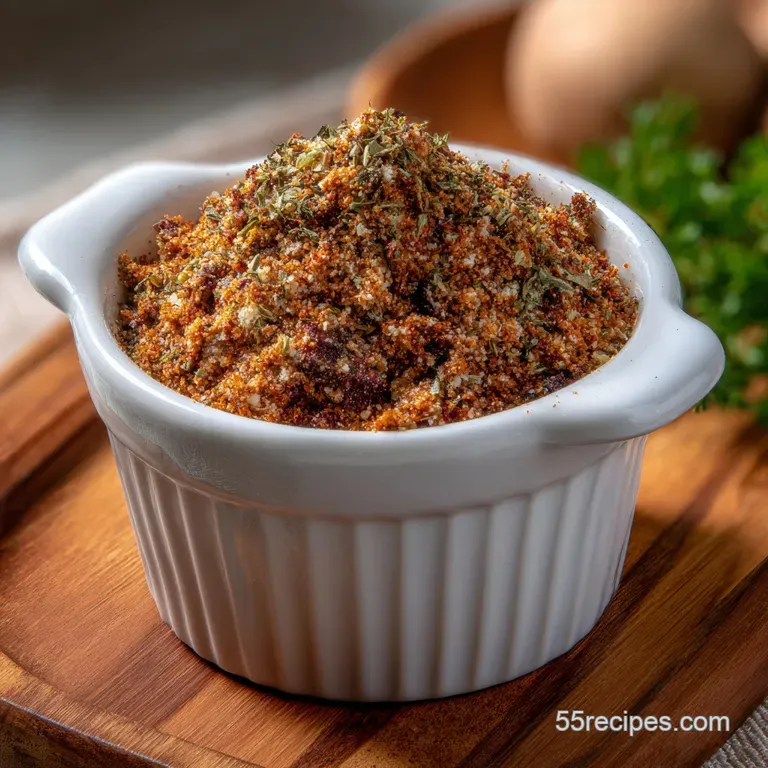
Detailed Spice Breakdown: Ratios for a Balanced Flavor
The key to this specific Poultry Seasoning Recipe is the 4:3:2 ratio of sage, thyme, and marjoram. Sage sits at the front, offering classic flavor, while thyme supports it, and marjoram smooths the sharp edges. Don’t just dump everything in!
Scaling the Recipe: Calculations for Small Batch vs. Bulk
I usually make a bulk batch, yielding about one cup, because I use it all the time . If you are new to the blend, start with a small batch, cutting all the measurements in half. Always label and date your jar no matter the size, so you know exactly when it was blended fresh.
| Ratio Target | Base (Approx. 1 Cup) | Small Batch (Approx. 1/2 Cup) |
|---|---|---|
| Sage | 4 Tbsp | 2 Tbsp |
| Thyme | 3 Tbsp | 1.5 Tbsp |
| Marjoram | 2 Tbsp | 1 Tbsp |
Optional Additions: Brightness (Lemon Peel) and Heat Considerations
If you want a very bright flavour, perfect for grilling, add 1 tablespoon of dried lemon peel (which is just the zest, dried). Another great tip for heat is adding cayenne, but start small; half a teaspoon adds mere warmth, but a full teaspoon creates a spicy kick.
Did you know this blend is also fantastic when mixed with butter for injecting? If you're tackling a holiday bird, try my method for the juiciest results outlined in my Turkey Injection Recipe: Best Juicy Herb Butter Method .
Ingredient Quality Check: Using Whole vs. Pre-Ground Spices
Whenever possible, use whole spices and grind them yourself immediately before blending. For instance, buying whole nutmeg and grating it just before using makes a massive difference in that warm, heady aroma.
However, for convenience, this Poultry Seasoning Recipe uses reliable dried and ground spices that are easy to measure.
The Mixing Method: How to Craft the Perfect Poultry Seasoning Recipe
This is the easiest step, but it must be done with intention. You aren’t just stirring; you are marrying flavors.
Step 1: Preparation and Measurement Precision
Gather all your ingredients first. This avoids that dreadful moment when you realize you're missing the marjoram halfway through mixing. Use proper measuring spoons level them off perfectly, especially for potent spices like nutmeg and cayenne, where too much can ruin the entire blend.
Step 2: The Art of the Perfect Blend (Manual vs. Machine)
I prefer a manual blend. Add all the measured ingredients to a small, dry bowl. Then, using a small whisk or even just a fork, gently combine them. Whisking ensures the heavy, fine powders (like garlic powder) don't sink to the bottom while the lighter, leafier herbs (like thyme) float on top.
Keep mixing until the color is uniform and you cannot see individual pockets of any single spice.
Chef’s Note: Never use a wet bowl! Any moisture introduced now will cause clumping and drastically shorten the shelf life of your seasoning. Always ensure the container and the bowl are bone dry.
Screening and Final Testing: Ensuring Uniform Consistency
If you prefer a super smooth rub (often necessary if you are making a paste to go under the skin), you can push the finished blend through a fine mesh sieve. This removes any large herb pieces, resulting in an incredibly uniform powder.
After mixing your Best Poultry Seasoning blend, take a tiny pinch and rub it aggressively between your fingers. Taste that little bit! This sensory test tells you immediately if you need more salt or a little more spicy flair.
Dos and Don'ts of Mixing Spices for Optimal Flavor Fusion
DO use freshly bought herbs for the best flavor payoff. DO crush any large dried leaves (like rosemary needles) slightly before measuring.
DON’T mix spices over a boiling pot; the rising steam will ruin the rest of the mix when it condenses back down. DON’T use old spices that have lost their scent if you can’t smell it, you won’t taste it.
Troubleshooting Common Blending Issues
I once accidentally doubled the garlic powder in a blend, and the roasted bird tasted strangely bitter. We all make mistakes!
- Problem 1: Bland Flavor: This usually happens when the spices are too old. The fix? Toss the old, dusty spices and make a fresh batch using new, fragrant ingredients.
- Problem 2: Too Salty: If you accidentally over salted, don't throw it out! Simply double the quantity of ALL the other salt free ingredients (sage, thyme, marjoram, etc.) to dilute the sodium content.
- Problem 3: Clumping: The only reason for clumping is moisture. If it’s minor, spread the blend on a baking sheet and leave it in a cool, dry place overnight. If it’s major, you might have to discard it or use it immediately, as it won't store well.
Storage, Freezing, and Reheating
Since this is a dry seasoning blend, storage is vastly different than storing a meal like the comforting Oxtail Soup Recipe: Deep, Rich, Slow Braised Comfort .
How to Store Leftovers
Store your finished Poultry Seasoning Recipe in a glass jar or a sealed, airtight plastic container. Place it in a cool, dark cupboard or pantry, away from the heat output of your stove or oven. High heat rapidly degrades the volatile oils, turning your vibrant seasoning into disappointing dust.
Stored properly, this blend will maintain peak flavor for 6 to 12 months.
Freezing Instructions
Can you freeze dry spices? Yes, you can, but it’s entirely unnecessary for shelf stability and often causes condensation issues when you pull it out. A properly sealed jar stored in the cupboard is far more effective than freezing. Do not freeze.
Best Reheating Methods
Since this is a dry blend, there is no "reheating." The "reheating" magic happens when you rub it on the protein and it hits the heat of an oven or grill! The heat releases the trapped essential oils, creating that incredible aroma and taste that defines this Best Poultry Seasoning .
Serving Suggestions
What to Serve With This Dish
The primary purpose of this blend is to season your main dish. Use this Poultry Seasoning Recipe for Chicken wings, turkey burgers, or mix it into breadcrumbs for a glorious coating. It's the perfect rub for a whole bird, whether you’re roasting, grilling, or even using a rotisserie.
This blend is also surprisingly versatile; I use it to lightly dust roasted potatoes or even sprinkle a pinch into my gravy. It’s also gorgeous as a crust for other meats. I sometimes use a slightly modified, bolder version of this blend when making something like my Herbes de Provence Crusted Pork Loin Roast Recipe . Get creative! Mix this Homemade Poultry Seasoning with olive oil or melted butter to create a potent paste, perfect for rubbing under the skin for maximum flavour transfer. Give this Poultry Seasoning Recipe a try; you won't ever go back to store-bought, I promise!
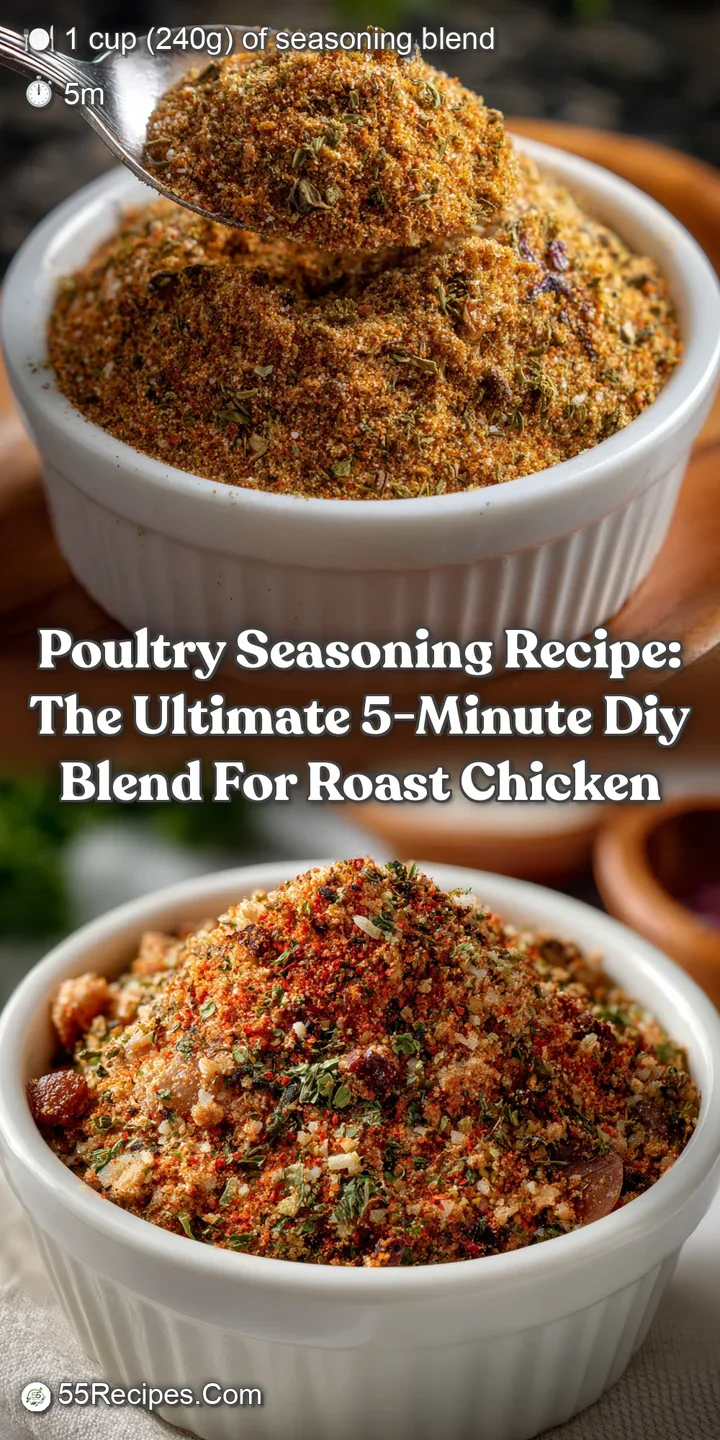
Recipe FAQs
What is the secret ingredient that gives homemade poultry seasoning its distinct 'umami' depth?
The depth often comes from the balance of dried savory herbs like thyme and sage, amplified by a small amount of onion or garlic powder. For a true 'umami' boost, some recipes include a tiny pinch of dried mushroom powder or nutritional yeast, though it is not strictly traditional.
How should I properly store the finished poultry seasoning to maximize its shelf life and potency?
Store the blend in an airtight glass jar away from direct heat, sunlight, and moisture. Optimal storage is in a cool, dark cabinet, which prevents the essential oils from evaporating too quickly.
Can I use fresh herbs instead of dried herbs, and if so, what is the proper conversion ratio?
While you can use fresh herbs, they are typically less potent and dramatically shorten the seasoning's shelf life. The general conversion rule is 3:1; use three tablespoons of fresh herbs for every one tablespoon of dried herbs.
Why does my seasoning taste primarily of one herb (like sage) rather than a balanced blend?
This usually indicates that the herbs were not adequately mixed or that the ratios need adjustment. Ensure you measure all ingredients carefully and shake or stir the blend vigorously for 60 seconds to ensure consistent distribution of flavors.
What is the best way to activate the flavors immediately before using the seasoning on poultry?
To release the maximum flavor, gently rub the blend between your fingers or lightly toast it in a dry pan for about 30 seconds before incorporating it into a wet rub or sprinkling it onto the skin. This warmth revives the dried oils and intensifies the aroma.
How long will this homemade poultry seasoning remain fresh and potent?
When stored correctly in an airtight container, the blend should retain excellent flavor and aroma for six months to a year. If the spices lose their strong smell (become muted), it is time to refresh your batch for optimal cooking results.
Can I make this blend salt free, and how should I compensate for the flavor loss?
Absolutely, homemade seasonings are easy to make salt free for health reasons. To compensate for the missing salt, increase the amount of dried herbs like oregano or marjoram, or add a pinch of citric acid to give the blend a bright, appealing edge.
Ultimate Homemade Poultry Seasoning Blend
Ingredients:
Instructions:
Nutrition Facts:
| Calories | 209 kcal |
|---|---|
| Protein | 3.8 g |
| Fat | 6.3 g |
| Carbs | 34.4 g |
