Chuck Eye Steak: the Ultimate Pan-Seared Recipe
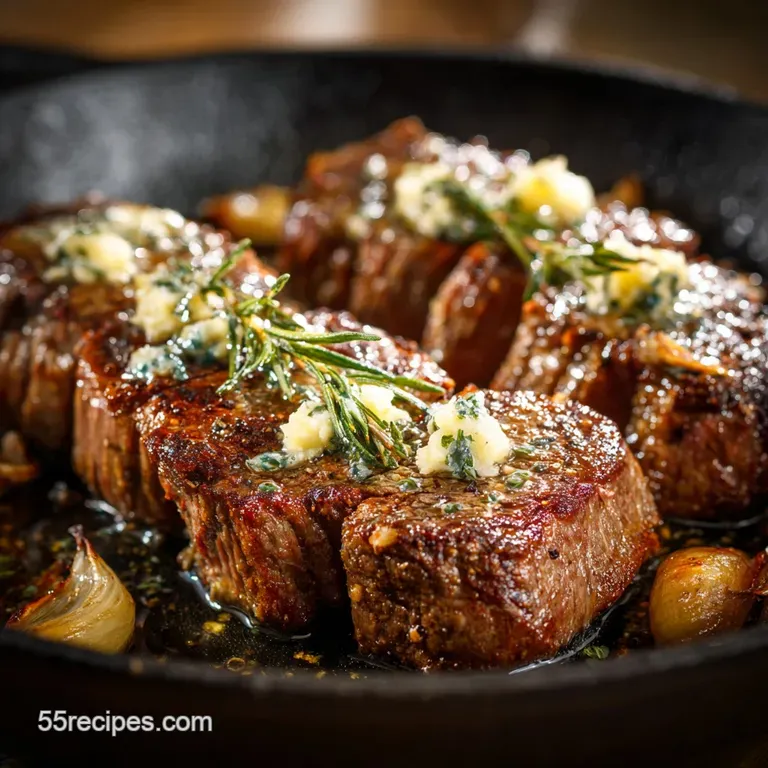
- Introducing the Butcher's Secret: Maximizing the Flavor of the Chuck Eye
- Achieving the Perfect Ribeye Texture: The Science Behind the Sear
- Essential Components for the Ultimate Pan-Seared Steak
- The Method: A Step-by-Step Guide to Cooking Your Chuck Eye Steak
- Expert Secrets: Troubleshooting and Avoiding Common Steak Errors
- Complete the Meal: Recommended Sides and Wine Pairings
- Recipe FAQs
- 📝 Recipe Card
Introducing the Butcher's Secret: Maximizing the Flavor of the Chuck Eye
There is nothing in the world like the sound of a perfectly dry steak hitting screaming hot cast iron. That immediate, aggressive sizzle promises a crust that is both deeply savory and intensely satisfying.
Then comes the aroma: toasted fat, nutty brown butter, and a cloud of thyme and rosemary that makes your kitchen smell impossibly expensive.
But here is the real secret: that gorgeous, restaurant quality meal shouldn't cost you a fortune. Forget the high price tags on Ribeyes; the unsung hero of the meat counter, the Chuck Eye Steak , is here to save your wallet and your dinner plans.
This cut is notoriously flavourful, forgiving, and delivers that beautiful marbling you crave, proving that gourmet cooking doesn't need a massive budget or endless time.
We are going to treat this amazing piece of meat like absolute royalty. I’m sharing the exact method learned through years of pan-searing mistakes that ensures your Chuck Eye Steak comes out tender, juicy, and bathed in the most decadent garlic herb butter baste imaginable.
Let's crack on, shall we?
Achieving the Perfect Ribeye Texture: The Science Behind the Sear
What Makes the Chuck Eye an Underrated Cut?
The Chuck Eye Steak is often called the "poor man's Ribeye," and that title comes from pure geographical proximity. This cut is sliced from the fifth rib, right where the Chuck primal transitions into the Rib primal, meaning it contains some of the same incredibly desirable marbling and muscle structure as the Ribeye itself.
It is rich, exceptionally flavourful, and carries enough intramuscular fat to stay juicy even when seared aggressively. If you can find a thick cut, well marbled Chuck Eye Steak , you have won the lottery.
Why Pan-Searing is the Superior Method for This Cut
Because the Chuck Eye Steak has inherent richness and intramuscular connective tissue, a quick, over high heat method works best to break down that tissue rapidly.
Grilling can be lovely, but pan-searing gives you maximum control over the surface temperature and allows you to use the rendered fat to create an internal steam bath via basting. This concentrated heat and quick cooking time locks in the juices and ensures a tender finish.
For a thick, juicy Chuck Eye Steak , the skillet reigns supreme.
The Magic of the Garlic Herb Butter Baste
The basting stage is non-negotiable for this recipe. We start with screaming high heat to get the crust, but then we introduce cold butter, garlic, and herbs right at the end. The foaming butter acts as a vehicle, constantly showering the top of the Chuck Eye Steak with fragrant fat.
This not only infuses the surface with deep flavour but also helps regulate the internal temperature, ensuring a gentle, even cook right up to the final doneness. It makes the outside glossy, and the flavour profile explodes.
The Role of High Heat and the Maillard Reaction
The Maillard reaction is just a fancy name for what happens when the proteins and sugars on the surface of your Chuck Eye Steak brown and create hundreds of complex, savory flavor compounds.
This only happens efficiently when two things are true: the surface must be completely dry, and the pan temperature must be scorching hot (above 350°F or 175°C). That deep brown crust isn't just for looks; it's the core of the flavor experience.
Understanding the Importance of Carryover Cooking
I made this mistake for years: pulling the Chuck Eye Steak off the heat exactly when it hit the target temperature. You absolutely must account for carryover cooking. Because the exterior of the steak is so hot, it continues to cook the interior after it leaves the pan.
For a perfect medium rare, pull the steak at 125°F (52°C); the internal temperature will rise another 5 10°F during the essential rest period.
How Fat Render Affects Overall Tenderness
The fat content in a high-quality Chuck Eye Steak is a huge advantage, but only if you manage it properly. When the fat renders quickly on the hot pan, it essentially lubricates the muscle fibers, contributing to that "melt-in-your mouth" texture.
If the pan isn't hot enough, the fat will just sit there and steam, making the exterior greasy instead of crispy. A quick, aggressive sear ensures you get flavourful, rendered fat instead of chewy, raw fat pockets in your Chuck Eye Steak .
Essential Components for the Ultimate Pan-Seared Steak
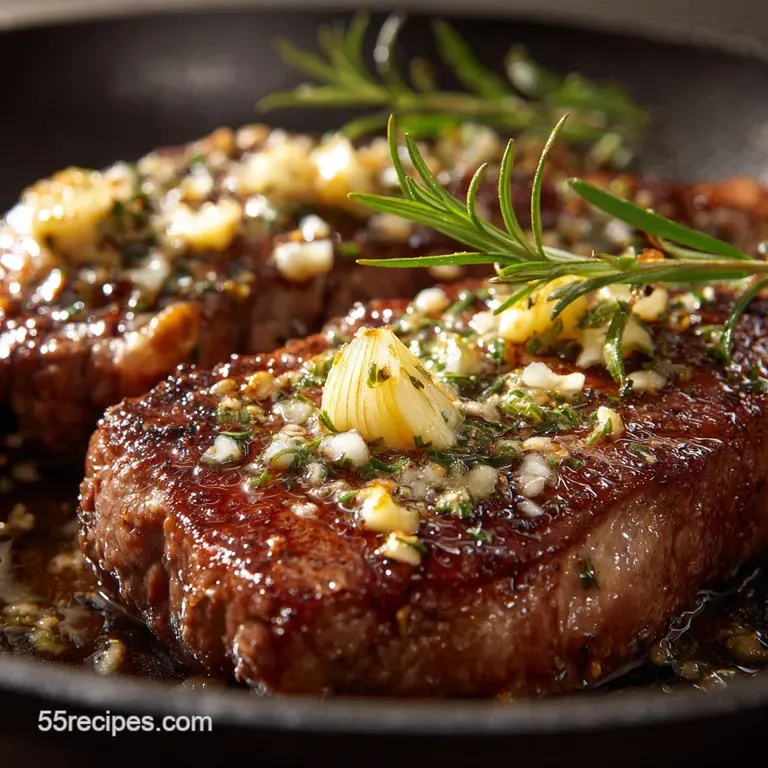
Selecting the Right Cut Thickness (The importance of 1.5 inches)
If you can choose your own cut, aim for 1.25 to 1.5 inches thick. Thinner steaks cook too fast, making it almost impossible to develop a crust without completely overcooking the center.
A thicker cut gives you the necessary thermal buffer time to sear aggressively and develop the crust while still leaving the center cool enough for that perfect medium rare. Don't be shy; ask the butcher specifically for a thick cut Chuck Eye Steak .
Fresh vs. Dried Herbs: Optimal Flavor Impact
For the basting stage, fresh herbs are non-negotiable. Dried herbs will burn and taste dusty when exposed directly to foaming butter in a hot pan. Fresh rosemary and thyme release their essential oils directly into the butter as it foams, creating an intoxicating aroma and a clean, vibrant flavor.
| Ingredient | My Recommendation | Viable Substitution |
|---|---|---|
| Chuck Eye Steak | 1.25 inches thick, highly marbled | Flat Iron or Denver Steak |
| Kosher Salt | Coarse grain | Fine Sea Salt (use half the amount) |
| Cooking Oil | Canola, Grapeseed, or Vegetable | Avocado Oil (highest smoke point) |
| Unsalted Butter | Cold, cut into pieces | Ghee or high-quality stick margarine |
| Fresh Herbs | Rosemary & Thyme | ½ tsp dried Italian seasoning (added late) |
Fat Selection: Choosing the Best Oil for High Heat Searing
You need an oil with a high smoke point for the initial sear. Save the fancy extra virgin olive oil for salad dressings! I prefer simple grapeseed or canola oil because they are virtually tasteless and can withstand the extreme heat required to sear the Chuck Eye Steak correctly without burning or adding off-flavors.
Salt and Pepper Ratio for Maximum Crust
I use coarse Kosher salt for seasoning. It’s perfect because the coarse flakes adhere well to the surface and help draw out moisture during the initial rest. Use more salt than you think you need!
Most of the salt will fall off in the pan, but the salt that stays put is essential for building that savory, crusty exterior. Black pepper should be freshly cracked pre-ground pepper tastes flat, and often burns quickly when searing this Chuck Eye Steak recipe.
Chef’s Note: Do not pepper the steak until right before it hits the pan. If you season too early with pepper, it can scorch under the high heat. Salt 30 minutes before, pepper just before cooking.
The Method: A step-by-step Guide to Cooking Your Chuck Eye Steak
Preparation and Initial Temperature Requirements
This step is critical: take your seasoned Chuck Eye Steak out of the fridge a minimum of 30 minutes (and ideally 45 minutes) before cooking. Cooking a cold steak results in a gray, overcooked exterior and a cool, raw center.
By letting it reach room temperature, you ensure that the heat penetrates evenly, guaranteeing a wall-to-wall pink medium rare finish. Remember to pat it completely dry before seasoning!
Developing the Crust: Searing Times by Thickness
Put your cast iron pan over high heat and let it preheat for a full five minutes until it's just smoking. Add your over high heat oil. Once the oil shimmers, lay your Chuck Eye Steak gently into the pan, away from you. For a 1.25 inch steak, sear for 3 minutes exactly, undisturbed. Do not touch it! Don't peek! This is where the crust forms. Flip, and sear the second side for 1 to 2 minutes before introducing the butter baste. If you want to master searing in general, you should read my guide on How to Cook Steak On Perfectly Grilled Every Time , as the principles are identical.
The Basting Technique: Infusing Garlic Herb Butter
Turn the heat down to medium low. Toss in the butter, smashed garlic, rosemary, and thyme. As soon as the butter is melted and foaming, tilt the pan towards you so the butter pools into one spot.
Use a metal spoon to scoop the foaming butter and continuously pour it over the top surface of the Chuck Eye Steak for 1– 2 minutes. Keep basting, making sure to get the herbs and garlic flavour into every crevice. The goal is infusion, not scorching.
Achieving Absolute Doneness: Resting and Slicing
Once the internal temperature hits 125°F (for medium rare), immediately transfer the Chuck Eye Steak to a wire rack set over a baking sheet. Pour any remaining pan drippings over the top. Now, walk away for 10 minutes. Seriously, set a timer.
Slicing too early will allow all those beautiful juices now saturated with garlic and herbs to flood your cutting board instead of staying in the meat. When you slice, always slice against the grain, which looks like lines running across the steak.
Cutting against them shortens the muscle fibers, making every bite unbelievably tender.
Expert Secrets: Troubleshooting and Avoiding Common Steak Errors
The Importance of Drying the Surface Before Searing
If you skip the paper towel pat-down, any residual moisture on the surface of your Chuck Eye Steak will instantly turn to steam when it hits the hot pan. Steam lowers the surface temperature dramatically, preventing the Maillard reaction.
Instead of searing and browning, the steak ends up simmering. You won't get a crust, you’ll get a soggy exterior, and your entire kitchen will curse you.
What to Do If Your Pan Isn't Hot Enough
If you put the oil in and it heats slowly, or if the oil doesn't shimmer instantly when added, your pan isn't ready. Remove the oil (carefully!), wipe the pan quickly with a towel, and let it heat for another 3 minutes. You need the pan to be bordering on too hot.
If your first flip of the Chuck Eye Steak doesn't reveal a deep, dark brown crust, increase the heat and be more aggressive on the second side.
Calibrating Temperature: How to Use an Instant Read Thermometer
Do not eyeball it. I know you feel like a pro, but even pros use thermometers. An instant read digital thermometer is your best friend when cooking a valuable cut like the Chuck Eye Steak .
Insert the thermometer horizontally into the thickest part of the steak, avoiding any large pockets of fat or bone. You are looking for the lowest temperature in the center. Trust the reading; it’s far more reliable than the poke test.
Safe Storage Guidelines for Cooked Steak
Once cooked, your Chuck Eye Steak should be refrigerated within two hours. Store the leftovers in an airtight container. Properly stored, cooked steak is safe and delicious for 3 to 4 days in the refrigerator.
I actually enjoy cold, sliced Chuck Eye Steak the next day on a sandwich it’s fantastic.
Best Practices for Reheating Without Drying Out
Reheating steak is tricky business; the goal is to warm it without cooking it further. Never microwave your beautiful Chuck Eye Steak. The best method is slow and gentle: preheat your oven to a low 250°F (120°C). Place the steak on a wire rack over a baking sheet.
Heat for 10 to 15 minutes, or until the internal temperature reaches 110°F (43°C). It will be warm, juicy, and almost as good as the first night.
Freezing Cooked Steak: Is It Recommended?
While you can freeze cooked Chuck Eye Steak , I generally don't recommend it. Freezing cooked meat tends to dry out the texture, and the quality of the fat changes upon thawing.
If you must freeze, wrap the fully cooled steak very tightly in plastic wrap, then aluminum foil, and store in a freezer bag. Use within 3 months. When thawing, do so slowly overnight in the refrigerator.
Complete the Meal: Recommended Sides and Wine Pairings
This rich, fatty Chuck Eye Steak stands up well to bold flavors and rich sides. Because we are using the garlic herb baste, keep the sides simple so the steak remains the star.
- Something Sharp: The richness of this steak screams for something acidic and bright. A simple arugula salad with sharp parmesan cheese and a lemon vinaigrette cuts through the fat beautifully.
- Something Classic: You can never go wrong with a perfectly mashed potato, or perhaps some crisp oven-roasted potatoes with rosemary.
- Sauce It Up: While the butter baste is perfect on its own, if you want a little extra herbaceous kick, try making a batch of my bright, zesty Chimichurri Recipe: The Essential Argentinian Sauce for Steak . It’s a match made in heaven for this rich cut. If you want something totally fresh, my Black Eyed Pea Salad: The Best Easy, Zesty Texas Caviar Recipe offers a vibrant, crunchy contrast.
If you follow these steps especially drying, searing hot, and resting properly this simple Chuck Eye Steak recipe will quickly become your new weeknight favorite. It delivers all the luxury without the luxury price tag. Enjoy every glorious, buttery bite!
Recipe FAQs
Why is my Chuck Eye steak coming out tough or chewy?
Chuck Eye contains more connective tissue than a Ribeye, so the number one mistake is slicing parallel to the grain instead of against it. Furthermore, undercooking or significantly overcooking this specific cut can both result in toughness; always use a thermometer and ensure the internal temperature hits your target before resting.
Can I substitute the cast iron pan for a regular non-stick skillet?
We strongly advise against using a non-stick pan for this high heat searing method, as it will likely damage the pan's coating and fail to achieve a proper crust. We recommend using a heavy bottomed stainless steel pan or, ideally, a cast iron skillet, which retains the high heat necessary for developing that crucial Maillard reaction.
What is the ideal thickness for a Chuck Eye Steak for pan-searing?
Aim for a steak cut between 1 and 1.5 inches thick to ensure the best balance between crust and interior doneness. Thicker steaks allow you adequate time to develop a deep, dark sear on both sides during the initial high heat phase before you begin the lower heat butter basting process.
At what point should I add the butter and herbs for basting, and why is my butter burning?
Add the butter only after achieving your initial high heat sear, then immediately reduce the stove heat to medium low before introducing the butter and herbs. Butter burns easily due to its low smoke point, and if the residual heat from the searing phase is too high, the milk solids in the butter will quickly scorch and impart a bitter flavour.
Why is resting the steak so important after searing and basting?
Resting allows the contracted muscle fibers, which tightened during the high heat cooking process, to relax and evenly redistribute the internal juices throughout the meat. Cutting the steak too early will cause those trapped, flavorful juices to run out onto the cutting board, resulting in a significantly drier final product.
How long can I safely store leftover cooked Chuck Eye Steak?
Leftover cooked steak should be stored in an airtight container in the refrigerator and safely consumed within 3 to 4 days. When reheating, it is best to use a quick, gentle method, like a low-temperature oven or a quick flash sear, to prevent the steak from drying out excessively.
I don't have fresh herbs; can I use dried rosemary and thyme instead?
While fresh herbs are always preferred for their superior aromatic oils during the basting process, you can substitute dried herbs if necessary. Use about one-third the amount of dried herbs compared to the suggested fresh quantity, and crush them slightly in your palm before adding them to the foaming butter.
Ultimate Pan Seared Chuck Eye Steak
Ingredients:
Instructions:
Nutrition Facts:
| Calories | 866 kcal |
|---|---|
| Protein | 47.8 g |
| Fat | 70.9 g |
| Carbs | 2.7 g |
