The Perfect Hong Kong Milk Tea Recipe
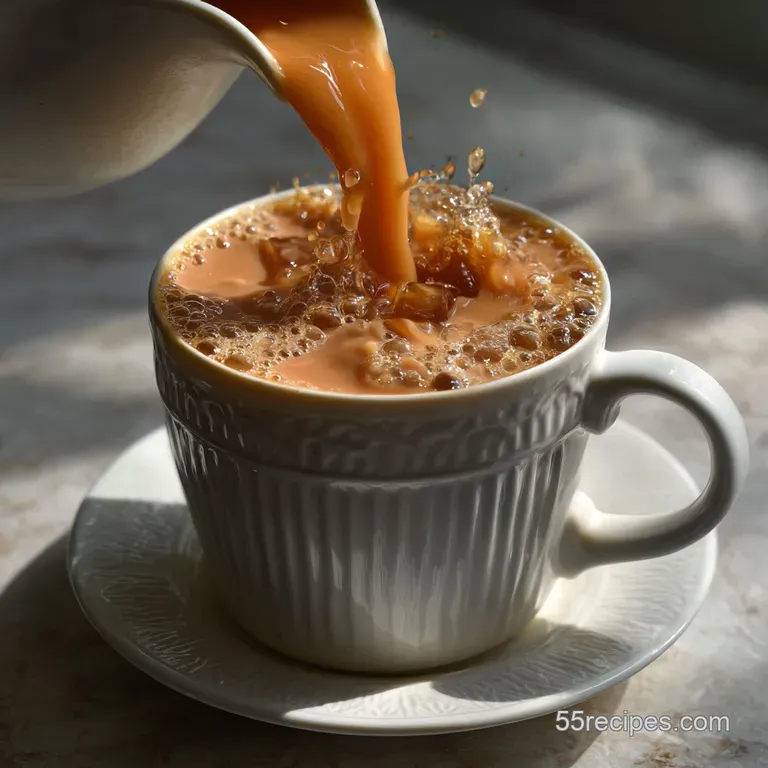
- Effort/Time:25 minutes total (Low effort, high precision)
- Flavor Hook: Bold, malty, and exceptionally creamy
- Perfect for: Mid-afternoon caffeine boosts or authentic brunch pairings
- Mastering the Velvety Texture of Authentic Hong Kong Milk Tea
- The Legacy of Authentic Hong Kong Milk Tea
- The Science of Why This Recipe Works
- Essential Ingredients and Substitutions
- Step-by-Step Instructions for the Perfect Brew
- Expert Tips and Common Mistakes to Avoid
- Common Myths
- Storage and Freezing Guidelines
- Serving Suggestions for an Authentic Experience
- Recipe FAQs
- 📝 Recipe Card
Mastering the Velvety Texture of Authentic Hong Kong Milk Tea
The steam hits you first bitter, floral, and deeply earthy, followed by the sight of that iconic copper colored swirl. If you've ever tried making hong kong milk tea at home only to end up with a watery, overly astringent mess, I feel your pain.
I spent months clogging my sink with tea leaves and burning my fingers with "pulling" experiments before realizing the secret isn't just the tea; it's the thermal kinetics of the brew. Trust me, once you nail the ratio of Ceylon B.O.P. to evaporated milk, you’ll never settle for a powdered mix again.
Let’s crack on and get that café quality silkiness in your own kitchen.
The Legacy of Authentic Hong Kong Milk Tea
Hong kong milk tea is a liquid symbol of cultural fusion, born from British colonial tea traditions and adapted for the local palate in 1950s "Dai Pai Dongs" (open air food stalls).
While the British added fresh milk and sugar to refined tea, Hong Kong locals opted for evaporated milk to achieve a denser, more shelf stable richness that could stand up to highly concentrated black tea.
This isn't just a drink; it's a "Cha Chaan Teng" staple that demands a specific level of "astringency" (the dry sensation on the tongue) balanced by high milk fat content.
From British Influence to Cha Chaan Teng Staple
The transition from a luxury beverage to a working class fuel involved intensifying the brew. To compete with the humidity and long workdays, the tea base for hong kong milk tea became significantly stronger than its Western counterpart.
Cafes began using "sack like" cloth filters that darkened over time, leading to the nickname "silk stocking tea," though the material is actually fine mesh cotton.
Defining the Iconic Silk Stocking Texture
The "silk" in hong kong milk tea refers to the mouthfeel, not the filter. Achieving this requires "pulling" the act of pouring the tea from a height through a filter multiple times.
This process aerates the liquid, softening the tannins and ensuring the evaporated milk integrates at a molecular level rather than just sitting on top of the tea.
Balancing Tannins with Creamy Fats
A great milk tea recipe relies on the chemical tug-of-war between tea polyphenols and milk proteins. If the tea is too weak, the milk overwhelms it; if it's too strong, it becomes unpleasantly bitter.
We use a 70/20/10 blend of Ceylon, Assam, and Earl Grey to provide a multi layered profile of color, body, and aroma.
The Science of Why This Recipe Works
- Tannin Protein Binding: Casein proteins in the Nestlé Carnation Evaporated Milk bind to the tea’s astringent polyphenols, neutralizing bitterness while retaining the "brisk" flavor profile.
- Thermal Kinetic Extraction: Steeping at a consistent 96°C (205°F) maximizes the extraction of theaflavins, which provide the signature reddish orange hue of hong kong black tea.
- Aeration and Volatility: The "pulling" technique lowers the tea temperature slightly while releasing volatile aromatic compounds, creating a smoother texture through oxygen integration.
The Science Behind 70% Ceylon B.O.P.
- What It Does
- Provides the structural "skeleton" and vibrant color of the hong kong milk tea.
- The Chemistry
- B.O.P. (Broken Orange Pekoe) has a larger surface area than whole leaves, leading to rapid polyphenol extraction and high caffeine concentration.
- Why This Matters
- It ensures the tea flavor remains dominant even after the heavy addition of concentrated milk solids.
The Science Behind Full Fat Evaporated Milk
- What It Does
- Acts as a thickening agent and flavor stabilizer.
- The Chemistry
- Through the process of vacuum evaporation, 60% of the water is removed, concentrating the milk fats and lactose.
- Why This Matters
- The lower water content prevents the milk tea from becoming diluted, maintaining a "velvety" viscosity that coats the palate.
The Science Behind Granulated Sugar
- What It Does
- Modulates the perception of bitterness and enhances the tea’s floral notes.
- The Chemistry
- Sugar molecules undergo solvation, surrounding tea tannins and physically blocking them from reacting with bitterness receptors on the tongue.
- Why This Matters
- It transforms a harsh, medicinal brew into a balanced, dessert like beverage without masking the tea's natural terroir.
Essential Ingredients and Substitutions
To get this right, you need a high-quality tea brewing setup. I recommend using a Hario Buono V60 Drip Kettle for precision pouring and a fine mesh cotton tea sock or a nut milk bag.
| Original Ingredient | Substitute | Why It Works |
|---|---|---|
| 3 tbsp Tea Blend | 3 Lipton Yellow Label bags | Higher "dust" content provides similar strength but lacks the Earl Grey's floral top note. |
| 1/2 cup Evaporated Milk | 1/2 cup Half and Half | Similar fat content. Note: Lacks the caramelized flavor of cooked down evaporated milk. |
| 2 tsp Granulated Sugar | 1.5 tsp Condensed Milk | Adds sweetness and extra creaminess. Note: Reduce evaporated milk by 1 tbsp to compensate. |
Selecting the Best Ceylon Black Tea Blends
For a professional Chinese milk tea recipe, look for "Broken Orange Pekoe" (B.O.P.) or "Fannings." I use Taylor's of Harrogate Ceylon for the base. The 20% Assam provides a malty "biscuit" note, while the 10% Earl Grey adds a bergamot citrus lift that cuts through the heavy fats.
Evaporated Milk vs. Condensed Milk
While some iced milk tea recipes use condensed milk for convenience, authentic hong kong milk uses evaporated milk. This allows you to control the sugar levels independently.
Using Nestlé Carnation is the industry standard in Hong Kong because of its consistent fat-to-protein ratio.
step-by-step Instructions for the Perfect Brew
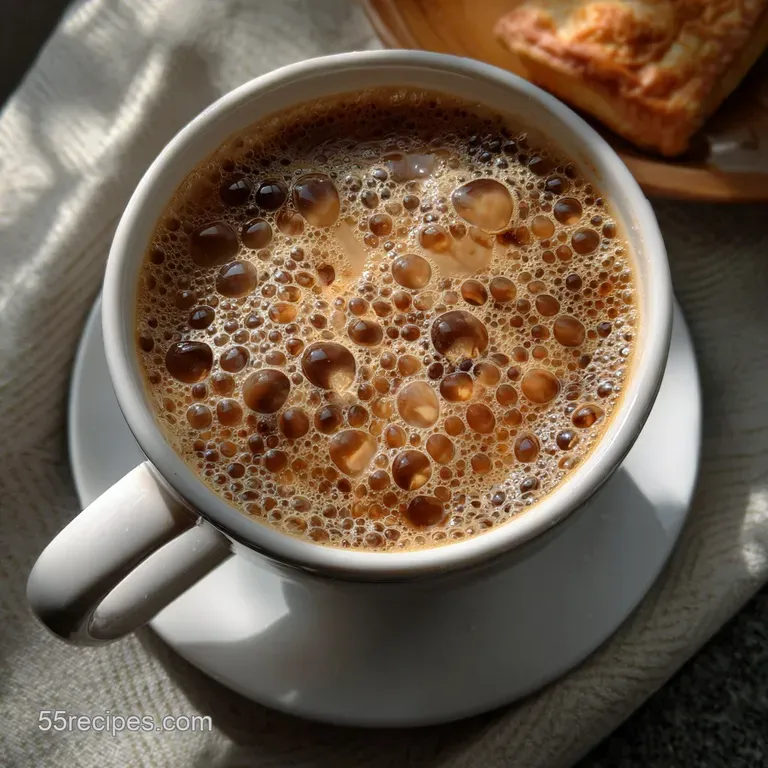
1. Boil the Filtered Water
Bring 2 cups of filtered water to a rolling boil in a Black & Decker Electric Kettle. Note: Using filtered water prevents mineral interference with tea tannin extraction, ensuring a clearer color.
2. Prepare the Tea Blend
Combine the 3 tbsp loose leaf tea blend (70% Ceylon, 20% Assam, 10% Earl Grey) into a small saucepan or a Pyrex Heat Resistant Glass Pot. Note: Mixing different leaf sizes ensures a staggered extraction of flavor, color, and aroma.
3. Steep the Base
Pour the boiling water over the leaves. Cover and simmer on low heat for 6 minutes. Note: Sustained heat is required to break down the cellular walls of the tea leaves for a high concentration "liquor."
4. Perform the "Pull"
Pour the tea through a fine mesh cotton filter into a second pot, then back again. Repeat this 4 times. Note: This process of aeration creates a smoother mouthfeel and helps the tea "breathe" before adding fats.
5. Incorporate the Evaporated Milk
Place 1/4 cup of evaporated milk into each serving cup (total 1/2 cup). Pour the hot tea over the milk from a height of 12 inches. Note: Pouring from a height ensures instant emulsification of the milk fats with the hot tea.
6. Sweeten and Serve
Stir in 1 tsp of granulated sugar per cup (total 2 tsp). Note: Sugar should be added while the tea is above 70°C to ensure total solute dissolution.
Expert Tips and Common Mistakes to Avoid
Chef's Note: Never boil the tea for more than 10 minutes. Beyond this point, the tannins become overly bitter, resulting in a "stale" flavor that even sugar can't fix.
| Problem | Why It Happens | The Fix | Pro Protocol |
|---|---|---|---|
| Gritty Texture | Tea "dust" escaping filter | Use a double layered cotton tea sock. | Wet the filter with boiling water first to "prime" the mesh. |
| Thin/Watery Body | Low tea-to-water ratio | Increase tea to 4 tbsp for a bolder punch. | Use a digital kitchen scale to measure tea by weight (approx. 18g). |
| Grayish Color | Milk added too early | Always add milk to the cup first or last, never during boiling. | Target a "burnt orange" tea base before adding dairy. |
Avoiding the Bitterness of Over Steeping
If the tea tastes like battery acid, you've likely over extracted the leaves. The 6 minute simmer is a hard limit. This drink pairs excellently with savory dishes; if you're serving it for lunch, try it alongside this [Ultimate Homemade Salisbury Steak The Real Deal] to balance the rich gravy with the tea's acidity.
Common Myths
Myth: You must use a "Silk Stocking" for the tea to be authentic. Truth: Any fine mesh cotton or nylon filter works. The "silk" refers to the aeration and smooth mouthfeel achieved by "pulling" the tea, not the fabric itself.
Myth: Fresh whole milk is better than evaporated milk. Truth: Fresh milk contains too much water. For hong kong milk tea, the high solids not-fat (SNF) content of evaporated milk is required to achieve the necessary viscosity.
Storage and Freezing Guidelines
Refrigeration Best Practices for Hong Kong Milk Tea
Yes, you can store hong kong milk tea in the fridge for up to 3 days in an airtight Mason Jar. However, the fats in the evaporated milk may separate. Reheat: Gently warm on the stovetop over low heat. Do not boil, or the milk proteins will denature and clump.
Cold Serving: If you're making an iced milk tea recipe, chill the tea base before adding the milk to prevent the milk from curdling due to the tea's acidity.
Freezing and Thawing
I don't recommend freezing the fully mixed tea as the emulsion will break upon thawing, leading to a grainy texture. Instead, freeze the concentrated tea base in ice cube trays. You can then drop these into fresh tea to chill it without dilution a classic trick for iced milk tea.
Serving Suggestions for an Authentic Experience
Serving Hong Kong Milk Tea Over Ice Without Dilution
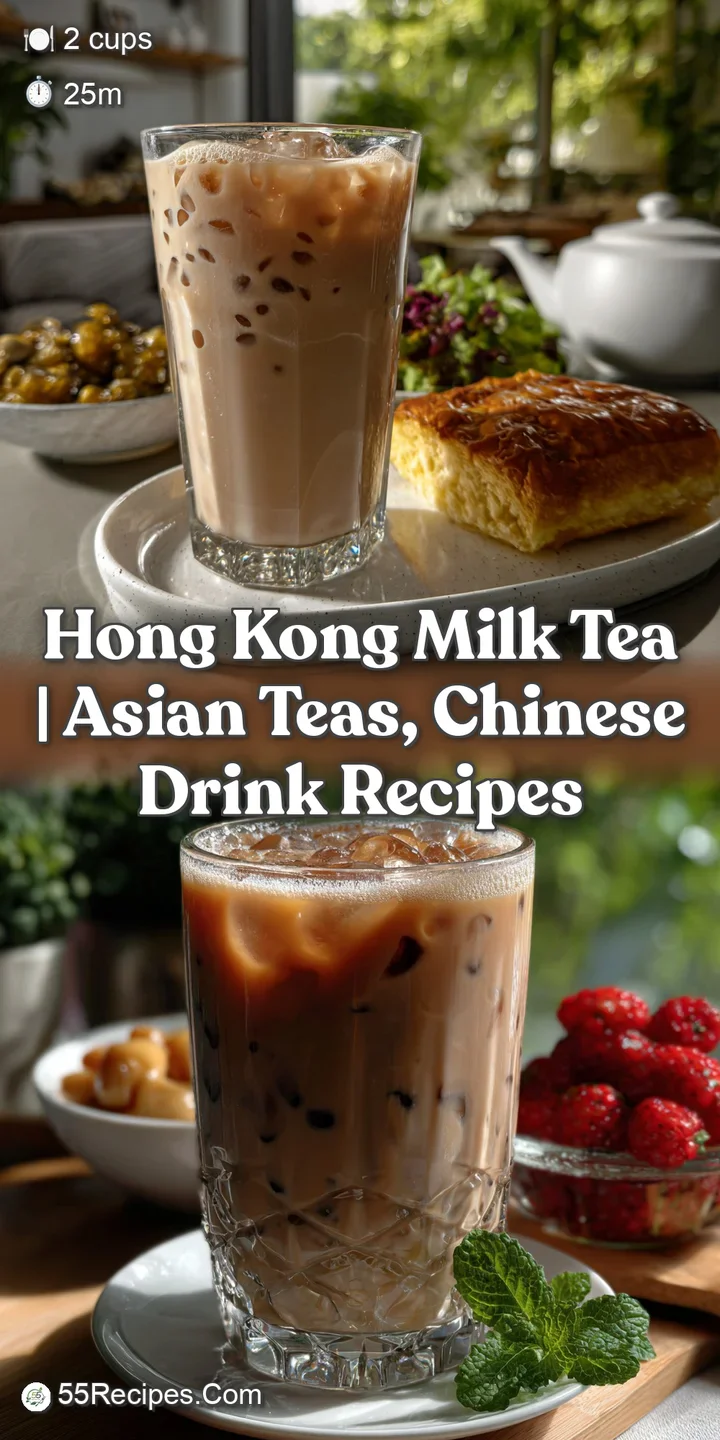
To avoid a watery drink, always use "tea ice cubes" (frozen tea base). This ensures that as the ice melts, the hong kong milk tea remains potent. This refreshing version is a great palate cleanser after a garlic heavy meal like [Chimichurri Recipe: The Essential Argentinian Sauce for Steak].
Classic Cha Chaan Teng Food Pairings
- Pineapple Buns (Bolo Bao)
- The sweet, crunchy topping complements the tea's bitterness.
- Condensed Milk Toast
- A high carb treat that matches the tea's creaminess.
- Steamed Greens
- If you need something lighter, this tea works surprisingly well with [Speedy Broccoli How to Steam Broccoli in the Microwave].
The key to a masterclass hong kong milk tea is patience during the "pulling" phase and precision in your tea blend. Whether you're making a chinese milk tea recipe for a crowd or just one cup for yourself, remember that the "silk" is in the technique.
Grab your kettle, start pulling, and enjoy that velvety, caffeine packed gold.
Recipe FAQs
What is the essential tea blend for authentic flavor?
A blend of black teas, typically Ceylon, Assam, and Keemun. These specific teas provide the necessary tannins and robust flavor profile needed to cut through the richness of the evaporated milk.
Is evaporated milk mandatory, or can I use heavy cream?
Evaporated milk yields superior texture. Evaporated milk has reduced water content and concentrated milk solids, creating the signature velvety mouthfeel without diluting the tea infusion. Heavy cream is too fatty and can result in an oily slick on top.
Does the 'pulling' process truly matter for the final taste?
Myth: Pulling is only for aesthetics. Reality: Repeated pouring aerates the mixture, which helps fully emulsify the tea solids and milk fats, resulting in a smoother, less chalky finish.
Why does my tea taste weak and watery?
Steep tea leaves in boiling water for at least 10 minutes. Insufficient steeping time fails to extract adequate flavor compounds, leading to a bland base that evaporates milk overwhelms.
- Use coarse ground tea bags or loose leaf
- Maintain a hard boil when pouring water
- Use at least 50% more tea than standard brewing
Should I sweeten the tea before or after adding milk?
Add sugar before the final milk pour. Dissolving sugar into the hot, concentrated tea base ensures complete integration and prevents undissolved granules in the final cold beverage. For creamy non-dairy options, perhaps explore techniques in our Deliciously Creamy Almond and Cashew Milk: My Secret to Homemade Bliss.
What is the proper brewing temperature?
100°C (212°F) is the minimum required temperature. High heat is critical for extracting the necessary deep, earthy notes from the robust black tea leaves used in this style. Lower temperatures leave behind astringent compounds.
Is it acceptable to use condensed milk instead of evaporated milk?
Evaporated milk provides the authentic mouthfeel. Condensed milk is heavily sweetened and significantly thicker due to added sugar, altering the traditional balance between bitterness and dairy richness. If you prefer a homemade sweet base, review the methods in DIY Buttermilk How to Make Buttermilk From Milk So Easy for dairy concentration principles.
Authentic Hong Kong Milk Tea
Ingredients:
Instructions:
Nutrition Facts:
| Calories | 101 kcal |
|---|---|
| Protein | 4.5 g |
| Fat | 4.9 g |
| Carbs | 10.2 g |
| Fiber | 0 g |
| Sugar | 10.1 g |
| Sodium | 66 mg |
