Turkey Rub: Ultimate Smoked Paprika Herb Dry Rub for Ultra-Crispy Skin
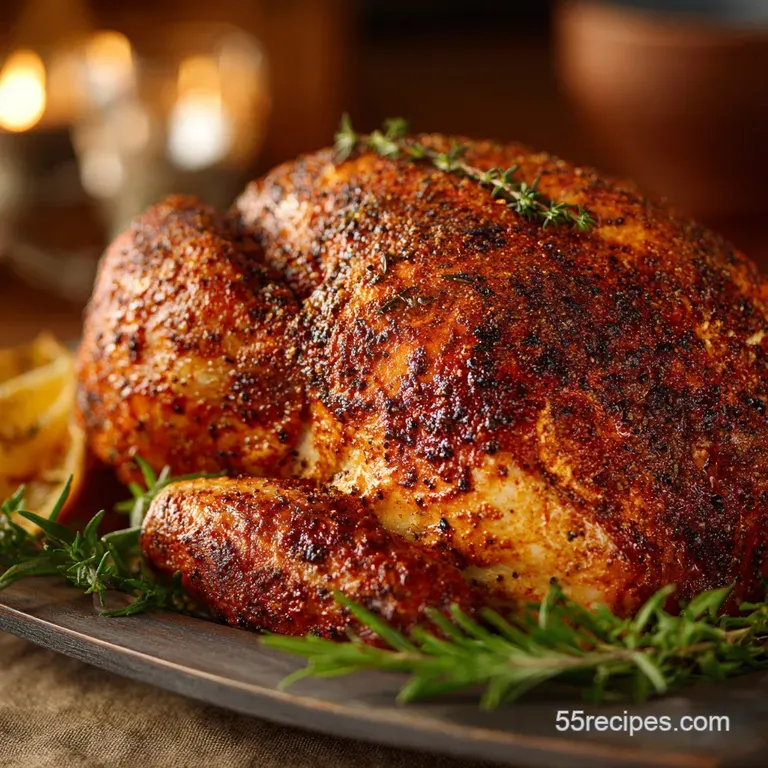
- Introducing The Ultimate Smoked Paprika Turkey Rub: Your Sunday Roast Game Changer
- The Science of Flavor: How This Turkey Rub Delivers Next-Level Results
- Essential Components for Your Artisan Turkey Rub: Ingredients and Substitutions
- Mixing and Application: Step-by-Step Guide to Seasoning Your Turkey
- Expert Troubleshooting: Chef's Tips for a Flawless Roast
- Longevity and Batch Making: Storing Your Homemade Turkey Rub
- Completing the Meal: Perfect Pairings for Smoked Herb Turkey
- Recipe FAQs
- 📝 Recipe Card
Introducing The Ultimate Smoked Paprika Turkey Rub: Your Sunday Roast Game Changer
Stop scrolling, because this right here is the secret to a turkey that actually tastes incredible. When you pull the bird from the oven, the aroma of deep, earthy smoked paprika mingling with thyme and rosemary will hit you first.
That scent is the smell of Thanksgiving done right, or honestly, just the best Sunday roast you’ve ever made.
Forget those messy overnight brines that take up half your fridge space and leave you scrubbing spice sediment out of a giant cooler. This dry rub is fast, incredibly cheap to batch make, and delivers flavour directly to the meat not just the skin.
It’s a total lifesaver when holiday planning gets stressful, trust me.
I’ve spent years refining the ratios, mixing the perfect balance of savory spices, powerful herbs, and just enough sugar for that desirable mahogany crust. Let’s ditch the bland, dry turkey for good and crack on with the recipe that changes everything you thought you knew about seasoning poultry.
The Science of Flavor: How This Turkey Rub Delivers Next Level Results
This isn’t just a random pile of spices thrown together; every ingredient here plays a specific role in ensuring maximum flavour and the best possible texture. We are essentially dry-brining and caramelising at the same time. It’s genius, really.
The Magic of Maillard: Why Brown Sugar is Crucial for Color and Crispness
A lot of people worry about putting sugar on a turkey, fearing it will burn. Here’s the trick: brown sugar provides the simple sugars needed for the Maillard Reaction, which is fancy science speak for browning.
It interacts with the amino acids on the surface of the turkey, creating hundreds of complex flavor compounds and that gorgeous, deeply browned color. If you’re aiming for that glossy, deep mahogany skin, you cannot skip the sugar element.
Say Goodbye to Basting: The Dry Rub vs. Wet Marinade Debate
When you use a wet marinade, you introduce moisture that works against your goal of crispy skin. That excess water essentially steams the outside of the turkey as it heats up, preventing the skin from rendering properly.
This Best Turkey Dry Rub ensures the surface stays bone dry, allowing the skin to crisp up beautifully while the salt draws the seasoning deep into the muscle tissue.
The Role of Salt: Creating a Dry Brine Effect on the Bird
The massive amount of Kosher salt in this turkey rub is absolutely non-negotiable, acting as a crucial element in the dry-brining process. Salt first draws out the meat’s natural moisture, dissolving some of the rub’s spices.
It then breaks down the muscle proteins and reabsorbs that seasoned liquid back into the cells, resulting in unbelievably juicy, deeply seasoned meat. This is how you achieve perfectly seasoned results right up to the bone!
Balancing the Flavor Profile: Sweet, Smoky, and Savory Ratios
This specific recipe is balanced to hit all your core taste requirements: the salt provides the brine, the brown sugar provides the sweet depth, and the Smoked Paprika Turkey Rub provides that incredible, earthy smokiness.
We use dry mustard powder to add a sharp, savoury tang, ensuring the overall profile is complex and never one-note.
Essential Components for Your Artisan Turkey Rub: Ingredients and Substitutions
You need quality ingredients for this to really sing. Don't cheap out on your spices, especially the paprika! Below is the core list, but don’t panic if you’re missing something I always have back-up plans.
The Smoked Paprika Difference: Selecting Sweet vs. Hot Varieties
When buying paprika, look for Spanish Pimentón —it is fundamentally different from generic sweet paprika found in the baking aisle. Spanish paprika is smoke dried over oak fires, giving you that rich, campfire quality that makes this dry rub recipe so compelling.
I prefer the sweet variety for a crowd pleaser, but if you love heat, use half sweet and half hot smoked paprika.
Aromatic Lift: Choosing the Freshest Dried Herbs
Dried herbs lose potency quickly, and nothing ruins a great Herb Turkey Rub faster than dusty, five year-old thyme. Always smell your spices before using them. If they don't have a vibrant, clean aroma, toss them out and buy new ones.
I made that mistake one Thanksgiving, and my turkey tasted like sadness. Lesson learned!
Ingredient Swaps: Creating a Low-Sodium or Low-Sugar Version
If you are cooking for someone with dietary restrictions, or perhaps you're planning on dry-brining separately, you can easily adjust this recipe. Just be mindful that changing the ratios will impact the final result significantly.
| If you don't have... | You can use... | Note |
|---|---|---|
| Kosher Salt | Coarse Sea Salt Flakes | Measure by weight, not volume; do not substitute with fine table salt. |
| Light Brown Sugar | Date Sugar or Maple Sugar | Use a touch less; these substitutes often caramelize faster under heat. |
| Smoked Paprika | Standard Paprika + Chipotle Powder | Chipotle powder brings the smoky heat we want, but use it sparingly! |
| Dried Thyme | Dried Oregano | Oregano is more potent, so use 1.5 Tbsp instead of 2 Tbsp. |
Mixing and Application: step-by-step Guide to Seasoning Your Turkey
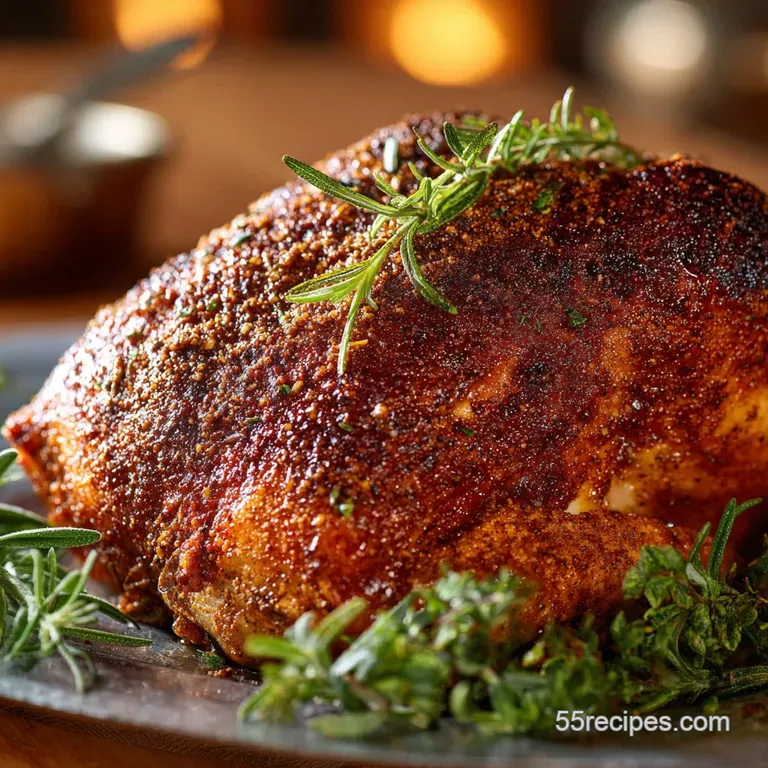
Preparation is everything when aiming for the turkey rub for smoking or roasting. Follow these steps precisely for the deepest flavour penetration.
- Prep the Rub: In a medium bowl, combine the salt, all the powders (paprika, garlic, onion, mustard), the brown sugar, and the pepper. If your brown sugar is lumpy, press it against the side of the bowl with a spoon to break up those lumps before mixing.
- Release the Herbs: Crush the dried rosemary between your palms to activate its oils and ensure you don't have sharp, pointy pieces of herb poking the turkey skin. Add the crushed rosemary and thyme to the bowl.
- Whisk Like Mad: Vigorously whisk the ingredients together for at least two minutes. You want the color to be perfectly uniform; this ensures every section of the turkey gets the right ratio of salt, sugar, and spice.
- Pat it Dry: This is the most important step for crispy skin. Take your turkey and pat the entire surface I mean everywhere —with paper towels until the skin feels squeaky dry.
- Go Under the Skin: Mix about 1/4 cup of your rub with 1/2 cup of softened butter (the butter acts as a carrier). Gently lift the skin over the breast and thighs, and massage this compound butter directly onto the meat underneath. This is the only way to season the meat itself.
- Coat the Outside: Liberally sprinkle the remaining dry rub all over the exterior skin, gently rubbing it in to adhere. Don't forget the legs and sides! For incredible roasting instructions using this dry rub, you can check out my method in The Sunday Roast King Simply Perfect oven-roasted Turkey Recipe .
Chef's Note: For a genuinely profound flavour, measure out two tablespoons of the rub and mix it with the stuffing ingredients (like bread cubes and vegetables) before stuffing the cavity. It seasons the internal steam!
Expert Troubleshooting: Chef's Tips for a Flawless Roast
I've messed up more turkeys than I care to admit, usually by skipping one of these critical steps. Learn from my past culinary failures, please!
Optimal Application: Where to Apply the Rub (and Under the Skin)
Most people just sprinkle seasoning on the outside skin and call it a day, but the skin is mostly fat and doesn't transfer seasoning well to the meat below. You must get under the skin directly onto the muscle. Think of the skin as the wrapper and the rub as the deeply flavored gift.
How Long to Rest: Maximizing Flavor Penetration
After application, place your turkey on a wire rack on a baking sheet, and put it uncovered back in the fridge for a minimum of 12 hours, and ideally 24 hours. The cold air ensures the skin dries out while the salt penetrates the meat.
Do not cover it! This step is responsible for the deep seasoning and the spectacular crispness you crave.
Avoiding a Burnt Finish: Adjusting Sugar Levels for High Heat
If you are cooking your turkey at temperatures above 425°F (220°C), the brown sugar might scorch. If you plan to sear it hot and fast, reduce the brown sugar quantity by half, or tent the breast with foil during the first 45 minutes of cooking.
Nobody wants bitter, burnt spices on their magnificent bird.
Dealing with Clumping: Why Your Rub Needs to Stay Dry
If you are making this ahead of time, ensure your measuring spoons are totally dry and that you break up all the brown sugar lumps before mixing. Any moisture introduced early will cause the salt to start dissolving and react with the sugar, turning your beautiful, powdery turkey rub seasoning into a rock hard block.
Longevity and Batch Making: Storing Your Homemade Turkey Rub
One of the best things about making your own rubs is that you can easily double or triple the batch. This means you’re always ready to season any part of the turkey (like a bone-in breast or pieces for a faster meal).
Shelf Life: Keeping Spices Fresh and Potent
Because this rub uses only dried ingredients, its shelf life is quite long, assuming your original spices were fresh. I recommend using the rub within 6 months for maximum potency and flavour.
After that, the herbs and paprika will start to fade dramatically, and you'll be missing out on that powerful aromatic punch.
Best Containers for Air-Tight Storage
Use a glass jar with a tight fitting, screw-on lid, or a completely sealed spice tin. Keep it away from heat and direct light. Storing it above your oven is the fastest way to kill the flavour.
Labeling Best Practices for Prepared Rubs
You think you'll remember what's in that jar? You won't. Always use a piece of masking tape and a sharpie to label the jar with the name ("Smoked Paprika Turkey Rub") and the date it was made. You’ll thank me later.
Completing the Meal: Perfect Pairings for Smoked Herb Turkey
The smoky, herbaceous flavor profile of this turkey means you need rich, earthy, and slightly tart side dishes to cut through the richness. It is a fantastic foundation for a complete holiday meal.
Gravy Options That Complement Paprika and Herbs
Forget that pale, thin stuff. For this highly seasoned bird, you need a robust gravy built directly from the roasting pan drippings we are talking dark, deep, rich flavour. After pulling the turkey, scrape up all those flavorful fond bits and use them to anchor your gravy.
A splash of dry sherry or white wine helps deglaze the pan and really complement the paprika.
Classic Roast Accompaniments and Side Dishes
This type of intensely seasoned bird pairs beautifully with classic, savoury sides. Think about creamy mashed potatoes loaded with butter, and perhaps a slightly tart cranberry sauce. I highly recommend serving the meat with my recipe for My GoTo oven-roasted Turkey Juicy Foolproof as the roasting method works perfectly with this specific rub.
Wines and Beverages to Pair with Herbaceous Turkey
Since the rub contains both earthy herbs (rosemary, thyme) and smoky components (paprika), you want a wine that is not too light but also not overly tannic. A smooth, earthy Pinot Noir or a light, fruit forward Zinfandel are excellent red choices.
If you prefer white, a dry, slightly spicy Gewürztraminer holds up beautifully against the smoke and spice of the rub.
Recipe FAQs
How long before cooking should I apply the Smoked Paprika Turkey Rub?
For maximum flavour penetration and the crispiest skin, apply the rub 12 to 24 hours before cooking, storing the turkey uncovered in the refrigerator. This extended time allows the salt to draw moisture out and then dissolve the flavour deep into the meat tissue.
If you are short on time, applying it just two hours beforehand is still very effective.
How should I store any leftover dry rub, and how long does it last?
Store the leftover rub in a completely sealed, airtight container, ideally a glass jar, in a cool, dark pantry away from heat and sunlight. Because it is a dry mixture, it will remain potent for up to six months. However, we recommend using it within three months for the absolute best aroma and flavour profile.
Why does the recipe include brown sugar, and can I omit it for a low-sugar diet?
The brown sugar serves two critical purposes: it aids in achieving that beautiful mahogany caramelization on the skin and gently balances the saltiness of the rub. If you must omit it, your turkey skin may brown less quickly, so consider brushing the turkey liberally with butter or oil several times throughout the cooking process.
Should I mix this dry rub with oil or butter to turn it into a paste?
This particular blend is designed specifically as a dry rub to help dry out the skin slightly, which ensures maximum crispness during the roast. We recommend keeping it dry and massaging it directly onto the meat and under the skin.
If you want added moisture, rub softened butter or olive oil over the skin immediately before placing it in the oven.
Can I use regular sweet paprika if I don't have the smoked variety?
Yes, you can substitute regular sweet paprika, but be aware you will lose the signature subtle, campfire depth that the recipe is built upon. If you still desire a smoky note, you can add a small pinch of chipotle powder to the mixture, or use smoked sea salt instead of standard kosher salt.
Is this rub only suitable for turkey, or can I use it on other meats?
This herb and smoked paprika blend is incredibly versatile and works exceptionally well on all types of poultry, including whole chickens, chicken crowns, and duck. It also provides a fantastic flavour crust when applied generously to pork tenderloin or ribs before roasting or grilling.
Best Smoked Paprika Turkey Rub
Ingredients:
Instructions:
Nutrition Facts:
| Calories | 35 calories |
|---|---|
| Fat | 0.5 g |
| Fiber | 1 g |
