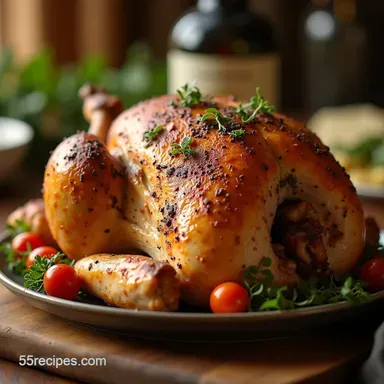
The Sunday Roast King Simply Perfect Oven Roasted Turkey with Herb Butter
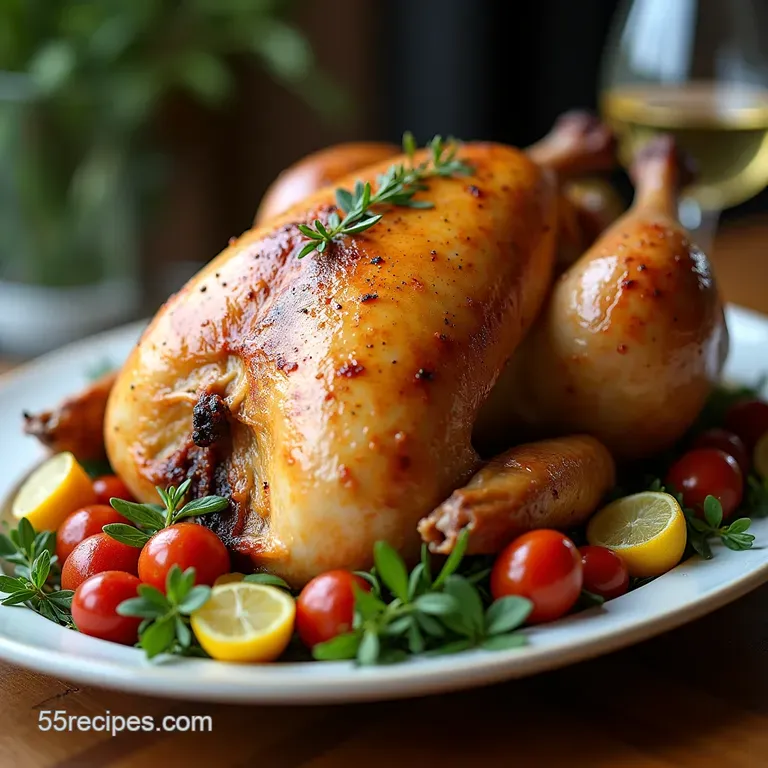
- Conquering the Centrepiece: Why This Oven Roasted Turkey Recipe Works
- The Secret to Sunday Roast Glory: Juicy Meat Guaranteed
- The Essential Arsenal: Sourcing Ingredients for Your Turkey
- The Step-by-Step Blueprint to Perfect Oven Roasted Turkey
- Mastering the Heat: Roasting Techniques That Matter
- Troubleshooting and Pro-Tips for Next-Level Roasting
- Recipe FAQs
- 📝 Recipe Card
Conquering the Centrepiece: Why This oven roasted Turkey Recipe Works
The mere mention of cooking a whole turkey often conjures images of frantic basting, frantic temperature checking, and, ultimately, a dry, disappointing bird. However, mastering the oven roasted Turkey is less about complex culinary wizardry and more about understanding a few crucial thermal principles.
This particular blueprint is designed to eliminate the guesswork, transforming the centerpiece of your holiday table from a source of stress into a reliable showstopper. We focus on maximizing flavour retention while achieving that sought after, crackling exterior.
This oven roasted turkey recipe strips away unnecessary complications, prioritizing technique over esoteric ingredients, ensuring that whether you are tackling a full bird or perhaps aiming for a smaller oven roasted turkey breast recipe later in the year, the fundamental methods remain the same: dry skin, flavourful fat beneath the skin, and precise heat management.
The Secret to Sunday Roast Glory: Juicy Meat Guaranteed
Our goal is unambiguous: meat so moist it practically melts, encased in skin that shatters satisfyingly when carved. Achieving this dual success requires deliberate attention to where moisture is lost and how flavour is built into the structure of the bird, not just sprinkled on top.
This method is the foundation for what I consider the best oven roasted turkey you can create in a standard home oven.
Setting the Stage: What Makes This Bird Unforgettable
The true magic begins long before the oven preheats. For a 14-to-16-pound bird, about 30 minutes of active preparation sets the course for success. We are preparing the bird for a celebration, treating it with respect.
We start by ensuring the bird is thoroughly thawed rushing this step is a recipe for uneven cooking. Once thawed, the giblets and neck must be completely removed from the cavity. Following this, we move to the single most important non-cooking step: drying the skin.
Using copious paper towels, pat every square inch of the surface until it feels almost tacky. This dryness is the foundation for the rich, burnished colour we seek.
Goodbye Dryness: Our Commitment to Succulence
The primary defense against dry white meat is creating a flavour barrier that cooks the meat gently from the inside while the skin crisps outside. This is achieved by massaging a generous amount of seasoned herb butter beneath the skin over the breast and thighs.
This technique ensures the aromatic fats melt directly onto the meat fibers, basting them internally throughout the cooking process. This method is exceptionally effective, whether you’re roasting the whole bird or preparing a simpler oven roasted turkey breast .
For those who prefer cooking bone-in pieces, this approach works beautifully for oven roasted turkey legs too, delivering unparalleled moisture retention.
The Visual Appeal: Achieving That Golden Brown Masterpiece
A beautifully browned turkey signals a successful roast. We achieve this with a dual temperature strategy. The initial high heat blast at 425° F ( 220° C) causes the skin proteins to rapidly set and crisp up.
Once that golden hue begins to appear, we drop the temperature to 325° F ( 160° C) for the slower, more gentle cooking phase.
If the breast browns too aggressively during the slower phase, a simple tent of aluminum foil will protect it without sacrificing the flavour developed during the initial blast. This structured approach is the secret to an easy oven roasted turkey that looks restaurant worthy.
The Essential Arsenal: Sourcing Ingredients for Your Turkey
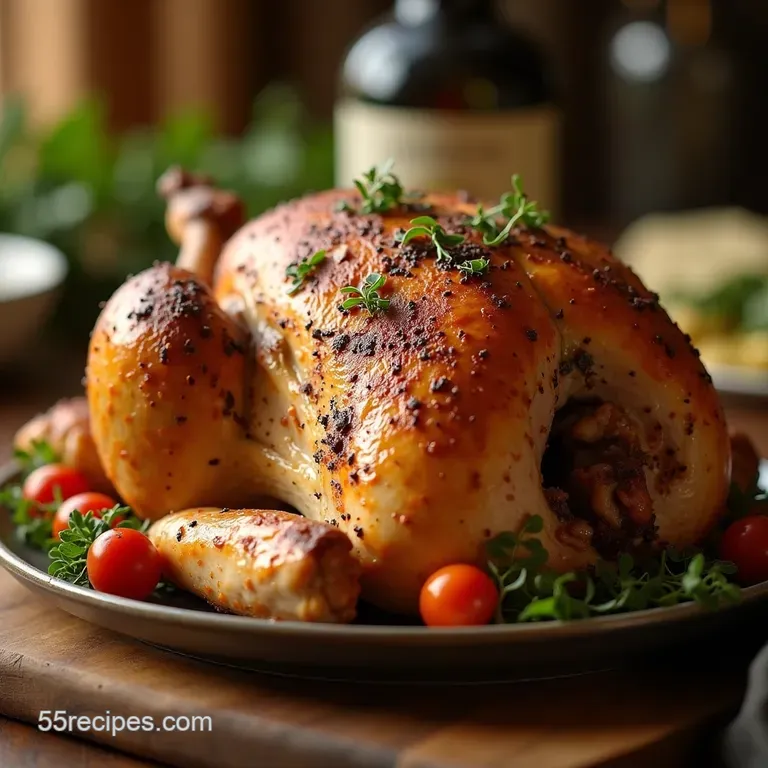
Selecting high-quality ingredients is paramount, though this recipe leans toward simplicity, letting the turkey shine. A 14-to-16-pound bird comfortably serves 12 to 14 people, allowing ample opportunity for delicious leftovers.
Planning your shopping list around the core elements the bird, the aromatics, and the butter ensures nothing is forgotten on roasting day.
Mandatory Provisions for a Flawless Turkey Roast
At the heart of this process is the bird itself. Ensure you purchase a turkey large enough for your needs but small enough to comfortably fit your roasting pan. The foundational seasoning relies on simple Kosher salt and freshly ground black pepper applied liberally to the exterior.
For the liquid element, 2 cups of high-quality chicken or turkey stock is essential to create steam and flavour the drippings in the bottom of the pan, which will form the base of your gravy later.
Tools of the Trade: Essential Equipment Checklist
While you don't need professional gear, a few items are critical. A sturdy roasting pan equipped with a V-rack is non-negotiable, as elevating the bird allows hot air to circulate underneath, preventing the bottom from steaming.
However, the single most important piece of equipment is an accurate, instant read meat thermometer. Guesswork leads to dry meat; a thermometer leads to perfection. Butcher’s twine is helpful for neat trussing, which promotes more uniform cooking, especially important if you plan on slicing for elegant oven roasted turkey slices later.
Beyond Salt and Pepper: The Aromatics That Define This Recipe
The flavour base relies on robust, fresh aromatics layered both inside and outside the bird. We use a generous quantity of softened, unsalted butter mixed with finely chopped fresh rosemary, thyme, minced garlic, and the bright zest of one lemon.
Inside the cavity, large wedges of yellow onion, celery stalks, and carrots, combined with a few whole sage leaves, perfume the interior as the bird cooks. These foundational vegetables are placed underneath the turkey, directly into the stock, creating a richly flavoured liquid foundation for pan sauce development.
Metric and Imperial Measurements: Planning Your Purchase
When purchasing your 6.3 to 7.2 kg bird, remember that preparation time is quick about 30 active minutes but the cooking time is lengthy, often requiring 3 to 4 hours depending on the oven’s consistency and the bird’s shape.
For the herb butter, you’ll need approximately 1 cup (227g) of softened butter. Plan for about 2 tablespoons of Kosher salt for the initial exterior seasoning, ensuring a deep, savoury crust forms during the roast.
Related Recipes Worth Trying
- MeltinYourMouth Brisket Recipe Oven or Smoker — Stop serving dry meat This foolproof brisket recipe guarantees a tender texture whether baked in the oven or smoked low and slow Master the internal temp...
- Easy oven roasted Scallops with Brown Butter Thyme — This simple roasted scallops recipe gives you perfectly caramelised seafood in under 30 minutes Forget pansearing try oven roasting for a foolproof supper
- Crispy Oven Fried Potatoes Proper PubStyle at Home — Forget the chippy Get proper crispy oven fried potatoes like your favorite pub Easy healthier oven baked fries are a cinch with this simple trick
The step-by-step Blueprint to Perfect oven roasted Turkey
The process moves logically from seasoning to temperature management. After patting the bird dry, the next step is creating the aromatic paste. Combine the 1 cup of softened butter with your chopped herbs, minced garlic, and lemon zest.
Use your fingers to gently separate the skin from the breast meat, creating pockets. Push about two-thirds of this fragrant butter mixture directly underneath the skin. Rub the remaining butter generously over the entire exterior surface. Season the outside of the bird aggressively with salt and pepper.
Place your chopped vegetables in the bottom of the roasting pan, set the V-rack over them, and position the prepared turkey on top. Let the seasoned bird sit at cool room temperature for one hour before it enters the oven; this allows the internal temperature to rise slightly, promoting more even cooking.
Mastering the Heat: Roasting Techniques That Matter
Managing the heat applied to the turkey is the critical phase where novice cooks often falter. This recipe balances aggressive heat for colour with sustained lower heat for internal succulence.
Pre-Flight Prep: Tempering and Herb Butter Application
As mentioned, tempering the turkey allowing it to sit out of the refrigerator for an hour after seasoning ensures the centre cooks at a similar rate to the outside. Applying the herb butter underneath the skin is the key action here, effectively creating an internal basting mechanism that protects the breast meat.
After seasoning the exterior, if you choose to truss the legs with twine, do so now to create a compact shape, which aids in even airflow around the bird.
The Critical Temperature Curve for Even Cooking
Begin by preheating your oven to a high 425° F ( 220° C) and roast the turkey for 30 minutes. This initial high heat is purely for achieving that desirable crispy skin.
After the half hour mark, immediately reduce the heat to a gentler 325° F ( 160° C). Pour the 2 cups of stock into the roasting pan, ensuring it surrounds the vegetables but does not touch the turkey itself.
This liquid will convert to steam, helping to keep the environment moist while the bird slowly reaches its target internal temperature.
Basting Rituals: When and How to Hydrate the Skin
While the herb butter provides internal moisture, occasional basting with the pan juices helps develop colour and enrich the skin surface. Basting should occur approximately every 45 to 60 minutes.
Pouring the natural drippings over the bird periodically keeps the exterior moist enough to prevent burning but infrequent enough to allow the skin to continue crisping rather than stewing.
If you find the breast is reaching an ideal golden shade before the internal temperature is met, loosely drape a piece of aluminum foil over the breast area to shield it from further direct heat.
The Golden Rule: Resting the Bird for Maximum Juiciness
This is perhaps the most overlooked, yet most important, step in the entire process. Once the turkey reaches the safe internal temperature threshold (detailed below), remove it immediately from the oven.
Transfer the bird to a large cutting board, tent it loosely with foil, and allow it to rest for a minimum of 30 minutes ideally 45 minutes for a large bird.
During this rest, the muscle fibres relax, allowing the juices that have been driven toward the centre by the heat to redistribute evenly throughout the meat. Carving too soon releases these valuable, flavourful liquids onto the board instead of into your mouth.
Troubleshooting and Pro-Tips for Next Level Roasting
Even with a solid plan, challenges arise. Knowing how to react swiftly separates a good cook from a great one. Preparing for potential issues ensures your roast remains on track.
Avoiding Common Roasting Pitfalls and Quick Fixes
The most common error is uneven browning, usually fixed by tenting the breast with foil as discussed above. Another pitfall is under seasoning the cavity; while the herb butter handles the breast, placing aromatics like sage leaves and chopped onions inside ensures the back and internal parts of the bird retain some flavour dimension.
If your pan drippings seem too meagre for gravy, simply add a splash more stock or water midway through the roast.
Transforming Leftovers: Second Day Turkey Magic
The joy of oven roasted Turkey extends well beyond the initial meal. Shredded turkey meat is versatile for countless dishes. Leftover white meat excels when thinly sliced for sandwiches or used as the protein in a hearty pot pie filling.
Dark meat is fantastic mixed into shepherd’s pie or even ground up for excellent turkey burgers. Planning for leftovers ensures that the effort invested today pays dividends tomorrow.
Pairing Perfection: Side Dishes That Complement Roast Turkey
A roast turkey demands robust, comforting accompaniments. Consider pairing this savoury bird with creamy Dauphinoise potatoes, which soak up the juices beautifully. For green vegetables, Brussels sprouts crisped with bacon lardons offer a necessary textural contrast.
The richness of the meat is perfectly cut by tart cranberry sauce and a robust, deeply savoury gravy made directly from the pan drippings. Even if you only made an oven roasted turkey tenderloin , these sides will elevate the experience.
Understanding Internal Temperatures: The Doneness Decoder
Safety and texture hinge entirely on temperature, not time. The USDA recommends 165° F ( 74° C) for poultry. However, to ensure the breast doesn't overcook while waiting for the thicker thigh to catch up, we aim slightly lower initially.
Insert your thermometer into the thickest part of the thigh, avoiding the bone; pull the bird when this reads 165° F ( 74° C).
Crucially, the breast meat, which is leaner, will register around 160° F ( 71° C) at this point, and carryover cooking during the mandatory rest will bring it safely to 165° F without drying it out.
Monitoring the temperature is the most reliable method for delivering perfect oven roasted turkey slices every time.
Recipe FAQs
How do I stop my oven roasted Turkey from drying out, especially the breast?
The secret lies in getting that lovely herb butter under the skin right against the meat, which bastes it internally as it cooks. Also, resist the urge to overcook; pull the bird when the thickest part of the thigh hits 165°F (74°C), as the breast will carry over to a safe temperature while resting.
My turkey is huge! How long should I realistically expect this oven roasted Turkey to take to cook?
It all depends on the weight, but as a rough guide, figure about 13 15 minutes per pound at the lower roasting temperature (325°F/160°C), though always factor in that initial 30-minute blast at high heat.
The most important rule is to ditch the clock and trust your meat thermometer it’s the only way to guarantee it’s cooked perfectly without turning it into leather.
Can I roast my turkey from frozen, or does it absolutely have to be thawed?
For a proper, evenly cooked bird, thawing is essential; roasting from frozen will result in the outside burning while the middle remains worryingly underdone.
Plan ahead, as a large turkey can take several days in the fridge to thaw safely think of it like defusing a culinary time bomb!
What's the crucial step I must not skip after taking the turkey out of the oven?
You absolutely must let it rest, and I mean really rest a minimum of 30 minutes, tented loosely with foil. This allows the muscle fibres to relax and reabsorb all those delicious juices.
If you carve straight away, all that succulence will just run out onto the board, and nobody wants that; it’s criminal!
My skin isn't getting brown enough, even with the initial high heat what gives?
Usually, this is down to moisture; make absolutely sure you patted the bird bone dry before applying the herb butter, as damp skin steams instead of crisping.
If it’s still pale halfway through, you can brush it with a little melted butter or even a splash of light oil, but be wary of burning it if you do this too late in the process.
Perfect Herb Butter Turkey