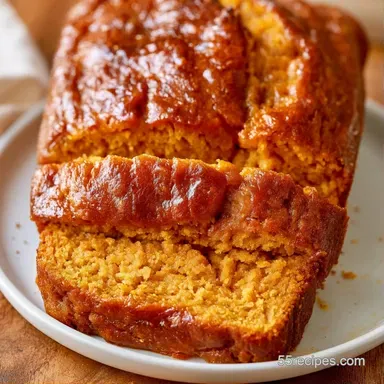
Moist Brown Sugar Pumpkin Bread
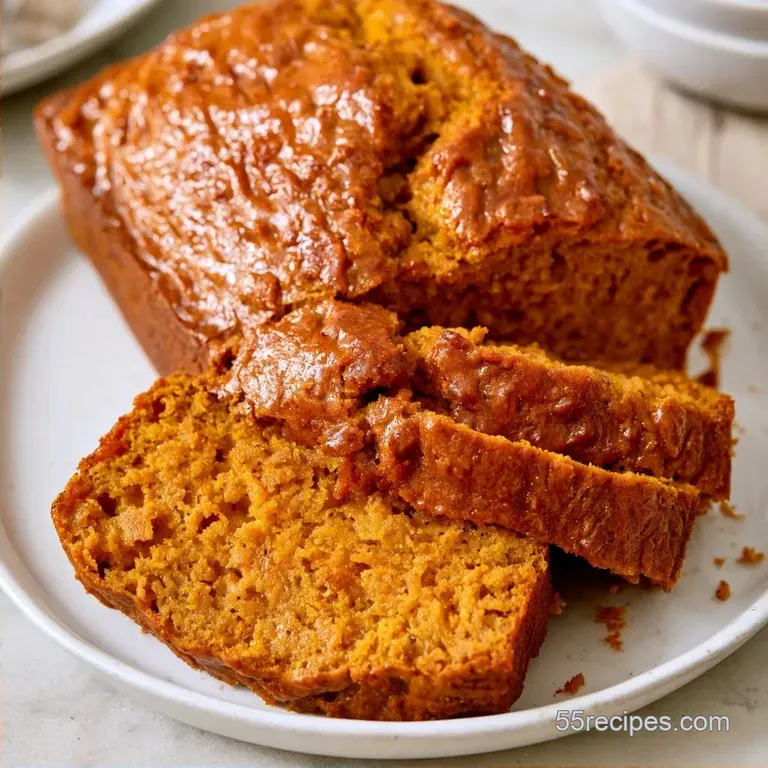
- Time: 20 min active + 60 min baking
- Profile: Spiced mahogany crumb with a buttery glaze
- Perfect for: Chilly autumn mornings or rainy day treats
That scent of warm butter and cinnamon welcoming you the moment you step inside is wonderful. I remember a drizzly Tuesday when I whipped up a loaf just to add some coziness to the house. The kitchen felt like a warm embrace, and the entire home smelled like a boutique bakery.
You don't have to roast and mash your own pumpkin to achieve a rich taste. While using fresh produce is a fun activity, high-quality canned puree is more reliable. It ensures the brown sugar and spices remain the stars, avoiding the excess moisture of a homemade puree.
Expect a loaf that is dark, dense, and slightly tacky along the edges. This Brown Sugar Pumpkin Bread doesn't just evoke autumn; it embodies it. It's the sort of treat that encourages you to pour a steaming cup of coffee and ignore your emails for an hour.
Brown Sugar Pumpkin Bread Basics
Many people use only white sugar in their quick breads, but that often leads to a crumb that dries out by the second day. Brown sugar contains molasses, which is a humectant. It grabs onto moisture and keeps the bread tender for much longer.
Molasses Effect: The acidity in brown sugar reacts with baking soda to create tiny air bubbles. This gives the loaf a lift without making it feel like a cake.
Pumpkin Density: Puree adds a lot of weight to the batter. Keeping the flour ratio precise ensures the loaf doesn't collapse under its own weight during the bake.
The way these ingredients interact creates a deep, mahogany color that you just can't get with refined sugar alone. It's a simple bit of chemistry that results in a much more satisfying bite.
| Pumpkin Type | Moisture Level | Flavor Profile | Best For |
|---|---|---|---|
| Canned Puree | Consistent/Low | Neutral/Sweet | Reliable baking results |
| Fresh Roasted | Variable/High | Earthy/Nutty | Artisanal, rustic loaves |
Quick Loaf Details
This recipe focuses on a balance of richness and spice. It's not a light sponge; it's a hearty bread. I've found that using a standard 9x5 inch pan is the only way to get that classic height. If you use a larger pan, the bread spreads too thin and loses that moist center.
The bake time is a bit longer than a standard cake because of the density of the pumpkin. You'll notice the aroma change from "raw batter" to "warm spice" around the 40 minute mark. That's your signal that the structure is setting.
The glaze isn't just for looks. It adds a thin, sugary layer that seals in the moisture. Adding it while the bread is still warm lets some of the glaze soak into the top crust, creating a velvety finish that melts in your mouth.
For a different kind of fall flavor, you might like my pumpkin ravioli for a savory dinner option.
What Goes Inside
When picking your pumpkin, make sure it says "pure pumpkin" and not "pumpkin pie filling." The filling has sugar and spices already added, which will throw off the balance of this Brown Sugar Pumpkin Bread.
For the flour, all purpose is the way to go. It has enough protein to hold the structure but isn't so strong that the bread becomes tough. If you use bread flour, the loaf will feel too chewy, almost like a sourdough.
The butter needs to be melted but cooled. If it's boiling hot when it hits the egg, you'll scramble the egg right in the bowl. Give it ten minutes to sit after melting.
| Original Ingredient | Substitute | Why It Works |
|---|---|---|
| Brown Sugar (100g) | Coconut Sugar | Similar caramel notes. Note: Slightly grainier texture |
| Unsalted Butter | Coconut Oil | Similar fat content. Note: Adds a light coconut scent |
| Large Egg | Flax Egg | Binds the batter. Note: Results in a denser, nuttier crumb |
| All Purpose Flour | 1:1 GF Blend | Mimics wheat structure. Note: May require 1 extra tbsp of milk |
The Essential Gear
Simple tools are all you need. Just grab a large mixing bowl and a reliable spatula. I recommend using silicone, as it reaches every corner to ensure no pockets of flour are left behind.
A 9x5 inch loaf pan is required. If you're using an 8x8 square pan instead, simply shorten the baking time by roughly 10-15 minutes and monitor it carefully.
To prepare the glaze, a microwave safe bowl is the most convenient option just heat for 20 seconds and stir. Alternatively, a small saucepan over low heat works just as well.
Chef's Note: Line your pan with parchment paper or grease it with butter and a dusting of flour. Pumpkin batter is notoriously sticky and tends to cling to the sides of the pan.
Baking Your Loaf
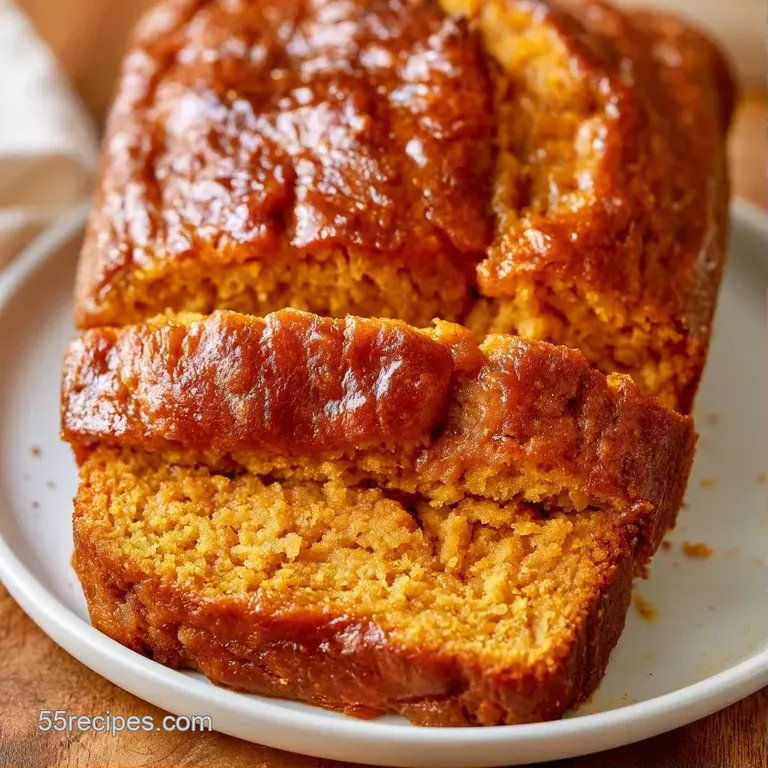
Phase 1: The Flavor Base
Warm your oven to 350°F (175°C) and grease a 9x5 inch loaf pan. In a large bowl, whisk together the melted butter, brown sugar, and granulated sugar. Beat in the egg and vanilla extract until the mixture is smooth and shiny. Stir in the pumpkin puree until well combined.
Phase 2: Folding the Drys
Sift the flour, baking soda, salt, cinnamon, and pumpkin pie spice directly into the wet ingredients. Using a spatula, gently fold everything together. Stop the moment you no longer see streaks of flour. Avoid overmixing, as this develops excess gluten and can make the bread rubbery.
Phase 3: The Golden Bake
Transfer the batter to the pan and bake for 55-65 minutes until the top is a deep mahogany. A toothpick inserted into the center should emerge clean or with a few moist crumbs. Let the loaf cool in the pan for 10 minutes to allow the structure to stabilize.
Phase 4: The Finishing Touch
Whisk the glaze ingredients (melted butter, brown sugar, milk, and cinnamon) in a bowl and microwave for 20 seconds. Drizzle this over the warm Brown Sugar Pumpkin Bread. The heat from the loaf helps the glaze set into a sweet, glossy coating.
Fixing Common Issues
A rubbery consistency is typically a sign of overmixing. Excessive stirring creates long gluten chains that lock in air too firmly. To avoid this, gently fold in the dry ingredients rather than stirring them.
A collapsed center often results from opening the oven prematurely. This causes a rapid temperature dip, making the air pockets fail before the loaf sets. Avoid opening the door until the 50 minute mark.
If the center remains uncooked, the pumpkin puree is likely the culprit. Puree with too much water can leave the middle mushy while the crust over browns. According to testing by Serious Eats, a dense, high-quality puree is key to preventing a gummy crumb.
Rubbery Texture
If the bread is overly "springy," you've overmixed. Switch to a spatula and stop folding the moment the flour is incorporated.
Uncooked Center
The interior is damp despite a dark exterior. This usually stems from moisture levels or temperature.
Sunken Middle
The top has dipped. This is caused by premature oven access or an excess of baking soda.
| Problem | Root Cause | Solution |
|---|---|---|
| Rubbery Crumb | Excess gluten development | Fold manually; avoid mixers |
| Wet Center | High moisture/Low temperature | Extend bake by 5 mins; check puree consistency |
| Sunken Top | Premature oven opening | Leave door shut for the first 50 mins |
| Pale Crust | Temperature too low | Verify 350°F with an oven thermometer |
Pairing Your Bread
This bread is rich, so it pairs well with something acidic or bitter. A dollop of salted butter is the classic move, but a smear of cream cheese adds a nice tang that cuts through the brown sugar.
For a full breakfast, serve a toasted slice alongside a poached egg. The savory yolk mixes with the cinnamon and sugar for a taste that's surprisingly hearty.
If you're serving this for a brunch, a side of crisp apple slices or a tart cranberry compote works brilliantly. The fruit's sharpness balances the deep, caramel notes of the loaf.
Storage and Scraps
Place your slices in a sealed container and keep them chilled for 4 days. For a taste that mimics fresh baking, toast a slice for 60 seconds; this crisps the edges and returns the glaze to a gooey consistency.
To preserve the loaf longer, wrap it first in foil and then in plastic wrap. It can be kept in the freezer for up to 3 months. Simply thaw it in the fridge overnight before toasting.
Don't let the remaining pumpkin puree go to waste. Stir a spoonful into your morning oatmeal or blend it with a banana and a dash of cinnamon for a seasonal smoothie.
Twists and Changes
For a crunchier bite, fold in a half cup of chopped walnuts or pecans during the folding phase. The nuttiness complements the brown sugar perfectly.
If you want a more intense spice profile, add a pinch of ground cloves or nutmeg. Just be careful not to overdo it, or the spices will mask the flavor of the pumpkin.
For another weekend bake, try my orange rye bread. It's a different kind of hearty that fits the same cozy mood.
Decision Shortcut:
- For a denser loaf: use 1/4 cup less pumpkin puree.
- For a sweeter crust: sprinkle extra brown sugar on top before baking.
- For a softer crumb: add 1 tbsp of Greek yogurt to the wet ingredients.
For a Vegan Version
Swap the egg for a flax egg (1 tbsp ground flax + 3 tbsp water) and use melted coconut oil instead of butter. Use almond milk in the glaze.
For a gluten-free Twist
Use a high-quality 1:1 gluten-free flour blend. You might need to add an extra tablespoon of milk to the batter since GF flours tend to absorb more liquid.
Debunking Bread Myths
Some claim you need to cream butter and sugar for ten minutes to achieve a good rise. For this type of quick bread, that isn't necessary. We rely on chemical leaveners (baking soda) rather than air whipped into the butter.
There is also a misconception that pumpkin puree must be room temperature. While room temperature eggs are essential for proper emulsification, the puree does not need to be warm. Using it straight from the refrigerator won't spoil your Brown Sugar Pumpkin Bread.
Lastly, ignore the idea that "more sugar equals more moisture." Too much sugar can actually weaken the protein structure of the flour, which may cause the loaf to collapse. Stick to the provided measurements for the best results.
Now that you are prepared, you're ready to start. This recipe is designed for maximum comfort and a wonderful aroma. Just remember to be gentle when folding in the dry ingredients and avoid peeking in the oven too early. Happy baking!
Recipe FAQs
What does adding brown sugar to bread do?
It creates a moister crumb and rich caramel notes, a similar effect to the chewiness found in classic oatmeal cookies.
Tip: Use light brown sugar to keep the flavor balanced.
Is it true that using only brown sugar will ruin the bread's structure?
No, and here's why. Brown sugar provides moisture and flavor that complements the pumpkin puree without collapsing the loaf.
Tip: Stick to the recipe's blend of brown and granulated sugar for the ideal texture.
How to check if the loaf is fully baked?
Insert a toothpick into the center and remove it when it comes out clean.
Tip: If the top browns too quickly, tent it with foil for the last 10 minutes.
Which storage method keeps slices freshest?
Store slices in a sealed plastic box in the fridge for 4 days.
Tip: Toast a slice for 60 seconds to revive the gooey glaze.
Brown Sugar Pumpkin Bread