Chicken Fettuccine Recipe: Silky Sauce
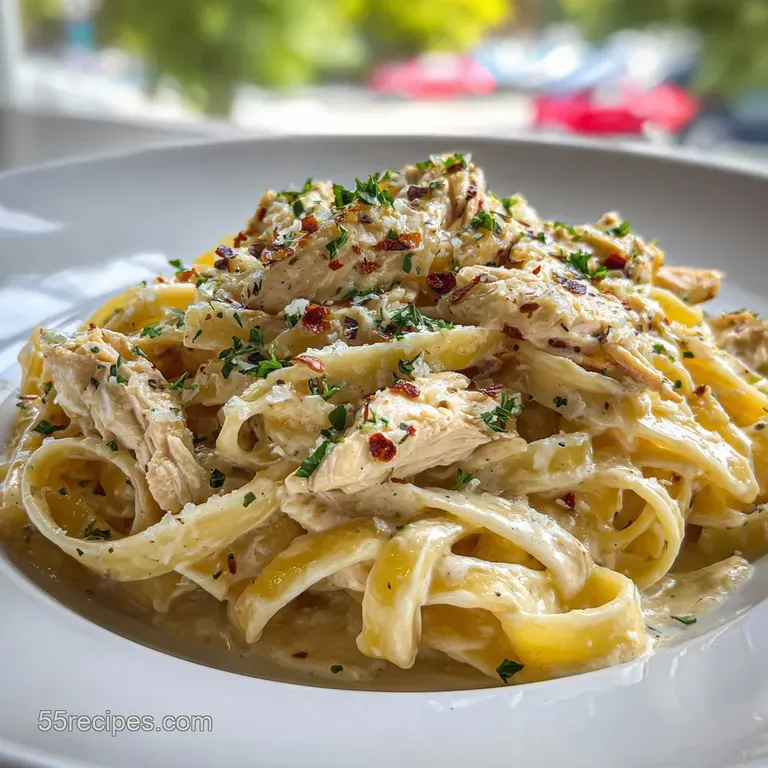
- Time: Active 15 minutes, Passive 20 minutes, Total 35 minutes
- Flavor/Texture Hook: Silky, garlic infused cream sauce paired with golden seared chicken and tender noodles
- Perfect for: Stress free weeknight family dinners or affordable date night meals at home
- Create a Savory Chicken Fettuccine Recipe
- Science of Creamy Emulsions
- Essential Pantry Components
- Required Kitchen Tools
- Step-by-Step Cooking Guide
- Avoiding Common Kitchen Mistakes
- Flavorful Swaps and Adjustments
- Keeping Your Leftovers Fresh
- Ideal Side Dish Pairings
- High in Sodium
- Recipe FAQs
- 📝 Recipe Card
Create a Savory Chicken Fettuccine Recipe
That first sizzle when 1.5 lbs (680g) of chicken breast strips hit the hot oil and butter is basically my love language. I remember the first time I tried to make this dish years ago; it was a greasy, separated mess because I didn't understand how to handle the cream.
But after a dozen tries and plenty of "not so-good" dinners, I finally found the trick. It's all about that starchy water and the right temperature.
We’re going for a meal that feels expensive but actually uses simple items you likely have in your fridge right now. This isn't a "fancy" version that requires rare imported cheeses. We are using standard, affordable blocks of Parmesan and a little bit of cream cheese to keep things stable and smooth.
It’s the kind of meal that makes the whole house smell like a cozy Italian bistro without the forty dollar price tag.
Trust me, once you see how easy it is to get that velvety texture at home, you'll never order it out again. We are going to walk through the science of the sauce and the exact moments to move from the pan to the plate.
Let’s get your skillet ready and make something your family will actually ask for every single week.
Science of Creamy Emulsions
Understanding why the sauce stays together is the secret to a professional result. When we mix fats like heavy cream and butter with the starchy pasta water, we are creating a stable emulsion that clings to the noodles rather than sliding off.
- Maillard Reaction: Searing the chicken at high heat creates browned proteins and sugars, providing deep savory flavors.
- Starch Emulsification: Amylose in the reserved pasta water acts as a bridge between the fat and the water based liquids.
- Protein Stabilization: The casein in the cream cheese helps prevent the sauce from "breaking" or separating into oil when heated.
- Starch Gelatinization: Fettuccine noodles release starch as they boil, which later thickens the heavy cream into a velvety coating.
| Method | Time | Texture | Best For |
|---|---|---|---|
| Stovetop | 20 minutes | Silky and glossy | Quick weeknight dinners |
| Oven Finish | 30 minutes | Thick and bubbly | Casserole style meal prep |
| Slow Cooker | 4 hours | Shredded and soft | Set and forget convenience |
Using the stovetop method is my personal favorite because it gives you total control over the sauce consistency. If you find yourself wanting to try different chicken preparations, the technique for the bird here is quite similar to the one used in our Baked Boneless Skinless recipe. It ensures the meat stays juicy while getting that nice exterior color.
Essential Pantry Components
Selecting the right ingredients doesn't have to be expensive, but a few specific choices make a huge difference in the final texture. For instance, using a block of Parmesan you grate yourself is much better than the stuff in a green shaker can because it melts without becoming gritty.
| Ingredient | Science Role | Pro Secret |
|---|---|---|
| Heavy Cream | Provides fat for a luxurious mouthfeel | Use room temperature cream to avoid thermal shock |
| Parmesan Cheese | Adds salt and acts as a thickening agent | Grate it finely so it incorporates instantly |
| Cream Cheese | Stabilizes the sauce and adds tangy depth | Ensure it is fully softened for a shatter free blend |
| Pasta Water | Bonds the sauce to the fettuccine | Salt the water heavily; it should taste like the sea |
I always keep a small tub of cream cheese in the fridge just for this chicken fettuccine recipe. It’s a total safety net for the sauce. Even if you accidentally let the heat get a little too high, that cream cheese keeps everything cohesive and prevents the butter from separating.
Required Kitchen Tools
You don't need a kitchen full of gadgets, but a heavy skillet is non negotiable for getting the chicken right. A cast iron skillet (like a Lodge) or a heavy bottomed stainless steel pan will hold heat better than thin aluminum, which means your chicken will sear rather than steam.
A good whisk is your second best friend here. A silicone coated whisk is great if you're using a non stick pan, but a standard metal one works wonders for getting those browned bits the fond off the bottom of the pan after you cook the chicken. That's where all the flavor lives!
You'll also want a large pot for the fettuccine; noodles need plenty of room to dance so they don't stick together.
Finally,, grab a measuring cup to scoop out that starchy water before you drain the pasta. I’ve lost count of the times I’ve accidentally dumped all that liquid gold down the drain. Now, I put the measuring cup right in my colander as a physical reminder to save some water before I pour the pot out.
step-by-step Cooking Guide
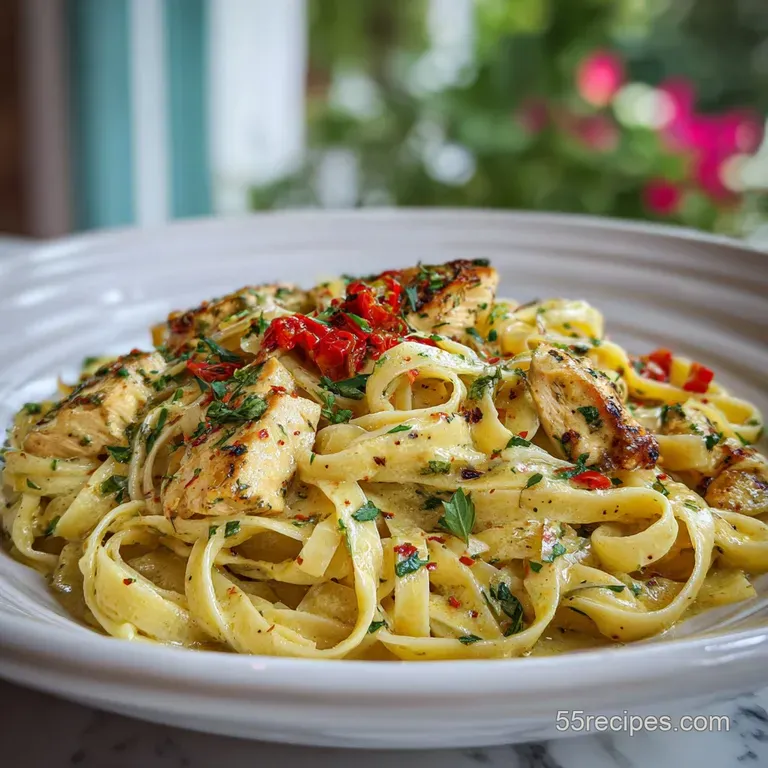
Ready to get started? We’re going to move quickly once the sauce starts, so have all your ingredients measured out and your garlic minced. This is what we call mise en place, and it’s the difference between a calm kitchen and a chaotic one.
Achieving the Maillard Reaction
Heat 1 tbsp extra virgin olive oil and 2 tbsp unsalted butter in your large skillet over medium high heat. Add the 1.5 lbs (680g) of sliced chicken strips in a single layer. Cook for 5-7 minutes until the edges are golden and the meat is opaque.
Remove the chicken from the pan and set it aside on a plate; we want to keep those juices for later.
Stabilizing with Cream Cheese
In the same skillet, turn the heat down to medium and add the 1/2 cup (113g) of cubed unsalted butter and 3 cloves of minced garlic. Sauté for 1 minute until the aroma fills the room. Whisk in the 2 oz (56g) of softened cream cheese until it’s mostly melted.
This is the base that makes our sauce virtually indestructible.
Mastering the Pasta Texture
While the sauce base is working, boil 1 lb (454g) of dry fettuccine in heavily salted water. Cook for 9-10 minutes until al dente, meaning it still has a slight bite in the center.
Before draining, carefully dip a measuring cup into the pot to grab 1/2 cup (120ml) of the cloudy pasta water. This liquid is packed with starch that will help the sauce stick to every strand.
For the Golden Chicken
While the pasta boils, pour 2 cups (475ml) of heavy cream into your skillet with the butter and cream cheese. Add 1 tsp garlic powder, 1 tsp dried oregano, and 1/4 tsp nutmeg. Simmer for 3-5 minutes until the sauce slightly thickens and can coat the back of a spoon.
Nutmeg might sound weird for a savory dish, but it brings out the richness of the cream beautifully.
For the Velvet Sauce and Pasta
Whisk in 1.5 cups (150g) of freshly grated Parmesan cheese into the cream mixture. Stir constantly until the cheese is completely melted and the sauce is glossy. If it looks too thick, whisk in a tablespoon of that reserved pasta water at a time.
Continue whisking until the texture is velvety and smooth.
Finishing the Dish
Add the cooked fettuccine and the seared chicken back into the skillet. Toss everything together using tongs, ensuring every noodle is bathed in the sauce. If the sauce tightens up too much as you toss it, add the remaining pasta water. Season with kosher salt and freshly cracked black pepper to taste.
Serve immediately while the sauce is hot and fluid.
Avoiding Common Kitchen Mistakes
The biggest mistake I ever made was using the pre shredded cheese in the bag. It’s coated in potato starch to keep it from clumping in the bag, which makes your sauce grainy. Always grate your own cheese from a block for this recipe.
Preventing Grainy Sauce
A grainy sauce usually happens when the heat is too high when you add the Parmesan, or if the cheese wasn't grated finely enough. The proteins in the cheese can clump together if they hit boiling liquid too fast. Keep the heat at a low simmer, not a rolling boil, when the cheese goes in.
Rescuing a Thick Sauce
If your sauce looks like paste rather than a silky liquid, don't panic. This happens because the pasta continues to absorb moisture even after it's cooked. The fix is simple: add a splash of pasta water or more heavy cream.
| Problem | Root Cause | Solution |
|---|---|---|
| Greasy Sauce | Butter separated due to high heat | Whisk in a tablespoon of cold cream to bring it back |
| Bland Flavor | Not enough salt in pasta water | Add a pinch of salt and extra Parmesan at the end |
| Dry Chicken | Overcooked during the initial sear | Slicing into 1/2 inch strips ensures fast, juicy cooking |
Common Mistakes Checklist:
- ✓ Grate cheese fresh from the block (prevents grittiness)
- ✓ Save the pasta water before draining (vital for the emulsion)
- ✓ Pat the chicken dry with paper towels before searing (ensures a golden crust)
- ✓ Keep the cream sauce at a simmer, never a hard boil (prevents curdling)
- ✓ Use room temperature cream cheese (ensures it melts smoothly)
Flavorful Swaps and Adjustments
One of the reasons I love this fettuccine recipe is how adaptable it is for different budgets. If you don't have heavy cream, you can use whole milk mixed with a little extra butter, though the sauce will be thinner. It won't be quite as indulgent, but it still tastes great for a quick lunch.
If you’re looking for a different protein profile, you might enjoy the citrusy notes in The Chicken Piccata recipe. It uses a similar pan searing method but leads to a much lighter, zesty sauce if you're not in the mood for heavy cream.
Swapping for Lighter Versions
You can substitute the heavy cream with half and half if you want to cut back on some of the fat. Just keep in mind that the sauce will need a bit more simmer time to thicken up, as half and half has higher water content.
Adding a Flavor Twist
I sometimes add a handful of frozen peas or sautéed mushrooms to the pan right before adding the cream. It adds a bit of color and earthiness that cuts through the richness of the cheese.
| Original Ingredient | Substitute | Why It Works |
|---|---|---|
| Heavy Cream (2 cups) | Half and Half (2 cups) | Lower fat content. Note: Results in a thinner, less rich sauce. |
| Parmesan (1.5 cups) | Pecorino Romano | Similar salty profile. Note: Much sharper and saltier flavor. |
| Chicken Breast | Sautéed Shrimp | Similar cook time. Note: Change to 2-3 minutes of cooking. |
Keeping Your Leftovers Fresh
Storing creamy pasta can be tricky because the noodles soak up all the sauce in the fridge. To keep it from becoming a solid block, store it in an airtight container for up to 3 days. When you're ready to eat it again, don't just microwave it on high.
To reheat, put the pasta in a skillet over low heat and add a splash of milk or water. Gently stir as it warms up to loosen the sauce back into that silky state. If you must use a microwave, use 50% power and stir every 30 seconds, adding a teaspoon of water each time.
For a zero waste tip, don't toss the garlic skins or the ends of your onions if you used any. Throw them into a freezer bag. Once the bag is full, you can boil them with water to make a quick vegetable base for soups.
Even the rinds of the Parmesan cheese can be tossed into a simmering pot of soup to add incredible depth and saltiness.
Ideal Side Dish Pairings
Because this dish is so rich and heavy, I always serve it with something bright and acidic. A simple green salad with a lemon vinaigrette is usually my go to. It cleanses the palate between bites of that velvety pasta.
- Roasted Broccoli: The charred edges of the broccoli florets provide a nice crunch against the soft noodles.
- Garlic Bread: Use the extra sauce on your plate to dip a crispy piece of toasted baguette.
- Steamed Asparagus: A quick 3 minute steam with a squeeze of lemon juice adds a fresh, garden flavor.
Right then, you have everything you need to make a killer meal. Don't be afraid of the sauce just keep that heat steady and remember to save your pasta water. It’s a total game changer for your home cooking. Let’s get that water boiling!
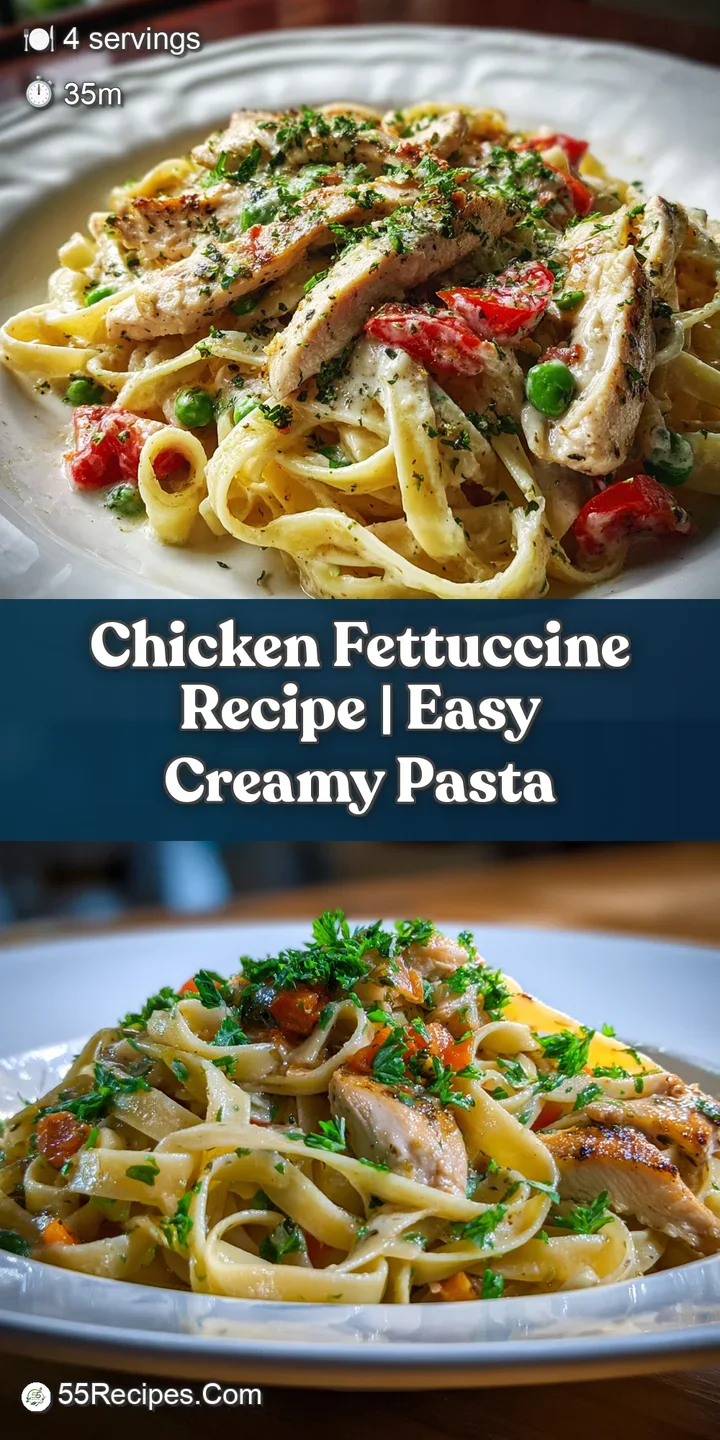
High in Sodium
945 mg of sodium per serving (41% of daily value)
The American Heart Association recommends limiting sodium intake to about 2,300mg per day for adults. Reducing sodium can improve your heart health.
Tips to Reduce Sodium in Fettuccine Alfredo
-
Reduce Parmesan Cheese-15%
Parmesan cheese is a significant source of sodium. Try reducing the amount of Parmesan by 50%, and adjust to taste. Consider using nutritional yeast to maintain a cheesy flavor.
-
Omit Added Salt-25%
Completely eliminate the added 'Kosher salt to taste'. Taste the dish after cooking before adding any salt, as the other ingredients contribute sodium.
-
Unsalted Butter Alternative-10%
Ensure that you are using unsalted butter. Even better, use half unsalted butter and half a low-sodium butter alternative.
-
Enhance with Herbs
Experiment with fresh herbs like parsley, basil, or thyme to boost flavor without adding sodium. Lemon zest can also provide a bright, fresh taste.
Recipe FAQs
What sauce is used for chicken fettuccine?
A creamy, dairy based sauce. Typically, this involves heavy cream, butter, Parmesan cheese, and often a touch of garlic and cream cheese for stability and flavor. The reserved starchy pasta water is key to creating a velvety emulsion.
What's the difference between chicken alfredo and chicken fettuccine?
Chicken fettuccine is the broader category, while chicken alfredo is a specific type. Chicken fettuccine refers to fettuccine pasta served with chicken, regardless of the sauce. Chicken alfredo specifically uses the classic Alfredo sauce (butter, cream, Parmesan) with chicken added.
What seasoning is good for chicken alfredo?
Garlic, nutmeg, salt, and black pepper are essential. Garlic provides a foundational savory note, nutmeg subtly enhances the creaminess, while salt and pepper balance and bring out the flavors. A touch of dried oregano can also add a nice herbal depth.
What's the secret to good Alfredo?
Emulsification using starchy pasta water and controlling heat. The starch in the reserved pasta water binds the fat from the cream and butter, creating a stable, velvety sauce. Avoid high heat once the cheese is added to prevent separation.
Can I make chicken fettuccine ahead of time?
Yes, components can be prepped in advance. Slice chicken and grate cheese up to 24 hours ahead. The sauce is best made fresh, but prepped chicken and sauce can be gently reheated separately with a splash of liquid.
What can I serve with chicken fettuccine?
Bright, acidic sides to cut the richness. A simple green salad with a lemon vinaigrette, steamed asparagus, or garlic bread are excellent choices. If you enjoyed mastering the technique for the chicken here, see how the same pan-searing principle applies to achieving perfect crispiness in our Crispy Chicken Thighs How to Make Em Perfect recipe.
Why is my chicken fettuccine sauce grainy?
Usually due to high heat when adding cheese or using pre-shredded cheese. Pre-shredded cheese contains anti caking agents that prevent smooth melting. Add cheese to a sauce at a low simmer, not a rolling boil, and always grate your own from a block.
Chicken Fettuccine
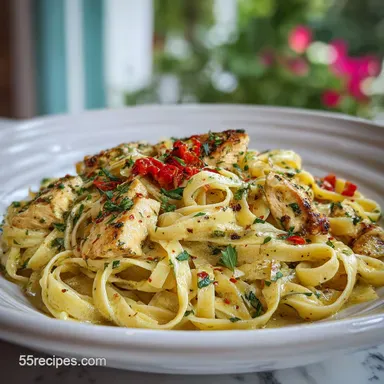
Ingredients:
Instructions:
Nutrition Facts:
| Calories | 1313 kcal |
|---|---|
| Protein | 83 g |
| Fat | 97 g |
| Carbs | 85 g |
| Fiber | 3.2 g |
| Sugar | 5.4 g |
| Sodium | 945 mg |
