Crawdad Boil Seasoning Blend
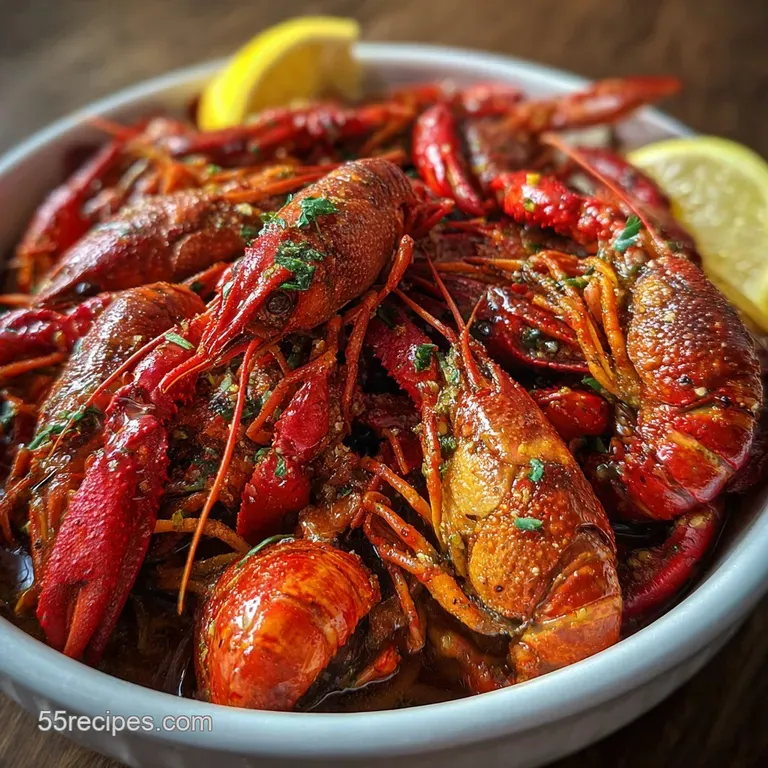
- Time: Active 10 minutes, Passive 0 minutes, Total 10 minutes
- Flavor/Texture Hook: Zesty, tongue tingling heat with a gritty, artisanal texture
- Perfect for: Large family gatherings, backyard seafood feasts, or big batch meal prep
- Crafting the Boldest Crawdad Boil Seasoning at Home
- Essential Metrics for Your Homemade Boil Seasoning
- Component Analysis for Peak Flavor
- The Aromatic Components of a True Cajun Blend
- A Step-By-Step Guide to the Best Boil Blend
- Troubleshooting Common Pitfalls in Your Spice Mix
- Adjusting the Heat for Every Family Member
- Myths About Boiling Seafood
- Storing and Repurposing Your Extra Seasoning Mix
- Creating the Ultimate Backyard Boil Atmosphere
- Critical in Sodium
- Recipe FAQs
- 📝 Recipe Card
Crafting the Boldest Crawdad Boil Seasoning at Home
There is a specific, heady aroma that takes over a backyard when the water finally hits a rolling boil. It is the smell of spicy cayenne hitting steam, the pungent scent of bay leaves wilting, and that sharp citrus note that cuts through the humidity.
I remember my first real boil in a dusty driveway where we dumped the crawfish onto newspaper lined tables. The steam hit my face and my eyes watered instantly, but in the best way possible. That was the day I realized that the secret was not just in the fish, but in the gritty, red tinted water that cooked them.
For years, I just grabbed whatever yellow tub of seasoning was on the shelf, thinking it was all the same. But those store-bought mixes are often ninety percent salt and fillers. When I finally started mixing my own, the flavors became three dimensional.
You get the smoky hum of paprika, the sudden floral pop of allspice, and a citrus brightness that you just cannot get from a factory made tin. This recipe is my tried and true blend that has seen us through countless summer nights. It is messy, it is loud, and it is exactly what your next boil needs.
Essential Metrics for Your Homemade Boil Seasoning
When you are preparing a massive pot of water for a feast, you need to know exactly how much punch your seasoning packs. This blend is designed for a large yield, enough to handle several pounds of seafood while maintaining that signature Louisiana kick.
We are focusing on a dry mix that dissolves efficiently, ensuring the spice penetrates the shells rather than just sitting on the surface.
Solubility Dynamics: Salt and fine spices dissolve rapidly in boiling water, while whole seeds and leaves release oils slowly during the "soak" phase. This ensures a layered flavor profile that builds from the first bite to the last.
| Pounds of Seafood | Seasoning Required | Water Volume | Feed This Many |
|---|---|---|---|
| 5 lbs | 0.5 cup | 2 gallons | 2-3 people |
| 10 lbs | 1 cup | 4 gallons | 4-6 people |
| 20 lbs | Full Batch (All) | 8-10 gallons | 10-12 people |
Since this mix is quite potent, it works beautifully for other shellfish too. If you are looking for something with a slightly different flavor profile for a smaller batch, you might want to try my Crab Boil Seasoning recipe. It has those classic coastal vibes but with a different herb balance.
Component Analysis for Peak Flavor
Understanding the "why" behind your spice cabinet helps you tweak the blend to your specific palate. Each ingredient here serves a purpose, from providing the base "hum" of heat to offering those high, bright notes that keep the seafood from feeling too heavy.
| Ingredient | Science Role | Pro Secret |
|---|---|---|
| Kosher Salt | Osmotic Transport | Use Diamond Crystal for faster dissolving and better flavor control. |
| Cayenne Pepper | Capsaicin Kick | Toast it in a dry pan for 30 seconds to deepen the earthy notes. |
| Smoked Paprika | Color & Depth | Provides that signature deep red hue that makes the shells look vibrant. |
| Dried Lemon Zest | Acid Balance | Essential for cutting through the richness of the crawfish fat. |
The whole seeds in this mix are not just for show. When they hit the hot water, the outer husks soften, allowing the volatile oils inside to infuse the liquid. This is what creates that complex, lingering spice that you feel on your lips long after the meal is over. It is very similar to how we layer flavors in a Kickin' Cajun Shrimp recipe, where the heat needs to be bold but balanced.
The Aromatic Components of a True Cajun Blend
Getting the balance right means being precise with your measurements. This recipe makes about 20 servings worth of seasoning, which is perfect for a standard backyard pot.
- 2 cups Kosher saltWhy this? Essential for drawing moisture out and driving flavor into the meat. (Substitute: Sea salt, but reduce volume by 25%)
- 0.5 cup Cayenne pepperWhy this? The primary source of heat that defines a traditional boil. (Substitute: Red pepper flakes, pulverized in a blender)
- 0.25 cup Smoked paprikaWhy this? Adds a subtle woodsy flavor and rich color. (Substitute: Sweet paprika for less smoke)
- 0.25 cup Garlic powderWhy this? Provides a savory, umami backbone to the spice mix. (Substitute: Dehydrated garlic flakes)
- 2 tbsp Onion powder (Substitute: Toasted onion granulated)
- 2 tbsp Dried thyme (Substitute: Dried oregano for an Italian Cajun twist)
- 12 Dried bay leaves, crumbledWhy this? Adds a tea like floral depth that rounds out the spices. (Substitute: 2 tsp ground bay leaves)
- 3 tbsp Dried lemon zest (Substitute: Dried orange zest for a sweeter profile)
- 2 tbsp Whole mustard seeds (Substitute: 1 tbsp ground mustard)
- 1 tbsp Black peppercorns, coarsely cracked (Substitute: White peppercorns for more floral heat)
- 1 tbsp Allspice berries, crushed (Substitute: 0.5 tsp ground allspice)
- 1 tsp Ground cloves (Substitute: Ground mace)
Chef's Tip: Freeze your whole spices for 10 minutes before crushing them in a mortar and pestle. This makes them more brittle, so they shatter into jagged, flavorful pieces rather than just getting squished.
A step-by-step Guide to the Best Boil Blend
Making your own seasoning is incredibly easy, but the order of operations matters for the best infusion. We want to ensure the whole spices are prepped to release their oils the moment they hit the water.
- Prep the bay leaves. Crumble the 12 dried bay leaves by hand into small flakes. Note: This increases surface area for better flavor extraction.
- Crack the peppercorns. Use a heavy skillet or a mortar and pestle to coarsely crack the 1 tbsp of black peppercorns until you see distinct shards.
- Crush the allspice. Give the 1 tbsp of allspice berries a firm press with the bottom of a jar or a pestle until the berries split open.
- Combine the powders. In a large mixing bowl, whisk together the 2 cups salt, 0.5 cup cayenne, 0.25 cup paprika, 0.25 cup garlic powder, and 2 tbsp onion powder.
- Add the herbs. Fold in the 2 tbsp of dried thyme and the crumbled bay leaves.
- Incorporate the aromatics. Stir in the 3 tbsp of dried lemon zest and 2 tbsp of whole mustard seeds until evenly distributed.
- Add the whole spices. Toss in the cracked peppercorns and crushed allspice berries.
- Final spice. Stir in the 1 tsp of ground cloves until the scent becomes fragrant.
- Store the mix. Transfer the seasoning to an airtight glass jar.
- Infuse. Let the mix sit for 24 hours before using so the oils from the seeds mingle with the salt.
Troubleshooting Common Pitfalls in Your Spice Mix

Even with a simple mix, things can go sideways if the ingredients are not stored correctly or if the salt balance is off. Most issues happen during the storage phase or when the mix is added to the pot too late.
Why Your Seasoning Feels Clumpy
If you live in a humid climate, your salt heavy mix might start to turn into a brick. This usually happens because the garlic and onion powders are highly "hygroscopic," meaning they pull moisture straight out of the air.
Dealing with Overwhelming Heat
Sometimes a batch of cayenne is just hotter than the last one. If you taste your water and it is scorching, do not panic. You can fix the balance without throwing out the whole pot.
| Problem | Root Cause | Solution |
|---|---|---|
| Bitter Aftertaste | Overcooked Cloves | Balance with a pinch of brown sugar in the pot. |
| No Heat Punch | Stale Cayenne | Add a splash of liquid hot sauce or fresh sliced habaneros. |
| Dull Flavor | Old Dried Herbs | Refresh the mix with a squeeze of fresh lemon juice in the water. |
Common Mistakes Checklist
- ✓ Always use a glass jar for storage (plastic can absorb the strong oils and spices).
- ✓ Crack whole spices just before mixing to keep the oils fresh and volatile.
- ✓ Check the expiration on your paprika; if it looks brown instead of red, it is tasteless.
- ✓ Do not skip the "soak" time after boiling; this is when the seasoning actually enters the meat.
- ✓ Keep the mix away from the stove's heat when storing to prevent the oils from going rancid.
Adjusting the Heat for Every Family Member
Scaling this recipe is straightforward since it is a dry mix. If you are doing a smaller "apartment boil" on your stovetop, just cut everything in half. For huge outdoor events, you can triple the recipe easily.
- To Scale Down (1/2 batch): Use 1 cup salt and 1/4 cup cayenne. You can use a standard quart sized Mason jar for storage. Reduce the allspice to 1.5 teaspoons.
- To Scale Up (2x batch): Double all ingredients, but keep the salt at 1.5x initially. Taste the water before adding the final half cup of salt, as it can become overwhelming in large volumes.
- Baking Application: If you want to use this as a dry rub for roasting, reduce the salt content by half. The high salt ratio in the boil is meant to be diluted by gallons of water, so it will be too salty for a direct rub on chicken or fish.
Myths About Boiling Seafood
There are a lot of old wives' tales when it comes to seasoning a big pot of mudbugs. Let's clear up some of the most common ones so you can cook with confidence.
"Squeezing lemons into the water provides all the citrus you need." While fresh lemon is great, the dried zest in the seasoning provides a concentrated citrus oil that does not boil off as quickly. The combination of both is what creates that velvety, bright finish on the seafood.
"Adding salt at the very end prevents the crawfish from getting tough." This is actually backward. You want the salt in the water from the start so the crawfish can "drink" the seasoned water as they cook. This seasons the meat from the inside out. Adding it at the end only coats the shell.
Storing and Repurposing Your Extra Seasoning Mix
Once mixed, this seasoning is remarkably stable. Keep it in a cool, dark pantry in a glass jar, and it will stay fresh for at least 6 months. If it does clump up over time, just give the jar a vigorous shake or break it up with a fork.
For a zero waste approach, do not just use this for seafood. This blend makes an incredible "Cajun Dust" for homemade potato chips or popcorn. You can also toss it with roasted potatoes or use it to season the flour when making fried okra. If you have leftover liquid from the boil itself, do not toss it! Strain it and use it as a base for a spicy seafood risotto or a base for a How to Boil recipe where you want to add a serious flavor punch to root vegetables.
Creating the Ultimate Backyard Boil Atmosphere
The presentation of a boil is just as important as the flavor. Part of the joy is the "unceremonious dump" of the pot onto the table. It is tactile, messy, and social.
To really lean into the experience, serve your crawfish with plenty of cold drinks and extra napkins. If you want to get fancy, you can put small bowls of the dry seasoning mix on the table for people who want an extra "dip" for their tails. Just remember, this is not a meal for white tablecloths.
Use heavy duty butcher paper or recycled newspapers to catch all the juices. It makes cleanup a breeze and adds to the authentic, rustic feel of a true Louisiana feast.

Critical in Sodium
9300 mg mg of sodium per serving (404% of daily value)
The American Heart Association recommends limiting sodium intake to about 2,300mg per day for most adults.
Sodium Reduction Tips for This Recipe
-
Reduce Kosher Salt-25%
Significantly reduce the amount of Kosher salt. Start by using only 1 cup instead of 2 cups. Taste and adjust to your preference. Consider using a salt substitute or a blend of salt and potassium chloride to maintain a salty flavor.
-
Eliminate Kosher Salt Entirely-25%
Experiment with eliminating Kosher salt from the recipe completely. While salt contributes to flavor, the other spices offer plenty of savory notes. Taste frequently during preparation, after cooking and after chilling to ensure that flavor is where you want it.
-
Adjust Spice Ratios-15%
Increase the quantities of the other spices (cayenne pepper, smoked paprika, garlic powder, onion powder, dried thyme, dried lemon zest, whole mustard seeds, black peppercorns, allspice berries, ground cloves) to compensate for less salt.
More of the other ingredients will increase the savory flavor and decrease need for salt.
-
Enhance Lemon Zest-5%
Increase the amount of dried lemon zest to brighten the flavor profile. Acidity can help balance the overall taste and reduce the perceived need for salt. Make sure that zest has no pith in it.
-
Fresh Herbs & Spices
Whenever possible, use fresh herbs and spices. They offer a more intense flavor, which can help you reduce the amount of salt needed. Try adding a pinch of red pepper flakes.
Recipe FAQs
What spices are good in crawfish boil?
Cayenne pepper, paprika, garlic powder, and whole mustard seeds are essential. These four create the core profile: heat, color, savory depth, and a sharp bite. You also need significant salt to drive flavor into the shells.
What seasonings to use for a seafood boil?
A blend heavy on salt, cayenne, garlic, and dried citrus zest is best. For shrimp or crab, ensure you include herbs like thyme or bay leaves for an earthier profile.
If you are looking for a different take on coastal flavor, check out the method in our Homemade Old Bay recipe for a different herb balance.
What seasonings are good for crawfish?
Use a robust blend featuring aggressive cayenne and pungent allspice. The key is layering heat with an acidic element, like lemon zest, to cut through the richness of the meat. Do not forget plenty of salt, as this draws the seasoning into the shell meat.
What seasonings do you put in a boil?
Start with salt, cayenne, paprika, dried citrus zest, bay leaves, and whole cracked peppercorns. These form the fundamental building blocks of a Louisiana style boil flavor profile.
If you are mastering temperature control for different ingredients, applying the same precision to your liquid is key; see how we manage heat in the Medium Boiled Eggs recipe.
How do I ensure my crawfish boil seasoning is spicy enough?
Toast your cayenne pepper briefly in a dry skillet before adding it to the mix. Toasting activates the volatile oils in the chili without scorching the spice, yielding a deeper, more rounded heat profile.
You can also add fresh sliced jalapeños directly to the water while boiling for immediate, raw heat.
Is it true I only need salt for a proper crawfish boil?
No, this is a common misconception. While salt is critical for drawing flavor into the meat, relying solely on it results in overly salty but bland crawfish. You need aromatics like garlic, onion, and herbs to provide depth beyond the simple salinity.
Can I use pre-ground spices instead of whole ones in my boil mix?
Yes, you can, but the flavor will be flatter and less complex. Whole seeds like mustard and allspice release aromatic oils slowly as they simmer, creating layered flavor over time. Pre-ground spices release their flavor rapidly and dissipate quickly, making the final soak phase less effective.
Crawdad Boil Seasoning Blend

Ingredients:
Instructions:
Nutrition Facts:
| Calories | 29 kcal |
|---|---|
| Protein | 1.1 g |
| Fat | 1 g |
| Carbs | 5.5 g |
| Fiber | 2.1 g |
| Sugar | 0.8 g |
| Sodium | 9300 mg |
