Filipino Banana Ketchup Recipe
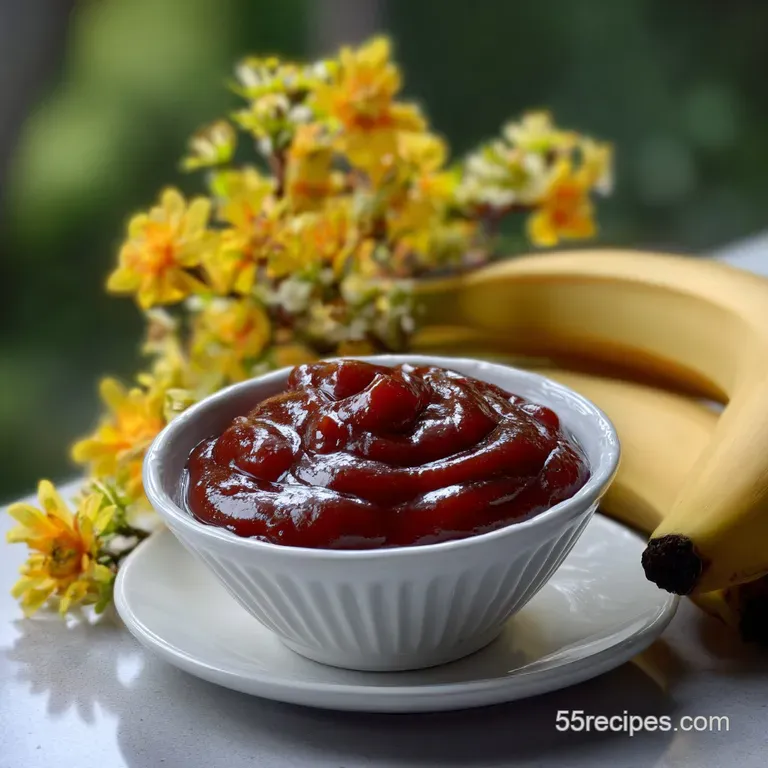
- Time: Active 10 minutes, Passive 25 minutes, Total 35 minutes
- Flavor/Texture Hook: Tangy, sun kissed sweetness with a velvety, smooth finish.
- Perfect for: Budget-friendly family cookouts, dipping crispy fries, or glazing grilled chicken.
- Crafting Authentic Filipino Banana Ketchup
- The Science Behind This Sauce
- Ingredient Deep Dive and Roles
- Sourcing Everything on a Budget
- Kitchen Tools You Truly Need
- Cooking Your Sauce Stepwise
- Quick Fixes for Kitchen Blunders
- Swaps and Flavorful Variations
- Storing Leftovers and Zero Waste
- Best Ways to Enjoy It
- Expert Knowledge for Every Cook
- Recipe FAQs
- 📝 Recipe Card
Have you ever looked at those bruised, brown bananas on your counter and felt a bit of guilt? I used to just toss them or wait until I had enough for another Banana Nut Muffin recipe, but then I discovered the magic of the Philippines' favorite sauce. This condiment is a staple for a reason it's affordable, uses things you already have, and tastes like a party on your tongue.
It's actually a bit of a historical miracle. Back in World War II, when tomatoes were scarce in the Philippines, Maria Orosa used local bananas to create a ketchup that changed everything.
It’s got that familiar vinegar snap but with a much deeper, tropical soul that makes ordinary chicken or pork taste like something special.
I promise you, once you see how easy this is, you'll never look at a spotted banana the same way again. We're going to use simple pantry staples to turn "trash" fruit into a bright red, zingy sauce that your family will ask for every single week. Right then, let’s get into why this works so well.
Crafting Authentic Filipino Banana Ketchup
The beauty of this sauce lies in its ability to mimic the acidity of tomatoes while offering a much thicker, more satisfying mouthfeel. It’s a masterclass in using what you have to create something better than what you could buy.
Pectin Power: Overripe bananas are packed with pectin, which acts as a natural thickener. As we simmer the fruit, these pectin chains tangle together, creating a thick, glossy texture without needing cornstarch.
Acetic Acid Balance: The white vinegar doesn't just add tang; it lowers the pH of the sauce. This high acidity acts as a natural preservative and cuts right through the heavy sugar content of the fruit.
Maillard Reaction: Sautéing the minced onions and garlic in 1 tsp vegetable oil creates savory compounds. These aromatics provide the "umami" backbone that keeps the sauce from tasting like a dessert.
Sugar Caramelization: Using 1/3 cup dark brown sugar introduces molasses notes. When heated with the vinegar and 16g tomato paste, it creates a complex, savory sweet profile that mimics sun ripened tomatoes.
Volatile Spice Release: The heat from the 1/4 tsp cayenne and the warmth of the 1/8 tsp ground cloves dissolve into the fat and water. This ensures every drop of ketchup has a consistent, warming hum.
The Science Behind This Sauce
1. Pectin Driven Sauce Viscosity
Bananas contain long chain carbohydrates called pectin that provide structure. When boiled with acid, these chains break and reform into a gel that gives the ketchup its iconic "clinging" power.
2. The Aromatic Base Layer
Onions and garlic contain sulfur compounds that transform when sautéed. This step is vital because it moves the banana flavor from "fruit salad" to "savory condiment" through chemical transformation.
3. Balance pH for Sauce Brightness
The 120ml of distilled white vinegar provides a sharp contrast to the 65g of dark brown sugar. This creates a chemical balance that prevents the sauce from feeling cloying or heavy on the palate.
Ingredient Deep Dive and Roles
| Ingredient | Science Role | Pro Secret |
|---|---|---|
| Overripe Bananas (450g) | Primary Bulk & Pectin | Use skins that are almost black for the highest sugar content. |
| Distilled Vinegar (120ml) | Acidic Stabilizer | Don't swap for apple cider vinegar if you want that classic sharp bite. |
| Dark Brown Sugar (65g) | Flavor & Viscosity | The molasses in dark sugar adds a "cooked down" depth quickly. |
| Tomato Paste (16g) | Color & Umami | Sauté the paste for 1 minute before adding liquids to remove the "raw" tin taste. |
Sourcing Everything on a Budget
This is a very affordable recipe because the main ingredient is often something people want to give away. If you find your local market has a "reduced" bin for produce, that is where the gold is for this sauce.
- 4 large very overripe bananas (approx. 450g): You want them mushy. The more spots, the better. Why this? Soft fruit mashes into a smoother emulsion without lumps.
- Substitute: 450g canned banana purée (though it lacks the fresh zip).
- 1 small yellow onion, finely minced (110g): Provides the savory foundation. Why this? Yellow onions have more sugar than white, aiding caramelization.
- Substitute: 1 tbsp onion powder (add it with the spices instead).
- 4 cloves garlic, minced (20g): Essential for that Filipino flavor profile. Why this? Fresh garlic provides a sharper bite than the jarred stuff.
- Substitute: 1 tsp garlic powder.
- 1 tbsp fresh ginger, grated (15g): Adds a subtle, citrusy heat. Why this? Ginger cuts through the richness of the banana starch.
- Substitute: 1/2 tsp ground ginger.
- 1/2 cup distilled white vinegar (120ml): The preservative and tang. Why this? Its neutral flavor lets the fruit and spices shine through.
- Substitute: Rice vinegar for a milder, slightly sweeter finish.
- 1/2 cup water (120ml): Thins the sauce to the right consistency. Why this? Helps the sugar dissolve and prevents the bottom from scorching.
- Substitute: Chicken or vegetable stock for a saltier, meatier flavor.
- 1/3 cup packed dark brown sugar (65g): Deep sweetness. Why this? Dark sugar contains more moisture and minerals than white sugar.
- Substitute: Light brown sugar mixed with 1 tsp molasses.
- 1 tbsp tomato paste (16g): Mostly for color and a hint of tomato depth. Why this? It provides a concentrated red hue without adding excess water.
- Substitute: 2 tbsp beet juice (for color) or skip it entirely (sauce will be brown).
- 1 tsp salt (6g): Enhances all other flavors. Why this? Salt balances the high sugar and acid levels perfectly.
- Substitute: 1.5 tsp soy sauce for an even deeper umami punch.
- 1/4 tsp ground black pepper: A bit of earthy spice.
- 1/4 tsp cayenne pepper: For a tiny bit of back of-the throat warmth.
- 1/8 tsp ground cloves: The "secret" ingredient that makes it smell like ketchup.
- 1 tsp vegetable oil: For sautéing the aromatics.
Kitchen Tools You Truly Need
You don't need a fancy kitchen to make this, which is why I love it. A simple Lodge Cast Iron Skillet or a heavy bottomed saucepan will do the trick. The heavy bottom is important because the sugar can burn if the pan is too thin.
You'll also want a sturdy whisk or an immersion blender. If you want that silky, store-bought look, a blender is your best friend. If you like it a bit rustic, a potato masher works just fine.
Chef's Tip: Freeze your ginger for 10 minutes before grating. It makes the fibers firm, so it zips through the grater without turning into a mushy mess!
Cooking Your Sauce Stepwise
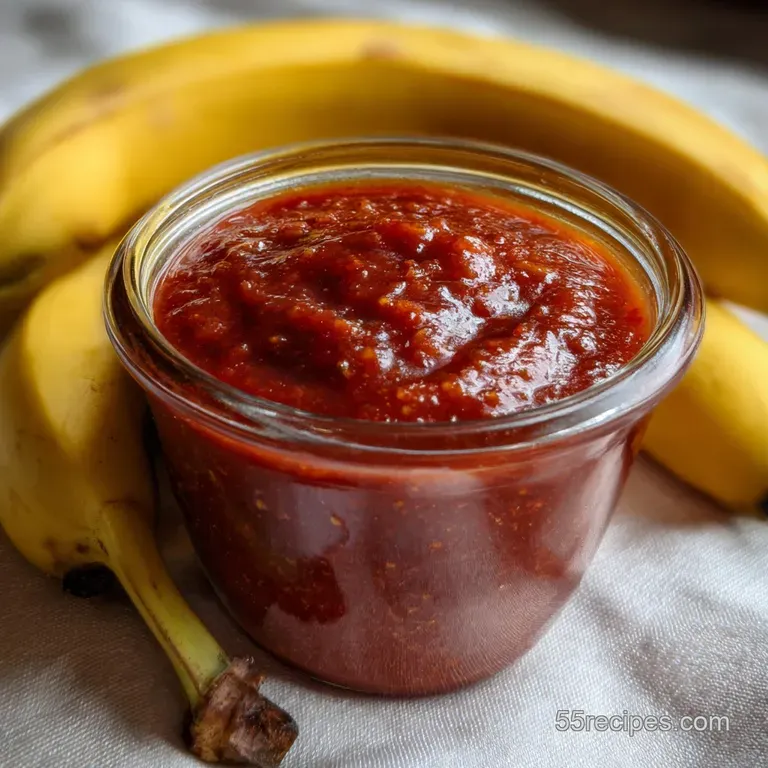
Phase 1: Building the Flavor Foundation
- Heat the oil. Place your 1 tsp vegetable oil in a saucepan over medium heat until it shimmers slightly.
- Sauté the aromatics. Add the 110g minced onion, 20g garlic, and 15g ginger. Note: This softens the raw cellular walls of the vegetables.
- Cook the base. Stir frequently for about 5 minutes until the onions are translucent and fragrant.
Phase 2: The Fruit Fusion
- Add the fruit. Stir in the 450g mashed bananas and 16g tomato paste. Note: Searing the fruit slightly concentrates the natural sugars.
- Incorporate liquids. Pour in the 120ml distilled white vinegar and 120ml water.
- Whisk the mixture. Use a whisk to combine the liquids with the fruit until the mixture is mostly uniform.
Phase 3: The Reduction & Emulsion
- Season the sauce. Add the 65g dark brown sugar, 6g salt, 1/4 tsp black pepper, 1/4 tsp cayenne, and 1/8 tsp ground cloves.
- Simmer the blend. Turn the heat to low and let it bubble gently for 20 minutes until the sauce thickens and coats a spoon.
Phase 4: The Smooth Finish
- Blend for texture. Remove from heat and use an immersion blender until the sauce is velvety and completely smooth.
- Cool and set. Let the ketchup cool to room temperature. Note: The pectin will continue to set as the temperature drops.
| Method | Texture Result | Time |
|---|---|---|
| Stovetop | Concentrated, thick, and deeply caramelized. | 25 minutes |
| Oven (Covered) | Thinner, more consistent heat, less chance of burning. | 45 minutes |
Quick Fixes for Kitchen Blunders
Sauce is Too Thick
Sometimes the bananas have more starch than we expect. If your ketchup looks like paste instead of a sauce, don't panic. Simply whisk in 1 tablespoon of warm water at a time while the sauce is still warm until it reaches your desired flow.
Flavor is Too Banana Forward
If you can still clearly taste "banana" rather than "ketchup," it usually means it hasn't simmered long enough or needs more acid. Add another teaspoon of vinegar and simmer for 5 more minutes. The heat helps the banana flavor recede into the background.
Grainy or Lumpy Texture
This happens if the onions weren't minced finely enough or the bananas weren't mashed well. The fix is simple: run the sauce through a fine mesh sieve after blending. It catches those little bits and leaves you with a professional, silky finish.
| Problem | Cause | Fix | Pro Tip |
|---|---|---|---|
| Too Sweet | Overripe fruit + sugar | Add 1 tsp vinegar | Balance with a pinch more salt. |
| Too Pale | Not enough paste | Add 1 tsp tomato paste | Use a drop of red food coloring for neon style. |
| Scorched Base | Heat was too high | Transfer to new pot | Do not scrape the bottom of the burnt pan! |
Swaps and Flavorful Variations
I’m all about being budget smart, so don’t feel like you have to run to the store if you’re missing one little thing. If you want a different vibe, you can even lean into the sweetness by trying my How to Make recipe later for dessert!
1. Spicy Bird’s Eye Twist
If you like heat, swap the cayenne for 2 finely minced Thai bird's eye chilies. This is how many families in the Philippines make their "extra hot" versions. It adds a fresh, biting heat that works beautifully with the sugar.
2. Smoky BBQ Style Variation
Add 1/2 teaspoon of liquid smoke or a tablespoon of Worcestershire sauce. This shifts the profile toward a Filipino BBQ Sauce, perfect for basting pork skewers. It gives it a "cooked over wood" flavor even if you're just using your stovetop.
3. Natural Color Dye Free Style
If you hate using tomato paste or dyes, you can use a small piece of fresh beet. Toss a 1 inch cube of peeled beet into the pot while simmering, then remove it before blending. It provides a stunning, natural magenta red color without changing the flavor.
- If you want it Extra Tangy
- Increase vinegar by 2 tablespoons.
- If you want it More Savory
- Add 1 tablespoon of soy sauce.
- If you want it Super Smooth
- Pass the finished sauce through a chinois or fine sieve.
Storing Leftovers and Zero Waste
Since we used a good amount of vinegar and sugar, this sauce stays fresh for quite a while. I like to keep mine in a glass jar (like an old jam jar) in the fridge.
- Fridge: Store in an airtight container for up to 2 weeks. The flavors actually get better after 24 hours.
- Freezer: You can freeze this! Put it in a freezer safe bag for up to 3 months. Just thaw it in the fridge overnight and give it a good shake.
- Zero Waste Tip: Don't throw away those banana peels! You can soak them in water for 48 hours to make a nutrient rich "tea" for your houseplants. Also, if you have just a little bit of ketchup left in the jar, add some oil and vinegar to it and shake it up for a quick, fruity salad dressing.
Best Ways to Enjoy It
This isn't just for fries! In the Philippines, this is the soul of many meals. It's the classic companion for Tortang Talong (eggplant omelet) or Filipino spaghetti.
One of my favorite ways to use it is as a glaze for grilled chicken. The high sugar content means it caramelizes quickly under a broiler or on a grill, creating those charred, sticky bits everyone fights over. You can also mix it with a bit of mayo for a "special sauce" on burgers.
If you are feeling adventurous, try using it as a base for a Tropical Banana Daiquiri Delight recipe inspired glaze for shrimp. It sounds wild, but that sweet and sour profile loves seafood.
Expert Knowledge for Every Cook
Achieving Perfect Sauce Thickness
The "nappe" test is your best friend here. Dip a cold metal spoon into your simmering sauce. Run your finger down the back of the spoon. If the trail stays clear and the sauce doesn't run into the gap, it's ready. Remember, it will thicken by about 20% as it cools down.
Using Standard Yellow Bananas
You can use yellow bananas, but the sauce will be less flavorful and require more sugar. If you only have yellow ones, mash them and let them sit on the counter for an hour with a little lemon juice to help break down the starches before you start cooking.
Blending Without Immersion Tools
No blender? No problem. Just make sure your onions and garlic are minced into a paste before starting. Mash the bananas through a fork or a potato masher until no lumps remain. The final sauce will be "chunky style," which is actually quite common in homemade versions.
Scaling Guidelines:To Double (2x): Use 900g bananas. Keep the spices at 1.5x (so use 1.5 tsp salt) to avoid over seasoning. Reduce total water by 10% to ensure it still thickens properly. To Half (1/2): Use 225g bananas.
Cooking time will be shorter, roughly 12-15 minutes of simmering. Use a smaller pot to prevent the liquid from evaporating too fast.
Kitchen Myths Debunked: 1. "Banana ketchup tastes like bananas." Actually, the vinegar and spices mask the fruitiness. Once cooked, it tastes remarkably like tomato ketchup but with a rounder, smoother finish. 2.
"You need red food dye for it to be authentic." While commercial brands use dye for that "neon" look, many home cooks prefer the natural reddish brown of the tomato paste or the "naturalist" brown version.
Right then, that's everything you need to turn those sad looking bananas into the best sauce in your fridge. It’s cheap, it’s joyful, and it’s a total family favorite. Let's crack on and get cooking!
Recipe FAQs
How to make Filipino banana ketchup?
Simmer and blend. The process involves sautéing aromatics like onion and garlic, blending in very ripe bananas, vinegar, sugar, and spices, and simmering until thick before blending smooth.
How to make Filipino banana ketchup from scratch?
Yes, it requires basic pantry staples. You start by sautéing onion, garlic, and ginger, then combine these with mashed overripe bananas, white vinegar, brown sugar, and spices like clove and cayenne before reducing the mixture until thick.
How to make Filipino banana sauce?
The technique focuses on pectin setting. Banana sauce achieves its glossy texture because the pectin in the ripe fruit gels during the slow simmer with the acid from the vinegar, ensuring a velvety mouthfeel.
How to make Filipino spaghetti without banana ketchup?
No, you risk losing the signature sweet tangy flavor. While you can use tomato paste and sugar for color and sweetness, the tropical flavor profile unique to Filipino spaghetti relies heavily on the banana ketchup base.
How to make Filipino spaghetti with banana ketchup?
Incorporate it during the sauce reduction. Stir the banana ketchup into your ground meat sauce after browning the meat and onions, letting it simmer for at least 10 minutes to allow the robust sweetness to meld with the savory elements.
Can I substitute the vinegar if I run out?
You can substitute, but the resulting tang will change. Rice vinegar offers a milder, slightly sweeter acidity, similar to how you might adjust the tartness when making a light dressing like our Tropical Banana Daiquiri Delight recipe.
What makes the color naturally red without dye?
Tomato paste provides the crucial initial color. A small amount of tomato paste, sautéed briefly to bloom its flavor, gives the sauce a reddish tint, which deepens to a brownish red as the banana sugars caramelize during simmering.
Filipino Banana Ketchup Recipe
Ingredients:
Instructions:
Nutrition Facts:
| Calories | 26 kcal |
|---|---|
| Protein | 0.3 g |
| Fat | 0.2 g |
| Carbs | 6.1 g |
| Fiber | 0.4 g |
| Sugar | 4.2 g |
| Sodium | 74 mg |
