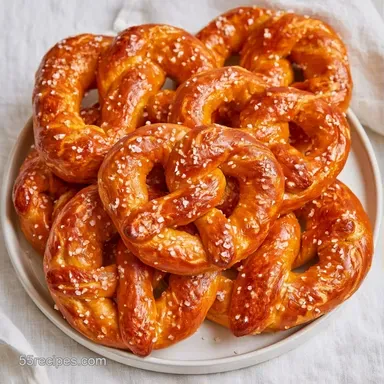
Authentic German Pretzels
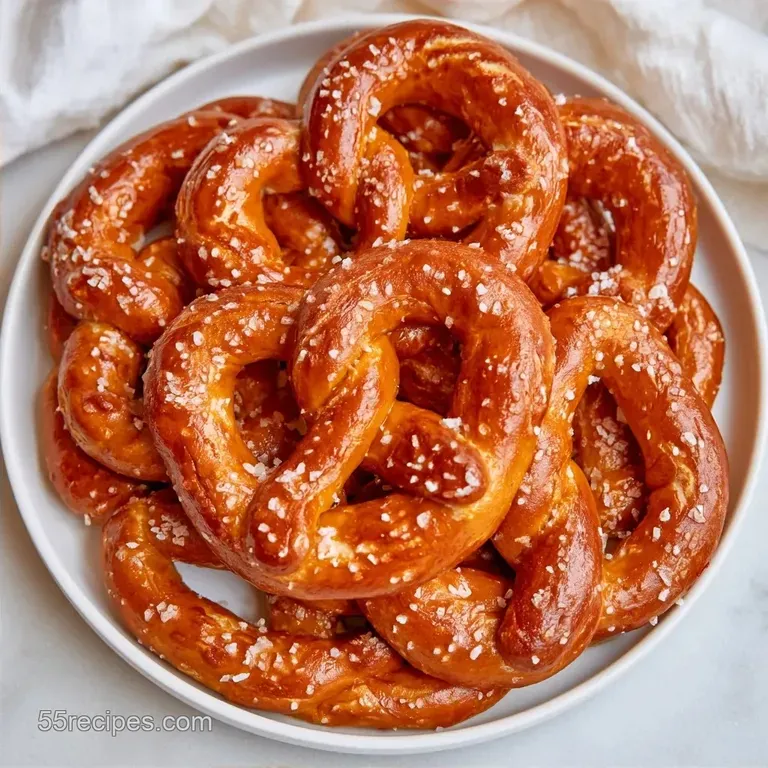
- Time: 30 min active + 60 min rising
- Flavor/Texture Hook: Deep mahogany crust with a soft, chewy center
- Perfect for: Weekend brunch or a cozy beer hall night at home
- Homemade German Pretzels
- What Makes Them Work
- Method Comparison Guide
- Ingredient Deep Dive
- Shopping List and Swaps
- Necessary Kitchen Tools
- The Baking Process
- Troubleshooting Your Bake
- Goal Based Adjustments
- Storage and Zero Waste
- Creative Twist Ideas
- Presentation and Serving
- Critical Sodium Level
- Recipe FAQs
- 📝 Recipe Card
Homemade German Pretzels
Ever wonder why the pretzels at the German market have that deep, dark color that you just can't get at home? I used to think it was some mysterious oven setting or a special type of flour. I spent a few weekends trying to mimic it with just baking soda, but they always came out looking like pale, oversized bagels.
The real answer is the dip. Once I started using a lye solution, the difference was immediate. These German Pretzels don't just look right, they have that specific, slightly soapy, savory tang that makes them authentic.
You don't need a professional bakery to do this. I've stripped away the complex waiting periods, and you can get these on the table in under two hours. It's all about the pH balance on the dough surface, which creates that shatteringly crisp exterior.
What Makes Them Work
The alkaline bath changes the pH of the dough, which makes the starches break down into sugars. These sugars brown fast in the oven, giving you that dark color and chewy texture.
It's a similar logic to why we use specific vinegars in a Warm German Potato Salad to cut through the richness of the bacon. The acidity and alkalinity in these recipes balance out the heavy fats.
Method Comparison Guide
| Method | Time | Texture | Best For |
|---|---|---|---|
| Lye Dip | 1h 45m | Crisp, dark, tangy | Authentic taste |
| Soda Bath | 1h 30m | Softer, golden brown | Lye free option |
| store-bought | 10m | Dense, uniform | Quick snacks |
Ingredient Deep Dive
I like to use bread flour here because the higher protein content helps the pretzels hold their shape during the dip. If the gluten is too weak, the pretzel just flops into a puddle of dough.
| Ingredient | Role | If You Don't Have It |
|---|---|---|
| Bread Flour | Structure | All purpose flour (will be softer) |
| Lye Flakes | Browning | Baking soda (less dark color) |
| Distilled Water | Purity | Filtered water (tap may react with lye) |
| Active Dry Yeast | Lift | Instant yeast (skip the bloom) |
Shopping List and Swaps
For these German Pretzels, stick to the measurements. Baking is a bit like a chemistry project, and too much salt can actually kill your yeast before it even starts working.
- 500g bread flour Why this? Extra protein for a better chew
- 300ml warm water Why this? Activates the yeast quickly
- 7g active dry yeast
- 9g fine sea salt
- 28g unsalted butter, melted and cooled
- 950ml distilled water Why this? Prevents mineral interference with lye
- 54g food grade lye flakes
- 30g coarse pretzel salt
- 30g melted butter
| Original Ingredient | Substitute | Why It Works |
|---|---|---|
| Bread Flour | AP Flour | Common pantry item. Note: Result is less chewy |
| Lye Flakes | Baking Soda | Safer to handle. Note: Pale brown color |
| Distilled Water | Filtered Water | Similar purity. Note: Small risk of spotting |
Necessary Kitchen Tools
You'll need a large mixing bowl and a stand mixer such as KitchenAid to save your arms during the kneading process. A digital scale is also a must. Measuring flour by the cup is too risky for German Pretzels, as you can easily pack too much in.
Don't forget a pair of rubber gloves for the lye bath. Lye is caustic, and while it's food grade, it can irritate your skin if you're not careful. A wide, shallow plastic container works best for the dipping process.
The Baking Process
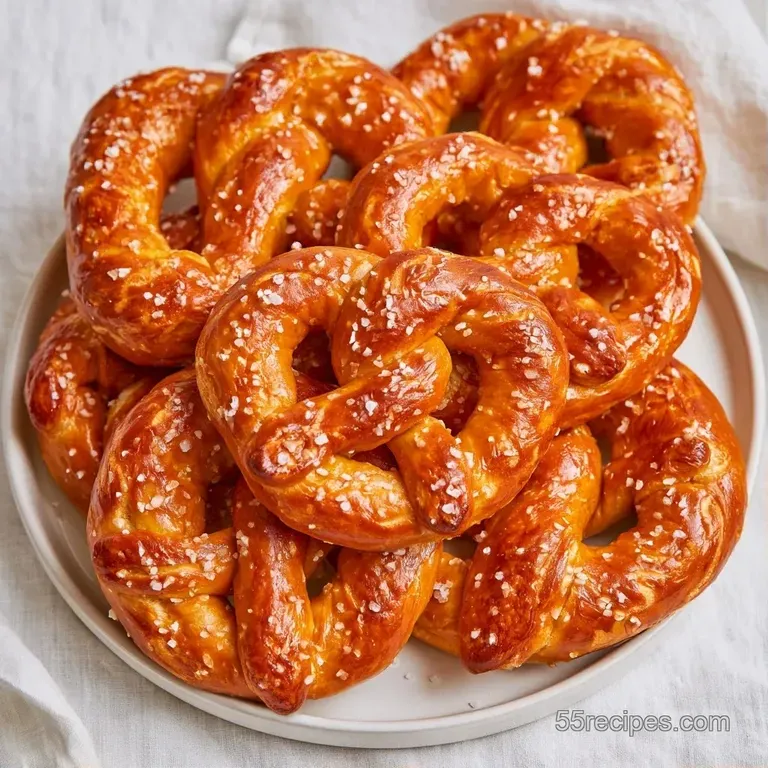
Time to get started. Ensure your water is warm, not hot, to avoid killing the yeast.
- Mix the warm water and yeast, letting it bloom for 5 minutes until it becomes foamy.
- Stir in the flour, salt, and melted butter.
- Knead the dough for 5-7 minutes until the texture is smooth and elastic.
- Place the dough in a greased bowl and cover with a damp cloth, letting it rise in a warm spot for 60 minutes until it has doubled in size.
- Gently punch down the dough and divide it into 10 equal pieces.
- Roll each piece into a 20 inch rope. Shape into a 'U', cross the ends twice, and press them into the base curve to create a knot.
- Dissolve lye flakes into distilled water with care. Dip each pretzel for 30 seconds before moving them to a parchment lined sheet.
- Scatter with coarse salt.
- Bake at 450°F (230°C) for 12-15 minutes until they reach a deep mahogany brown.
- Apply a brush of melted butter immediately after removing them from the oven.
Pro Tip: Estimating the length is fine if a 20 inch ruler isn't on hand. Aim for a thin rope rather than a thick log so the interior cooks through before the exterior burns.
Troubleshooting Your Bake
Even with a good recipe, things happen. I once forgot the distilled water and used tap water, and the lye didn't react the same way, leaving a few pale spots on my German Pretzels.
Fixing Sticky Dough
If the dough clings to your fingers, don't just dump in more flour. That makes the bread dense. Instead, lightly oil your palms with a bit of neutral oil. This lets you keep kneading without ruining the hydration ratio.
Preventing Over Browning
Lye makes dough brown very quickly. If your oven runs hot, check them at the 10 minute mark. If they look dark enough, pull them out. They continue to cook for a minute on the hot pan.
Correcting Flat Pretzels
If your German Pretzels look like pancakes, you might have over proofed the dough. Next time, keep a closer eye on the 60 minute mark. If the dough feels too fragile, let it rest for 10 minutes after shaping before dipping them.
Goal Based Adjustments
| Goal | What to change |
|---|---|
| Softer center | Reduce bake time by 2 minutes |
| Extra salty | Double the coarse salt |
| Thinner crust | Roll ropes to 24 inches |
Storage and Zero Waste
Once the German Pretzels cool, store them in a paper bag at room temperature for about 24 hours. If you use a plastic bag, they'll get soft and lose that crust. For longer storage, put them in the freezer for up to 2 months.
To reheat, don't use the microwave. Pop them in a 350°F (175°C) oven for 5 minutes. This brings back the crispness that makes them great.
If you have leftover lye solution, do not pour it down the drain immediately. Neutralize it first by adding a generous amount of white vinegar until it stops bubbling. This protects your pipes and the environment.
Creative Twist Ideas
You can easily change the flavor profile of these German Pretzels. For a savory kick, brush them with garlic butter instead of plain butter at the end. I've also tried adding a tablespoon of molasses to the dough for a deeper, sweeter flavor.
They are incredible when paired with a Düsseldorf Mustard recipe for that classic contrast of salt and acid. If you want something more modern, try dipping the knots in melted chocolate and sprinkling them with sea salt.
For those who want a bite sized version, just roll the dough into small balls instead of long ropes. Dip them the same way and bake for about 8-10 minutes. These pretzel bites are a hit at parties.
Presentation and Serving
For a rustic beer hall atmosphere, the best way to present German Pretzels is on a wooden board. Stack them high with a bowl of warm beer cheese or Obatzda (a spiced Bavarian cheese spread) in the center.
If you're hosting a group, maintain their warmth in a low oven, but be careful not to let them dry out. A side of sliced bratwurst or a refreshing cucumber salad completes the meal beautifully.
The scent of these baking in the oven is guaranteed to draw everyone into the kitchen. Serve them while they're still hot enough to melt butter on the tongue.
Critical Sodium Level
1240 mg 1240 mg of sodium per serving (54% 54% of daily value)
The American Heart Association recommends a daily limit of 2,300mg of sodium for most adults to reduce the risk of hypertension and heart disease.
Tips to Reduce Sodium
-
Minimize Topping Salt-30%
The coarse pretzel salt is the largest sodium contributor; reduce the amount by half or use a larger grain salt to maintain the look with less volume.
-
Reduce Dough Salt-25%
Decrease the fine sea salt in the bread flour mixture by 25% to lower the base sodium content of the dough.
-
Lye Bath Optimization-10%
Ensure you are using the minimum amount of food grade lye necessary for the crust reaction, as sodium hydroxide contributes to the total sodium load.
-
Enhance with Aromatics
Fold in garlic powder, onion powder, or dried rosemary to the dough to provide a savory flavor profile without increasing sodium.
Recipe FAQs
What makes authentic German pretzels different from others?
They use a lye dip to create a deep mahogany color and a distinct tangy flavor. This process creates a chemical reaction on the crust that baking soda cannot fully replicate.
Is it true that tap water works fine for the lye dip?
False. Minerals in tap water can interfere with the lye reaction and leave pale spots on your crust. Use distilled water for a consistent, dark finish.
How to reheat pretzels to keep them crispy?
Heat them at 350°F (175°C) for 5 minutes. Skip the microwave to prevent the crust from becoming soft and chewy rather than crisp.
What side dishes pair best with these pretzels?
These pretzels pair wonderfully with a tangy German potato salad. The acidity of the salad cuts through the richness of the buttered crust perfectly.
Homemade German Pretzels