Low Calorie Tuna Melt with Greek Yogurt
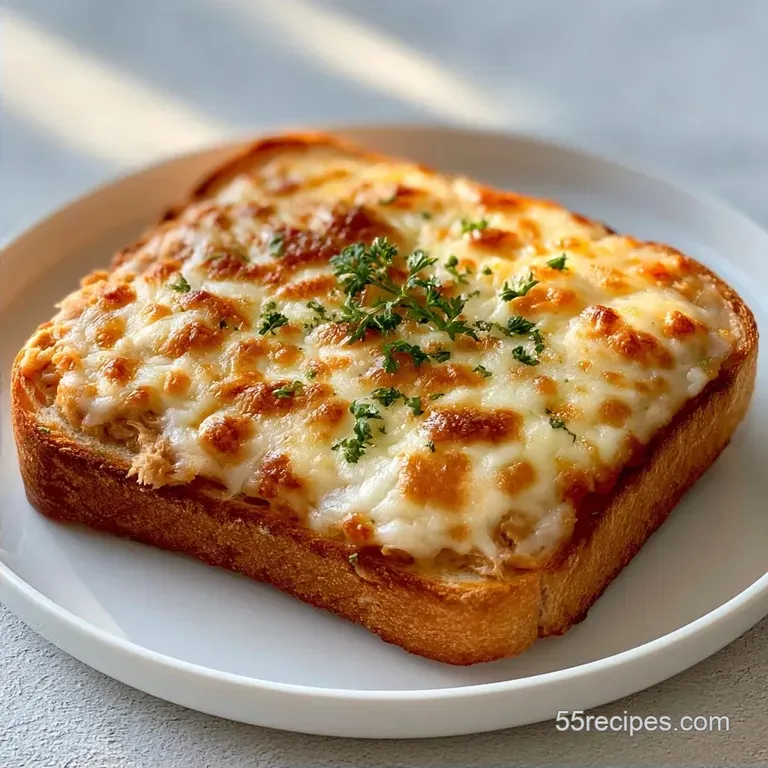
- Time: 10 min active + 5 min cook
- Flavor/Texture Hook: Crispy whole grain crust with a tangy, creamy center
- Perfect for: A fueled weeknight lunch or high protein meal prep
That sound of bread hitting a hot, oiled skillet is the best part of the day. I used to make these with a mountain of mayonnaise, but they always felt too heavy and left me wanting a nap. Then I started using plain Greek yogurt.
It provides that same creaminess but adds a brightness that makes the fish taste fresh instead of muted.
The real goal here is the balance of textures. You want a crust that crackles when you bite it, but a center that stays juicy. Using a whole grain bread provides a nutty base that stands up to the moisture of the tuna without getting soggy.
You'll find this is your new favorite Tuna Melt because it doesn't rely on grease to taste good. It's a clean, high protein meal that actually keeps you full until dinner.
The Best Way To Make A Tuna Melt
Most people just throw a sandwich in a pan and hope for the best, but that usually leads to burnt toast and cold cheese. The trick is managing the heat. By using medium low heat and a lid, you create a mini oven effect. This melts the cheddar through the tuna and tomato without charring the bread.
I've noticed that adding the tomato slice under the cheese acts as a barrier. It keeps the bread from soaking up tomato juice, which is the main cause of the "soggy sandwich" syndrome. It's a small change, but it makes the whole thing feel like it came from a bistro.
If you're looking for a way to keep your lunch vibrant and fueled, this is the way to go. It's a fast process that doesn't sacrifice the quality of the ingredients.
Why This Works
- Greek Yogurt: It adds a tang that cuts through the fishy taste and adds protein without the heavy feel of mayo.
- Lid Searing: Covering the pan traps heat to melt the cheese before the bread burns.
- Whole Grain Bread: The denser structure holds the heavy filling better than white bread.
| Method | Time | Texture | Best For |
|---|---|---|---|
| Stovetop | 5 mins | Crispy/Golden | Quick lunch |
| Oven | 12 mins | Toasted/Even | Making 4+ at once |
Ingredient Deep Dive
| Ingredient | What It Does | Best Swap |
|---|---|---|
| Tuna | Base protein and heartiness | Canned salmon |
| Greek Yogurt | Creamy binder and tang | Mashed avocado |
| Sharp Cheddar | Salty, melted glue | Pepper Jack |
| Whole Grain Bread | Structural support | Sourdough |
Recipe Specifications
This recipe is designed for two people, but it's easy to adjust. The focus is on high protein and low saturated fat. By using reduced fat cheddar and non fat yogurt, we keep the calories in check while keeping the flavor strong.
The total time is just 15 minutes. Since the tuna is canned, there's no actual "cooking" for the filling, just assembling. The only critical timing happens in the pan during those final 5 minutes.
Getting Your Ingredients Ready
I recommend prepping your vegetables first. Dicing the celery and onion finely ensures you don't get a giant chunk of raw onion in one bite. It keeps the Tuna Melt filling cohesive.
Tuna Melt Ingredients
- 2 cans (142g each) tuna packed in water, drained Why this? Water packed is leaner than oil packed
- 60g plain non fat Greek yogurt Why this? Adds protein and a tangy zip
- 15g Dijon mustard Why this? Adds depth and a slight spicy kick
- 15ml fresh lemon juice Why this? Brightens the fish flavor
- 30g finely diced celery Why this? Essential for a fresh crunch
- 30g finely diced red onion Why this? Adds a sharp, savory note
- 1.5g black pepper
- 1.5g salt
- 4 slices (120g) whole grain bread Why this? Doesn't get soggy as fast
- 40g reduced fat sharp Cheddar cheese Why this? Strong flavor means you need less
- 5g olive oil Why this? High smoke point for a golden crust
- 2 slices (20g) fresh tomato Why this? Adds moisture and acidity
Tools You Will Need
You don't need a fancy kitchen for this. A simple non stick skillet and a lid are the only requirements. If you don't have a lid, a large baking sheet or a plate that fits the pan works just as well.
I use a fork to flake the tuna directly in the bowl. This saves me from having to wash an extra mixing spoon. Keep it simple and efficient.
Step by step Guide
- Drain the tuna thoroughly. Note: Squeeze out excess water to prevent a runny sandwich
- Flake the tuna with a fork in a mixing bowl.
- Fold in the Greek yogurt, Dijon mustard, lemon juice, celery, and red onion.
- Stir until the Tuna Melt mixture is cohesive and velvety, then season with salt and pepper.
- Place two slices of bread on a clean surface.
- Divide the tuna mixture evenly between the slices.
- Place a tomato slice on top of the tuna, then crown with a slice of sharp Cheddar.
- Top with the remaining bread slices and press down gently.
- Heat olive oil in the skillet over medium low heat.
- Place the Tuna Melt sandwiches in the pan and cover with a lid for 2-3 minutes until the cheese begins to soften.
- Remove the lid, flip carefully, and sear the other side for another 2-3 minutes until golden brown and crisp.
Solving Tuna Melt Issues
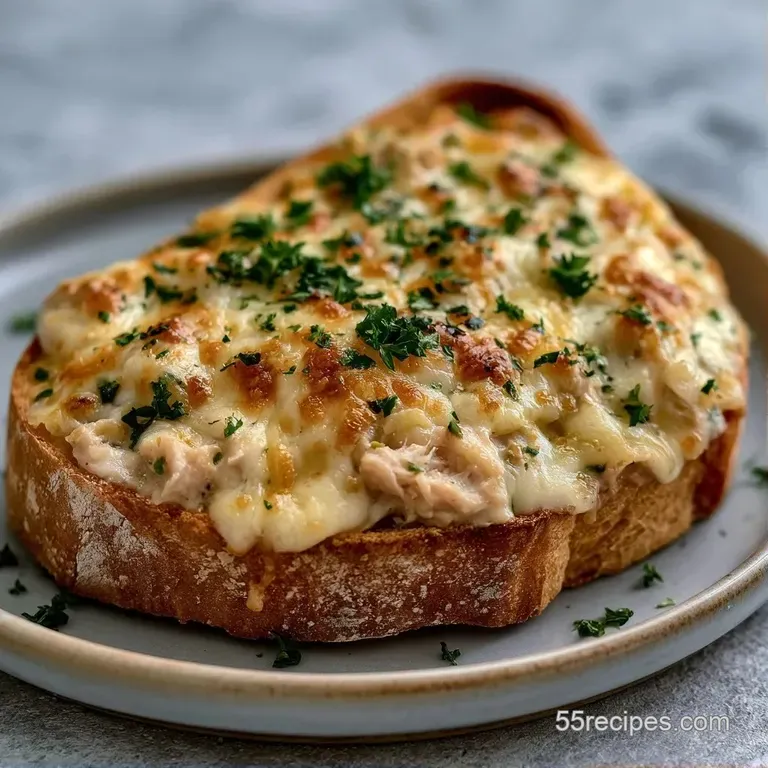
When a Tuna Melt goes wrong, it's usually a heat management problem. If the bread is black but the cheese is a solid block, your heat was too high and you didn't use a lid.
Bread is burning before cheese melts
This happens when the pan is too hot. The bread toasts faster than the heat can penetrate the thick tuna layer. Lower the heat to medium low and always use a lid to trap the steam.
The filling is too "wet" or runny
This usually comes from not draining the tuna enough or using too much lemon juice. Squeeze the tuna in a fine mesh strainer for 30 seconds before mixing.
Sandwich falls apart during the flip
If the filling is sliding out, you might have overfilled the bread. Stick to the measured amounts and make sure the cheese is melted, as it acts as the "glue" for the whole sandwich.
| Problem | Root Cause | Solution |
|---|---|---|
| Soggy Bread | Tomato touching bread | Put cheese on top of tomato |
| Bland Taste | Lack of acid | Add an extra squeeze of lemon |
| Uneven Brown | Pan not preheated | Heat oil until it shimmers |
Customizing Your Sandwich
Once you have the base down, you can play with the flavors. If you want a spicy kick, swap the Cheddar for Pepper Jack and add a few diced jalapeños to the mix. For a Mediterranean style, use feta cheese, Kalamata olives, and baby spinach.
If you're looking for a dietary swap, an ultra low carb version works well with large collard green leaves or slices of roasted eggplant instead of bread. If you need a dairy-free alternative, cashew based cheese or a slice of vegan cheddar works, though it may take an extra minute to melt.
For those who want something more sophisticated, try Sesame Ahi Tuna Steak for a fancy dinner. It's a totally different vibe, but it satisfies that tuna craving.
Scaling Guidelines
- Scaling Down: For one sandwich, simply halve all ingredients. Use a smaller 6 inch skillet so the oil doesn't spread too thin and burn.
- Scaling Up: If making a batch for four, don't crowd the pan. Cook the Tuna Melt batches in twos. If you use an oven, bake at 180°C for 12 minutes, flipping halfway through.
Tuna Melt Myths
There's a common idea that you need butter to get a crispy crust. While butter tastes great, olive oil actually provides a more consistent, golden brown sear without burning as quickly at medium heat.
Another myth is that using "low-fat" bread makes the sandwich healthier without affecting the texture. In reality, some low-fat or gluten-free breads lack the structure to hold a heavy filling and will collapse during the flip. Stick to a dense whole grain.
Tuna Melt Storage
You can store the Tuna Melt salad in an airtight container in the fridge for up to 3 days. I actually prefer it the next day because the celery and onion flavors meld together. Just stir it again before assembling the sandwich.
Don't freeze the assembled sandwich, as the bread will get mushy. However, the tuna mixture can be frozen for up to a month if you're prepping for the long term. Just thaw it in the fridge overnight before using.
To reduce waste, don't toss those celery leaves. Chop them up and stir them into the filling for extra color and nutrition. Leftover filling is also great for making Tuna Fish Croquettes the next day.
Tuna Melt Serving
For a bistro plate, slice the sandwich diagonally and serve it with a side of crisp arugula tossed in lemon and olive oil. The bitterness of the greens balances the richness of the melted cheese.
If this is a power lunch, pair it with some sliced cucumbers or carrot sticks. It keeps the meal light and adds an extra layer of crunch. I like to serve this Tuna Melt with a small bowl of tomato soup for dipping, which turns a simple sandwich into a full meal.
Right then, you're ready to get cooking. This version is a lean, high protein take on a classic that doesn't feel like a chore to make. Enjoy your Tuna Melt and feel fueled for the rest of your day. Every Tuna Melt lover knows that the secret is all in the sear.
High in Sodium
850 mg 850 mg of sodium per serving (37% 37% of daily value)
The American Heart Association recommends a daily sodium limit of no more than 2,300 mg for most adults to maintain heart health.
Tips to Reduce Sodium in Your Tuna Sandwich
-
Omit Added Salt-25%
Completely remove the 1/4 tsp of salt; the cheese and canned tuna already provide enough salt for flavor.
-
Low-Sodium Tuna-20%
Switch to no-salt-added canned tuna to significantly lower the primary sodium source in this recipe.
-
Mustard Alternative-20%
Use a low-sodium Dijon mustard or substitute with a pinch of dry mustard powder mixed with water.
-
Swap the Cheese-15%
Replace the sharp Cheddar with a low-sodium cheese alternative or use a fresh slice of mozzarella.
-
Low-Sodium Bread-10%
Choose a low-sodium variety of whole grain bread, as commercial breads often contain hidden sodium.
-
Add Fresh Herbs
Incorporate fresh parsley, dill, or chives to add a bright, savory flavor without increasing sodium.
Recipe FAQs
How many calories are usually in a tuna melt?
442 kcal per serving. This specific version uses reduced-fat Cheddar and Greek yogurt to maintain a lower calorie count compared to traditional recipes.
Is tuna melt healthy for weight loss?
Yes, when using lean ingredients. Swapping mayonnaise for Greek yogurt and using whole grain bread increases protein and fiber while reducing empty calories.
What is a good substitute for mayonnaise in tuna melts?
Plain non-fat Greek yogurt. It provides a similar creamy texture with significantly more protein. If you enjoy using fresh seafood components, you might also like this citrus-infused scallop recipe.
Can I eat tuna melt while pregnant?
Yes, in moderation. Canned light tuna is generally considered safe, but it is best to limit intake due to mercury levels.
How to make a tuna salad sandwich?
Flake drained tuna and mix with Greek yogurt, Dijon mustard, lemon juice, celery, and red onion. Season with salt and pepper, then spread the mixture on bread and top with tomato and cheese.
How to make tuna salad without celery?
Omit the celery and increase the red onion. This simple adjustment maintains the necessary crunch and texture without using celery.
What is the proper ratio for adding Greek yogurt to tuna fish?
Use 1/4 cup of Greek yogurt for two 5 oz cans of tuna. This ratio ensures the mixture remains cohesive and velvety without becoming too runny.
Tuna Melt with Greek Yogurt