Spiced Salmon Perfection: the Ultimate Moroccan Sheet Pan Traybake
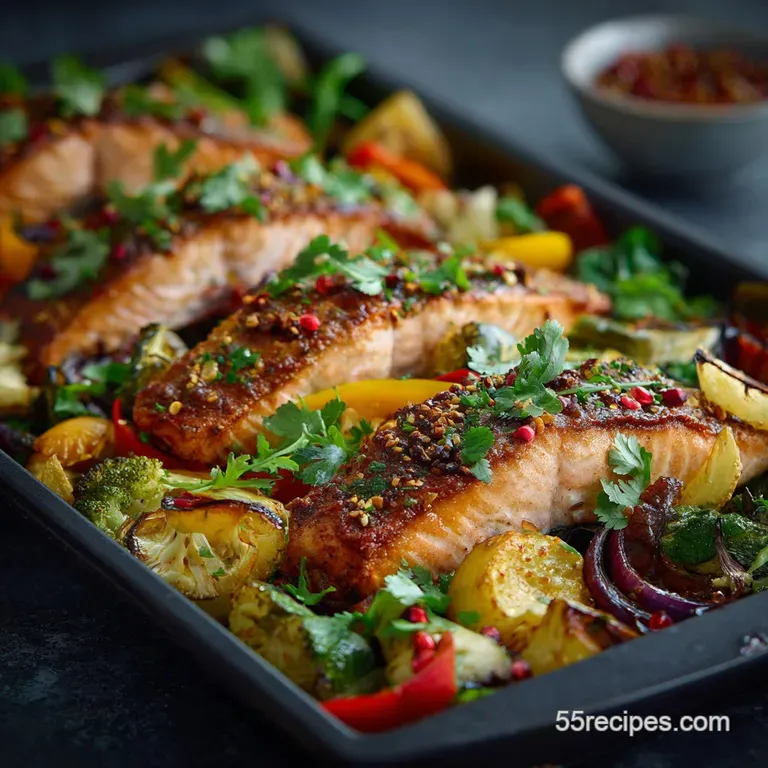
- Unlocking the Earthy Flavor of Moroccan Spiced Salmon
- Essential Pantry Checklist for Moroccan Spiced Salmon
- Step-by-Step Guide to Sheet Pan Baked Spiced Salmon
- Mastering Texture and Taste: The Science Behind Perfect Spiced Salmon
- Troubleshooting and Advanced Chef Techniques
- Leftovers and Meal Prep: Storage & Reheating Spiced Salmon
- Completing the Meal: Ideal Pairings for Rich Salmon
- Recipe FAQs
- 📝 Recipe Card
Unlocking the Earthy Flavor of Moroccan Spiced Salmon
When this spiced salmon hits the oven, your kitchen instantly transforms. That smoky paprika combined with earthy cumin and vibrant turmeric creates an aroma that grabs you instantly, smelling richer and more complex than any simple seasoning could achieve. The finished result?
A deeply bronzed, slightly sweet crust that is truly remarkable.
Look, we all need dinner in under 30 minutes, right? This spiced salmon recipe is my absolute weeknight secret weapon because it’s a sheet pan wonder. We get maximum flavor while having minimal cleanup, which is essential for busy cooks.
You simply cannot beat that level of efficiency after a long day.
I’ve made every salmon mistake in the book hello, tragically dry fish! But I finally cracked the code on achieving perfect flaky texture while building those complex, warm North African flavors.
Let’s skip the fuss and dive into the secrets for making truly incredible, deeply satisfying spiced salmon .
Why North African Spices Are Perfect for Salmon Fillets
This recipe succeeds because the rich, high fat content of salmon stands up beautifully to bold flavors. Moroccan spice blends like Ras el Hanout or the components we are using here (cumin, coriander, smoked paprika) are warm, savory, and slightly sweet, complementing the fish's natural richness without overpowering it.
This isn't subtle food; it's flavor forward and comforting.
The Sheet Pan Advantage: Maximum Flavor, Minimal Mess
The sheet pan is your best friend here, trust me. Using a parchment lined pan means the seasoning stays right where it belongs on the fish and not melted onto your baking tray.
It also allows us to cook the salmon quickly and evenly at a high temperature, ensuring the spice rub develops a fantastic, crispy crust. No excessive pot scrubbing required, which is always a win in my book!
Flavor Profile Preview: Balancing Sweetness and Spice
The flavor profile is the real star of this show. We utilize brown sugar in the rub to encourage beautiful caramelization and a slight sweetness that perfectly balances the deep earthiness of the cumin and the subtle heat of the cayenne. Think smoky, warm, savory, and just a tiny bit sweet on the finish. It’s balanced and addictive. If you love warming spices, you might also adore the similar flavor complexity in my recipe for Autumn Gold Spiced Sweet Potato Pecan Tarts Recipe !
Essential Pantry Checklist for Moroccan Spiced Salmon
This ingredient list is short and sweet, focused heavily on quality spices. I always recommend checking your spice jars before starting; if your cumin smells like dust, it’s time to toss it. Freshness is everything for a rub-based dish.
Selecting the Right Cut: Skin-On vs. Skinless Fillets
I always choose skin-on salmon fillets , preferably center cut ones, for this spiced salmon recipe. The skin acts as a barrier against the scorching hot sheet pan, insulating the delicate fat layer and preventing the flesh from drying out. Plus, when the skin gets crispy, it's absolutely delicious. If you only have frozen salmon, definitely check out my guide on Perfect Baked Frozen Salmon No Thaw GarlicHerb Butter Recipe for best thawing and cooking methods.
Building the Flavor Base: Garlic, Ginger, and Citrus Zest Notes
While we keep the main rub dry, the final layer of flavor comes from citrus. The lemon zest grated over the hot fish at the end adds a bright, essential lift that cuts through the richness of the salmon and the depth of the spices. Don't skip the final squeeze of fresh lemon juice it’s crucial!
Spice Rack Deep Dive: Sourcing Authentic Blends (Harissa/Ras el Hanout Notes)
Our rub is essentially a simplified take on the bold spice mixes found throughout North Africa. If you happen to have a jar of authentic Ras el Hanout on hand, you can substitute about 2 tablespoons for the entire blend listed below, omitting the brown sugar.
For a kick of heat, mix a small amount of Harissa paste into your olive oil before applying the dry rub.
Smart Ingredient Swaps for Dietary Needs
| Ingredient | Substitute (Must Use) | Notes/Flavor Change |
|---|---|---|
| Smoked Paprika | Mild or Hot Paprika | You lose the deep smokiness, but keep the color and earthiness. |
| Brown Sugar | Maple Syrup (1 tsp, mixed with oil) | Keeps the essential slight sweetness for caramelization. For Keto, use erythritol/stevia equivalent. |
| Cayenne Pepper | Red Pepper Flakes (Pinch) | Sprinkle flakes finely into the rub for visible heat. |
| Salmon | Cod or Halibut Fillets | These work well but require 3- 5 minutes more cook time due to lower fat content. |
step-by-step Guide to Sheet Pan Baked Spiced Salmon
Prepping the Fillets and Creating the Dry Spice Rub
First things first, preheat the oven to 400°F (200°C) and line your sheet pan with parchment. In a small bowl, whisk together all your dry spices: the paprika, cumin, coriander, turmeric, oregano, brown sugar, salt, and cayenne. This spice rub needs to be completely smooth.
Now, grab your salmon and pat it extremely dry with kitchen paper; this step is non-negotiable for a perfect crust.
The Quick Marinade: How Long is Optimal for Flavor Infusion?
We don't need a long marinade here; this is a quick rub. Brush the flesh side of the salmon fillets lightly with olive oil. Then, generously press the prepared spice mixture firmly onto the top and sides of the fillets. Place them skin side down on the prepared sheet pan.
The oil acts like glue, ensuring every speck of that glorious rub adheres. You only need about 5 minutes for the rub to "set" while the oven finishes heating.
Oven Timing: Ensuring the Perfect Internal Temperature
Place the tray in the preheated oven. Roast for 15 to 18 minutes, depending on the thickness of your fillets. The best way to know when it’s done? Use an instant read thermometer.
You are aiming for an internal temperature of 145°F (63° C) , inserted into the thickest part of the fish. When cooked properly, the flesh will be opaque and flake easily with a fork.
Optional Finishing Glaze (For a Sweet & Sticky Crust)
If you love a really sticky crust, you can make a super simple glaze. Mix 1 tablespoon of honey with 1/2 teaspoon of hot water and brush it over the spiced crust during the last 3 minutes of cooking.
This adds an incredible sheen and extra layer of sweetness, intensifying the caramelization effect.
Mastering Texture and Taste: The Science Behind Perfect Spiced Salmon
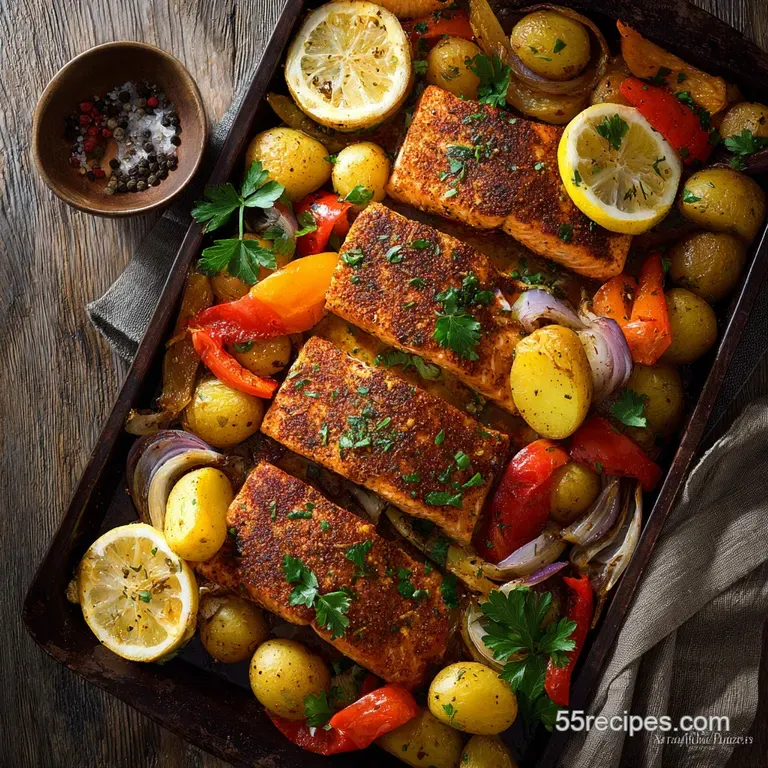
Fat Content and Flavor Absorption: Why Salmon Loves Earthy Spices
Salmon is a fatty fish, which is great for us home cooks! The healthy fats in the salmon absorb and hold the fat-soluble compounds found in spices like cumin and turmeric exceptionally well.
This means the flavor penetrates deeply into the meat as it cooks, resulting in a robust, uniformly seasoned flavor profile that is miles better than just surface seasoning.
Achieving the Ideal Flaky Internal Texture
The trick to flaky salmon is consistent, high temperature cooking that isn't too long. Our 400°F (200°C) setting is hot enough to achieve the crust quickly while the insulation of the skin protects the bottom.
Once you hit that 145°F internal mark, the muscle proteins have coagulated perfectly, resulting in that tender, flaky texture we all dream about.
Chef's Note: If you want truly next level crispy skin, transfer the cooked fillets to a separate hot, dry frying pan (skin side down) for 60 seconds after removing them from the oven. Instant restaurant quality crispness!
Avoiding Dryness: The Critical Carryover Cooking Rule
Remember that salmon continues to cook for a few minutes after you pull it from the heat. This is carryover cooking. I pull my salmon out when it hits about 140°F (60°C). Resting it on the warm sheet pan for three minutes brings it up to the perfect, safe 145°F without risking a dry center.
Preventing Spice Burn: The Role of Oil and Baking Paper
If you put a dry spice rub directly onto high heat, it will burn and taste bitter. We prevent this by brushing the fish with oil first; the oil helps the spices toast beautifully rather than scorch.
Parchment paper also stops direct contact with the hot metal of the sheet pan, preventing the skin from sticking or the spices from burning off the sides.
Adjusting Heat Levels: Customizing the Spice Intensity
If you’re nervous about heat, simply halve the amount of cayenne pepper or omit it entirely. If you want a real kick, swap the 1/4 tsp of cayenne for 1/2 tsp of a robust chili powder or a small dash of ghost pepper flakes, if you dare! Spiced salmon should always be tailored to your palate.
Troubleshooting and Advanced Chef Techniques
Mistake 1: Using Stale Spices. Seriously, if your spices have been sitting in the jar for three years, they are useless. The moment you combine the rub, take a deep sniff it should smell vibrant and potent. If it smells flat, the final dish will be flat.
Mistake 2: Not Patting the Fillets Dry. If there is surface moisture on the salmon, the rub will dissolve immediately and slide off, resulting in a wet, uneven seasoning layer. Patting the fish dry allows the oil and the rub to bond perfectly to the surface.
Mistake 3: Guessing the Cook Time. I learned this the hard way many times. An extra two minutes can turn moist, flaky salmon into dry, chalky sadness. Invest $15 in an instant read thermometer. It removes all the guesswork and guarantees perfect results every single time.
Leftovers and Meal Prep: Storage & Reheating Spiced Salmon
Best Practices for Reheating Baked Salmon Without Drying
Storage: Leftover spiced salmon is great! Store it in an airtight container in the fridge for up to 3 days.
Freezing: Yes, you can freeze it. Wrap the individual portions tightly in foil, then place them in a zip-top bag, squeezing out all the air. It lasts about 2 months frozen. Thaw overnight in the fridge.
Reheating: Never, ever microwave leftover salmon. It becomes rubbery and smells terrible. Reheat it low and slow. Place the salmon on a lined tray, tent it loosely with foil, and warm it in a 275°F (135°C) oven for about 12- 15 minutes until just warmed through.
This keeps it moist and tender.
Completing the Meal: Ideal Pairings for Rich Salmon
Since this spiced salmon is so richly flavored, it pairs best with refreshing, simple sides that offer contrast.
- Cooling Yogurt Dressing: A quick drizzle of Greek yogurt mixed with a little fresh mint and lemon juice acts as a great cooling counterpoint to the warm spices.
- A Bright Side: Simple Lemon and Herb Couscous is perfect. I also love serving this with a quick spiced salmon and tomato traybake by adding cherry tomatoes to the sheet pan during the last 10 minutes of cooking.
- Earthy Salad: Try a simple side of leafy greens tossed with a harissa tahini dressing. The earthy spices really vibe well with that complex tahini flavor, much like the dressing I developed for my popular Falafel Burger: Ultra Crispy Patties with Spiced Harissa Tahini Drizzle . It brings everything together beautifully.
Recipe FAQs
How can I prevent my Spiced Salmon from drying out during cooking?
The key to moist salmon is monitoring the internal temperature; the fillet is perfectly cooked when it reaches 145°F (63°C) at its thickest point. Overcooking, even by a minute or two, is the primary culprit for dryness.
If you have fillets of varying thickness, consider removing the thinner portions from the sheet pan early.
I don't have Ras el Hanout. What can I use as a substitute for the Moroccan flavor?
Ras el Hanout is complex, but you can create an approximation using common pantry spices focused on warm, earthy notes. A good substitute involves combining equal parts ground ginger, cardamom, turmeric, and cinnamon, with a small pinch of cayenne pepper for warmth.
While this won't replicate the full depth, it will capture the necessary North African essence.
Can I apply the spice rub to the salmon ahead of time?
Yes, you can certainly coat the salmon in the spice mixture up to 4 hours in advance and keep the fillets covered in the refrigerator. This short resting period helps deepen the flavor penetration into the fish.
Avoid marinating overnight, as the salt content in the rub can begin to cure the salmon, negatively impacting its final cooked texture.
What is the visual sign that the salmon is perfectly cooked and ready to serve?
A perfectly cooked salmon fillet will transition from translucent red/pink to fully opaque pink throughout, often showing some harmless white albumin on the surface. When you gently press the center of the fillet with a fork, it should flake easily without feeling tough or gummy.
Always defer to the internal temperature check (145°F) for maximum safety and accuracy.
How long can I safely store leftovers, and should I freeze cooked spiced salmon?
Leftover cooked salmon should be stored in an airtight container in the refrigerator for up to 3 days. While cooked fish can be frozen, freezing and thawing salmon often results in a significantly drier texture upon reheating, so it is generally not recommended.
It is best enjoyed fresh or within the three day refrigeration window.
Can I use this spice rub on other types of fish or chicken?
This Moroccan inspired spice rub works beautifully on other proteins, especially firm white fish like cod, halibut, or even shrimp. If substituting chicken, the flavor is excellent, but you will need to increase the sheet pan cooking time significantly until the internal temperature reaches 165°F (74°C).
What vegetables or side dishes pair best with the warm, rich spice profile?
The richness of the salmon and the warmth of the spices pair wonderfully with bright, acidic, and cooling sides. Consider serving the fish alongside a lemon and herb couscous or a cooling yogurt based sauce like raita.
Roasted sweet vegetables, such as bell peppers or butternut squash, also complement the flavor profile beautifully.
Moroccan Spiced Salmon Traybake
Ingredients:
Instructions:
Nutrition Facts:
| Calories | 356 kcal |
|---|---|
| Protein | 38.7 g |
| Fat | 20.2 g |
| Carbs | 6.2 g |
