Oven Roasted String Beans
- Time: Active 10 minutes, Passive 15 minutes, Total 25 minutes
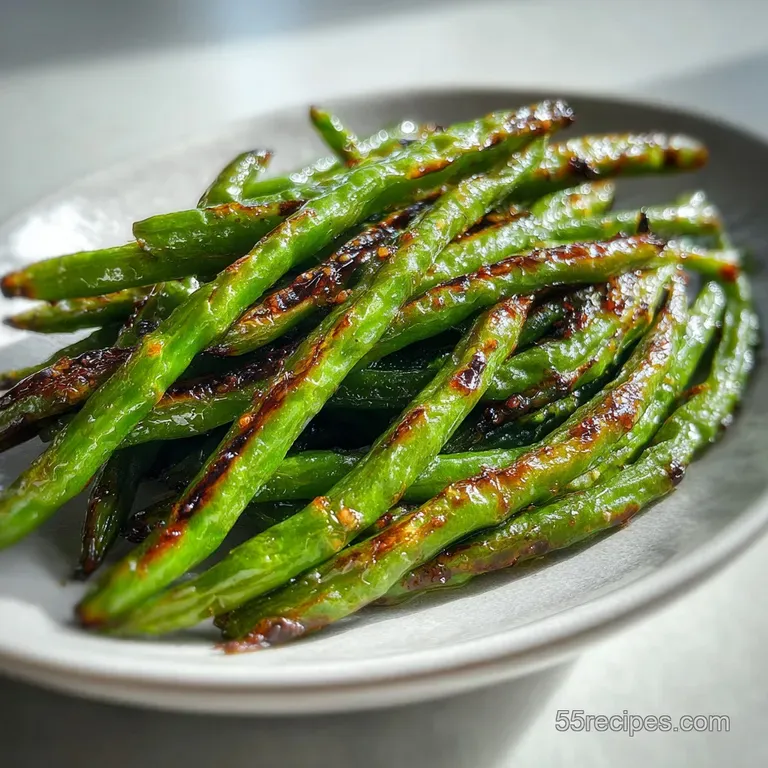
- Flavor/Texture Hook: Blistered, nutty, and savory with a salty parmesan crunch
- Perfect for: Busy weeknights, holiday side dishes, or beginner friendly meal prep
- Create Golden and Crispy Oven Roasted String Beans
- The Physics of the Blister
- Pantry Essentials for Perfect Flavor
- Bare Minimum Kitchen Equipment Needed
- Mastering the High Heat Roasting Technique
- Avoiding Common Roasted Vegetable Mistakes
- Simple Ingredient Swaps for Success
- Effective Storage and Reheating Methods
- The Best Pairings for Dinner
- Recipe FAQs
- 📝 Recipe Card
Create Golden and Crispy oven-roasted String Beans
I still remember the first time I decided to ditch the steamer basket. It was a rainy Tuesday, and I was staring at a bag of fresh beans, dreading that grey, squeaky texture I’d grown up with. I tossed them on a sheet pan with a glug of oil and cranked the heat, not really knowing what would happen.
When that first tray came out, the aroma of toasted garlic and charred edges filled the kitchen, and I knew I could never go back.
The transformation is nothing short of magic. When you roast at high heat, the beans don't just cook; they transform. You get these gorgeous little brown spots, a deep savory flavor, and a texture that actually has some bite to it.
It's the difference between a sad, limp vegetable and a side dish that your family will actually fight over. Trust me, the first time you hear that sizzle as the pan hits the oven rack, you'll be hooked.
We've all been there trying to find a side dish that doesn't take an hour but feels special. This is that recipe. It uses minimal tools, relies on pantry staples, and works every single time as long as you follow a few basic rules about moisture and crowding.
Let’s get into how we make these the star of your dinner table without any of the fuss.
The Physics of the Blister
Maillard Reaction: High heat triggers a chemical reaction between amino acids and reducing sugars, creating that signature brown crust and savory depth.
Moisture Evaporation: Roasting allows water to escape as steam, preventing the beans from becoming mushy and concentrating their natural sweetness.
Fat Conductivity: The olive oil acts as a heat conductor, ensuring the entire surface of the bean reaches the temperature needed for crisping.
Fast Roasting vs Classic Method
| Method | Cook Time | Texture | Flavor Profile |
|---|---|---|---|
| High Heat Roast | 15 minutes | Blistered and Snappy | Nutty and Caramelized |
| Traditional Boil | 8 minutes | Soft and Squeaky | Mild and Grassy |
| Classic Steam | 6 minutes | Tender but Limp | Fresh but Simple |
There is a massive difference in how the heat interacts with the vegetable fibers depending on the medium. While boiling surrounds the bean in constant 100°C water, roasting uses dry air to pull out moisture, which is why the roasted version feels so much more satisfying to eat.
Pantry Essentials for Perfect Flavor
For this recipe, we are using 450g (1 lb) of fresh string beans, trimmed of their tough ends. Why this? Fresh beans have the cellular structure required to stand up to high oven heat. You will also need 30ml (2 tbsp) of extra virgin olive oil to coat them thoroughly.
This isn't just for flavor; it's the glue that holds our seasonings in place and ensures even browning across every single pod.
The seasoning is simple but effective: 2.5g (1/2 tsp) of sea salt and 1g (1/4 tsp) of cracked black pepper. We also include 3 cloves of garlic, which should be thinly minced so they can nestle into the beans.
Finally, 25g (1/4 cup) of grated parmesan cheese provides that salty, umami finish that turns a simple vegetable into something crave worthy.
Component Analysis
| Ingredient | Science Role | Pro Secret |
|---|---|---|
| Olive Oil | Heat Conductor | Use extra virgin for a lower smoke point that aids in browning without burning. |
| Sea Salt | Moisture Drawer | Adding salt before roasting draws out surface water for better caramelization. |
| Parmesan | Protein Crunch | The cheese proteins dehydrate in the heat, creating a "frico" or crispy lace. |
If you are looking to round out a full meal, these beans go incredibly well with a Homemade Salisbury Steak recipe. The rich gravy of the steak provides a velvety contrast to the charred, snappy texture of the roasted vegetables.
Bare Minimum Kitchen Equipment Needed
One of the reasons I love this dish is that it doesn't require a sink full of dishes. You really only need a large rimmed baking sheet. If you have a heavy duty one, like a half sheet pan from a restaurant supply store, use it.
Thinner pans tend to warp at 200°C, which can cause your beans to slide to one side and cook unevenly.
Aside from the pan, you just need a sharp chef's knife for trimming and a large mixing bowl. Some people like to toss everything directly on the tray to save a dish, but I’ve found that using a bowl ensures every single bean is perfectly coated in oil and salt.
This prevents those dry, "woodhed" spots that can happen when the oil isn't distributed well.
Chef's Tip: Place your empty baking sheet in the oven while it preheats. When you toss the beans onto the hot metal, they start searing instantly, which guarantees a better char on the bottom.
Mastering the High Heat Roasting Technique
- Preheat your oven. Set it to 200°C (400°F) and let it get fully up to temperature. Note: A truly hot oven is the only way to get a char before the beans turn to mush.
- Wash and dry. Rinse your 450g of string beans and pat them completely dry with a kitchen towel. Note: Water is the enemy of the roast; any dampness will cause them to steam instead of crisp.
- Trim the ends. Line the beans up and slice off the tough stem ends.
- Season the beans. In a large bowl, toss the beans with 30ml of olive oil, 2.5g of sea salt, and 1g of black pepper.
- Add the garlic. Toss in your 3 minced cloves of garlic. Wait until the oil is already on the beans so the garlic sticks to them rather than the bottom of the bowl.
- Spread them out. Arrange the beans on the baking sheet in a single layer. Space them out so they aren't touching.
- Initial roast. Slide the pan into the oven and bake for 10 minutes.
- Add the cheese. Remove the pan and sprinkle the 25g of parmesan over the top.
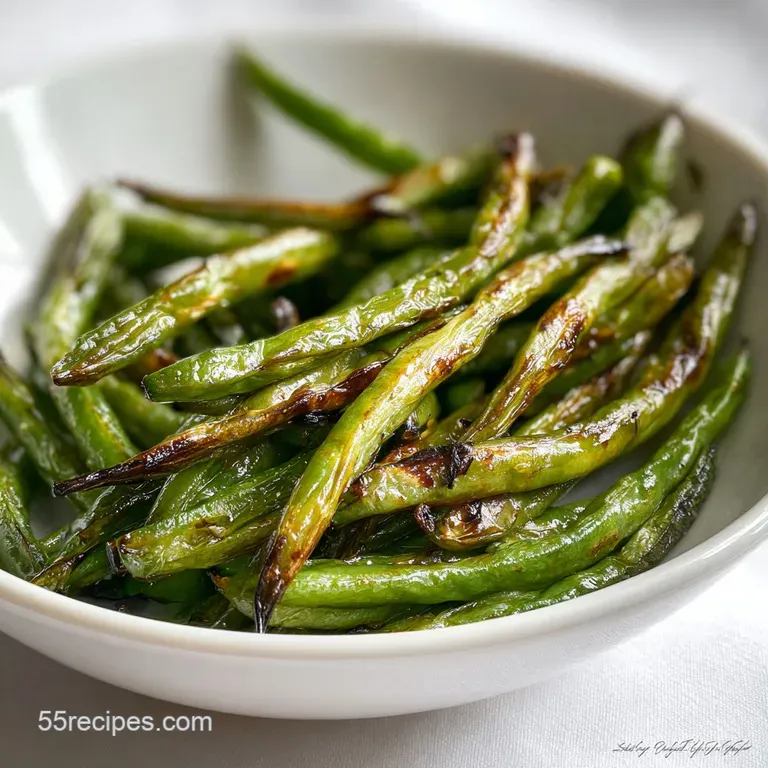
- Final blast. Return to the oven for 5 minutes until the cheese is golden and the beans are blistered.
- Rest and serve. Let them sit on the tray for 2 minutes to allow the cheese to firm up into a crust.
If you enjoy the way roasting brings out the natural sugars in vegetables, you should definitely try this oven-roasted Corn recipe. It uses a similar over high heat philosophy to get those beautiful toasted kernels without needing a backyard grill.
Avoiding Common Roasted Vegetable Mistakes
One of the biggest pitfalls is overcrowding the pan. If you try to double the recipe but use the same single baking sheet, the beans will release moisture and that steam will get trapped between them. Instead of a crispy, charred finish, you’ll end up with soggy, dull looking vegetables.
If you’re cooking for a crowd, always use two pans or work in batches.
Another issue is the garlic. Garlic burns much faster than beans cook. That’s why we mince it finely and ensure it’s well coated in oil. If you find your garlic is consistently turning bitter and black, try adding it halfway through the cooking time or using garlic powder for a more foolproof experience.
Why Your Beans Aren't Crisping
| Problem | Root Cause | Solution |
|---|---|---|
| Soggy Texture | Beans were wet when they went in. | Pat them dry with a lint free towel until bone dry. |
| Burnt Garlic | Garlic pieces were too large or uneven. | Use a microplane or mince very finely to blend with oil. |
| Uneven Browning | Pan was too crowded. | Use two sheets or reduce the amount of beans per tray. |
Common Mistakes Checklist
- ✓ Never skip the drying step; moisture creates steam, not crunch.
- ✓ Ensure the oven is fully preheated to 200°C before the pan goes in.
- ✓ Use a large enough pan so beans have air space around them.
- ✓ Don't skimp on the oil; it's essential for heat distribution.
- ✓ Watch the garlic closely in the last 5 minutes to prevent charring.
Simple Ingredient Swaps for Success
You don't have to stick strictly to parmesan. While it provides a great salty bite, I’ve had fantastic results using nutritional yeast for a dairy-free version. The yeast has a similar nutty profile that mimics the cheese beautifully.
If you want a bit of heat, a pinch of red pepper flakes tossed in with the garlic adds a wonderful glow to the finished dish.
Substitution Table
| Original Ingredient | Substitute | Why It Works |
|---|---|---|
| Parmesan | Pecorino Romano | Higher salt content and sharper tang. |
| Olive Oil | Avocado Oil | Higher smoke point; very neutral flavor profile. |
| Fresh Garlic | Garlic Powder | Won't burn as easily; distributes flavor more evenly. |
When you are scaling this recipe up, keep in mind that the cooking time might need a slight adjustment. For a half batch, check them at the 12 minute mark total. If you are doubling it, keep the salt and spices at about 1.5 times the original amount to avoid over seasoning, as flavors concentrate during the roasting process.
If you want X, do Y
- If you want a deeper umami punch: Add 5ml of soy sauce to the oil mixture before tossing.
- If you want a citrus finish: Zest half a lemon over the beans immediately after they come out of the oven.
- If you want more crunch: Add 30g of sliced almonds to the tray during the last 5 minutes of roasting.
Effective Storage and Reheating Methods
If you have leftovers, they store reasonably well, though they will lose that initial "shatter" crispness. Place them in an airtight container in the fridge for up to 4 days. I don't recommend freezing roasted string beans; the ice crystals break down the cell walls, and when they thaw, they become quite mushy.
For the best results when reheating, avoid the microwave. It will make them rubbery. Instead, throw them back onto a baking sheet in a 200°C oven for about 5 minutes, or toss them in a hot skillet for 3 minutes.
This helps re crisp the parmesan and brings back some of that roasted texture.
Zero Waste Tip: Don't throw away those trimmed ends! You can toss them into a freezer bag with other veggie scraps like onion skins and carrot tops. Once the bag is full, boil them all down to make a flavorful homemade vegetable stock.
The Best Pairings for Dinner
These beans are incredibly versatile. They are light enough to serve with fish but have enough character to stand up to a heavy roast. I personally love serving them alongside a rich, buttery sauce to dip the ends into. If you want to take this to a "restaurant quality" level, try drizzling them with a Brown Butter Sauce recipe right before serving. The nuttiness of the butter amplifies the charred flavor of the beans.
Debunking Roasting Misconceptions
One myth I hear a lot is that you should salt the beans after they cook to keep them from getting tough. In reality, salting before roasting helps break down the surface just enough to allow the heat to penetrate, and it helps draw out the moisture that would otherwise make them soggy.
Another misconception is that frozen beans work just as well as fresh for roasting. While you can roast frozen beans, they will never achieve that same snap. Frozen beans have already been blanched and their cell structures are compromised, so they tend to be much softer.
If you’re looking for that specific blistered, crispy result, fresh is the only way to go.
Finally, some think you need to cover the pan with foil to keep them "juicy." Covering the pan traps steam, which is the exact opposite of what we want. Keep the pan uncovered, let the air circulate, and let the oven do the work of concentrating those amazing flavors. Enjoy your perfectly roasted vegetables!
Recipe FAQs
At what temperature do I roast green beans in the oven?
Roast at 400°F (200°C). This high heat is crucial for achieving a good char and crispy texture quickly, preventing them from becoming soggy.
How long for green beans in the oven at 400 degrees?
Typically 15 minutes. Start with 10 minutes, then add parmesan and roast for another 5 minutes until blistered and golden.
How long do you cook beans in the oven?
About 15 minutes at high heat (400°F/200°C). The key is a single layer on the pan and not overcrowding, allowing for fast moisture evaporation and caramelization.
Can you roast green beans at 350 degrees?
Yes, but it will take longer and yield a softer result. Roasting at 350°F (175°C) will still cook the beans, but they won't achieve the same crispiness and caramelization as they would at 400°F (200°C).
Can I use frozen green beans for roasting?
No, stick with fresh for the best texture. Frozen green beans release too much moisture and will steam rather than roast, resulting in a mushy texture, unlike the crisp snap you get from fresh ones.
Why are my roasted green beans soggy?
Likely due to overcrowding the pan or not drying them enough. If beans are too close together, they steam; if they are wet when they go in, that moisture will prevent crisping. Ensure they are completely dry and spread in a single layer.
Can I substitute the parmesan cheese?
Yes, try Pecorino Romano for a sharper, saltier bite. For a dairy-free option, nutritional yeast works wonderfully, providing a nutty flavor that mimics cheese. If you enjoy experimenting with flavors, you might also like the versatility of our Aji Amarillo Sauce recipe, where flavor complexity is key.
oven-roasted String Beans
Ingredients:
Instructions:
Nutrition Facts:
| Calories | 118 kcal |
|---|---|
| Protein | 4.1 g |
| Fat | 8.3 g |
| Carbs | 8.8 g |
| Fiber | 3.1 g |
| Sugar | 3.7 g |
| Sodium | 372 mg |
