Roast in the Oven Recipe with Garlic and Herbs
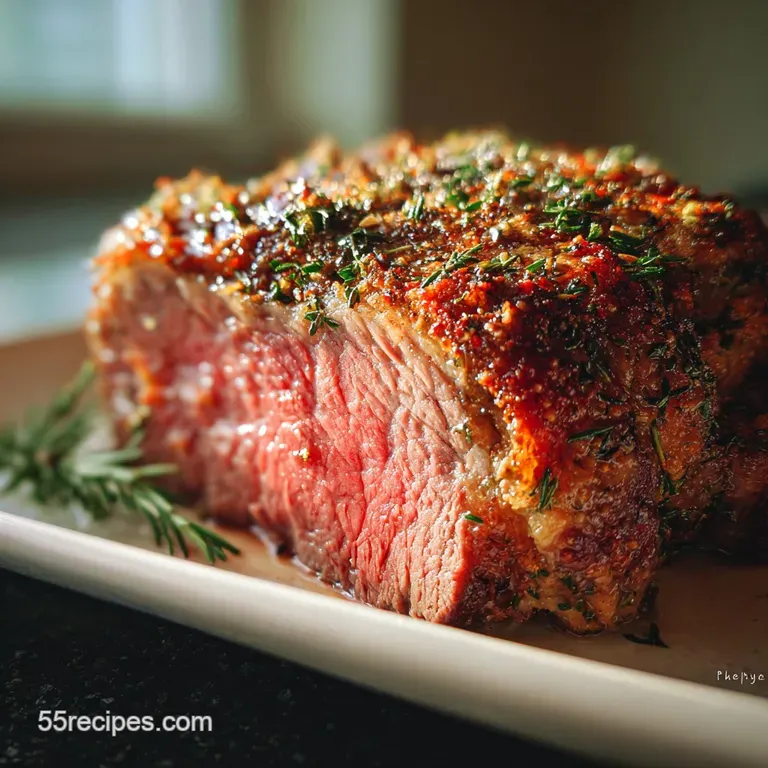
- Time: Active 20 minutes, Passive 1 hours 30 mins, Total 1 hours 50 mins
- Flavor/Texture Hook: A shatter crisp herb crust with a velvety, melt in-the mouth center.
- Perfect for: Family Sunday dinners, budget-friendly meal prep, or holiday gatherings.
- Roast in the Oven Recipe with Garlic and Herbs
- Reasons This Simple Roast Beef Method Always Succeeds
- Essential Targets for Doneness and Resting the Meat
- Deep Dive Into Our Primary Herb Flavor Components
- Everything You Need for a Better Oven Roast
- Step by Step Path to a Golden Herb Crust
- Fixing Common Beef Roasting Mistakes and Texture Issues
- Budget Friendly Swaps and Creative Flavor Profile Ideas
- Guidelines for Storing and Refreshing Your Leftover Roast
- Creative Serving Suggestions to Enjoy Your Finished Meal
- Recipe FAQs
- 📝 Recipe Card
Roast in the Oven Recipe with Garlic and Herbs
Picture this: it is Sunday afternoon, and the air in the kitchen is thick with the scent of toasted rosemary and sizzling garlic. I remember the first time I tried to make a big roast for my family. I was so worried about it coming out like a dry, grey brick that I checked the oven every five minutes. The result?
A lukewarm mess because I kept letting the heat out! This simple roast in the oven recipe with garlic and herbs is guaranteed to become a family favorite, mostly because I learned exactly what not to do so you don't have to.
We are going for that deep, mahogany crust that makes a "skritch skritch" sound when you run a knife over it. Inside, we want a rosy pink that holds its juices until the very moment you take a bite. It is all about the contrast between the sharp, tangy Dijon mustard and the earthy, woodsy herbs.
Trust me on this, once you smell that garlic hitting the hot rendered fat, there is no going back to plain salt and pepper seasoning.
We have all been there staring at a 4 lb piece of beef, wondering if it will actually turn out tender. This method takes the guesswork out of the equation. We are using smart, affordable tricks like a red wine deglaze and a slow roasting approach to make sure every penny you spent on that meat is worth it.
Let’s get into the nitty gritty of why this works so well.
Reasons This Simple Roast Beef Method Always Succeeds
The Maillard Reaction: High initial heat or a long, steady roast browns the amino acids and sugars, creating those complex, savory flavors we crave.
Protein Relaxation: Slow roasting allows the muscle fibers to stay loose rather than seizing up, which keeps the interior incredibly soft.
Mustard as a Bridge: The acidity in the Dijon mustard breaks down surface proteins slightly while acting as a glue for our heavy herb coating.
Carryover Cooking: Taking the meat out early allows the internal energy to finish the job, preventing the outer layers from overcooking.
If you are looking for a variation that uses different aromatics, you might also enjoy my Oven Roast Beef recipe which focuses on a specific salt aging technique.
| Meat Thickness | Target Internal Temp | Total Rest Time | Visual Finished Cue |
|---|---|---|---|
| 2 to 3 inches | 130°F to 135°F | 15 minutes | Deep brown with no red weeping |
| 4 to 5 inches | 135°F to 140°F | 20 minutes | Firm but gives slightly when pressed |
| 6+ inches | 140°F | 25 minutes | Crust is dark and looks "tight" |
The table above is your first line of defense against a dry dinner. Most people forget that the roast keeps cooking after it leaves the oven. If you wait until it hits 145°F inside the oven, you’ll end up with well done meat by the time you carve it. Always pull it 5 to 10 degrees early!
Essential Targets for Doneness and Resting the Meat
When we talk about how to cook melt in the mouth roast beef, we have to talk about the "rest." I used to be so hungry that I’d slice into the meat the second it hit the counter. Big mistake! All the juices would run out onto the board, leaving the meat dry.
By waiting 15 to 20 minutes, those juices redistribute back into the fibers.
For those who want a more premium experience, learning How to Cook recipe for tenderloin follows similar thermal principles but with a much shorter window of error. For our 4 lb center cut roast, the goal is a steady climb in temperature.
The Texture Secret of Reverse Searing
By starting the roast at a lower temperature, we ensure the heat penetrates the center without obliterating the outside. This creates a uniform pink color from edge to edge. If you find your roast has a thick grey ring around the pink center, it means your oven was likely too hot at the start.
Brining Benefits for Meat Juiciness
The 2 tsp of coarse kosher salt in this recipe does more than add flavor. It actually changes the structure of the proteins, allowing them to hold onto more water. This is why a well seasoned roast always feels more "succulent" than one seasoned only at the very end.
Deep Dive Into Our Primary Herb Flavor Components
| Ingredient | Science Role | Pro Chef Secret |
|---|---|---|
| Dijon Mustard | Emulsifier/Binder | Use it cold to help the herb paste stay thick and tacky. |
| Fresh Rosemary | Fat Soluble Flavor | Finely mince the needles so they "melt" into the fat cap. |
| Garlic Cloves | Aromatic Depth | Smashed and minced releases allicin for a sharper bite. |
| Red Wine | Solvent for Fond | The acid lifts the caramelized bits (fond) off the pan. |
Choosing the right cut of beef is the biggest budget decision you will make. This roast in the oven recipe with garlic and herbs works beautifully with a Sirloin Tip or Eye of Round.
These are leaner, more affordable cuts, but the garlic and herb paste acts as a protective shield, keeping the lean meat from drying out under the oven's heat.
Right then, let's talk about the herbs. While dried oregano adds a nice floral note, the fresh rosemary and thyme are non negotiable for that "sizzling" kitchen aroma. If you use dried versions for everything, the crust can sometimes feel gritty rather than crisp.
Everything You Need for a Better Oven Roast
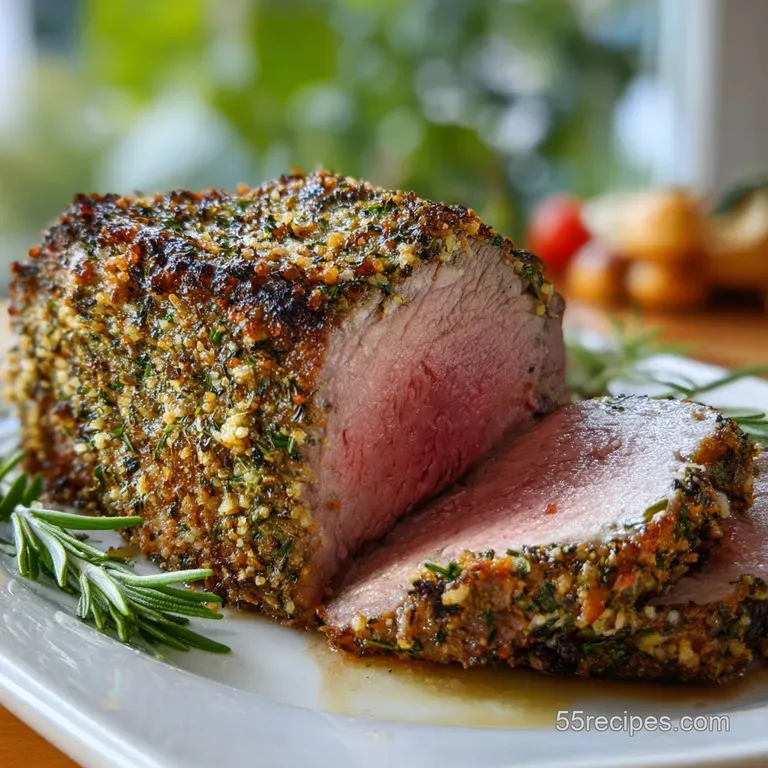
- 4 lb center cut beef roast: Sirloin Tip or Eye of Round are great budget choices. Why this? These cuts are lean, affordable, and hold their shape perfectly during roasting.
- Substitute: 4 lb Pork Loin (reduce cook time by 20 minutes).
- 3 tbsp Dijon mustard: This acts as our binder. Why this? It adds a sharp tang that cuts through the rich beef fat.
- Substitute: Spicy brown mustard for a more rustic, peppery kick.
- 6 cloves garlic, minced fine: The heart of our aromatic profile. Why this? Fresh garlic caramelizes in the oven, creating a sweet, nutty topping.
- Substitute: 1.5 tbsp garlic paste if you're in a hurry.
- 2 tbsp fresh rosemary, chopped: For that woodsy flavor. Why this? Rosemary oils are heat stable and won't turn bitter in the oven.
- Substitute: 2 tsp dried rosemary, crushed between your fingers.
- 2 tbsp fresh thyme, chopped: Adds a subtle earthy note. Why this? Thyme bridges the gap between the garlic and the beef.
- Substitute: Fresh savory or marjoram.
- 1.5 tsp cracked black pepper: For a bit of heat. Why this? Larger cracks of pepper provide small "pops" of flavor in the crust.
- Substitute: White pepper for a more subtle, floral heat.
- 1 cup beef bone broth: For the finishing jus. Why this? Bone broth has more gelatin, which gives the sauce a velvety mouthfeel.
- Substitute: Regular beef stock or even water with a bouillon cube.
- 1/4 cup dry red wine: Such as Cabernet or Merlot. Why this? The acidity deglazes the pan, capturing every bit of flavor.
- Substitute: 1 tbsp balsamic vinegar mixed with 3 tbsp water.
Chef Tip: For an even better crust, leave your beef roast uncovered in the fridge for 2 hours before seasoning. This "air dries" the surface, ensuring the mustard paste sticks like glue and the skin shatters when sliced.
step-by-step Path to a Golden Herb Crust
- Tempering the meat. Remove the 4 lb beef roast from the fridge 45 minutes before cooking. Note: This ensures the center isn't ice cold, which helps it cook evenly.
- Preparing the paste. In a small bowl, mix the 3 tbsp Dijon mustard, 6 cloves minced garlic, rosemary, thyme, oregano, salt, pepper, and 2 tbsp olive oil.
- Coating the beef. Pat the roast completely dry with paper towels. Rub the herb paste all over the meat, pressing it firmly into the surface.
- Searing (Optional). If you want an extra dark crust, sear the roast in a hot pan for 2 minutes per side before putting it in the oven.
- Roasting. Place the beef on a rack in a roasting pan. Roast at 325°F until the internal temperature reaches 130°F (for medium rare). This usually takes about 1 hours 30 mins.
- Resting. Transfer the roast to a cutting board. Tent it loosely with foil and let it rest for 15 minutes. Note: The temp will rise to 135-140°F during this time.
- Deglazing. Place the roasting pan on the stovetop over medium heat. Pour in 1/4 cup red wine and scrape up the brown bits until the liquid sizzles and reduces by half.
- Making the jus. Add 1 cup beef bone broth and simmer for 5 minutes. Whisk in 1 tbsp cold unsalted butter until the sauce is glossy and velvety.
- Carving. Slice the roast against the grain into thin ribbons.
- Serving. Pour the hot pan jus over the slices just before serving.
Fixing Common Beef Roasting Mistakes and Texture Issues
One mistake I once made was forgetting to check my oven's actual temperature. My old oven ran 25 degrees hot, which turned my "slow roast" into a "fast burn." If your garlic looks like it's turning black too fast, simply tent the meat with a piece of foil to shield the herbs while the center finishes.
Preventing Tough or Chewy Beef
If your meat feels like a workout for your jaw, you likely carved it "with the grain." Look for the long lines of muscle fiber and cut perpendicular to them. This shortens the fibers, making every bite feel much more tender.
Also, check your thermometer; even 5 degrees over the limit can turn a Sirloin Tip from juicy to dry.
Avoiding Bitter Burnt Garlic
Garlic becomes bitter when it reaches a very dark brown color. If you are worried about this, make sure your garlic is minced very finely or even grated. Larger chunks of garlic tend to burn on the edges while the center stays raw.
| Problem | Root Cause | Solution |
|---|---|---|
| Crust won't stick | Surface was too wet | Pat meat bone dry with paper towels before applying mustard. |
| Sauce is too thin | Not enough reduction | Simmer the jus longer or add a tiny cornstarch slurry. |
| Meat is grey/bland | No salt penetration | Season the meat at least 30 minutes before roasting. |
Common Mistakes Checklist:
- ✓ Skipping the tempering step (leads to a raw center and burnt outside).
- ✓ Using a dull knife to carve (it tears the meat instead of slicing).
- ✓ Not using a roasting rack (the bottom of the meat will "stew" in its own juices).
- ✓ Peeking in the oven too often (every peek drops the temp by 25 degrees).
Budget Friendly Swaps and Creative Flavor Profile Ideas
If you are looking to save even more, you can use this exact seasoning for beef roast in oven on a whole chicken. A Herbes de Provence recipe approach also works wonders if you want to swap the rosemary for a more floral, French style herb blend.
| Method | Total Time | Texture | Best For |
|---|---|---|---|
| Oven Roast | 1 hours 50 mins | Crispy crust, pink center | Traditional Sunday dinner |
| Stovetop Braise | 3 hours | Fall apart tender, no pink | Tougher cuts like Chuck Roast |
| Air Fryer | 45 minutes | Very crispy exterior | Small roasts (2 lbs or less) |
For another simple variation, try adding 1 tbsp of honey to the mustard paste. The sugar will help the crust caramelize even faster and provides a lovely balance to the pungent garlic. Just keep an eye on it so the sugars don't burn!
If you want X, do Y:If you want a smokier flavor, add 1 tsp of smoked paprika to the herb rub. If you want a thicker gravy, whisk 1 tsp of flour into the pan drippings before adding the broth.
If you want a zestier kick, add the zest of one lemon to the garlic herb mixture.
Guidelines for Storing and Refreshing Your Leftover Roast
Storage: You can keep the leftovers in an airtight container in the fridge for up to 4 days. I actually think the flavor of the garlic and herbs sinks even deeper into the meat by day two.
Freezing: Slice the roast before freezing. Wrap individual portions tightly in plastic wrap and then foil. It will stay good for up to 3 months. When you're ready to eat, thaw it in the fridge overnight.
Zero Waste Tip: Don't throw away those herb stems! If you have leftover rosemary or thyme stems, throw them into a bag in the freezer. Next time you make a soup or a stock, toss them in for extra flavor.
The leftover pan jus can also be frozen in ice cube trays to "boost" the flavor of future gravies or stews.
Reheating: Avoid the microwave! It turns beef into rubber. Instead, place slices in a pan with a splash of beef broth, cover with foil, and heat in a 300°F oven for 10 minutes. This "steams" the meat back to life without overcooking the center.
Creative Serving Suggestions to Enjoy Your Finished Meal
This garlic herb roast chicken recipe style seasoning also pairs beautifully with roasted root vegetables. I love tossing some halved carrots and potatoes in the roasting pan for the last 45 minutes of cooking. They soak up all those garlic infused drippings and become absolutely addictive.
If you have leftovers, they make the world's best French Dip sandwiches. Just toast a hoagie roll, pile on the thinly sliced beef, add a slice of provolone, and use the leftover pan jus for dipping. Honestly, sometimes I make the roast just so I can have the sandwiches the next day!
Finally, if you're serving this for a special occasion, a dollop of horseradish cream on the side is a classic move. Just mix 1/2 cup sour cream with 2 tbsp prepared horseradish and a pinch of salt. It provides a cool, sharp contrast to the bold, warm flavors of the garlic and herb crust.
Let’s get cooking I promise your kitchen is about to smell better than it ever has!
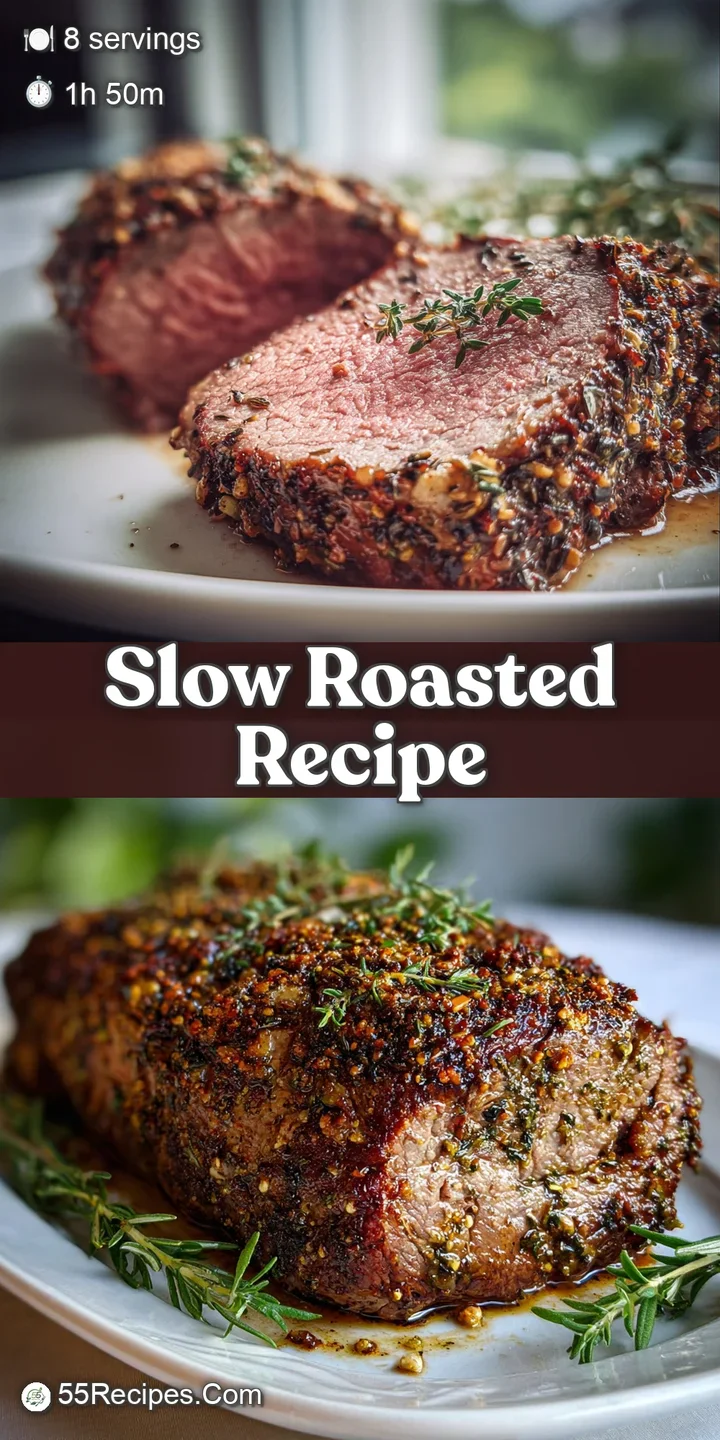
Recipe FAQs
How do you roast beef with garlic and herb rub?
Pat the roast dry, then generously coat it with a paste made from Dijon mustard, minced garlic, chopped rosemary, thyme, salt, and pepper. This binder helps the herbs adhere and infuses flavor deep into the meat. For an extra flavorful crust, consider an air-drying step in the fridge beforehand, much like we use for achieving the perfect texture in our BBQ Beef Skirt Steak Chimichurri Blitz Recipe.
What herb goes with roast beef in the oven?
Rosemary and thyme are classic pairings for roast beef. Their robust, woodsy flavors complement the richness of the meat beautifully, especially when roasted with garlic. If you enjoy these aromatic profiles, you might also like how they are incorporated into our Top Round Roast: Herb Crusted Perfectly Pink Medium Rare.
How to cook roasted garlic and herbs?
Create a paste by finely mincing fresh garlic and herbs like rosemary and thyme, then mix them with Dijon mustard and olive oil. This paste is then spread over the roast before cooking. The heat of the oven will toast the garlic and herbs, releasing their aromatic oils and creating a savory crust.
Is it better to cook a roast at 325 or 350?
For a tender, evenly cooked roast with a moist center, 325°F is generally preferred. This lower temperature allows the heat to penetrate slowly, preventing the outside from drying out before the inside is cooked through.
While a higher temperature like 350°F can create a crispier crust faster, it increases the risk of a grey band around the perfectly cooked interior.
What internal temperature should a roast beef reach?
For medium rare, aim for an internal temperature of 130-135°F before resting. Remember that the roast will continue to cook as it rests, so pulling it slightly early ensures it reaches your desired doneness without overcooking. This concept of carryover cooking is crucial for achieving perfect results, similar to how we manage temperature precisely for our Ultimate Homemade Salisbury Steak The Real Deal.
How long should I rest a roast after cooking?
Rest your roast for at least 15-20 minutes after taking it out of the oven. This crucial step allows the juices to redistribute throughout the meat, ensuring every slice is tender and moist. Skipping this rest will result in juices running out onto your cutting board, leaving the roast dry.
Can I use dried herbs instead of fresh for my roast?
Yes, you can use dried herbs, but use less, about one-third the amount of fresh. Dried herbs are more concentrated, so too much can lead to a bitter or overpowering flavor. Fresh herbs typically provide a brighter, more vibrant aroma and a less gritty texture on the crust.
Roast In Oven With Garlic
Ingredients:
Instructions:
Nutrition Facts:
| Calories | 418 calories |
|---|---|
| Protein | 51.8 g |
| Fat | 21.4 g |
| Carbs | 2.3 g |
| Fiber | 0.4 g |
| Sugar | 0.6 g |
| Sodium | 762 mg |
