Shredded Filo Pastry: Homemade Crunch

- Time: Active 15 minutes, Passive 20 minutes, Total 35 minutes
- Flavor/Texture Hook: Golden brown toasted threads with a satisfying brittle crunch
- Perfect for: Traditional desserts, bird's nest appetizers, or creative crunchy toppings
- Master Your Own Shredded Filo Pastry
- The Magic of Crispy Golden Strands
- Precision Metrics and Recipe Specs
- Essential Components for Fluid Batter
- Critical Tools for Precision Baking
- Creating Perfect Threads Every Time
- Fixing Common Dough Mistakes Easily
- Personalizing Your Pastry Creations
- Adjusting Amounts for Your Needs
- Busting Popular Dough Myths
- Long-term Storage and Waste Tips
- Creative Flavor Pairing Suggestions
- Recipe FAQs
- 📝 Recipe Card
Master Your Own Shredded Filo Pastry
The first time I stood in a tiny back alley bakery in Istanbul, the sound caught me before the smell did. It was a rhythmic, high pitched sizzle, like a thousand tiny needles hitting a hot record player.
I watched a baker swirl a copper canister over a massive rotating griddle, leaving behind a delicate lace of white batter that dried into golden silk in mere seconds. The aroma was simple just toasted grain and heat but the texture was something I’d never seen made from scratch at home.
I tried to recreate it that weekend and failed miserably. My "threads" were thick, gummy worms that stuck to the pan and refused to shatter. It took me a dozen batches to realize that this isn't about complexity; it’s about the physics of the pour and the starch to protein ratio.
Once you get that batter to flow like liquid silk, you'll never buy the frozen, clumped up boxes again. We're talking about a level of crispness that makes store-bought versions feel like soggy cardboard.
The Magic of Crispy Golden Strands
Rapid Dehydration: The high surface area to volume ratio of the thin threads allows moisture to vanish instantly upon contact with heat. This creates a brittle, glass like structure that yields a loud shatter when bitten.
Starch Suspension: The cornstarch prevents the gluten from forming a tough, chewy network, ensuring the pastry remains light and airy rather than bread like.
The Physics of the Flash Dry: By using a thin, aerated batter, the proteins in the flour set the structure before the water can steam and soften the strands.
| Method | Time | Texture | Best For |
|---|---|---|---|
| Stovetop | 1 minute per batch | Extremely thin, crisp strands | Traditional Kataifi desserts |
| Oven (thin layer) | 8 minutes | Slightly thicker, toasted | Crunchy salad toppers |
| Air Fryer | 4 minutes | Irregular, very brittle | Quick snacks or garnishes |
Just like the crunch found in our Cheese Crackers Recipe, achieving the right moisture balance is what dictates whether your pastry will be tough or perfectly flaky.
Precision Metrics and Recipe Specs
To get consistent results every time, you need to be precise with your measurements. This isn't a "vibe based" recipe; it’s a formula. I’ve found that even a few extra milliliters of water can turn your "shredded" pastry into a pancake.
| Component | Science Role | Pro Secret |
|---|---|---|
| All purpose flour | Provides structural proteins | Sift twice to prevent nozzle clogs |
| Cornstarch | Inhibits gluten, adds crunch | Use high-quality non GMO starch |
| Vegetable oil | Enhances heat transfer | Adds a velvety sheen to the raw batter |
Whether you are scaling this up for a large party or making a tiny batch for two, keep the ratio of 2 parts flour to 1 part starch. This ensures the threads don't become too fragile to handle. If you're planning a full Mediterranean spread, this technique pairs beautifully with the crisp textures in our Falafel Burger recipe.
Essential Components for Fluid Batter
You likely have everything you need in the pantry right now. The magic of Shredded Filo Pastry is how humble ingredients transform into something so sophisticated.
- 250g all purpose flour: This provides the backbone. Why this? The moderate protein content holds the thread shape without being overly chewy.
- 125g cornstarch: Essential for the "shatter" factor. Why this? It lowers the overall gluten percentage of the mix.
- 375ml water: Room temperature is best. Why this? Cold water can make the starch clump; warm can activate gluten too fast.
- 2 tablespoons vegetable oil: Any neutral oil works. Why this? It prevents the threads from sticking to each other during storage.
- 0.5 teaspoon salt: Don't skip this. Why this? It tightens the protein structure and balances the toasted flavor.
| Original Ingredient | Substitute | Why It Works |
|---|---|---|
| Vegetable oil | Melted Ghee | Adds a rich, nutty aroma. Note: Sieve carefully to remove solids. |
| All purpose flour | Pastry Flour | Creates an even more delicate strand. Note: Reduce water by 5%. |
| Cornstarch | Arrowroot Powder | Provides a similar snap. Note: Can become slightly more translucent. |
Critical Tools for Precision Baking
Forget the expensive copper canisters used in professional bakeries. You can achieve great results with a simple squeeze bottle, provided the nozzle is narrow enough. I prefer using a 12 ounce bottle with a needle nose tip. If the hole is too wide, your threads will be clunky; too narrow, and the batter won't flow.
A non stick crepe pan or a well seasoned cast iron griddle is non negotiable. You need a surface that transfers heat evenly but won't grab onto the delicate dough. If you're using stainless steel, you'll need a very light coating of oil, but be careful too much oil will cause the batter to fry and bubble rather than dry and set.
A silicone spatula is also helpful for gently lifting the "nest" of threads once they are done.
Creating Perfect Threads Every Time
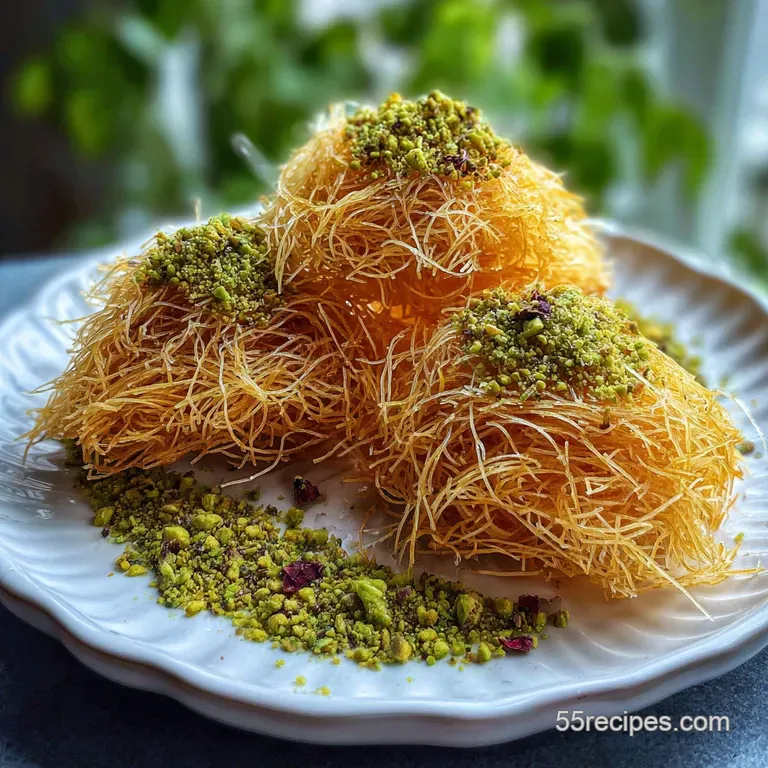
- Sift the 250g flour and 125g cornstarch into a large bowl. Note: This prevents any tiny lumps from clogging your squeeze bottle later.
- Whisk the 375ml water, 2 tablespoons vegetable oil, and 0.5 teaspoon salt in a separate jug until the oil is partially emulsified.
- Pour the liquid into the dry ingredients slowly, whisking from the center outward. Stop when the batter is velvety and smooth.
- Strain the entire mixture through a fine mesh sieve into a clean bowl. Note: Even if you think it's smooth, there are hidden lumps.
- Fill your squeeze bottle with the strained batter, leaving about an inch of headspace at the top.
- Preheat your non stick pan over medium low heat. The pan is ready when a drop of water dances and evaporates.
- Squeeze the batter in rapid, concentric circles starting from the outside edge moving inward. Move quickly to keep the threads thin.
- Wait 30-45 seconds. Watch for the edges to lift and the color to turn opaque white.
- Lift the pastry nest gently with a spatula. It should feel dry and slightly stiff, not floppy.
- Transfer to a clean kitchen towel and cover immediately to keep them pliable for styling.
Fixing Common Dough Mistakes Easily
The most common frustration is the "blob" effect. If your batter is coming out in clumps, your nozzle is either too big or you're squeezing too hard. This is a dance of pressure and speed.
If you find your pastry is sticking, your pan temperature is likely too low, preventing the "flash set" that releases the dough from the surface.
Why Your Pastry Is Gummy
If the threads feel soft or doughy after cooling, they haven't lost enough moisture. This usually happens if the pan isn't hot enough or if you've piled the threads too thick on top of each other.
| Problem | Root Cause | Solution |
|---|---|---|
| Threads are snapping | Batter is too thick | Add water 1 teaspoon at a time. |
| Batter is graying | Oxidation of flour | Use the batter within 1 hour of mixing. |
| Pastry sticks to pan | Heat is too low | Increase flame and wait for the "water dance" test. |
Common Mistakes Checklist
- ✓ Always sieve the batter twice; one tiny lump will ruin a whole batch.
- ✓ Don't grease the pan heavily; a light wipe with an oiled paper towel is enough.
- ✓ Move your arm from the shoulder, not the wrist, for even circles.
- ✓ Keep the finished threads covered with a damp cloth so they don't turn into straw.
- ✓ Let the batter rest for 10 minutes before starting to hydrate the flour.
Personalizing Your Pastry Creations
While Shredded Filo Pastry is famous for sweets like Kunafa, it's a secret weapon for savory dishes too. I love wrapping giant prawns in these threads and flash frying them; the crunch is loud enough to wake the neighbors.
You can also toss the raw threads with a little melted butter and cinnamon sugar before baking for an easy ice cream topper.
If you are looking for a lower calorie crunch, you can bake the shredded pastry in muffin tins to create "nests" for poached eggs or savory fillings. For another crispy delight that uses simple pantry staples, check out our Cheese Crackers Recipe.
Adjusting Amounts for Your Needs
Scaling this recipe is straightforward because the hydration ratio is the key factor. If you want to double the batch, you don't need to double the salt 1.5x is usually enough to maintain flavor without it becoming sharp.
For a half batch (approx 4 servings), use 125g flour and 62g cornstarch. You might find that the very end of the squeeze bottle is hard to use for small batches, so I always recommend making the full amount and freezing the extras.
When doubling, work in two separate bowls for the batter to ensure you can whisk it thoroughly without creating a massive, lumpy mess.
Busting Popular Dough Myths
Many people believe you need a special "middle eastern flour" to get the right snap. In reality, standard all purpose flour is more than sufficient as long as you balance it with starch. The starch is what provides the crispness, not the specific origin of the wheat.
Another myth is that you must use a copper griddle. While copper has excellent heat conductivity, a modern heavy bottomed non stick pan actually offers more control for the home cook. The "magic" is in the temperature management, not the metal of the pan. Finally,, people think the batter needs to sit overnight.
It doesn't! Ten to fifteen minutes is plenty for the flour to hydrate.
Long term Storage and Waste Tips
Storing Shredded Filo Pastry requires care because it absorbs moisture from the air like a sponge. If you aren't using it immediately, let it cool completely, then seal it in an airtight bag with all the air squeezed out. It will stay fresh in the fridge for up to 3 days.
Freezing: This dough freezes beautifully. Place the nests between layers of parchment paper in a freezer safe container. They will last for 2 months. To use, don't thaw them just bake or fry them directly from frozen to maintain the best texture.
Zero Waste: Don't throw away the "broken" bits at the bottom of the pan or the bowl. Collect those crispy shards and use them as a "breading" for chicken tenders or sprinkle them over a creamy pasta dish. They add a sophisticated texture that's much lighter than traditional breadcrumbs.
Creative Flavor Pairing Suggestions
This pastry is a blank canvas. If you're going the sweet route, a rosewater or orange blossom syrup is traditional, but don't sleep on a simple honey lemon drizzle. The acidity of the lemon cuts through the richness of the buttered pastry perfectly.
On the savory side, try pairing the crispy threads with a sharp feta or a spicy harissa dip. The contrast between the velvety dip and the shattering pastry is a sensory experience you won't forget. If you want to dive deeper into the world of crispy, buttery layers, you'll love the technique in The Secret to recipe. It uses a similar logic of fat and heat to create a crust that stays crunchy long after it leaves the stove.
Recipe FAQs
What is shredded filo pastry called?
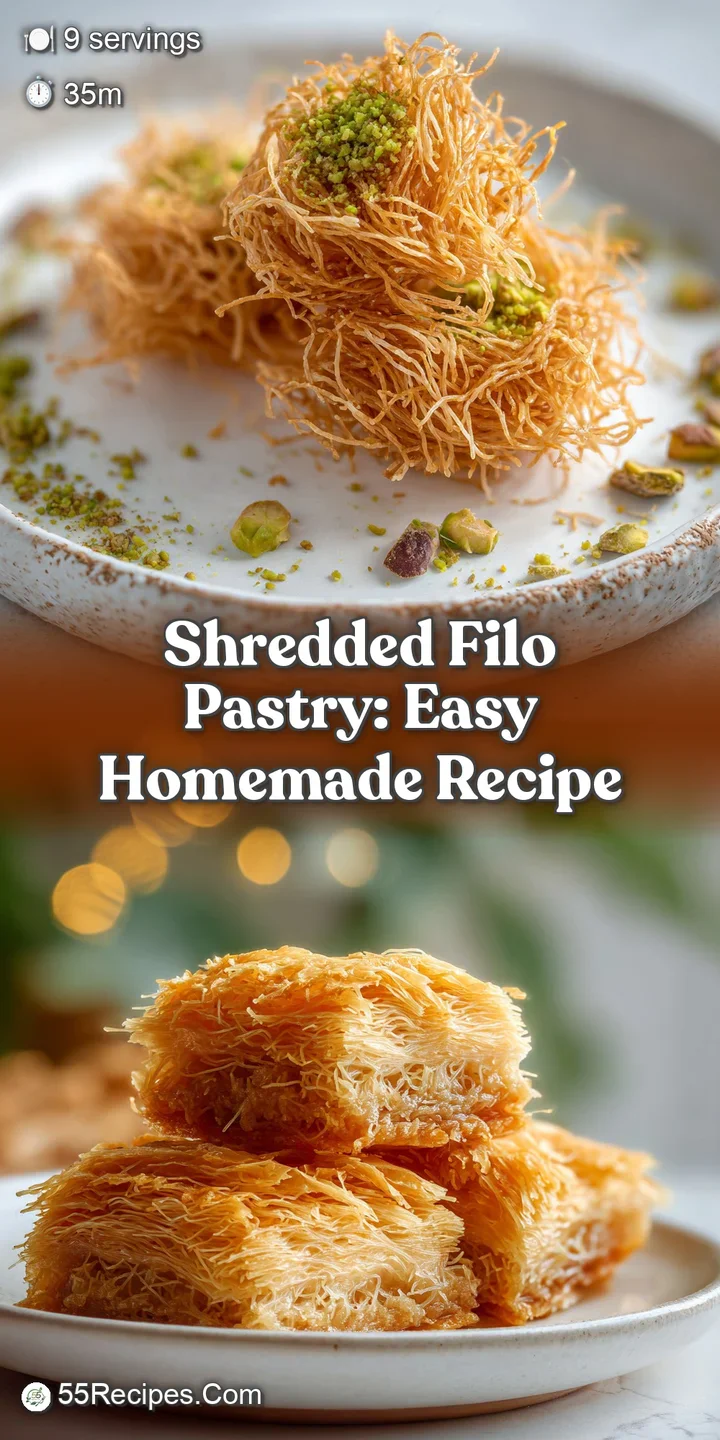
It's called Kataifi or Kadaif. This is the common name for the shredded form of filo pastry, often used in desserts and appetizers.
How do you shred filo pastry?
Make a thin batter and pipe it. You'll create a batter of flour, cornstarch, water, and oil, then pipe it in fine threads onto a hot griddle using a squeeze bottle. For a step-by-step guide, see the section on Creating Perfect Threads Every Time.
Can I make kataifi from phyllo dough?
No, you cannot directly shred phyllo dough. Kataifi is made from a liquid batter that is piped and cooked into fine threads, whereas phyllo dough is layered sheets.
Does Aldi's sell kataifi?
Aldi's typically does not carry kataifi. While their international food sections vary, kataifi is usually found in specialty Middle Eastern or Mediterranean grocery stores.
What is the secret to perfectly crisp shredded filo?
Rapid dehydration through precise batter consistency and heat. If you enjoyed controlling cookie spread here, the same logic of moisture balance applies to creating the brittle threads in our Cheese Crackers Recipe.
How do I store shredded filo pastry?
Store cooled and airtight in the refrigerator for up to 3 days. For longer storage, freeze completely cooled nests between parchment paper in an airtight container for up to 2 months; bake directly from frozen.
Can I use shredded filo for savory dishes?
Yes, it's incredibly versatile for savory applications. The shattering crunch works wonderfully as a topping for dishes like baked feta or as a crispy outer layer for appetizers, similar to how we achieve a great crust on Cooked Chicken Legs: Ultimate Crispy Skin Drumsticks in the Oven.
Shredded Filo Pastry
Ingredients:
Instructions:
Nutrition Facts:
| Calories | 181 kcal |
|---|---|
| Protein | 2.8 g |
| Fat | 3.4 g |
| Carbs | 33.8 g |
| Fiber | 0.8 g |
| Sugar | 0.1 g |
| Sodium | 128 mg |
