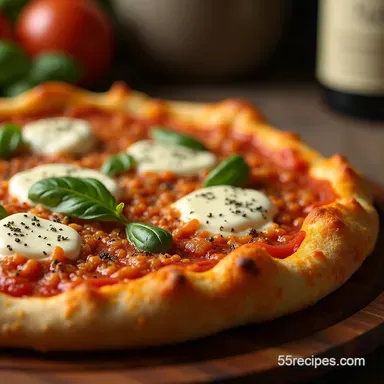
The Deepdish Delight Crispy Spaghetti Pizza Base
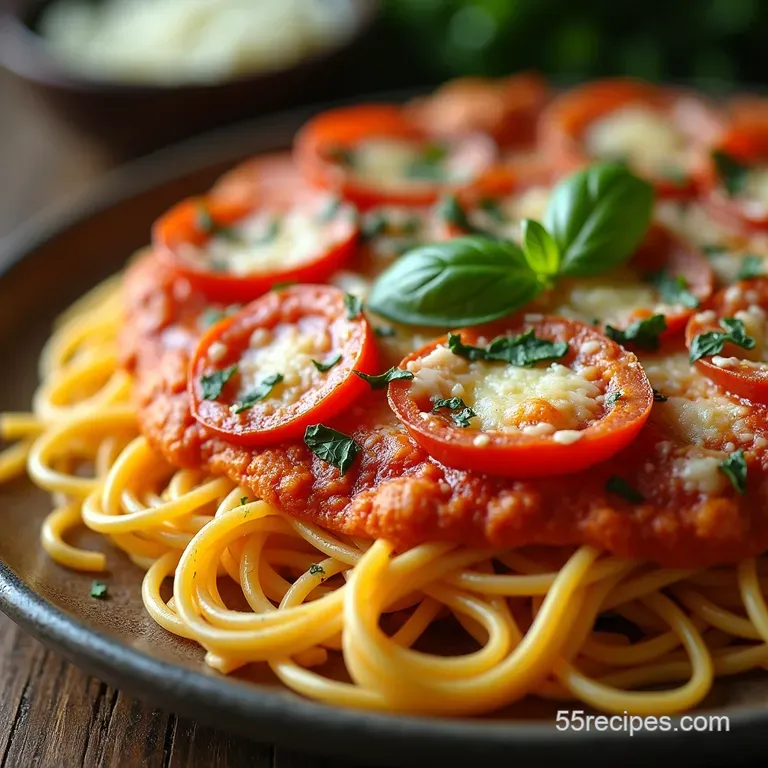
- The Genesis of the Ultimate Comfort Food Hybrid
- Why This Spaghetti Pizza Recipe Dominates Dinner
- Essential Components for Assembling Your Bake
- Tools Required for Perfect Pie Construction
- Phase-by-Phase Guide to Crafting Your Masterpiece
- Maximizing Enjoyment: Tips and Storage Secrets
- Variations to Personalize Your Pasta Pie
- Recipe FAQs
- 📝 Recipe Card
The Genesis of the Ultimate Comfort Food Hybrid
There are dishes that cross the culinary aisle, blending two beloved classics into something entirely new, yet instantly familiar. Our Spaghetti Pizza falls squarely into this category.
It’s not just a meal; it’s a structural marvel, marrying the satisfying chew of perfectly cooked pasta with the crispy, browned edges of a deep dish pizza. This concept taking something familiar and giving it a sturdy, cheesy foundation is the hallmark of great Italian American recipes.
It represents a delicious evolution, transforming humble leftovers or a simple weeknight pasta dinner into a truly memorable Spaghetti Pizza Bake . It’s a concept born out of genius simplicity, designed to maximize flavour and minimize dining deliberation.
Why This Spaghetti Pizza Recipe Dominates Dinner
This creation isn't just a quirky novelty; it’s a genuine contender for the best spaghetti pizza recipe because it solves several dinner dilemmas simultaneously. It offers the heartiness of a baked casserole but presents it in an accessible, sliceable format.
It’s incredibly versatile, equally at home at a casual family gathering or as the star of a themed movie night. This is the epitome of Spaghetti Pizza comfort food , a dish that promises flavour satisfaction in every textural layer.
The Brilliant Marriage of Pasta and Pizza Dough
The genius here lies in replacing traditional yeasted dough with a firm spaghetti base. We utilize the natural starch of the cooked pasta, bound together with eggs and Parmesan, to create a robust shell.
This shell bakes up differently than flour dough; it’s slightly chewy on the interior layers while achieving an incredible, savory crispness on the bottom and edges. This unique foundation perfectly supports a rich topping without becoming soggy, which is the key differentiating factor in any successful Spaghetti Pizza Casserole .
Transforming Leftovers into Legendary Italian American Fare
One of the most compelling reasons to embrace this recipe is its ability to elevate yesterday’s spaghetti. While we will detail cooking pasta from scratch for optimal texture, know that this dish shines brightest when using slightly cooled leftovers.
It’s a fantastic way to avoid waste and introduce novelty into familiar ingredients, making it an incredibly resourceful and tasty approach to weeknight cooking. It takes the essence of a classic pasta dish and reconfigures it into something that feels entirely new and celebratory.
A Culinary Creation Born from Fridge Raid Inspiration
While the exact origins are often shrouded in the delicious fog of home cooking experiments, the spirit of the Spaghetti Pizza is undeniably rooted in improvisation.
It speaks to that moment when you look at a pot of leftover spaghetti and a block of mozzarella and realize you can combine them into something greater than the sum of their parts.
This drive to innovate within traditional confines is precisely what fuels the best of Italian American recipes , yielding dishes that are both innovative and deeply reassuring.
Essential Components for Assembling Your Bake
Creating a truly spectacular Spaghetti Pizza Pie requires attention to a few core elements, particularly in how the base is constructed and bound. The goal is structural integrity married to outstanding flavour.
You need ingredients that will set firm during the initial bake but melt beautifully during the final stage.
Sourcing the Foundation: Dough and Pasta Requirements
For the foundation, we rely on 8 ounces (about 225g) of dry spaghetti, cooked until it is very al dente . I cannot stress the "very" enough the pasta will continue cooking under the toppings.
The key to a successful base is ensuring the noodles are drained thoroughly; any lingering water will steam the crust instead of allowing it to crisp. Once drained, the slightly warm spaghetti is tossed with binding agents that form the structural glue for our base.
The Cheese Matrix: Layering for Maximum Melt
Cheese placement is critical. The first layer of cheese about 1 cup of finely grated Parmesan is mixed directly into the spaghetti binder. This ensures the base itself is savoury and holds together when sliced.
The second, more generous layer of cheese, usually 2 cups of low-moisture mozzarella, is reserved for the top. This top layer provides the classic, pull apart, golden brown finish expected from any good pizza, ensuring the overall experience is rich and gooey.
Metric Versus Imperial: Adjusting Measurements Seamlessly
While I adhere to the structure of the recipe details provided, remember that baking rewards precision. When working with the binder ingredients the eggs, breadcrumbs, and Parmesan if you are working solely in metric, weigh your Parmesan (around 100g) for consistency.
For the dry spaghetti, 225g is a perfect amount to fill a 9 inch or 10 inch pan evenly, ensuring the crust doesn't end up too thin to support the toppings.
Flavor Boosters Beyond the Basic Sauce
While a quality marinara sauce is essential for the topping, don't neglect the base flavour. A teaspoon of dried oregano mixed into the spaghetti binder complements the traditional tomato sauce beautifully and adds an authentic herbaceous note right from the foundation up.
A generous grind of black pepper in the mix also helps sharpen the richness of the egg and cheese binder.
Related Recipes Worth Trying
- Thanksgiving Pizza Gobble Til You Wobble Leftovers — Banish those Boxing Day blues This Thanksgiving Pizza recipe uses leftover turkey cranberry sauce stuffing for a wonderfully weird delicious postholiday treat
- Stuffed Pizza Supreme The Ultimate Deep Dish Delight — Forget takeaway This stuffed pizza recipe is a showstopper Think Chicago deepdish but BETTER Easy homemade pizza guaranteed to wow Get the recipe now
- The Real Deal Spaghetti Carbonara Recipe Authentic Easy — Want an authentic spaghetti carbonara recipe This Roman classic uses guanciale pecorino not cream Easy enough for beginners Get the creamy carbonara sauce...
Tools Required for Perfect Pie Construction
The equipment selection significantly impacts the final presentation and ease of serving this unique dish. Because the spaghetti base sets firm, a standard cookie sheet often results in a floppy structure.
The absolute best tool for this job is a 9 inch or 10 inch springform pan . The detachable sides allow you to serve this Spaghetti Pizza intact and slide it cleanly onto a cutting board without risking the collapse of your beautifully set crust.
If a springform pan isn't available, a heavy bottomed, well seasoned cast iron skillet is the next best option, though you must be meticulous about oiling the bottom to ensure release.
Phase-by-Phase Guide to Crafting Your Masterpiece
This isn’t a simple toss and-bake assembly; crafting an easy spaghetti pizza that holds its shape requires a structured approach, primarily focusing on that critical first bake.
Pre-Baking the Crust: Setting the Stage
After thoroughly mixing the spaghetti with the egg, breadcrumb, and Parmesan binder, you must press it firmly into your prepared pan. Use the back of an oiled glass to compact the mixture the firmer you press, the less likely the slice is to crumble later.
This crust then goes into a preheated 400° F ( 200° C) oven for about 15 minutes. This initial heat phase is non-negotiable; it sets the egg protein, effectively creating a sturdy, pasta based 'dough' ready to receive toppings.
Preparing the Spaghetti Base: Binding and Seasoning
As the spaghetti cooks and drains, speed is your friend before it cools too much. In a large bowl, combine your lightly beaten eggs with the grated Parmesan, breadcrumbs, oregano, salt, and pepper. Immediately fold in the hot, drained pasta.
The heat from the pasta helps the eggs begin to firm up slightly, and the starch helps everything adhere perfectly. Work quickly but thoroughly to ensure every strand is coated.
The Art of Layering: Sauce, Meat, and Cheese Placement
Once the crust is partially set from the pre-bake, remove it carefully. Spread your hearty marinara sauce over the baked spaghetti layer, leaving a slight border around the edge, much like you would on a traditional pizza. If adding optional pepperoni or cooked Italian sausage, layer it over the sauce now.
Finally, top generously with the shredded mozzarella.
Final Bake Time and Temperature Protocols
The final stage marries the classic pizza elements with the sturdy base. Return the loaded Spaghetti Pizza Casserole to the 400° F ( 200° C) oven. Bake for an additional 20 to 25 minutes.
You are looking for the mozzarella to be fully melted, deeply golden in spots, and actively bubbling. The edges of the spaghetti crust should look significantly darker and incredibly crisp this is where the true textural reward lies.
Maximizing Enjoyment: Tips and Storage Secrets
Allowing your finished masterpiece a brief resting period is crucial before attempting to serve it. As tempting as it is to slice immediately, that 10-minute cool down period allows the cheese and pasta structure to fully stabilize, preventing a messy slide out when you release the springform or cut the first piece.
Reheating the Remainder: Keeping the Flavor Fresh
Leftovers of this Spaghetti Pizza are a genuine treat for lunch the next day. To reheat and maintain that crucial crispness, avoid the microwave if possible. The oven or an air fryer works best.
Place slices on a baking sheet at 350° F ( 175° C) for about 10 minutes until the cheese is gooey and the crust has crisped back up. This revival process ensures the leftovers taste almost as fresh as the original bake.
Ingredient Swaps for Dietary Adaptations
While traditional recipes use standard spaghetti, those needing dietary modifications can adapt. For a lower carb take, experiment with zucchini noodles (zoodles) in the binder, though you will need significantly less egg and more breadcrumbs to help them set, as they lack the starch of traditional pasta.
For dairy-free options, nutritional yeast mixed into the base binder can mimic the salty depth of Parmesan, paired with your favourite vegan mozzarella shreds on top.
Serving Suggestions: Pairing with the Right Sides
Because this dish is inherently rich and satisfying a true one-dish meal it pairs best with contrasting lightness. A side of peppery arugula tossed simply with lemon juice, olive oil, and flaky salt cuts through the richness beautifully.
Alternatively, classic garlic knots are never a bad idea when dealing with heavy Italian American fare!
Troubleshooting Common Spaghetti Pizza Pitfalls
The most common issue folks encounter is a soggy or crumbly base. If your crust crumbles, it likely means one of two things: either you didn't press the mixture firmly enough into the pan, or your spaghetti wasn't drained thoroughly enough before binding.
Remember, a dry base plus firm pressure equals a sliceable Spaghetti Pizza Pie .
Variations to Personalize Your Pasta Pie
Once you master the foundational Spaghetti Pizza Recipe , the culinary landscape opens up dramatically. Think of the base as a versatile canvas ready for personalized flair.
For a robust alternative, consider the "Meat Lover’s" approach. Before pressing the spaghetti into the pan, stir in about half a cup of finely crumbled, pre-cooked Italian sausage along with the Parmesan. This infuses flavour right into the foundation, making the entire slice richer.
Alternatively, for a vegetarian delight, swap the marinara for a vibrant, homemade pesto spread over the pre-baked crust, topped with slivered artichoke hearts and fresh mozzarella. This elevates the dish from comfort food to something truly gourmet.
Recipe FAQs
Why does my Spaghetti Pizza base keep crumbling when I try to slice it?
That’s usually down to two things: under binding or insufficient pre-baking. Make sure you are pressing the spaghetti mixture down very firmly into the pan before it goes into the oven, using the base of a glass to really compact it.
Also, ensure you let that initial crust bake for the full 15 minutes so it sets hard before you add any toppings.
Can I make the Spaghetti Pizza using leftover spaghetti, and does the sauce need to be cold?
Absolutely, leftover spaghetti is brilliant for this, but it must be properly drained! Cold pasta is fine, but when mixing it with the egg binder, ensure the pasta is at least lukewarm this helps the egg and cheese meld properly before you press it.
Using cold sauce on top is fine; it just means the final bake time might be slightly longer as the whole thing heats through.
What’s the secret to getting the edges of the Spaghetti Pizza really crisp, like a good deep dish crust?
The secret is oil and heat! Be generous when oiling your springform pan or skillet before pressing the pasta in, ensuring the edges are well coated. Baking it at a decent temperature, like 400°F (200°C), allows the starches and fat to crisp up nicely.
If your oven has a good bottom heat element, that helps even more!
I’m thinking of freezing leftovers; how should I store any remaining Spaghetti Pizza?
Freezing is a doddle, provided you cool it completely first. Slice it into individual portions, wrap each piece tightly in plastic wrap, and then pop them into a zip-top bag. To reheat, it’s best to take it out the night before and bake it from cold in a 350°F (175°C) oven until piping hot microwaving can make the crust a bit soggy, which would be a tragedy!
Is this dish really heavy? Can I make a lighter version of this Spaghetti Pizza?
It’s definitely comfort food, so it leans towards the hearty side, largely thanks to the cheese binder! To lighten it up, use low-fat mozzarella and swap the breadcrumbs for rolled oats if you’re feeling inventive. Also, skip the pepperoni and use low-sodium marinara to keep the salt content down.
What pasta shape works best if I don't have spaghetti on hand?
You need something long and reasonably sturdy, so linguine or fettuccine are excellent substitutes; they behave almost identically when mixed with the binder. Avoid anything short like penne or elbow macaroni, as they won't knit together well enough to form a proper sliceable base. Keep it long, mate!
Crispy Spaghetti Pizza Pie