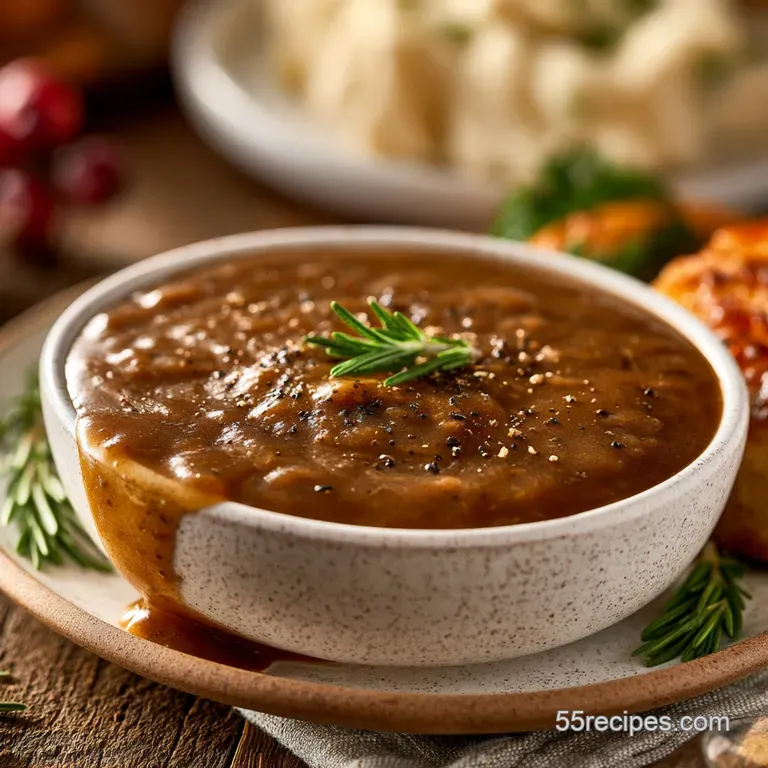
Failure-Proof Cornstarch Gravy: Glossy and Savory
- Time: 5 min active + 10 min cook = Total 15 minutes
- Flavor/Texture Hook: Velvety, glossy, and deeply savory
- Perfect for: Weeknight comfort food, beginner cooks, or quick holiday fixes
Cornstarch Gravy
The smell of garlic powder hitting hot beef broth is a core memory for me. It takes me straight back to my grandma's kitchen on a rainy Tuesday in October, where the windows were fogged up and the air felt heavy with the scent of slow cooked meats.
I remember watching her whisk a cloudy mixture into a pot, and within seconds, the liquid transformed from a thin tea like broth into a shimmering, rich blanket that clung to everything it touched.
That first taste is always the best, that rich saltiness cutting through a mountain of mashed potatoes. For a long time, I thought you had to spend an hour making a roux, stirring flour and butter until your arm ached.
But once I realized that a Cornstarch Gravy gives you that same hearty satisfaction in a fraction of the time, I never looked back. It's about that contrast, the deep, dark umami of the soy and beef meeting the smooth, clean finish of the starch.
This recipe is all about efficiency and mouthfeel. We aren't looking for a thick, paste like sauce, but rather something that feels velvety on the tongue and looks like liquid silk under the kitchen lights.
Whether you're drowning a piece of fried chicken or topping a steak, this Cornstarch Gravy is the reliable, nostalgic hug your plate needs. Trust me on this, once you get the slurry right, you'll wonder why you ever bothered with the long way.
The Secret To Silkiness
I used to get so frustrated when my sauces turned out lumpy or looked like cloudy glue. Then I started paying attention to how the starch actually behaves. It's not magic, just a bit of kitchen logic that makes a huge difference in the final result.
Cold Start: Cornstarch needs to be dissolved in cold liquid first. If you toss it straight into hot broth, it clumps instantly and creates those tiny, indestructible flour balls that ruin a meal.
Heat Activation: The thickening only happens once the liquid reaches a simmer. You won't see the magic happen immediately, but as soon as those first bubbles break the surface, the sauce tightens up.
The Gloss Factor: Unlike flour, which makes a matte finish, starch creates a translucent shine. This is why the Cornstarch Gravy looks so much more appetizing in photos and on the plate.
Raw Taste Removal: Starch has a distinct, slightly chalky flavor when first added. A quick couple of minutes of simmering finishes the process and leaves you with only the savory beef notes.
| Method | Time | Texture | Best For |
|---|---|---|---|
| Cornstarch | 15 mins | Glossy/Velvety | Quick meals, GF needs |
| Flour Roux | 30 mins | Matte/Creamy | Slow roasts, stews |
| Reduction | 2 hours | Intense/Syrupy | High end pan sauces |
Ingredient Deep Dive
When you're making a Cornstarch Gravy, every single element is there to balance the others. We're playing with salt, acidity, and fat to make sure the sauce doesn't taste one dimensional.
| Ingredient | Science Role | Pro Secret |
|---|---|---|
| Beef Broth | Flavor Base | Use low sodium to control the salt |
| Soy Sauce | Umami Boost | Adds a dark, rich color without browning |
| Cornstarch | Thickening Agent | Always sift if it's been sitting in the pantry |
| Unsalted Butter | Finish/Sheen | Cold butter creates a better emulsion |
Everything You Need
Right then, let's get the gear and ingredients ready. I like to have everything measured out before I turn on the heat because this happens fast. If you're hunting for a measuring spoon while the broth is boiling, you might miss the window for the perfect thickness.
- 2 cups beef broth Why this? Provides the hearty, savory foundation
- 1 tbsp soy sauce Why this? Deepens the color and adds salty complexity
- 1/2 tsp cracked black pepper Why this? Adds a sharp, nostalgic bite
- 1/4 tsp garlic powder Why this? Subtle aromatic background note
- 2 tbsp cornstarch Why this? The primary thickening power
- 2 tbsp cold water Why this? Essential for a lump free slurry
- 1 tbsp unsalted butter Why this? Adds a velvety finish and shine
For a substitute, if you don't have beef broth, chicken broth works but it'll be lighter in color. You can add a pinch more soy sauce to compensate. For the soy sauce, a dash of Worcestershire sauce provides a similar punch but with a bit more tang.
The Right Gear
You don't need a professional kitchen to nail this, but a few specific tools make the process much smoother. I've found that using a whisk is non negotiable here, as it's the only way to ensure the slurry integrates without leaving streaks.
- Medium Saucepan: Something with a heavy bottom so the broth doesn't scorch.
- Small Mixing Bowl: Just a tiny one for the cornstarch and water.
- Wire Whisk: Essential for breaking up any clumps.
- Measuring Spoons: For precision, since too much starch makes it a gel.
Making the Sauce
Let's crack on. The key here is the rhythm. You want to keep the liquid moving so the heat distributes evenly.
- Pour the beef broth into a medium saucepan over medium high heat. Note: Using a wider pan helps the liquid simmer faster.
- Stir in the soy sauce, black pepper, and garlic powder. Cook 3-5 mins until you see small bubbles forming at the edges.
- In your small mixing bowl, whisk the cornstarch and cold water. Whisk until it is completely smooth and looks like milk.
- Slowly pour the cornstarch slurry into the simmering broth in a steady stream. Note: Do not dump it all in at once or you'll risk clumping.
- Whisk constantly as you pour until the gravy thickens to a velvety consistency.
- Allow the mixture to simmer for an additional 2 minutes. Wait until the raw starch smell disappears and the liquid looks clear.
- Remove the pan from the heat immediately.
- Swirl in the cold unsalted butter. Whisk gently until the butter is melted and the sauce is glossy.
Chef's Note: If you want an even deeper flavor, try adding a teaspoon of espresso powder. It doesn't make it taste like coffee, but it makes the beef flavor feel "darker" and more expensive.
Texture Fixes
Nothing is worse than a Cornstarch Gravy that looks like translucent jelly or, conversely, stays as thin as water. Most of these issues happen in the first 60 seconds after adding the slurry.
Troubleshooting Common Issues
| Issue | Solution |
|---|---|
| Why Your Gravy Is Lumpy | Lumps happen when the cornstarch isn't fully dissolved in water before hitting the heat. The starch granules on the outside "cook" and form a shell, trapping dry powder inside. |
| Why Your Gravy Is Too Thin | Usually, this is because the broth didn't reach a full simmer before the slurry was added. The starch needs that specific heat threshold to "bloom" and thicken. |
| Why Your Gravy Looks Like Gel | Over thickening happens when too much starch is used or the sauce is reduced too far. It loses that velvety flow and becomes a stiff mass. |
Common Mistakes Checklist:
- ✓ Did you use cold water for the slurry?
- ✓ Did the broth reach a simmer before adding the starch?
- ✓ Did you whisk constantly during the integration?
- ✓ Did you remove it from the heat before adding the butter?
- ✓ Did you simmer for 2 minutes to remove the raw taste?
Flavor Customizations
This basic Cornstarch Gravy is a canvas. Depending on what you're serving, you can shift the profile from a country style peppery sauce to something more sophisticated. If you're looking for something even richer, you might explore a Madeira Jus Sauce for a formal dinner.
For the Savory Base You can swap the beef broth for turkey or chicken broth. If using turkey, add a pinch of dried sage and thyme to lean into those holiday vibes. This is how you make a turkey gravy thickened with cornstarch that tastes like a traditional feast.
For the Finishing Touch If you want a "Country Style" feel, double the black pepper and add a splash of heavy cream at the end. It turns the sauce from a dark brown to a rich tan, making it thickened with cornstarch but tasting like a cream gravy.
Going Vegan Just omit the butter or swap it for a cold cube of vegan butter. Since the cornstarch and soy sauce are already plant based, the only change is that final glossy finish. You'll still get that velvety texture.
Enhancing Umami For those who want a "beefier" beef gravy, add a drop of Worcestershire sauce or a teaspoon of tomato paste. This mimics the depth of a long simmered stock.
When wondering about cornstarch gravy vs flour gravy, the cornstarch version is much better at carrying these bright, punchy flavors.
Storage Guidelines
Because this is thickened with cornstarch, it behaves differently in the fridge than a flour based sauce. It can sometimes "weep," meaning the liquid separates from the starch.
Fridge Storage Store your Cornstarch Gravy in an airtight glass jar for up to 4 days. When you take it out, it will likely look like a thick jelly. Don't panic! This is normal for starch based sauces.
Freezing I don't recommend freezing this. The emulsion often breaks during the freezing and thawing process, leaving you with a grainy texture. It's so fast to make from scratch that it's simply not worth the freezer space.
Reheating Place the gravy in a small pan over medium heat. Add a tablespoon of water or broth to help it loosen up. Whisk constantly as it heats; once it hits a simmer, it will return to that velvety state.
Zero Waste Tip If you have a bit of leftover gravy that's too thick to pour, stir it into your morning scrambled eggs or use it as a base for a quick pot roast glaze. Never toss the remnants!
Hearty Pairing Ideas
This is the ultimate comfort food companion. Since it's so rich, it needs something that can soak up the sauce or something with a bit of a crust to provide contrast.
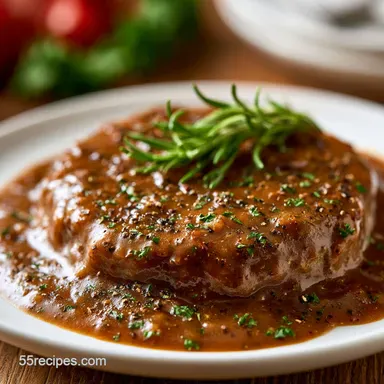
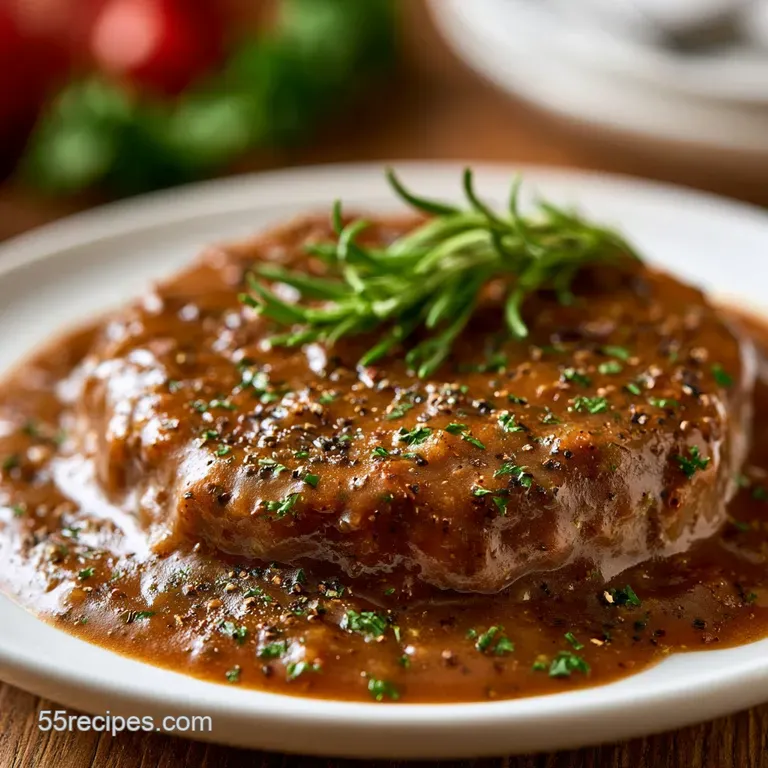
The most classic pairing is a plate of Ultimate Homemade Salisbury Steak, where the glossy gravy fills in every gap between the meat and the mashed potatoes. The saltiness of the soy sauce in the gravy cuts right through the richness of the beef.
If you're feeling a bit lighter, try it over steamed carrots or roasted Brussels sprouts. The sweetness of the vegetables creates a brilliant contrast with the savory depth of the Cornstarch Gravy. It's also a fantastic dip for a side of crispy roast potatoes or even a piece of toasted sourdough.
Decision Shortcut:
- If you want a glossy finish → stick to the cornstarch slurry.
- If you want a creamy, matte finish → use a butter and flour roux.
- If you want maximum beef intensity → add soy sauce and a pinch of espresso powder.
- 1. The Simmer
- The broth must be at a gentle bubble (approx 190-200°F) before the slurry enters.
- 2. The Slurry
- It should be a completely uniform liquid with zero visible white grains.
- 3. The Finish
- Simmer for exactly 2 minutes after thickening to ensure no raw starch taste remains.
Critical in Sodium
1180 mg 1,180 mg of sodium per serving (51% 51% of daily value)
The American Heart Association recommends a limit of 2,300mg of sodium per day for most adults to reduce the risk of heart disease and stroke.
Tips to Reduce Sodium
-
Switch the Broth-30%
Replace the standard beef broth with low-sodium or no-salt added beef broth to significantly drop the base sodium level.
-
Swap Soy Sauce-20%
Use low-sodium soy sauce or coconut aminos, which provide a similar savory flavor with much less salt.
-
Boost Aromatics-5%
Increase the garlic powder or add fresh minced garlic to enhance the savory profile without needing extra salt.
-
Add Fresh Herbs
Stir in fresh parsley, thyme, or a squeeze of lemon juice at the end to add brightness and complexity to the sauce.
Recipe FAQs
Can I use cornstarch to make gravy thicker?
Yes, it is an excellent thickener. Mixing it with cold water first creates a slurry that blends smoothly into the hot liquid without clumping.
Can a diabetic have gravy?
Yes, but in moderation. Cornstarch is a carbohydrate that can impact blood sugar levels, so keep an eye on your portion size.
How much cornstarch do I use for 2 cups of gravy?
Use 2 tablespoons of cornstarch. Whisk this with 2 tablespoons of cold water to ensure the mixture is perfectly smooth before adding it to the pan.
How long does it take for cornstarch slurry to thicken gravy?
It thickens almost instantly once it reaches a simmer. You should let it simmer for an additional 2 minutes to cook out the raw starch taste.
Why is my gravy lumpy?
Lumps occur when cornstarch isn't fully dissolved in water first. This creates a shell around dry powder that prevents it from integrating into the broth.
Is it true that I can freeze cornstarch gravy for later use?
No, this is a common misconception. The emulsion often breaks during the freezing and thawing process, which leaves you with a grainy texture.
What can I serve with this gravy?
Serve it over mashed potatoes or roasted meats. If you enjoyed balancing savory notes here, see how we use similar flavor logic in our Mexican spice blend.
Cornstarch Gravy Recipe