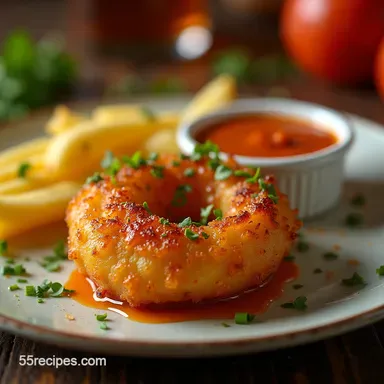
The Exploding Flavour Blooming Onion with Zesty Dipping Sauce
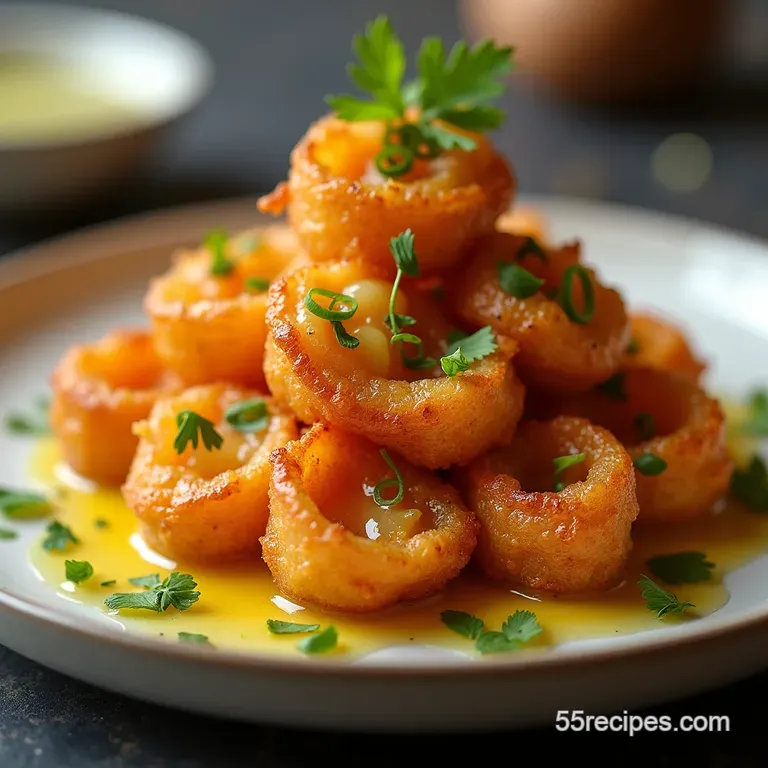
- Why This Homemade Blooming Onion Outshines Restaurant Versions
- Demystifying the Showstopper: What Makes Our Bloom Perfect
- Essential Components for the Ultimate Crispy Blooming Onion
- Curating the Zesty, Tangy Dipping Sauce Base
- The Art of the Cut: Preparing the Onion for Full Opening
- Achieving Perfect Adhesion: The Breading and Coating Sequence
- Deep-Frying Dynamics: Temperature Control for Golden Glory
- Tips and Tricks for Replicating Restaurant Magic at Home
- Creative Flavor Variations for Your Next Blooming Onion
- Recipe FAQs
- 📝 Recipe Card
Why This Homemade Blooming Onion Outshines Restaurant Versions
There is an undeniable magic to the first sight of a perfectly executed Blooming Onion appetizer . It promises texture, savoury depth, and an interactive eating experience.
While many chain restaurants offer this iconic dish, achieving that perfect balance of tender onion interior and shatteringly crisp exterior is often hit or miss. Our approach to this Homemade Blooming Onion removes the guesswork.
We focus meticulously on the initial cut and the adherence of the seasoned crust, ensuring every petal fries up golden, distinct, and intensely flavoured. This isn't just a substitute for dining out; it’s the elevated, deeply satisfying version you’ve always hoped to recreate in your own kitchen.
Demystifying the Showstopper: What Makes Our Bloom Perfect
Creating a truly magnificent Blooming Onion hinges on a few non-negotiable steps that distinguish a greasy flop from a culinary triumph. Our goal is structural integrity meeting flavour saturation.
We achieve this by controlling moisture, maximizing surface area for seasoning, and ensuring the cooking environment is precisely calibrated for quick caramelization and internal steaming.
The Secret to Restaurant Quality Crunch Factor
The key to that signature crunch lies in the coating's composition and its application sequence. We combine standard flour with cornstarch the secret weapon for lightness in our dry dredge. More importantly, the double dredge technique locks this mixture onto the onion's complex surfaces.
By dipping it wet, then dry, then wet again, and finally dry one last time, we build microscopic layers that puff and crisp dramatically when submerged in hot oil, resulting in an unbeatable Crispy Blooming Onion .
Elevating the Classic Appetizer Experience
A great Blooming Onion appetizer should be more than just fried batter; it needs seasoning that penetrates beyond the surface layer. While many recipes rely solely on salt after frying, we incorporate strong aromatics like garlic powder, onion powder, and a subtle hint of oregano directly into the flour mixture.
This ensures that even the deep set petals carry that savory steakhouse flavour, setting this Best Blooming Onion Recipe apart.
Beyond Steakhouse Standards: Our Flavor Profile
While we aim for that familiar, beloved flavour profile deeply savoury, slightly pungent, and utterly comforting we balance it with a proprietary dipping sauce. This isn't a one-note condiment; our Blooming Onion Dipping Sauce Recipe incorporates the sharp bite of horseradish and the tang of Worcestershire sauce alongside creamy mayonnaise and ketchup.
This combination provides a complex, zesty counterpoint that cleanses the palate between rich, fried bites.
Essential Components for the Ultimate Crispy Blooming Onion
To begin crafting this impressive Blooming Onion Outback Style , preparation is just as important as the frying itself. We start with the primary ingredient.
Selecting a large, firm yellow or Spanish onion is vital; smaller onions simply won't offer enough surface area to create the dramatic bloom we are after, and they cook too quickly.
Once selected, the onion must be meticulously peeled, preserving the root end entirely this root acts as the anchor, the hinge that keeps the entire structure intact during the turbulent frying process.
Immediately following the intricate cutting procedure, the onion spends a crucial 30 minutes chilling in ice water. This step doesn't just keep the layers crisp; it helps force the petals apart ever so slightly, preparing them to separate beautifully when they hit the heat.
Curating the Zesty, Tangy Dipping Sauce Base
While the onion is chilling, we turn our attention to the crucial accompanying element: the Blooming Onion Dipping Sauce . The base relies on rich, full fat mayonnaise to provide the necessary creamy texture.
To this foundation, we add the familiar sweetness of ketchup, but we introduce complexity through pungent, prepared horseradish, which offers a distinctive sinus clearing warmth. A dash of Worcestershire sauce adds umami depth, and a touch of your favourite hot sauce brings the heat, all tied together with a dusting of smoked paprika for colour and earthy notes.
Whisking these components together thoroughly ensures a cohesive, zesty dip ready for the moment the onion emerges from the fryer.
Selecting the Ideal Onion for Maximum Bloom Potential
For this project, we require a robust, globe shaped yellow or Spanish onion, ideally weighing around one pound. These varieties offer the best structural integrity and a flavour that sweetens nicely under heat without becoming overly watery.
Avoid overly young, fragile sweet onions; their layers tend to collapse when subjected to the intense heat required for a proper bloom.
Mastering the Spice Blend: Achieving Deep Seasoning
The seasoning blend is the soul of the coating for this Blooming Onion Recipe . We create a generous, aromatic mixture featuring two parts flour to one part cornstarch for that airy crunch.
Key components include smoked or sweet paprika (for deep colour), equal parts garlic powder and onion powder for aromatic intensity, dried oregano for herbaceous undertones, and a controlled 1/2 teaspoon of cayenne pepper to introduce gentle, lingering heat.
Salt and pepper are integrated directly into this dry mixture so that flavour permeates every microscopic edge of the crust.
Necessary Utensils for Precision Cutting and Frying
Success in achieving the perfect bloom requires precision tools. The single most important implement is an extremely sharp, small paring knife. Dull knives tear the delicate layers rather than slicing cleanly, compromising the structure before frying even begins.
For the cooking phase, a heavy bottomed pot or Dutch oven is essential for maintaining stable oil temperature. On top of that,, a reliable deep fry thermometer is non-negotiable; temperature stability dictates whether your Homemade Blooming Onion becomes golden and crisp or soggy and oily.
Related Recipes Worth Trying
- Crispy Onion Blossom Recipe Outback Style at Home — Craving a blooming onion Outback style This onion blossom recipe delivers that crispy pubstyle appetizer at home Get my easy tips for perfect onion petals
- PubStyle chopped steak recipe Easy Onion Gravy — Craving proper comfort food This easy chopped steak recipe with rich onion gravy is like pub grub at home A weeknight winner Get the recipe now
- Best Sausage Peppers and Onions Recipe Italian Street Food — Craving proper Italian street food This sausage peppers and onions recipe is the best Easy sausage peppers and onions ready in under an hour Get the recipe
The Art of the Cut: Preparing the Onion for Full Opening
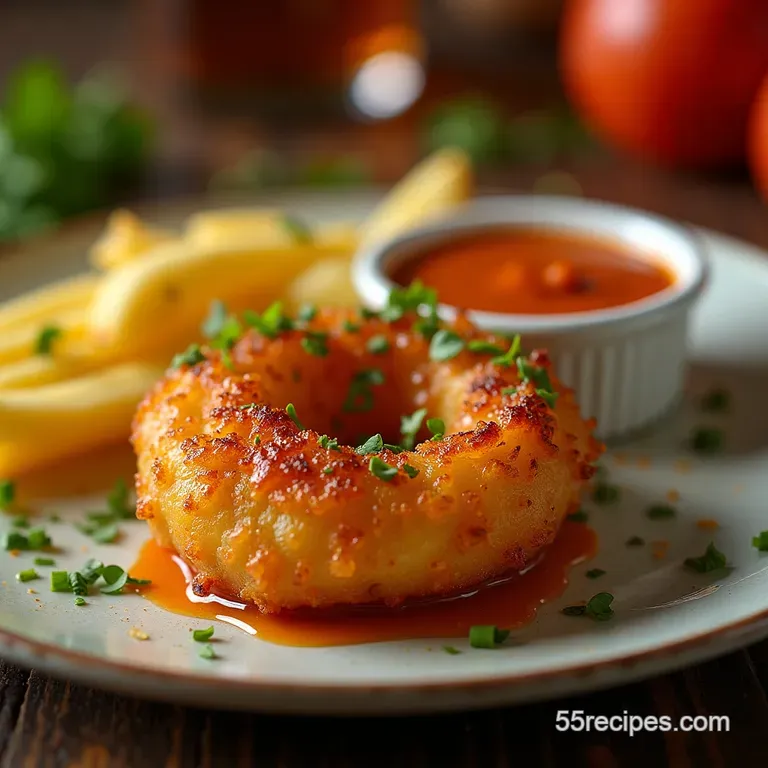
This is where patience earns its reward. After trimming the top stem end slightly to create a flat base, the onion must be positioned root side down. Using the sharp knife, you make vertical cuts, slicing down toward the root but stopping about half an inch before you reach it the root must remain whole to act as the natural hinge.
Aim for 12 to 16 clean cuts around the circumference. For an even more delicate presentation, you can repeat this slicing process halfway between the original cuts, creating smaller, more numerous "petals." After cutting, rinsing under cold water and soaking in ice water is crucial to wash away starch and encourage separation.
Achieving Perfect Adhesion: The Breading and Coating Sequence
Once thoroughly dried from the ice bath a very important step to prevent immediate oil splatter the onion is subjected to the multi stage coating process. The goal is to saturate the tissue with the liquid egg/milk mixture, allowing the seasoned flour to stick aggressively.
We utilize a precise sequence: wet, dry, wet again, and dry finally. The second and final dip in the seasoned flour must involve firm but gentle pressure, ensuring the dry mix is packed deep into the spaces between the petals.
Following this heavy coating, a brief 15-minute chill in the freezer sets the batter structure, ensuring it won't slough off when it meets the hot oil.
Deep Frying Dynamics: Temperature Control for Golden Glory
The cooking phase requires vigilance. A shallow layer of neutral oil vegetable, canola, or peanut must be brought to a steady 325° F ( 160° C) .
This lower temperature is crucial; it allows the internal onion layers to steam and soften sufficiently before the outer coating burns.
Step-by-step Guide to Creating the Petal Separation
Carefully lower the chilled onion, root end first, into the hot oil using a slotted spoon or spider. The initial shock of the heat will begin to force the petals outward. For the first few minutes, use a ladle to gently spoon hot oil over the top, higher petals that may not be submerged, ensuring even cooking and browning.
The Double Dredge Technique for Unbeatable Crispiness
As detailed earlier, the double dredge builds layers. The first coat absorbs moisture and provides texture; the second, light coat adds fresh seasoning and ensures that the subsequent wet layer adheres perfectly before the final flour crust is pressed on.
This engineered crust yields that signature crunch required for a superior Crispy Blooming Onion .
Whipping Up the Signature Zesty Dipping Sauce Fast
While the onion fries, the dipping sauce requires no cooking time. Simply combine one cup of mayonnaise, 1/4 cup ketchup, two tablespoons of drained horseradish, one teaspoon each of Worcestershire sauce and hot sauce, and 1/2 teaspoon of smoked paprika.
A minute of whisking yields the perfect cool, zesty companion to the hot onion.
Safety Tips for Frying Your Bloomed Masterpiece
Deep frying always carries risk. Never allow the oil temperature to exceed 375° F ( 190° C), as it can ignite. Always lower the food slowly and gently into the oil to prevent dangerous splashing. Ensure the onion is well drained of water before lowering it in.
If a flare-up occurs, never use water; turn off the heat immediately and cover the pot with a metal lid.
Tips and Tricks for Replicating Restaurant Magic at Home
Beyond the primary technique, consistency is key. Keep a heat safe resting area a wire rack set over a baking sheet ready near the stove. As soon as the onion comes out of the oil, place it on the rack, allowing oil to drain completely, and immediately hit it with a light sprinkling of fine salt while it’s still sizzling.
This ensures the salt adheres evenly and enhances the overall flavour profile of this incredible Blooming Onion Appetizer .
Creative Flavor Variations for Your Next Blooming Onion
Once you’ve mastered the classic, experimentation is encouraged!
Troubleshooting: Why Your Onion Isn't Opening Correctly
If your onion remains stubbornly closed, the most common culprit is cutting too close to or through the root, which severs the internal structural connection. Alternatively, the onion might not have soaked long enough in ice water, or your batter was too thin, preventing the petals from separating effectively under heat expansion.
Making Ahead and Storage Instructions
This dish is best served immediately. The coating will begin to soften rapidly as it sits. If you must prep ahead, complete the cutting and soaking steps, dry thoroughly, and keep the uncut onion refrigerated.
The breaded and coated onion should be fried within 30 minutes of coating; any longer and the moisture from the onion starts to break down the flour adhesion.
Low-Carb Swaps for the Breading Mix
For those seeking a lighter touch, the all-purpose flour can be successfully swapped for almond flour or a commercial keto friendly flour blend. While the texture will be slightly denser, the flavour profile can be maintained by ensuring you add ample spices to the low-carb flour mixture.
Pairing Suggestions (Beyond Steak and Fries)
This savoury fried creation pairs wonderfully with bold, acidic contrasts. Consider serving it alongside slow cooked pulled pork sliders or a fresh, vinegary shrimp ceviche for a delightful mix of rich and bright flavours.
Recipe FAQs
What’s the trick to cutting the onion so the Blooming Onion actually opens up like a flower?
The secret lies in respecting the root! You must leave about a half inch of the root end completely intact, as this acts as the hinge holding the whole thing together. Make deep, deliberate vertical cuts, rotating the onion, but never slice through that base, or you'll end up with onion petals floating in your fryer oil!
My onion coating keeps falling off in the oil. What am I doing wrong?
That’s usually down to two things: either the onion wasn't dried thoroughly after its ice bath, or you didn't press the flour mixture in hard enough during the dredging process.
After your final flour coating, really pack it into the crevices it needs to form a solid, cohesive crust before it hits the hot fat.
Can I make the dipping sauce ahead of time, or does it need to be made fresh?
Good news, the dipping sauce is actually better made ahead! Whisk everything together and then pop it in the fridge for at least an hour; this allows the flavours to meld together beautifully. It keeps perfectly well in the fridge for up to four days, just give it a good stir before serving.
My Blooming Onion is burning on the outside before the middle is cooked. How do I fix the oil temperature?
You need to lower your heat; the ideal frying temperature for this behemoth is a steady 325°F (160°C). If it's too hot, the coating scorches before the heat penetrates the thick centre. If you don't have a thermometer, drop a tiny speck of batter in if it browns instantly, the oil is too hot!
If I don't want to deep fry, what's the best alternative way to cook this?
If you’re trying to be slightly healthier, the air fryer is your next best bet, though it won't achieve the same dramatic bloom. You must heavily brush the coated onion with oil first to aid crisping.
Cook at around 375°F (190°C), flipping halfway through, until deeply golden, but expect a flatter presentation.
Crispy Blooming Onion