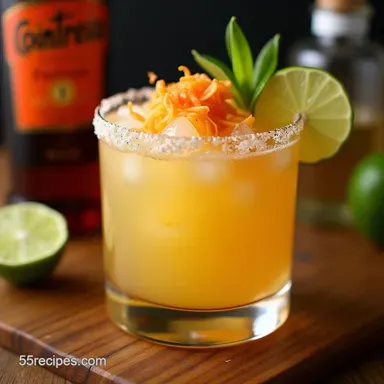
The Ultimate Proper Cointreau Margarita Zest Meets Spirit
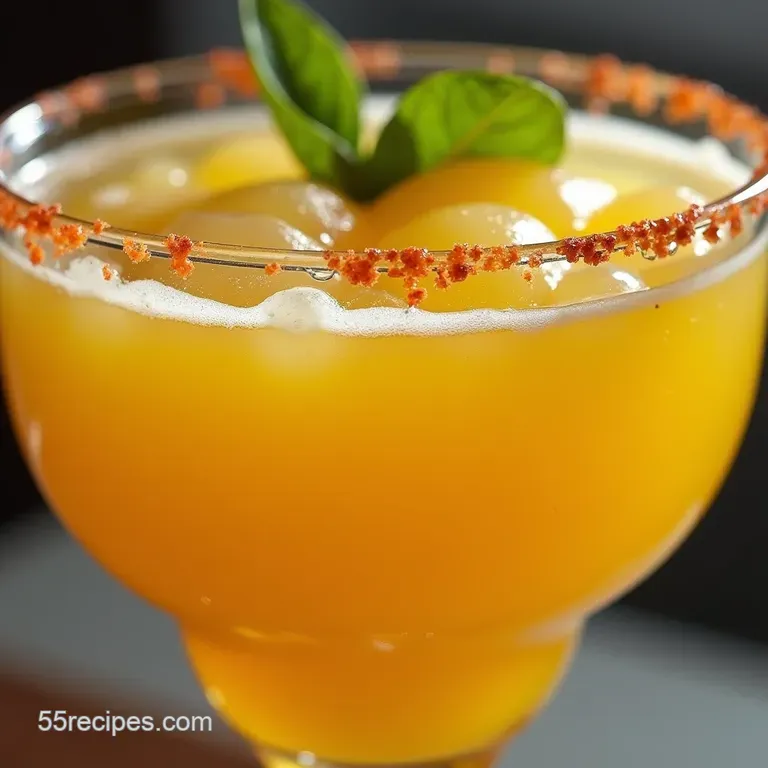
- Elevating Cocktail Hour: Why the Cointreau Margarita Reigns Supreme
- The Anatomy of an Authentic Orange Liqueur Sour
- Curating the Quintessential Cointreau Margarita Toolkit
- Precision Components for Peak Flavor Balance
- Mastering the Technique: Shaking for Optimal Chill and Dilution
- Assembling Your Perfect Cointreau Margarita, Step-by-Step
- Variations and Substitutions for the Classic Recipe Framework
- Troubleshooting Your Home Bar Creations
- Recipe FAQs
- 📝 Recipe Card
Elevating Cocktail Hour: Why the Cointreau Margarita Reigns Supreme
There are cocktails, and then there are iconic cocktails. The Margarita, in its purest form, absolutely belongs in the latter category. But let's be frank: too often, this bright, citrusy staple is butchered with sugary, neon green mixes and low-quality spirits.
When crafted correctly, however, the Margarita transcends mere mixing; it becomes an experience. The Cointreau Margarita is the definitive version of this experience, relying on three fundamental components tequila, lime, and orange liqueur to create a symphony of flavor that is both sophisticated and devastatingly refreshing.
This isn't just a drink; it's the benchmark against which all other tequila based sour cocktails should be measured.
The Anatomy of an Authentic Orange Liqueur Sour
To truly appreciate the complexity of crafting the best Cointreau Margarita , we must understand what makes the authentic version tick. It's a dance between spirit, acid, and sweetener, where every element must be of the highest caliber to sing in harmony.
The goal is brightness, balance, and a clean finish that invites another sip.
Ditching the Mix: Rediscovering True Margarita Purity
Many home bartenders inadvertently sabotage their Margaritas by reaching for pre-made sour mixes. These mixes, often laden with artificial colors and corn syrup, dull the vibrant sharpness needed from fresh lime juice.
The Cointreau Margarita from scratch demands that we prioritize fresh, painstakingly squeezed lime juice. This acidity is the backbone of the sour component, cutting through the richness of the spirit and liqueur, ensuring the final product is zesty rather than syrupy.
The Fragrant French Element: Introducing Cointreau's Role
The defining characteristic of this specific iteration is, naturally, the Cointreau. While other triple secs exist, Cointreau a premium, crystal clear French orange liqueur derived from sweet and bitter orange peels brings a nuanced, floral, and intensely aromatic orange essence.
It integrates seamlessly, providing the necessary sweetness and complex orange oils that elevate the simple sour into something truly distinguished. Understanding the Cointreau Margarita ratio is paramount here; Cointreau acts as both the sweetener and the complex flavor bridge.
Setting the Stage for Sophisticated Sips
When you commit to making an authentic Cointreau Margarita , you are committing to quality across the board. This preparation method relies on letting the quality of the Cointreau Margarita ingredients shine through.
We are aiming for clarity, both visually and flavor wise. Forget the frozen sludge; this is a crisp, shaken cocktail, best served up or on the rocks, demanding respect for the craftsmanship involved in its assembly.
Curating the Quintessential Cointreau Margarita Toolkit
While the ingredient list is surprisingly short, the right tools make the difference between a passable attempt and achieving mastery in how to make Cointreau Margarita . Having your equipment ready prevents speed and sloppiness, which are the enemies of good cocktail crafting.
The fundamental necessities include a reliable cocktail shaker Boston shakers offer the best seal and chilling capacity and a quality jigger for precise measurement. Accuracy is key when dealing with this spirit forward classic. On top of that,, a sturdy citrus juicer is essential.
Attempting to hand squeeze a pound of limes without one is a recipe for frustration and uneven extraction, leading to inconsistent flavor profiles.
Precision Components for Peak Flavor Balance
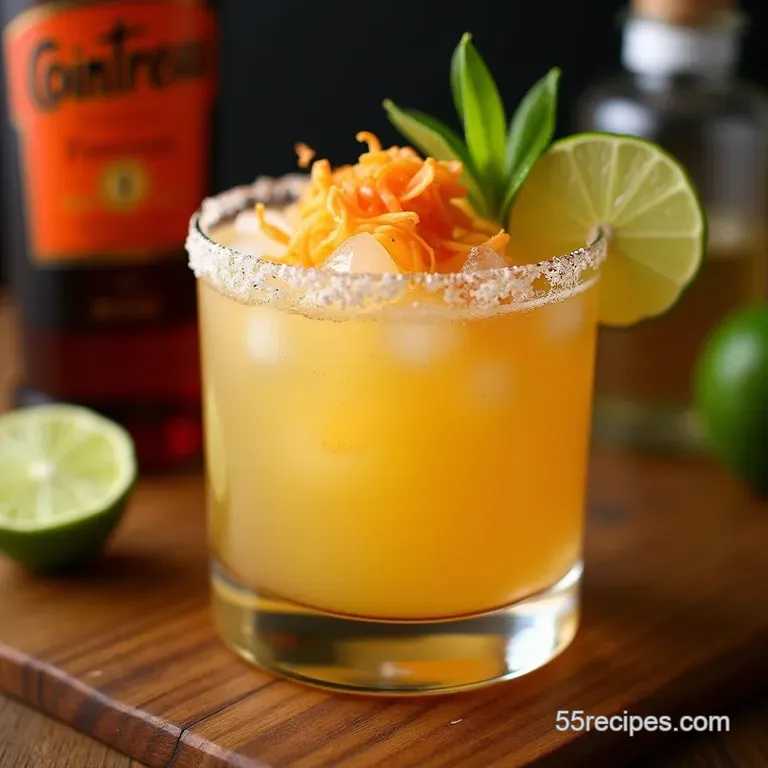
The true secret to making a stunning Cointreau Margarita lies not in exotic additions, but in the meticulous sourcing and preparation of the three core elements.
Selecting the Perfect Tequila Grade
For a bright, clean profile, Blanco (Silver) Tequila made from 100% blue agave is the definitive choice. Blanco retains the raw, vegetal, and peppery characteristics of the agave plant, which harmonize beautifully with the sharp lime.
While Reposado tequila can be used for a warmer profile, the clarity of the Blanco allows the Cointreau and citrus to shine uninhibited. Never settle for anything less than 100% agave content, as mixto tequilas introduce harsh, artificial notes.
The Critical Importance of Freshly Squeezed Citrus
I cannot stress this enough: bottled lime juice is poison to this recipe. The shelf life of citrus oils is fleeting, and bottled versions taste flat and acidic. You must use limes that have been freshly halved and juiced immediately before mixing.
This fresh acidity is what cuts through the alcohol and balances the sweetness, making the entire experience exhilarating rather than heavy.
Garnishes and Rimming Secrets (Beyond Basic Salt)
While standard Kosher salt works well, take a moment to elevate the rim. Try using flaky Maldon sea salt for texture, or mix your salt with a tablespoon of finely grated lime zest and a pinch of chili powder (like Tajín) for a nuanced savory spicy edge.
When salting, remember to only coat the outside edge of the glass rim; salt inside the drink is distracting.
Related Recipes Worth Trying
- Easy & Spicy Strawberry Margarita: A Sweet Summer Twist — Try my refreshing spicy strawberry margarita! This easy cocktail mixes sweet strawberries and a kick of jalapeño. Perfect for summer gatherings!
- Refreshing Ginger Margarita: A Zesty Twist on the Classic — Discover the perfect ginger margarita recipe! With a kick of fresh ginger and lime, it's an easy cocktail for summer or winter gatherings. Cheers to zesty...
Mastering the Technique: Shaking for Optimal Chill and Dilution
The shaking process is not merely about mixing; it is about temperature control and achieving the perfect level of dilution. A Margarita needs sufficient chilling and a small introduction of water (dilution) from melting ice to soften the spirit's alcoholic punch and bind the flavors together.
If you shake weakly or for too short a time, the drink will taste hot, unbalanced, and unpleasant. A proper shake vigorous, until the metal shaker tin becomes heavily frosted ensures the cocktail is bracingly cold and perfectly tempered.
Assembling Your Perfect Cointreau Margarita, step-by-step
When following this Cointreau Margarita recipe , precision ensures repeatable, exceptional results every single time. We are building a masterpiece, one measured pour at a time.
The Chill Factor: Mastering the Ice Technique
Start by chilling your serving glass. If you plan to serve on the rocks, fill the rocks glass with ice while you prepare the cocktail. If serving "up" (without ice), fill the coupe or Nick & Nora glass with ice water and let it sit for several minutes.
Discard the water just before straining the cocktail into the chilled vessel.
The Golden Ratio: Mixing the Spirit, Liqueur, and Lime
For one perfect serving, we adhere to a variation of the classic sour formula. Start by adding 2 ounces of your high-quality Blanco Tequila to the shaker. Next, incorporate the 1 ounce of Cointreau this provides the core orange foundation and sweetness.
Finally, introduce 1 ounce of your freshly squeezed lime juice. If you prefer a slightly sweeter edge that complements the agave notes inherent in the tequila, add between 1/4 to 1/2 ounce of agave nectar or simple syrup, adjusting based on the tartness of your specific batch of limes.
Presentation Matters: Perfecting the Salt Rim Application
Prepare your salt rim mixture on a flat plate. Take your chosen glass and slice a thin wedge of lime. Run the moist edge of the lime around the outside rim only. Gently roll the outside edge of the glass into the salt mixture, applying light pressure to ensure an even, attractive band.
This attention to detail is what separates a good home bartender from an expert creating an authentic Cointreau Margarita .
Variations and Substitutions for the Classic Recipe Framework
While the purist Cointreau Margarita sticks closely to the 2:1:1 (Tequila:Cointreau:Lime) framework, the beauty of a classic lies in its adaptability. You can easily riff on this base structure to suit various palates or occasions.
If you want a deeper, earthier complexity, try swapping the Blanco Tequila for a fine quality Añejo, which has spent time in oak barrels, adding notes of vanilla and caramel.
For those avoiding alcohol entirely, the Cointreau Margarita framework can be adapted into a mocktail by substituting the tequila with a non-alcoholic spirit alternative and replacing the Cointreau with a high-quality, unsweetened orange extract mixed with a splash of fresh orange juice and simple syrup to mimic the body.
Troubleshooting Your Home Bar Creations
Even experts run into hiccups. Knowing how to correct common issues is vital when trying to achieve that perfect flavor profile.
Exploring dairy-free Citrus Pairings (Mocktail Options Included)
If you are creating a vegan or dairy-free variation (which Margaritas inherently are, unless you are making a creamy frozen version), ensure your sweetener is plant based (agave or cane sugar syrup).
For mocktails, use a combination of fresh orange juice, lime juice, a small dash of orange blossom water for aroma, and a high-quality non-alcoholic tequila substitute.
Optimal Storage Tips for Batch Preparations
If you plan to batch this recipe for a party, mix the tequila, Cointreau, and agave/syrup ahead of time. Store this base mixture in an airtight container in the refrigerator for up to a week. Crucially, do not add the fresh lime juice until the moment you are ready to serve.
The fresh citrus should only meet ice and the shaker just before pouring to maintain its bright zest.
Adjusting Sweetness: When to Incorporate Agave Nectar
Agave nectar is often the sweetener of choice because its source material matches the spirit. If your lime juice is exceptionally tart perhaps from older limes you may need to creep up toward that 1/2 ounce measure of nectar.
Conversely, if your Cointreau batch is sweeter than expected, you can entirely omit the added sweetener, relying only on the liqueur for balance. Always taste the final mixed contents in the shaker before adding ice to test for sweetness.
The Shelf Life of Cointreau and Premium Spirits
Both Cointreau and quality Tequila have very long shelf lives when sealed, thanks to their high alcohol content. Once opened, they should be stored away from direct sunlight. While they won't "spoil," the nuances of the flavor profile can dull over many months or years.
For the absolute best Cointreau Margarita , aim to use your spirits within a year of opening. Freshness is just as important for your base spirits as it is for your citrus.
Recipe FAQs
What is the secret to making a truly 'proper' Cointreau Margarita that isn't too sweet?
The trick lies in the balance and quality of your ingredients think of it as making a decent cup of tea, precision matters! Always use freshly squeezed lime juice, as bottled stuff throws the whole ratio off.
We only add a small amount of agave nectar (or simple syrup) because the Cointreau itself brings sweetness, so taste and adjust as you go.
Do I really need to shake this Cointreau Margarita so hard, or can I just stir it?
You absolutely must shake it vigorously, mate! Shaking serves two vital purposes: first, it chills the drink right down to that perfect icy temperature, and second, it properly aerates and dilutes the mixture, which smooths out the sharp edges of the tequila.
Stirring simply won't achieve that required frostiness and texture.
My limes are usually quite tart; how do I adjust the recipe if my fresh lime juice makes the Cointreau Margarita too sour?
That’s a cracking question limes are terribly inconsistent! If your juice is particularly sharp, don't just throw in more syrup, as that can sweeten it too much. Try adding a dash more Cointreau, as it provides flavour alongside sweetness, or just use a little less lime juice than the recipe calls for initially, tasting as you measure.
Can I make a big batch of this Cointreau Margarita for a party, and how should I store it?
Absolutely, scaling this up is straightforward just multiply the ingredient ratios! However, never premix the citrus juice with the alcohol if you plan to store it for more than an hour.
It’s best to mix the tequila and Cointreau ahead of time, then add the fresh lime juice and agave just before shaking individual servings for your guests.
What type of tequila works best in a Cointreau Margarita recipe like this one?
For this recipe, which focuses on the brightness of the citrus and the orange notes of the Cointreau, a good quality 100% Agave Blanco (or Silver) tequila is the traditional choice. Its crisp, unaged profile lets the other premium ingredients shine through; avoid anything that tastes overly sweet or has additives.
I’m not keen on salt on the rim; what’s an alternative garnish for my Cointreau Margarita?
If salt isn't your cup of tea, you can easily skip it, or you could try a sugar rim for a slightly sweeter edge just use fine caster sugar instead of salt. Alternatively, keep the rim bare and garnish with a fancy dehydrated lime wheel or a twist of orange zest to really bring out the Cointreau’s aroma.
Perfect Cointreau Margarita Recipe