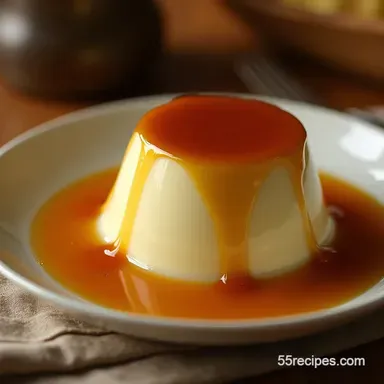
Silky Smooth Crème Caramel the Classic Vanilla Custard with Molten Amber Topping
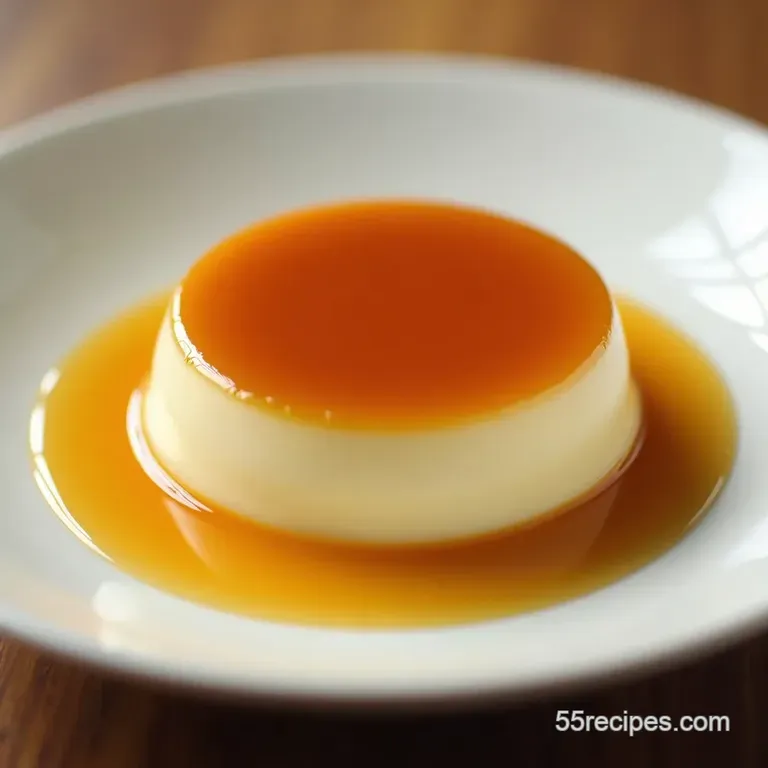
- Unlocking the Secrets to a Truly Sensational Silken Custard
- Why This Wobbly Dessert Deserves Center Stage
- Curating Your Cast of Creamy Components
- Phase One: Crafting the Bubbly Bittersweet Caramel Base
- Phase Two: Tempering Perfection for Silky Custard Batter
- Phase Three: The Gentle Art of Water Bath Baking
- Troubleshooting: Fixing Common Crème Caramel Catastrophes
- Elevating Your Dessert: Creative Flavor Infusions
- Storing and Serving Your Magnificent Molds
- Recipe FAQs
- 📝 Recipe Card
Unlocking the Secrets to a Truly Sensational Silken Custard
There are few desserts that carry the weight of history and sophistication quite like Crème Caramel . It is the ultimate test of a pastry chef's patience and precision a dessert where simplicity of ingredients belies the finesse required for execution.
Forget complicated layers or excessive decoration; this timeless French classic relies entirely on achieving a transcendent texture: that perfect, delicate jiggle that signals utter success.
We are setting out today to demystify this elegant creation, transforming what many consider an intimidating undertaking into an achievable, show stopping homemade Creme Caramel . Prepare your ingredients, because we are moving beyond simple recipes and aiming for perfection in every wobble.
Why This Wobbly Dessert Deserves Center Stage
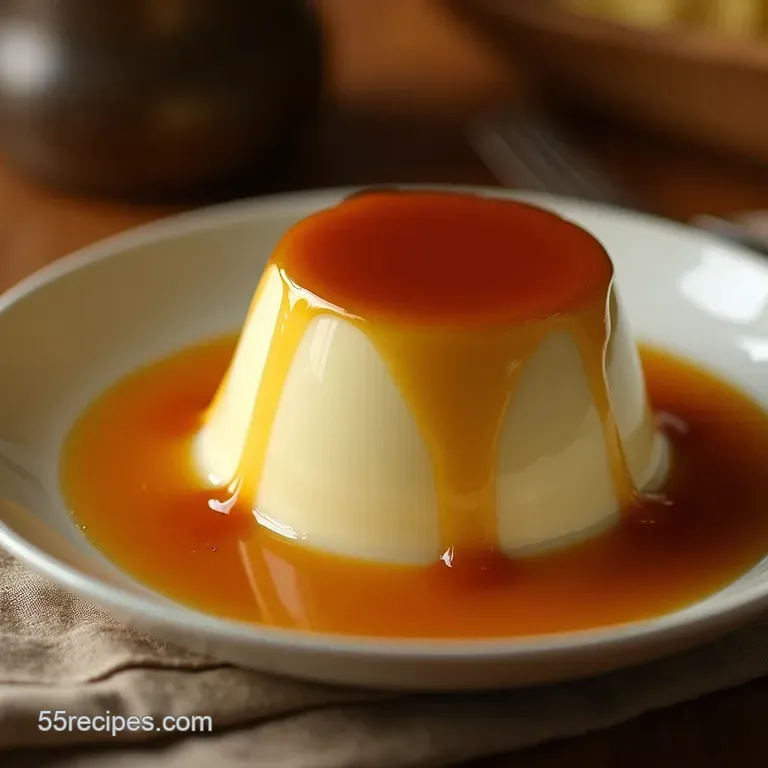
This caramel pudding recipe stands proudly on the dessert table not just for its flavor, but for its inherent drama. The moment the mold is inverted, revealing that shimmering amber cascade flowing over the pale, creamy base, it commands attention.
It is rich without being cloying, sweet yet perfectly balanced by the slight bitterness of the caramel. If you're looking for an easy creme caramel that still tastes like it took days, you've found your destination.
The Allure of the Amber Drip: A French Classic Explained
The classic Creme Caramel is essentially a baked custard bathed in its own sweet sauce. The key difference between this beloved French preparation and its global cousins lies in how the sugar is treated.
Here, the sugar is transformed into liquid caramel before the custard is added to the mold. When baked in a gentle water bath (or bain marie ), the caramel liquefies slightly and mixes with the dairy released during baking, creating the signature, glistening sauce.
This specific methodology ensures that glorious, unbroken flow when served.
Mastering the Delicate Balance: Texture vs. Sweetness
Our goal is to create a truly silky custard recipe . This requires restraint. Too much heat, or too much air incorporated during mixing, results in a porous, rubbery texture. We want density, smoothness, and that signature slight tremble.
The ratio of eggs to dairy is critical here; using both whole eggs and extra yolks adds richness and structure without making the final product too heavy, ensuring that satisfying, yet delicate, mouthfeel.
Crème Caramel vs. Brûlée: Understanding the Distinction
It is important to differentiate between similar desserts. The comparison often arises between creme caramel vs creme brulee . The fundamental difference is the application of the sugar.
Crème Brûlée involves sprinkling raw sugar directly onto the chilled, finished custard and then torching it just before serving to create a hard, crackable crust. Conversely, Crème Caramel utilizes a liquid caramel base poured into the mold first, which then becomes the sauce upon unmolding.
On top of that,, Crème Caramel is baked in a water bath, while Crème Brûlée is often baked without one. While both are divine, the textural journey of a Creme Caramel is distinctly softer and more fluid.
Curating Your Cast of Creamy Components
The ingredients for this dessert are few, which means the quality of each component shines through brilliantly. For our recipe, designed to serve six individual ramekins, we begin with a base of 2 cups of whole milk combined with 1 cup of heavy cream.
This blend provides the ideal fat content necessary for a truly luscious result. We require 4 whole large eggs and 2 extra large egg yolks to give the custard structure, and ½ cup of granulated sugar to sweeten the base itself, distinct from the sugar used for the topping.
Selecting Dairy That Promises Unforgettable Smoothness
When developing a creme caramel recipe with condensed milk is an option for easier preparation, but for this classic take, we are sticking to fresh dairy. The combination of whole milk and heavy cream ensures the custard is rich enough to hold its shape beautifully yet light enough to melt on the tongue.
Using anything less than full fat dairy will compromise the luxurious mouthfeel we are aiming for.
The Golden Ratio: Measuring Sugar for Both Sauce and Set
Sugar plays two distinct roles here. For the caramel topping, we will use 1 full cup (200g) of granulated sugar combined with ¼ cup of water. This must be caramelized deeply enough to achieve that necessary bittersweet note to cut through the richness of the dairy.
Inside the custard, the ½ cup (100g) of sugar is just enough to complement the eggs and dairy without overpowering the delicate vanilla.
Why Vanilla Bean Paste Trumps Extract in This Recipe
While a teaspoon of high-quality vanilla extract will suffice, for true aromatic depth, I highly recommend using one split and scraped vanilla bean. Infusing the warm milk and cream mixture with the actual seeds and allowing them to steep for 15 minutes before proceeding imparts a visual flecked beauty and a complexity that extract simply cannot match in a classic Creme Caramel .
Phase One: Crafting the Bubbly Bittersweet Caramel Base
This is where your attention must be absolute. Place 1 cup of granulated sugar and ¼ cup of water into a small, heavy bottomed saucepan. Heat gently over medium heat, swirling the pan occasionally, but do not stir with a utensil . Stirring introduces the risk of premature crystallization.
Allow the mixture to come to a boil.
Achieving Deep Color Without Crossing into Burnt Territory
Continue to boil, watching closely. The mixture will first boil clear, then begin to bubble more vigorously, and finally, it will start turning amber at the edges. We are aiming for a deep, rich mahogany, the colour of an old penny, which signals that perfect bittersweet flavour.
As soon as you hit that shade and I mean instantly —remove the pan from the heat. Immediately and carefully pour the molten sugar evenly into the bottom of your six prepared ramekins. Tilt and swirl each ramekin quickly to create a thin, even coat across the base.
The caramel will harden almost immediately. Set these aside while you prepare the custard.
Related Recipes Worth Trying
- Scrumptious Salted Caramel Gelato: A Deliciously Easy Homemade Treat — Indulge in the rich flavors of salted caramel gelato! Easy to make, this creamy dessert is the perfect summer indulgence. Check out my recipe!
- Delightfully Creamy Caramel Apple Jam Recipe: A Taste of Autumn — Discover my cherished caramel apple jam recipe! This homemade caramel apple jam is the ideal fall treat, delicious on toast or as a topping.
- Decadent Chocolate Candies with Caramel: A Sweet Indulgence — Craving chocolate candies with caramel? Whip up these easy treats with buttery caramel centers and rich chocolate coatings. Perfect for sharing or indulging!
Phase Two: Tempering Perfection for Silky Custard Batter
Begin by gently warming your milk and cream mixture in a saucepan until it is steaming hot, but absolutely avoid a full boil. If you used a vanilla bean, steep it now, then remove it.
While the dairy warms, whisk together the 4 whole eggs, 2 extra yolks, the ½ cup of sugar, and your vanilla source in a separate large bowl. Whisk gently until the sugar is dissolved and the mixture is uniform; the critical rule here is to avoid incorporating air bubbles, which cause porosity in the final set.
To temper, slowly ladle about one cup of the hot milk mixture into the egg mixture while whisking constantly and gently. This slow introduction raises the temperature of the eggs gradually. Once tempered, pour the remaining warm dairy into the egg mixture, still whisking minimally.
The Slow Fold: Incorporating Eggs Without Introducing Air
The incorporation of the eggs must be done delicately. Vigorous whisking introduces air, which rises to the surface during baking, leading to unpleasant pockets in your silky custard recipe . We want density, not froth.
This gentle approach is vital to achieving the correct texture for the creme caramel recipe .
Phase Three: The Gentle Art of Water Bath Baking
Preheat your oven to a moderate 325° F ( 160° C). Arrange your six caramel lined ramekins inside a large, deep roasting pan. Next, carefully strain your entire custard mixture through a fine mesh sieve into a clean bowl or large measuring jug.
This step is non-negotiable; it catches any stray bits of cooked egg or vanilla pod material, guaranteeing a flawless texture. Skim off any surface bubbles that may have formed.
Carefully divide the strained custard evenly among the prepared ramekins. Now, place the entire roasting pan onto the oven rack. The final, crucial step is adding the water bath. Pour boiling water directly into the roasting pan until it reaches halfway up the sides of the ramekins.
Calculating Bath Temperature for Even Cooking
The bain marie ensures that the custards cook gently and evenly through conductive heat from the water, preventing the edges from overcooking before the centre sets. Bake for approximately 50 to 60 minutes.
The custards are done when the edges are firm, but the centre still retains a definite, gentle wobble when the pan is lightly nudged.
Troubleshooting: Fixing Common Crème Caramel Catastrophes
While we strive for perfection, mishaps happen. The most common issue is a grainy texture. This usually stems from the custard mixture getting too hot before or during baking.
When Custard Turns Grainy: Diagnosis and Recovery Tips
If you discover graininess after cooling, unfortunately, the texture cannot be fully recovered, as the proteins have curdled. The best recovery is to serve it immediately it will still taste sweet, though the texture won't be perfect.
To avoid this next time, always use the water bath, ensure your oven temperature is accurate, and never let the milk boil when heating it. For a smoother result, always remember to strain the batter through the finest sieve you own.
Elevating Your Dessert: Creative Flavor Infusions
While the classic Creme Caramel is perfect in its vanilla simplicity, this base is a wonderful canvas for experimentation. For a sophisticated twist, try infusing the warming milk and cream with citrus zest use the zest of a single orange or lemon, ensuring you avoid the bitter white pith.
For coffee lovers, dissolve a teaspoon of finely ground espresso powder into the warm dairy before adding it to the eggs. These subtle shifts create exciting new dimensions without masking the core appeal of this elegant dessert.
Storing and Serving Your Magnificent Molds
Once baked, allow the custards to cool slightly in the water bath before carefully lifting them out. Cover each ramekin tightly with plastic wrap and transfer them to the refrigerator.
While you can technically unmold them after 4 hours, the flavor and structure benefit immensely from a longer rest.
The Overnight Chill: How Longer to Set for the Perfect Release
I strongly recommend chilling your Creme Caramel for a full 8 hours, or preferably overnight. This extended chill time firms up the custard sufficiently to withstand the inversion process, ensuring that the delicate structure doesn't collapse when released.
Serving Suggestions: Citrus Twists and Toasted Almond Garnishes
To serve, take a thin, flexible offset spatula or small knife and gently run it around the inner edge of the ramekin to loosen the custard from the sides. Place your serving plate upside down over the ramekin opening. With a confident grip on both the plate and the ramekin, swiftly invert the entire assembly.
Allow it to sit inverted for about 30 seconds; this gives the caramel a moment to flow. Gently lift the ramekin to reveal that glorious, glistening sauce draping the perfect wobbly custard.
For an extra flourish, garnish with a few toasted, slivered almonds or a small spoonful of tart berries to contrast the sweetness of the caramel and the richness of the custard. Enjoy the result of your patient work you’ve mastered the art of the Creme Caramel recipe !
Recipe FAQs
Why is my Crème Caramel splitting or looking grainy instead of silky smooth?
This usually happens for two main reasons: either you whisked the eggs too vigorously, introducing too much air, or the water bath (bain marie) got too hot during baking. Always sieve the custard mixture at least once, and ensure the water bath simmers gently, never boils rapidly, for that flawless, velvety texture.
My caramel turned dark brown, but now it’s hardening in the pan! What did I do wrong?
Sounds like you might have let the sugar go a tad too far past the amber stage, or perhaps it started to crystallize early on. For the best flavour, you want a deep, coppery colour not quite burnt, but definitely dark!
Have your ramekins warmed slightly before pouring the caramel in, and work quickly once it hits that perfect shade.
How can I ensure my Crème Caramel unmolds perfectly without tearing the custard?
Patience is your best mate here; the custard must be thoroughly chilled ideally overnight to firm up properly. Before flipping, run a thin, flexible knife or offset spatula gently around the inside edge to ensure it’s completely free from the ramekin wall.
Then, a quick flip onto a cold plate should do the trick!
Can I make this dessert ahead of time, or does it need to be served straight from the oven?
Absolutely, this dessert shines when made ahead! In fact, chilling for at least 4 hours is mandatory for setting, but overnight is far superior. This allows the flavours to meld beautifully and guarantees the custard has the structural integrity needed for a successful unmolding.
I’m trying to cut down on fat; can I use skimmed milk instead of whole milk and cream?
While you can certainly swap out some of the milk, I wouldn't recommend going completely fat-free, as the fat content is crucial for achieving that rich, creamy mouthfeel. If you must reduce it, try substituting half the heavy cream with full fat canned coconut milk for richness, but pure skimmed milk will result in a watery, rubbery custard not what we want for a proper pudding!
Silky Classic Creme Caramel