Tomato Paste the Umami Bomb Slowroasted Recipe
Why Homemade Tomato Paste is Worth the Wait
Listen, I’m going to be straight with you: making your own tomato paste is a commitment. It’s not a quick weeknight project. This is a weekend project, the kind where you put on a good podcast or maybe a terrible movie, and just let the kitchen do its thing.
Why bother? Because the difference between the stuff you squeeze out of a metallic tube and the deep, dark, intensely flavoured concentrate you make yourself is literally night and day. The tube stuff is fine for a Tuesday night chilli when you just need a hint of something red.
But if you want a deeply savoury, almost meaty background note in your ragu or your pot roast? You need the homemade stuff. It’s an umami bomb, pure and simple, and once you taste it, you can’t go back. This process takes time, but it takes nearly zero active effort. It’s brilliant.
Defining the Umami Difference: Flavor vs. Filler
Have you ever wondered why commercial tomato paste tastes sort of… thin? That’s because it’s often cooked quickly and heavily processed to meet volume demands. Our goal, when we make homemade tomato paste , is to cook it down so slowly that the natural sugars caramelize and the proteins (yes, tomatoes have some) react with those sugars to create Maillard perfection.
This Maillard reaction is the magic word here. It’s what gives seared steak its crust and roasted vegetables their sweetness. In tomatoes, it gives the paste that deep, earthy, slightly sweet flavour that the Italians call sapore (taste, flavour, and savoury depth all rolled into one).
Store and bought paste often relies on acidic sharpness to cover up its lack of true depth. We skip the sharpness and go straight for the gut and punch of flavour.
The Traditional Method: Embracing the Slow Reduction
I know some recipes online try to cheat this process. They suggest using a high heat and stirring constantly for an hour. I tried that once. I ended up with a gorgeous, caramelized crust of tomato stuck permanently to the bottom of my Le Creuset, and the rest tasted slightly burned. Never again.
The traditional method (and the only one I trust now) uses a two and stage process. First, we break the tomatoes down thoroughly on the stovetop. This is necessary to separate the pulp from the skins and seeds. Second, and crucially, we move the strained puree to the oven for a long, slow roast. Why the oven?
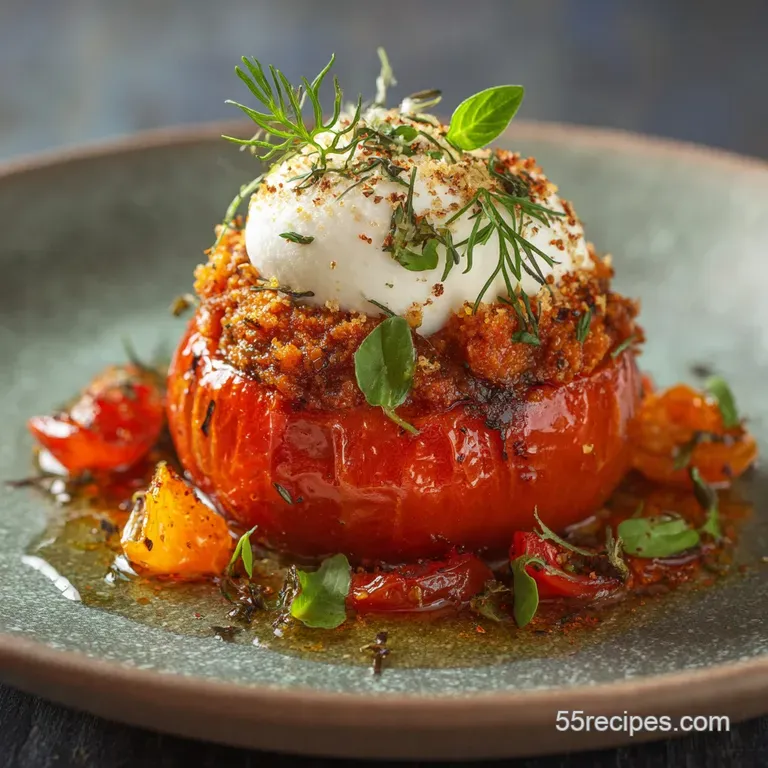
Because it provides gentle, even heat from all sides, drastically reducing the risk of scorching that happens when direct heat hits the base of a saucepan. It transforms the puree into proper, thick, dark red slow and roasted tomato paste .
Moving Beyond the Tube: Culinary Applications of Real Paste
Okay, so you’ve spent half a day tending this glorious thing. Now what? You don't treat this the same way you treat the tube. You treat this like gold.
Think about how you usually start a sauce. You sweat onions, maybe garlic. Before adding wine or crushed tomatoes, you should always bloom your tomato paste. This means heating a tablespoon of the paste in olive oil until it darkens a shade and smells deeply fragrant (about 3– 5 minutes).
This step is essential for unlocking that full umami potential.
| Application | Why Homemade Works Better |
|---|---|
| Bolognese/Ragu | Provides a richness and depth of colour that lasts through a multi and hour simmer. |
| Soup Base | Just a teaspoon makes the difference between thin broth and a velvety mouthfeel. |
| Vinaigrettes | A tiny bit dissolved in warm water adds sweetness and body to salad dressing. |
If you’re wondering about the tomato paste to sauce ratio , start low. For a standard 6 cup batch of sauce, I use maybe 2 tablespoons of this homemade paste, compared to the 4 or 5 I might use of the watery store and bought stuff. It's that concentrated.
Essential Ingredients and Tools for the Perfect Batch
Making this paste isn't about complexity; it's about concentration. And concentration starts with the right stuff.
Selecting the Best Tomatoes for Optimal Flavor Density
Please, do not try to use your giant, beautiful, watery beefsteak tomatoes for this. They are amazing for slicing, terrible for paste. When you are looking for tomatoes for this tomato paste recipe , you need low and water, high and meat varieties.
My absolute favourite are San Marzano tomatoes, especially the ones grown in the volcanic soil of Italy (yes, even if I have to buy them canned, they are fantastic). If you’re buying fresh, look for meaty Roma or plum tomatoes.
They have fewer seeds, less jelly and like liquid, and a higher ratio of sweet pulp, which means less cooking time for you and a higher yield of thick paste. If your tomatoes feel heavy for their size, you’ve hit the jackpot.
Balancing Acidity: Salt, Sugar, and the Secret Ingredient
Tomatoes are inherently acidic, even the sweet ones. The long cooking process concentrates that acidity, and we need to counteract it so the final product isn't sharp or metallic.
We use salt, obviously, because salt is flavour's best friend. And we add a small touch of sugar (granulated is fine). Don’t panic, this isn't making candy; it's just helping the reduction along and balancing the pucker .
My secret ingredient? Garlic. But not minced garlic that burns. I toss in four whole, smashed cloves during the initial simmer and pull them out before straining. They lend an aromatic, subtle sweetness to the entire batch without making it taste explicitly "garlicky."
Non and Negotiable Equipment for Reduction and Roasting
You can technically make this with just a stockpot and a strainer, but honestly, there are two pieces of equipment that make this job 90% easier.
- A Food Mill: If you don't have one, get one. I resisted for years, using a fine mesh sieve and pressing the pulp through with the back of a ladle. It was messy, exhausting, and I lost half the batch over the counter. A food mill separates the cooked pulp from the skins and seeds perfectly, instantly, and saves you an hour of scrubbing and cursing.
- A Silicone Baking Mat: I cannot stress this enough. During that final, crucial oven reduction, the highly concentrated tomato sugars will try to weld themselves to your baking sheet. A silicone mat (or good quality parchment paper) prevents this entirely. You will be able to scrape up every last millimetre of that expensive, beautiful paste.
Related Recipes Worth Trying
- Feta Cheese Dishes UltraCreamy Whipped Feta Roasted Tomatoes — Looking for new Feta Cheese Dishes This ultracreamy tangy Whipped Feta is the Mediterranean answer to hummus Its an easy feta appetizer perfect for mezze...
- The Best Pioneer Woman Salsa Recipe Smokey Roasted Tomatoes — Get the authentic deep flavour of Pioneer Woman Salsa with fresh tomatoes using our easy broiling trick Rustic chunky and the perfect dip for any shindig
- Homemade Tomato Pizza Recipe The SunDrenched San Marzano Pie — This is a proper Fresh Tomato Pizza recipe built for flavour Get that perfect rustic chewy crust and a vivid San Marzano sauce that sings of summer Skip the...
Mastering the Two and Stage Cooking Process
This is where the magic happens. We are going to gently coax the water out of these tomatoes and turn them into dense, glorious flavour packets.
The Stovetop Initiation: Reducing the Tomato Liquid
The first stage is all about breaking down the cell walls. We start by blooming those aromatics a little olive oil, the smashed garlic, and oregano (if you’re feeling it). This sets the baseline flavour. Then, add the chopped tomatoes, salt, and sugar.
We need a very slow simmer here, covered loosely to allow some steam escape but keep the heat in. This isn't soup; we're essentially steaming the tomatoes in their own liquid. After 90 minutes, those tomatoes should be completely collapsed, soft, and soupy. Remove the garlic.
This entire mixture then needs to be passed through your food mill or sieve. Discard the solids (skins and seeds). What you are left with is a smooth, vibrant, liquid puree this is the starting point for the serious reduction.
Preparing the Paste for the Long, Slow Roast
Once strained, you have to realize you have eliminated a huge amount of fibrous material, but you haven’t eliminated the water. That’s the oven’s job.
Preheat the oven to 300°F (150°C). This is key. We want low, steady heat. Get that baking sheet lined with the silicone mat. Pour the puree onto the tray and spread it out. You want a relatively thin layer, maybe half an inch thick.
The goal is maximum surface area exposure so that water can evaporate quickly and evenly without the base catching. If you pile it too thick, the outside will burn before the middle dries out.
Achieving Deep Color: Oven Temperature and Timing Secrets
We are baking the water out of the puree. You’ll notice in the first hour that the edges of the paste start to firm up first this is where the water is leaving fastest.
After that first hour, pull the tray out. Use your spatula to scrape those thicker edges into the middle, mixing everything up. This ensures an even concentration of the colour and flavour. Then, spread it back out. Return it to the oven for the final reduction.
When is it done? This is critical. You are not looking for liquid. You are looking for a dense, pliable mass. It should be a deep, rich maroon colour, significantly darker than when it started, and when you push it with a spatula, it should hold its shape perfectly.
The entire process takes between 1.5 to 2 hours of baking time. If you can hear sizzling or see actual steam coming off it when you take it out, it needs five or ten minutes more.
Quality Control: Knowing When Your Tomato Paste is Finished
When the paste is finished, it should feel tacky but not wet. If it's too wet, it won’t store well, as residual moisture encourages spoilage. If it’s too dark, you’ve scorched the sugars and it will taste bitter (that’s why we stir it midway!).
The absolute best way to check: scrape a small, cooled blob off the tray. If you can roll it into a dense, solid ball in your hand, you're done. Give it a tiny taste test. It should be intensely savoury, slightly sweet, and gloriously concentrated.
That, my friends, is pure concentrated goodness .
Maximizing Shelf Life and Flavor Potential
You put in the effort, so let's make sure this gorgeous homemade tomato paste lasts long enough to save all your weeknight dinners.
Storage Solutions: Freezing vs. Canning Your Homemade Paste
I generally advise against traditional water and bath canning for paste unless you are a canning expert and have accurately tested the pH level because it's so low in water, it can be tricky. Freezing is the winner here.
- Freezing: This is my go and to. Scoop 1 tablespoon portions onto a parchment and lined cookie sheet. Freeze them solid, then transfer the frozen pucks into a heavy and duty freezer bag. They store beautifully for 6 8 months, and you can grab exactly what you need for a recipe without defrosting the entire batch.
- Refrigeration (Short Term): Pack the paste into sterilized jars. The critical trick is to cover the top of the paste completely with a layer of olive oil (a quarter and inch thick). This creates an airtight seal and dramatically extends the refrigerated shelf life to about 3 4 weeks.
Troubleshooting Common Issues (Too Thin or Scorched)
It’s too thin! Easy fix. If you pulled it out of the oven and realized it’s still more like thick sauce than paste, just return it to the 300°F oven for another 20– 30 minutes, stirring every 10 minutes until it firms up.
The edges are dark and sticky! You might have had your oven too high, or you forgot to stir it down from the edges. If the sticky bits taste fine (caramelized and sweet), stir them in.
If they taste burnt (bitter or acrid), scrape those scorched bits off the tray and discard them before stirring the rest of the paste. You don't want to ruin the whole batch over a few burnt edges.
Flavor Variations: Creating Spiced or Smoked Tomato Paste
Once you master the basic how to make tomato paste technique, you can get creative. Remember, the paste is a flavour vessel, ready to absorb spices.
Here are a few variations I love:
- Add 1 tablespoon of good and quality smoked paprika to the tomatoes right before they go into the oven. The resulting paste has an incredible, subtle smokiness, perfect for chillies or barbecue rubs.
- If you love heat, stir in a teaspoon of dried chilli flakes and a half teaspoon of fennel seeds (crushed) during the initial stovetop simmer.
Nutritional Breakdown: The Concentrated Goodness
We lose water, but we gain concentration. Making your own paste means you control the salt and sugar entirely, avoiding the fillers often found in commercial brands. Because the tomatoes cook down so thoroughly, the lycopene (that wonderful antioxidant) becomes highly bioavailable, meaning your body can absorb and utilize it much more easily.
It’s dense, nutritious, and absolutely packed with fibre and vitamins. It truly is concentrated goodness, and the foundation for amazing cooking. Now go forth and make an umami bomb recipe !
Recipe FAQs
How should I store this homemade Tomato Paste? Does it keep well?
For short term storage (up to three weeks), pack the paste tightly into a sterilised jar and pour a thin layer of olive oil over the surface this acts like a proper seal, keeping oxygen out.
For long term use, scoop 1-tablespoon portions onto a lined tray and freeze them until solid, then pop the frozen ‘pucks’ into an airtight bag for up to six months.
Is homemade paste truly worth the proper graft compared to the tube from the supermarket?
Absolutely; the long, slow reduction is the secret weapon, concentrating natural sugars and developing a rich, deeply savoury umami flavour that is far less metallic than commercial options. It acts as a powerful game changer, giving your sauces and stews a real depth of flavour that store-bought simply cannot match.
My tomato paste is starting to burn on the edges in the oven! What went wrong?
Burning usually happens if your oven temperature is too high, or if the layer of paste is unevenly thin; ensure you use parchment paper and rigorously scrape the edges back into the centre every hour during the slow bake. If it still threatens to scorch, reduce the heat by 25°F/10°C.
Are Roma or San Marzano tomatoes essential, or can I use tinned tomatoes?
Meaty varieties like Roma or San Marzano are best as they have a low water content, giving you a better yield, but if they are out of season, high-quality tinned whole peeled tomatoes are a perfect substitution. Just ensure you drain the canning liquid thoroughly before beginning the initial simmer.
Can I add different herbs or spices to vary the flavour?
Yes, certainly; for a Mediterranean twist, simmer with a bouquet garni of rosemary and thyme, or for a kick, stir in a spoonful of dried chilli flakes during the initial sauté phase to create a spicy Calabrian style paste.
Slowroasted Homemade Tomato Paste Recipe
Ingredients:
Instructions:
Nutrition Facts:
| Calories | 20 kcal |
|---|---|
| Fat | 1 g |
| Fiber | 1 g |
