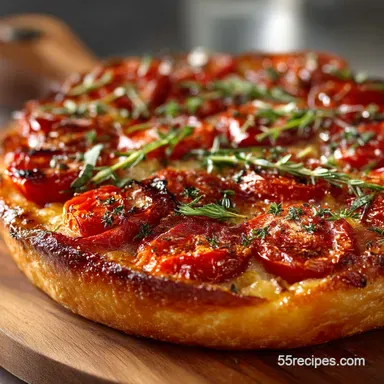
The Sundrenched San Marzano Pizza with Fresh Heritage Tomatoes
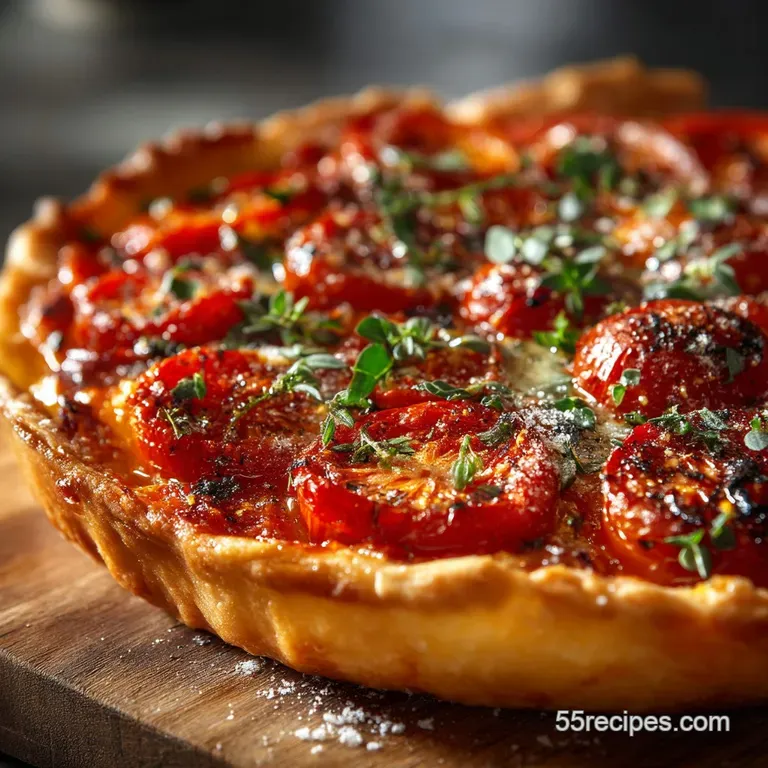
- Moving Beyond the Marinara: Celebrating the Perfect Tomato Pizza
- Essential Shopping List for the Ultimate Tomato Pizza Foundation
- Elevating Flavor: Secondary Ingredients That Make the Difference
- Mastering the Dough: Kneading, Proofing, and Patience
- The Art of the Crush: Crafting the Vibrant Tomato Base Sauce
- Assembly and The Heat: Baking Your Rustic Tomato Pie
- Troubleshooting Common Tomato Pizza Problems
- Storing and Reheating Leftovers
- Recipe FAQs
- 📝 Recipe Card
Moving Beyond the Marinara: Celebrating the Perfect Tomato Pizza
When we talk about classic Italian cooking, often the simplest recipes are the most challenging to execute perfectly. This is certainly true for a world class Tomato Pizza .
We aren't simply adding marinara and calling it a day; we are elevating the fruit itself, turning the pizza into a magnificent tomato pizza pie recipe where every element sings.
This particular approach results in a Sun-Drenched San Marzano Pizza that is robust, textural, and relies entirely on high-quality components and precise technique.
Why Ingredient Simplicity Equals Flavor Depth
The beauty of this recipe lies in its minimalist nature. Because we are relying on just five key ingredients for the dough strong flour, water, yeast, salt, and olive oil and focusing heavily on the tomatoes, any shortcuts or low-quality ingredients will immediately expose themselves.
Achieving this level of flavor depth requires patience, particularly during the required 90-120 minute first dough rise, but the payoff is a pizza crust that is structurally sound enough to support a vibrant, juicy topping.
The Magic of San Marzano vs. Canned Diced
The secret to a truly phenomenal tomato pizza sauce recipe begins with the primary ingredient: the tomato variety. We specifically call for a 28 oz (800g) can of whole peeled San Marzano tomatoes, or the highest quality plum tomatoes available.
Unlike standard diced varieties, whole San Marzanos possess a perfect balance of sweetness and low acidity. Crushing them by hand or masher, rather than blending them, retains a desirable rustic texture and prevents the sauce from becoming thin or watery, which is critical for preventing a soggy crust.
Achieving the Ideal Crumb and Crusto Texture
The ultimate texture, characterized by a chewy interior (crumb) and a lightly crisp exterior (crust), is achieved through the marriage of the right ingredients and proper kneading. We begin with 500g of strong white bread flour, which has a higher protein content than standard all-purpose flour.
This protein structure, developed during the 8 to 10 minutes of intense kneading, is what captures the gas produced by the 7g of active dry yeast, leading to those signature bubbles and the highly desired "leopard spot" char during the bake.
Essential Shopping List for the Ultimate Tomato Pizza Foundation
To construct this definitive Rustic Tomato Pizza , start with the foundational elements: the water, yeast, and flour for the dough, and the whole San Marzano tomatoes for the base.
You will need 350ml of warm water, ensuring it is precisely 105- 115° F to properly activate the yeast packet (7g), along with 500g of strong bread flour and 10g of fine sea salt. For the richness, secure 30ml of Extra Virgin Olive Oil for the dough.
Beyond the canned tomatoes, locate high-quality, low-moisture fresh mozzarella (225g), ensuring it is well drained and torn into pieces to prevent excess liquid when baking.
Elevating Flavor: Secondary Ingredients That Make the Difference
Once the foundation is set, the secondary ingredients transform the pizza from merely good to exceptional. These elements focus on aromatic enhancement and structural support.
The Golden Ratio: Flour Selection and Dough Hydration
Hydration refers to the ratio of water to flour. For this robust dough, we use 350ml of water to 500g of flour, which is a slightly higher hydration than some standard recipes. This stickier dough is essential for achieving the soft, airy crumb and the delightful chew.
The addition of 5g of granulated sugar acts as a food source for the yeast, helping accelerate the bloom process.
Selecting the Finest Fresh Heritage Tomato Slices
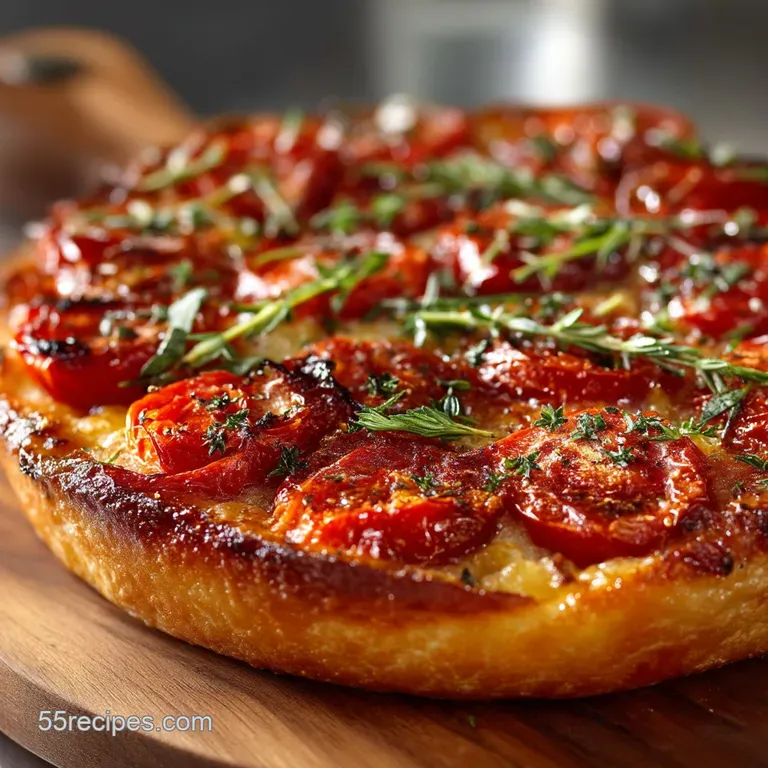
To elevate this into a true Fresh Tomato Pizza , we use ripe Heritage or Beefsteak tomatoes (approximately 300g total) as a topping, not just in the sauce. These are thinly sliced and scattered over the cheese layer, providing bursts of fresh acidity and sweetness that perfectly complement the cooked San Marzano base.
If it isn't peak summer, substitute with cherry tomatoes cut in half, or simply rely solely on the richness of the San Marzano base.
Specialized Gear: Tools for the Home Pizza Oven
While professional ovens are ideal, stunning results are achievable at home with the right tools. A heavy duty pizza stone or steel is absolutely non-negotiable, as it retains the massive amount of heat needed to cook the base instantly.
This must be placed in the oven during the entire preheat cycle (at least 45 minutes). A wooden pizza peel is essential for safely transferring the assembled pizza into the high heat environment.
Oil and Salt: The Unsung Heroes of the Crust
Olive oil plays two vital roles. First, 2 Tbsp of high-quality Extra Virgin Olive Oil is incorporated into the dough mixture, adding elasticity and flavor depth. Second, a generous final drizzle of EVOO is added immediately after baking.
This finishing oil provides polish, highlights the freshness of the basil, and binds the flavors of the cheese and the fresh tomato slices.
Fresh Herbs and Finishing Touches (e.g., Basil, Oregano)
The aromatics define the final profile of this Summer Pizza Recipe . Dried oregano (1 tsp) is simmered directly into the sauce alongside the minced garlic, infusing the base with earthy warmth. Conversely, fresh basil leaves are added after the pizza exits the oven.
Tearing, rather than cutting, the handful of fresh basil helps release its potent oils, ensuring a bright, clean herbal note that doesn’t become bitter or wilted during the bake.
Mastering the Dough: Kneading, Proofing, and Patience
The creation of the dough is the longest, yet most crucial, stage of this tomato pizza recipe . Start by combining the warm water, yeast, and sugar. This mixture must be left for 5- 10 minutes until a foamy cap forms, indicating the yeast is active.
Next, combine the 500g of flour and 10g of salt in a large bowl, incorporating the bloomed yeast mixture and the 2 Tbsp of olive oil. Kneading should last a full 8- 10 minutes, either by hand or with a stand mixer dough hook, until the dough is silky, smooth, and easily stretches without tearing known as the windowpane test.
Once kneaded, the dough must be coated in oil, covered tightly, and allowed to double in size over 90- 120 minutes in a warm, draft free spot.
Related Recipes Worth Trying
- The Ultimate Crispy Spaghetti Pizza Recipe Italian Comfort — Tired of standard crusts Try this gamechanging Spaghetti Pizza Bakea sturdy crispy base loaded with ItalianAmerican favourites Your new comfort food...
- Thanksgiving Pizza Gobble Til You Wobble Leftovers — Banish those Boxing Day blues This Thanksgiving Pizza recipe uses leftover turkey cranberry sauce stuffing for a wonderfully weird delicious postholiday treat
- Viral Baked Tomato Feta Pasta Easiest Recipe EVER — Jump on the TikTok trend This baked tomato feta pasta is unbelievably easy packed with Mediterranean flavor and ready in under an hour Get the viral pasta...
The Art of the Crush: Crafting the Vibrant Tomato Base Sauce
While the dough rises, focus on the base flavor. Heat 1 Tbsp of olive oil gently in a small pan and add the 2 minced garlic cloves. It is crucial to sauté the garlic for only about 30 seconds until fragrant, preventing it from browning, which would introduce bitterness.
Add the whole canned San Marzano tomatoes and use your hands or a potato masher to coarsely crush them right in the pan. Season this rich base with the dried oregano, salt, and pepper. The sauce should then simmer uncovered for 15– 20 minutes, reducing slightly to concentrate the flavors.
It must be cooled completely before being spread onto the dough, preventing the crust from becoming prematurely soggy.
Assembly and The Heat: Baking Your Rustic Tomato Pie
The preparation culminates in the dramatic high heat bake. Before shaping the dough, ensure your oven is preheated to its absolute maximum temperature ideally 500- 550° F (260- 290° C) with the stone or steel inside, for at least 45 minutes.
The Slow Fermentation: Cold Proofing Techniques
Although the primary recipe uses a rapid rise, incorporating a cold proofing stage placing the dough in the refrigerator immediately after kneading for 24 to 72 hours will radically improve the flavor.
This slow fermentation allows the yeast to create complex organic compounds, yielding a tangier, more digestible crust far superior to any fast risen dough.
Gentle Handling: Shaping the Dough Without Tearing
Once the dough has risen, punch it down gently and transfer it to a lightly floured surface. Resist the urge to aggressively roll the dough with a pin; instead, use your fingertips to stretch it slowly, working from the center outward, maintaining the integrity of the air pockets created during proofing.
Aim for a 14-16 inch circle. Transfer this carefully onto your floured pizza peel.
Crushing vs. Blending: Preserving Texture and Sweetness
As previously established, the sauce's texture is key to the success of this San Marzano Pizza Recipe . Crushing the tomatoes maintains larger, irregular pieces of flesh that caramelize beautifully under high heat and provide a chunky mouthfeel, contrasting perfectly with the fresh, soft mozzarella.
Blending yields an overly smooth, often watery result.
Infusing the Oil: Garlic and Oregano Preparation
The brief sautéing of the garlic and oregano ensures the aromatics are awakened and infused into the olive oil before the tomatoes are added, deepening the flavor profile of the entire tomato pizza sauce recipe .
This step is a small investment of time that prevents a raw garlic flavor from dominating the finished pie.
The Spreading Technique: Avoiding a Soggy Middle
A cardinal rule of pizza assembly is to use a restrained hand with the sauce. Spread the fully cooled San Marzano sauce thinly and evenly, ensuring a clean 1 inch border of crust remains untouched. This boundary acts as a dam, preventing moisture from seeping into the edge and allowing the crust to inflate properly.
Place about half of the torn mozzarella pieces over the sauce now. Then, arrange the fresh tomato slices and sprinkle with half of the grated Parmigiano Reggiano before the initial bake.
High Heat Secrets: Achieving the Leopard Spot Char
Slide the pizza onto the blistering hot stone or steel and bake for 8 minutes. This intense initial heat sets the crust immediately. Open the oven, quickly scatter the remaining mozzarella and Parmesan, and return it for another 7- 10 minutes.
The high heat, combined with the retained moisture in the dough, results in the desirable dark, slightly blistered spots the "leopard char" that signal a perfectly cooked crust. Allow it to rest for two minutes off the stone before garnishing with basil and slicing.
Troubleshooting Common Tomato Pizza Problems
Even with precise instructions, issues can arise when working with yeast and high temperatures. Knowing how to diagnose and correct these flaws is essential for mastering this classic.
Why Your Crust Won't Rise (and How to Fix It)
If your dough fails to double in size within the 90-120 minute timeframe, the water temperature used to activate the yeast was likely too hot (killing the yeast) or too cold (slowing it down too much). Always use a thermometer to confirm the water is between 105- 115° F.
Another common issue is using old yeast; if your yeast doesn't foam after the initial 10 minutes, start over with a fresh packet.
Preventing the Dreaded Sauce Run-Off
Sauce run-off and a wet surface are usually caused by three factors: too much sauce, using warm sauce, or using overly moist cheese. Always cool your simmered sauce entirely before application, and ensure you use low-moisture mozzarella, which should be drained and patted dry if it feels damp.
Par-baking the dough (baking the crust with just a light layer of sauce for 5 minutes before adding other toppings) is the ultimate safeguard against a soggy middle.
Achieving a Crispy Bottom on a Standard Home Oven
The key to a crispy bottom in a domestic oven is maximizing conductive heat transfer. Preheat your pizza stone or steel for a minimum of 45 minutes, allowing it to fully absorb the oven's maximum heat capacity. The longer the stone is hot, the better the crust will crisp upon contact.
Storing and Reheating Leftovers
Managing leftovers effectively ensures that the enjoyment of your Rustic Tomato Pizza doesn't stop the moment dinner ends.
Optimizing Short Term Dough Storage
If you mix too much dough, it’s a blessing, not a mistake. Dough keeps exceptionally well in the refrigerator, allowing for that slow fermentation benefit. Place the oiled dough ball in an airtight container immediately after kneading and refrigerate for up to three days.
Bring it to room temperature for about one hour before shaping and baking.
The Best Way to Revive Day-Old Slices
Microwaving pizza results in a soft, sad crust. To revive day-old slices while maintaining the desired crispness, heat them in a skillet over medium heat for 3- 5 minutes until the bottom crisps up.
Alternatively, place the slices on a baking sheet and reheat in an oven at 350° F ( 175° C) for about 8 minutes.
Serve the revived slices alongside a sharp Arugula (Rocket) salad dressed with olive oil and lemon juice to cut through the richness, ideally accompanied by a chilled, light Italian lager.
Recipe FAQs
Why is my homemade Tomato Pizza base getting a bit soggy in the middle?
That is the curse of too much moisture, mate, often due to the fresh tomatoes and mozzarella releasing liquid during the bake. To combat this, make sure you thoroughly drain the fresh mozzarella before tearing it, and consider following the 'Par-Bake' trick mentioned in the notes bake the sauced crust for 5 minutes before adding the fresh tomatoes and final cheese layers.
Also, ensure your oven is absolutely scorching hot, as a quick, intense bake helps set the crust before moisture has a chance to penetrate.
I haven't got San Marzano tomatoes. What’s the best backup plan for a truly cracking Tomato Pizza sauce?
Don't panic! The key to a great Tomato Pizza is using the best quality canned tomatoes you can lay your hands on; look for whole peeled plum tomatoes packed in juice, ideally a DOP variety if possible. Tinned tomatoes from Italy are generally sweeter and less acidic than cheaper alternatives.
If the canned tomatoes taste a bit flat, add a pinch of sugar to the sauce while simmering to replicate the natural sweetness of San Marzanos.
My kitchen is colder than a witch's... how do I speed up the pizza dough rise time?
Rising time is definitely a sticking point when the weather turns chilly! You can drastically speed things up by finding a warmer spot: the top of your fridge, in a microwave (turned off!) with a cup of hot water beside it, or even just inside a slightly warm oven (preheated only slightly to about 100°F/38°C, then turned off).
The ideal is a warm, draft free place that helps the yeast do its job quickly, aiming for that doubled size in closer to 90 minutes rather than two hours.
Can I prep the dough and sauce ahead of time, and what’s the best way to reheat leftovers?
Absolutely! The dough can be prepared, allowed to rise once, and then wrapped tightly and stored in the fridge for up to three days it’ll develop even more flavour! The San Marzano sauce is also fantastic made ahead; keep it sealed in the fridge for five days, or freeze it for months.
For reheating slices, skip the microwave! Use an air fryer or place the slice directly on a baking rack in a hot oven (350°F/175°C) for 5-7 minutes to bring back that essential crispiness.
Is there an easy way to make this stunning pizza a bit lighter on the waistline or suitable for a vegan mate?
There are a few nifty tricks to lighten the calorie load, as the bulk of the calories come from the flour and the cheese. For a lighter version, reduce the amount of mozzarella used by half and skip the final drizzle of olive oil.
To make it vegan, you can swap the fresh mozzarella for a high-quality cashew based alternative, and omit the Parmigiano Reggiano entirely, relying on the robust flavour of the sauce and fresh tomatoes.
Rustic Fresh Tomato Pizza