Tilapia and Pasta: Zesty Pan Sauce
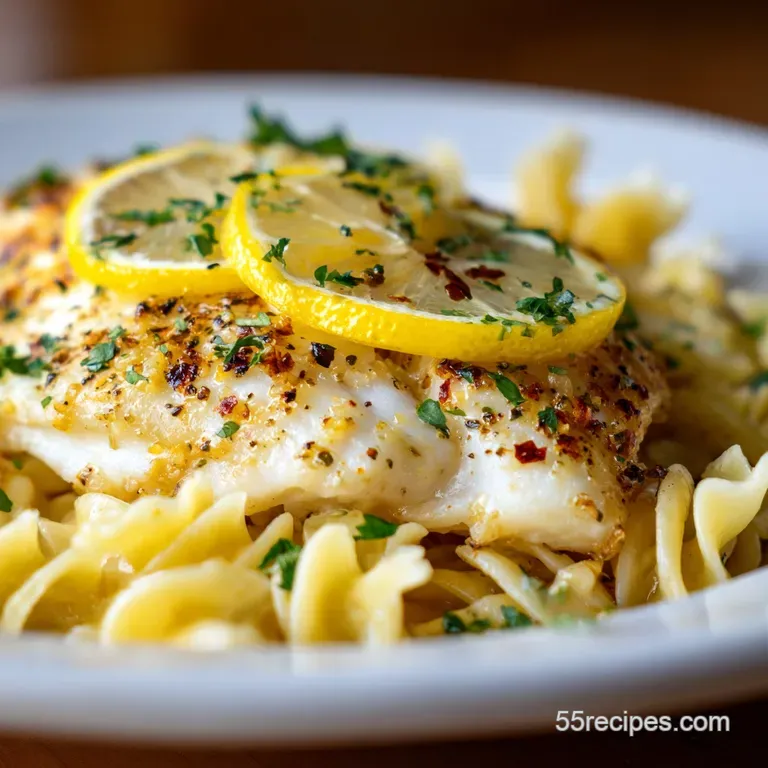
- Time: Active 10 mins, Passive 10 mins, Total 20 mins
- Flavor/Texture Hook: Zesty, buttery, and flaky
- Perfect for: High protein weeknight dinners or simple family meals
- Solving The Dinner Time Crisis
- The Logic of Quick Seafaring
- Essential Recipe Performance Metrics
- The Component Deep Dive
- Required Kitchen Infrastructure
- Instructions for Timely Results
- Common Pitfalls to Sidestep
- Flexible Ingredient Variations
- Storage and Freshness Guidelines
- Final Plating and Pairings
- Recipe FAQs
- 📝 Recipe Card
Solving The Dinner Time Crisis
This isn't just another seafood dish; it’s a masterclass in efficiency. Many people struggle with tilapia pasta recipes because the fish is so delicate it can easily get lost or become mushy.
This recipe solves that by treating the fish as a standalone star that eventually meets its pasta partner on the plate. We aren't boiling the fish in sauce; we are searing it to build flavor through the Maillard reaction, then using those leftover brown bits (the fond) to flavor the pasta.
Curiously, the combination of smoked paprika and lemon juice creates a depth of flavor that usually takes much longer to achieve. The mildness of the tilapia makes it the perfect vehicle for the garlic and lemon, ensuring every bite is punchy and vibrant.
It’s an affordable way to feed the family without the heavy feeling of a creamy Alfredo, though we’ll talk about how to make it indulgent if you’re in the mood for a creamy tilapia pasta later on.
The Logic of Quick Seafaring
- Maillard Reaction: The light coating of all purpose flour provides a dry surface that browns instantly, creating a crust that protects the delicate interior from drying out.
- Starch Emulsification: Reserved pasta water contains released starches that act as a bridge, allowing the fat in the butter and the acidity of the lemon to bind into a stable, glossy sauce.
- Carryover Heat: Fish continues to cook for about 2 minutes after leaving the pan, so pulling it when it is just opaque ensures it remains moist rather than chalky.
- Thermal Shock: Using cold, cubed butter at the end of the sauce making process (mounting with butter) prevents the sauce from breaking, resulting in a velvety finish.
| Method | Cook Time | Texture | Best For |
|---|---|---|---|
| Stovetop | 8-10 mins | Crispy edges, moist center | Maximum flavor and texture |
| Oven Bake | 12-15 mins | Consistent, soft, and tender | Low effort, hands off cooking |
| Air Fryer | 6-8 mins | Very crunchy, slightly drier | Small batches and quick prep |
If you love the briny depth of seafood, my How to Make recipe is another winner that uses similar liquid gold techniques to create a stunning sauce. Both dishes rely on that magic combination of starch and fat to bring everything together.
Essential Recipe Performance Metrics
To get this right every single time, you need to keep a few numeric checkpoints in mind. Timing is everything when dealing with white fish and pasta.
- The Fish Sear: 2 minutes per side on medium high heat. If you go longer, you risk a dry fillet.
- Internal Temp: Aim for 54°C (130°F). While the FDA suggests higher, carryover heat will bring it to the safe 63°C (145°F) without turning it into cardboard.
- Pasta Liquid: Always save exactly 125 ml (0.5 cup) of pasta water. You might not use it all, but you’ll regret it if you pour it down the drain!
The Component Deep Dive
| Ingredient | Science Role | Pro Secret |
|---|---|---|
| Tilapia Fillets | Lean protein source | Pat them bone dry with paper towels before flouring to ensure a "shatter" crust. |
| Reserved Pasta Water | Emulsifying agent | Use the water from the last minute of boiling; it has the highest starch concentration. |
| Cold Butter | Fat and body | Whisk it in piece by piece off the heat to create a professional, non greasy emulsion. |
| Smoked Paprika | Flavor enhancer | Provides a "grilled" aroma without the charcoal, adding visual color to the pale fish. |
While we use boxed linguine here for convenience, mastering the How Do You recipe for fresh pasta will take any seafood dish to an entirely different level of luxury.
Required Kitchen Infrastructure

You don't need a professional kitchen, but a few specific tools make this easy tilapia pasta much more manageable.
- Large Non Stick Skillet: Essential for fish. Tilapia is notorious for sticking, and a good non stick pan (like a T fal or Ninja) ensures you keep that golden crust on the fish, not the pan.
- Microplane or Zester: For the lemon. You want those tiny, fragrant curls of zest, not the bitter white pith.
- Stainless Steel Tongs: Use these to gently turn the fish. A fish spatula is even better if you have one, as it slides right under the delicate fillets.
- Large Stock Pot: To give the linguine enough room to swim so it doesn't clump together.
Instructions for Timely Results
Prepping the Fish
- Dry the fillets. Take your 24 oz of Tilapia Fillets and pat them thoroughly with paper towels. Note: Moisture is the enemy of a good sear.
- Dredge the protein. Mix 2 tbsp All Purpose Flour, 1 tsp Smoked Paprika, 0.5 tsp Garlic Powder, 1 tsp Kosher Salt, and 0.5 tsp Cracked Black Pepper in a shallow dish.
- Coat lightly. Press each fillet into the flour mixture, shaking off any excess. You want a translucent dusting, not a heavy batter.
Pasta and Sauce Base
- Boil the noodles. Cook 12 oz of Linguine in salted water. Pull them out 1 minute before the box says "al dente" as they will finish in the sauce.
- Save the water. Scoop out 0.5 cup of the cloudy pasta water before draining. Set it aside near your skillet.
Searing the Tilapia
- Heat the oil. Add 2 tbsp Avocado Oil to your skillet over medium high heat. Wait until it shimmers and wisps of smoke appear.
- Sear the fish. Lay the fillets in the pan (away from you to avoid splashes). Cook for 2 minutes, then flip and cook for another 2 minutes until golden and opaque. Remove and plate.
Emulsifying the Pan Sauce
- Sauté the aromatics. Lower the heat to medium. Add 4 cloves of thinly sliced garlic to the residual oil. Cook for 30 seconds until fragrant but not brown.
- Build the emulsion. Pour in the 0.5 cup of pasta water and the lemon juice. Whisk vigorously.
- Mount with butter. Drop in the 4 tbsp of cold, cubed butter. Whisk until it melts into a velvety, thickened sauce.
Finishing the Marriage
- Combine. Toss the drained linguine into the skillet with the sauce. Add the lemon zest and 0.25 cup Fresh Italian Parsley.
- Coat thoroughly. Use tongs to swirl the pasta until every strand is glossy. If it looks dry, add a splash more water. Serve immediately with the fish on top.
Common Pitfalls to Sidestep
The Mush Factor
This usually happens because the fish was frozen and not thawed properly, or it sat in the sauce too long. Tilapia releases a lot of water if it’s cooked too slowly. Keep the heat high for the sear and never "steam" the fish by covering the pan with a lid.
Broken Sauce Fixes
If your sauce looks like oil floating on water, your heat was likely too high when you added the butter. To fix it, add one tablespoon of hot pasta water and whisk like your life depends on it off the heat. The starch will help pull the fat back into the fold.
High Heat Management
Avocado oil is great because it has a high smoke point, but if your garlic turns dark brown or black, it will taste bitter. If the pan is smoking too much after the fish comes out, take it off the burner for 20 seconds before adding the garlic.
| Problem | Root Cause | Solution |
|---|---|---|
| Fish sticks to pan | Pan wasn't hot enough | Wait for the oil to shimmer before adding fish. |
| Dry, gummy pasta | Rinsing the noodles | Never rinse pasta! You need that starch for the sauce to stick. |
| Fish falls apart | Flipping too early | Let the crust form for a full 2 mins; it will release naturally when ready. |
Common Mistakes Checklist:
- ✓ Didn't dry the fish? It will steam instead of sear.
- ✓ Forgot to save pasta water? Use a splash of chicken broth and a pinch of cornstarch as a backup.
- ✓ Used warm butter? The sauce won't emulsify as cleanly; use it straight from the fridge.
- ✓ Overcrowded the pan? Work in batches so the temperature doesn't drop.
Flexible Ingredient Variations
If you want to change the vibe of this Tilapia and Pasta meal, there are plenty of ways to swap things out without ruining the chemistry.
| Original Ingredient | Substitute | Why It Works |
|---|---|---|
| Linguine | Zucchini Noodles | Lowers carbs. Note: Don't boil them; just toss in the warm sauce for 1 min. |
| Avocado Oil | Ghee (Clarified Butter) | High smoke point with a rich, nutty flavor profile. |
| Tilapia | Cod or Haddock | Similar lean, white fish texture. Note: May need 1 extra minute of cook time. |
The Creamy Tilapia Pasta Variation
If you’re craving something richer, swap half of the pasta water for heavy cream. Add the cream after the garlic, let it simmer for a minute to thicken, then whisk in the butter.
This creates a silkytilapia alfredo pasta style dish that feels a bit more indulgent for a weekend treat.
The Tilapia Pesto Pasta Twist
Skip the lemon and butter. After searing the fish, toss the pasta with 3 tablespoons of high-quality basil pesto and a splash of pasta water. This tilapia pesto pasta version is incredibly fast and brings a massive punch of herbal freshness to the table.
Storage and Freshness Guidelines
Fridge Life: This dish is best eaten immediately, but you can store leftovers in an airtight container for up to 2 days. Be warned: fish can get a "fishy" aroma when reheated, so I recommend eating the leftovers cold in a pasta salad or reheating very gently.
Reheating: Avoid the microwave if possible it turns tilapia into rubber. Instead, put the pasta and fish in a skillet with a tiny splash of water or milk over low heat. Cover it for 2-3 minutes just until warmed through.
Zero Waste Tip: Don't throw away that lemon carcass! After zesting and juicing, throw the halves into your garbage disposal to freshen it up, or use them to scrub your wooden cutting board with some coarse salt to sanitize it.
Final Plating and Pairings
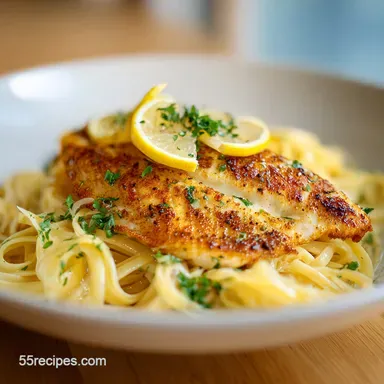
To make this feel like a restaurant meal, don't just dump the fish on the noodles. Twirl a large "nest" of linguine in the center of the plate using a carving fork. Lean the golden tilapia fillet against the side of the pasta mound. Drizzle any remaining sauce from the pan directly over the fish so it glistens.
The "If you want X, do Y" Decision Shortcut: If you want a mediterranean style, add a handful of halved cherry tomatoes and Kalamata olives to the sauce when you add the garlic.
If you want a spicier kick, add 0.5 tsp of red pepper flakes to the oil before searing the fish. If you want it crunchier, swap the flour for panko breadcrumbs (though you'll need an egg wash to make them stick!).
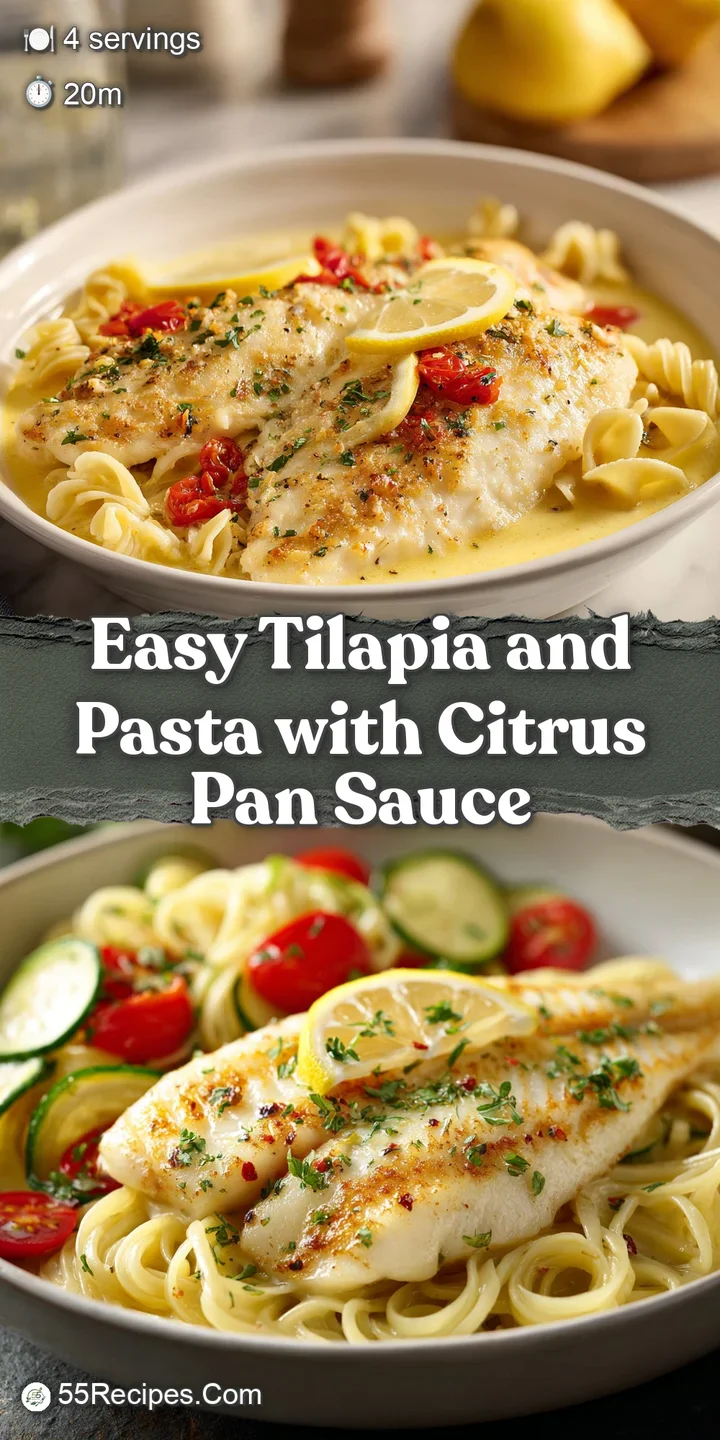
This Tilapia and Pasta recipe is proof that you don't need a massive grocery bill or a whole afternoon to eat well. It’s light, it’s fast, and it’s become a staple in my house for a reason. Grab your skillet and get that sizzle going!
Recipe FAQs
Does tilapia pair well with pasta?
Yes, it pairs beautifully when done right. The mild flavor of tilapia acts as a perfect canvas for zesty or buttery sauces that coat the noodles. Avoid heavy, dense sauces which can overpower the delicate fish.
What does tilapia pair well with generally?
It pairs best with bright, acidic, or herbaceous flavors. Think lemon, garlic, capers, white wine, or fresh parsley. Since tilapia is lean, pairing it with healthy fats like olive oil or butter helps carry the flavor.
Is there a downside to eating tilapia?
Yes, its nutritional profile is debated, though it is generally safe. Tilapia has a relatively high ratio of Omega-6 to Omega-3 fatty acids compared to fattier fish, but it is a great source of lean protein.
What pasta goes well with fish?
Long, thin pastas or shapes that catch light sauces are ideal. Linguine, spaghetti, or angel hair work wonderfully because they allow a light pan sauce to coat every strand uniformly. For chunkier sauces, use short shapes like penne or rigatoni.
How do I prevent the tilapia from sticking to the pan?
Heat your cooking fat until it shimmers before adding the seasoned fillets. Ensure the fish is patted completely dry first; moisture creates steam, which prevents the necessary crust from forming. If you master this searing technique, the fish will release naturally when ready.
Can I use a creamy sauce with tilapia and pasta?
Yes, but keep the cream sauce light or moderate. A heavy Alfredo can mask the fish, so opt for sauces based on milk, reserved pasta water, or a touch of cream, like the Gorgonzola sauce variation mentioned in our notes. Mastering emulsification techniques, like the one used when assembling our Indulge in Luscious recipe, will prevent the sauce from breaking.
How long should I cook tilapia fillets for maximum moisture?
Sear the fillets for exactly 2 minutes per side over medium high heat. Pull them off the heat when they reach an internal temperature of 130°F (54°C); the carryover heat will safely finish cooking them to the recommended 145°F (63°C) while retaining moisture.
Tilapia And Pasta In 20
Ingredients:
Instructions:
Nutrition Facts:
| Calories | 703 calories |
|---|---|
| Protein | 54.2 g |
| Fat | 23.1 g |
| Carbs | 69.4 g |
| Fiber | 3.2 g |
| Sugar | 1.8 g |
| Sodium | 645 mg |
