The Ultimate Red Chile Chicken Tamales Pillowy Perfection
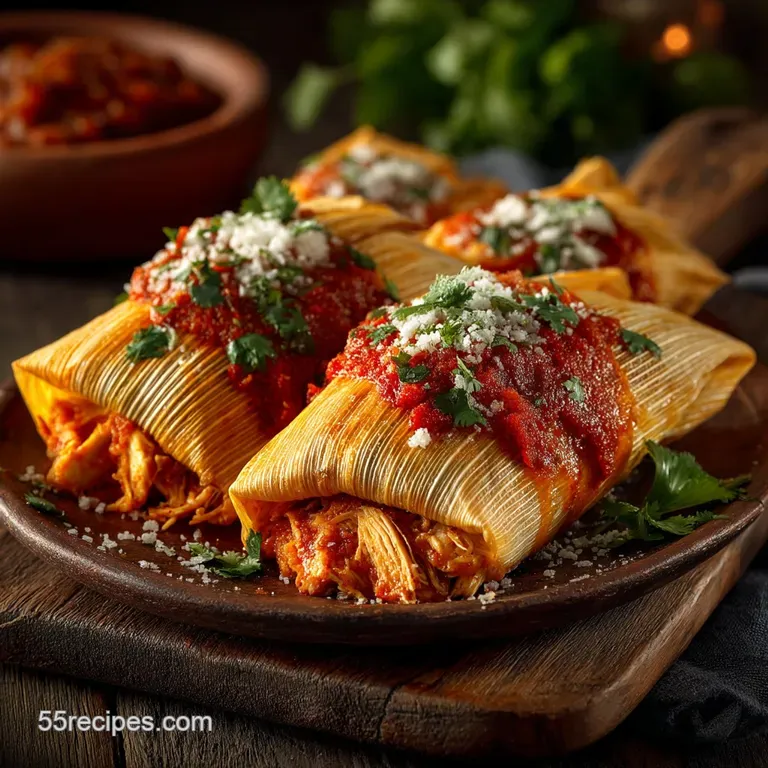
The Culinary Marathon: Why Tamales Are Worth the Effort
Tamales represent more than just a meal; they are the quintessential culinary labour of love. Preparing a generous batch of these delicious parcels is truly a commitment, a journey we fondly refer to as a "culinary marathon." But the investment of time approximately four hours of dedicated attention, split between preparation and steaming is rewarded tenfold by the sheer delight of the finished product.
These are not a quick weeknight dish, but rather a celebratory weekend project. Mastering the homemade chicken tamales process yields an intensely satisfying, freezer friendly result that epitomizes comfort food done right.
Deconstructing the Authentic Red Chile Chicken Tamale
Our focus today is on the gold standard: the rich, savory authentic chicken tamale recipe featuring tender shredded poultry enveloped in a deep, smoky red chile sauce.
Unlike simpler versions, this method achieves profound depth of flavour by slow simmering the shredded chicken, allowing it to fully absorb the complex notes of dried chiles, garlic, and Mexican oregano.
The resulting filling is moist, robustly seasoned, and provides the perfect contrast to the fluffy, slightly sweet corn masa . This specific combination ensures that every bite is a harmonious balance of texture and heat, making this the best chicken tamale recipe you will ever tackle.
Understanding the Holy Trinity of Masa, Filling, and Wrapper
The success of any tamale hinges on the perfection of its three core components, which must work together seamlessly. First, we have the wrapper the corn husk which serves as the vessel and flavour diffuser during the lengthy steaming process.
Second is the filling, which, in our case, is the succulent red chile chicken. Crucially, the third component is the masa (corn dough). It must be light, ethereal, and pillowy, achieving a tenderness that melts beautifully on the palate.
When executed correctly, the masa should be the star, acting not just as a casing but as a highly aerated, subtly flavoured bread that complements the rich filling.
A Celebration of Flavor: Tamales and Traditional Holidays
The tradition of making and sharing tamales is deeply rooted in holiday celebrations, particularly Christmas and the New Year. Because the process is detail oriented and time consuming, it historically became a communal activity, with families gathering for "tamaladas" (tamale making parties).
This association with large gatherings and special events speaks directly to the quality and celebratory nature of the food. When you decide to make a large batch of these Chicken Tamale parcels, you are not just cooking; you are participating in a cherished cultural tradition.
Essential Components for Perfect Chicken Tamale Construction
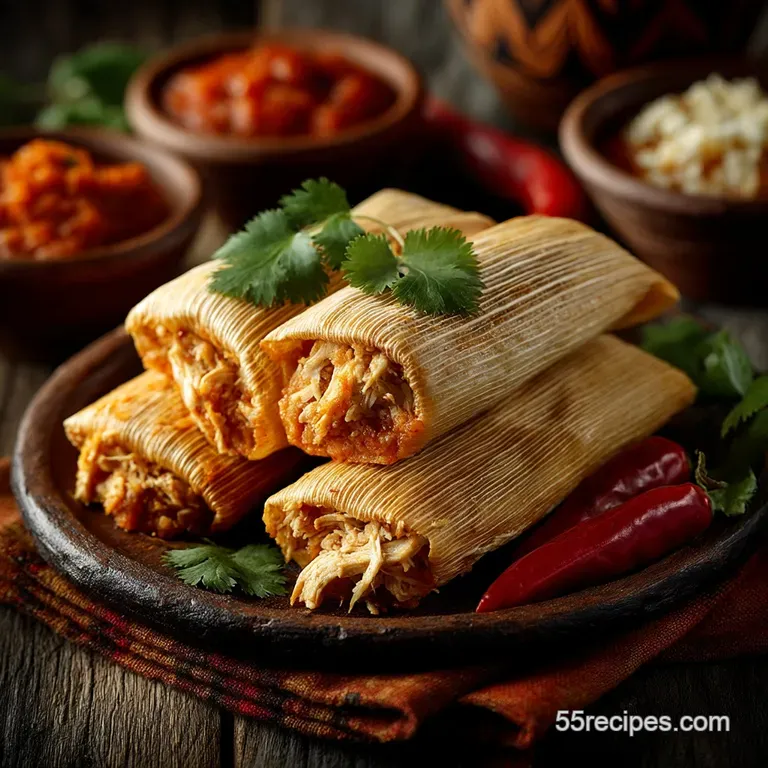
Achieving excellence requires careful selection of the raw materials, which is paramount before you even begin to assemble your first chicken tamales recipe . Quality ingredients contribute significantly to the final texture and taste.
Sourcing the Best Dried Chiles (Ancho, Guajillo, and Pasilla Notes)
For our vibrant red sauce, we rely on a blend of specific dried chiles, moving beyond just simple heat to achieve smoke and fruitiness. We use six dried Guajillo chiles, which provide a tangy, medium heat base, and four dried Ancho chiles, which contribute a rich, almost raisiny sweetness and a deep brick red colour.
While Pasilla chiles (known for their smoky, licorice notes) are often used in other sauces, we stick to the Ancho and Guajillo pairing for the ideal depth in this specific red chile chicken tamale filling. Always look for chiles that are pliable, not brittle, and have a rich colour.
Achieving the Right Masa Texture: Lard vs. Vegetable Shortening
The defining characteristic of a superior tamale is the masa texture. It must be light and airy, never dense or dry. This textural triumph is achieved primarily through the fat incorporated into the four cups of Masa Harina.
Traditionally, this is accomplished using one cup of softened pork lard ( manteca ). Lard is prized because it whips up exceptionally well, incorporating vast amounts of air, which translates directly into a pillowy texture.
While non-hydrogenated vegetable shortening can be substituted for dietary reasons, the incomparable flavour and consistency imparted by lard are highly recommended for the truly traditional chicken tamales .
The key technique here is to beat the fat until it is light, fluffy, and almost white a step that should take a full five minutes in a stand mixer.
Beyond the Recipe Card: Specialty Tools You'll Need (Steamer setup, husks)
While much of the preparation requires standard kitchen equipment, successful tamale making necessitates a few specialty items. A powerful stand mixer or hand mixer is non-negotiable for properly aerating the fat and mixing the masa dough to the required fluffiness.
On top of that,, the steaming process demands the right vessel. You will need a large steamer pot with a dedicated steamer basket. If you lack a steamer pot, a large stockpot combined with a trivet or rack can work, provided the water level remains below the rack.
Finally, ensure you have 25 30 large, unbroken dried corn husks the essential wrapper that defines the entire structure of the Chicken Tamale .
Related Recipes Worth Trying
- Comforting Chicken Thigh Pasta with Tuscan Ragu — This easy chicken thigh pasta recipe delivers a rich creamy Tuscan ragu that tastes like a weekend treat Perfect for a comforting weeknight meal
- The Best Easy Chicken Piccata Recipe with Zesty Pan Sauce — Whip up this stunning Classic Chicken Piccata in just 30 minutes Our foolproof guide guarantees a vibrant zesty chicken piccata sauce every time Perfect for...
- The Best Baked Whole Chicken Recipe for Crispy Skin — Master the ultimate baked whole chicken with this easy recipe Achieve shatteringly crisp skin and juicy meat using a secret ingredient trick
Mastering the Rich Red Chile Sauce and Shredded Chicken Filling
The heart of the tamale’s flavour lies in the chile sauce, which is both the cooking liquid for the shredded chicken and the flavour base for the masa dough. This preparation involves several focused steps that elevate the complexity of the final dish.
Reviving the Wrapper: Optimal Soaking and Preparation of Corn Husks
Before diving into the sauce, the wrappers must be prepared. Take your 25 30 dried corn husks and place them in your largest bowl. Cover them completely with very hot water and weigh them down with a plate.
A soak of at least 30 minutes is crucial to ensure the husks become fully pliable, preventing cracking and tearing during assembly. Once softened, they are drained and ready for construction.
Slow Simmering: Infusing Chicken with Depth and Moisture
Once the chile base is ready (see section below), the next step is combining it with the protein. We utilize one kilogram (2.2 pounds) of pre-cooked, shredded chicken a mix of breast and thigh is excellent for texture.
By heating one cup of the strained chile sauce in a pot and then adding the chicken, we allow the meat to simmer gently for about ten minutes. This process is essential for the chicken to fully absorb the smoky, savory flavours of the sauce, ensuring the filling remains moist and intensely flavourful, resulting in the perfect component for your how to make chicken tamales filling.
Building Flavor Intensity: Toasting and Blending the Chiles
The process of building the red chile sauce begins by gently toasting the dried Guajillo and Ancho chiles in a dry pan for a mere 30 to 60 seconds per side. This crucial step unlocks their essential oils and deepens their smoky aroma.
After toasting, the chiles and four garlic cloves are simmered in four cups of chicken stock for 15 minutes until fully softened. This mixture is then blended with cumin, Mexican oregano, and salt until perfectly smooth.
Finally, to achieve that restaurant quality silkiness, the entire sauce must be pushed through a fine mesh sieve, discarding the remaining pulp. This concentrated, strained liquid serves as the foundational flavour for the entire Chicken Tamale preparation.
Mixing the Perfect Masa Dough: The Float Test Secret
The prepared fat (lard or shortening) must be beaten until pale and fluffy. Next, the dry mixture of four cups of Masa Harina, baking powder, and salt is alternately incorporated with two cups of warm chicken stock into the creamed fat. The mixing should continue until the dough is light and soft.
To truly confirm that enough air has been whipped into the masa, perform the "Float Test": drop a small spoonful of the dough into a glass of cold water. If it floats, the dough is sufficiently aerated and ready. If it sinks, beat in a little more stock and continue mixing for a few more minutes, then re-test.
Once the masa passes the test, gently fold in four to six tablespoons of the reserved red chile sauce to give the dough a lovely pale pink hue and subtle spicy notes.
Hand Wrapping the Packages: Achieving a Tight, Steam Ready Seal
Assembly is the most satisfying part of the process. Take a smooth, soft corn husk, oriented with the wide end facing up. Spread two to three tablespoons of the flavoured masa thinly over the lower two-thirds of the husk, leaving ample borders on the sides.
Next, spoon one to two tablespoons of the moist red chile chicken filling down the center. Fold the two long sides of the husk over the filling, meeting in the middle. Finally, fold the narrow tip upwards to seal the bottom completely, leaving the top open.
This technique creates a tight, steam ready package that is ready for the steamer basket.
The Final Steam: Determining When Your Chicken Tamales Are Done
The final, transformative step is the steaming. Fill your steamer pot with water up to just below the basket level and bring it to a vigorous boil. Arrange your newly wrapped tamales vertically in the basket, folded end down, packing them snugly to provide mutual support.
Cover the tamales with a damp kitchen cloth or extra husks before securing the lid. Steam for a critical 1. 5 hours, checking the water level occasionally. The traditional chicken tamales are done when the masa separates easily and cleanly from the corn husk.
If it resists or sticks, steam for another fifteen minutes. Crucially, turn off the heat and let the tamales rest, covered, for ten minutes before opening; this resting period allows the structure of the masa to fully set.
Troubleshooting and Long Term Storage for Your Batch
Achieving perfection in the chicken tamale nutrition and texture takes practice. Knowing how to adjust your dough and handle the final products is essential for maximizing your efforts.
Solving Common Issues: Why Is My Masa Too Crumbly or Sticky?
The two most common textural issues stem from the fat-to-liquid ratio and the whipping process. If your masa is crumbly, it likely needs more warm chicken stock, or perhaps the fat wasn't adequately creamed to incorporate enough air.
If the masa is sticky and dense, it may have been over hydrated, or, conversely, the fat wasn't whipped enough, meaning the dough lacks the required lightness. The float test is your best guide; stickiness usually indicates insufficient aeration, meaning more whipping time is needed, even if the liquid ratio seems correct.
Freezing Large Batches: Preserving the Freshness of the Finished Chicken Tamale
One of the great joys of this complex cooking project is the ability to preserve your hard work. Tamales freeze beautifully, maintaining their flavour and texture for several months.
Once your batch is completely cooled, you can wrap them tightly, either individually or in groups of three, using plastic wrap followed by aluminum foil. Label the packages and freeze.
To reheat, simply place the frozen tamales back in a steamer basket (no thawing required) and steam for 20 to 30 minutes, or until piping hot throughout. This makes that initial effort completely worthwhile for future meals.
Creative Variations: Beyond Red Chile (Pork, Cheese, or Sweet Options)
While the red chile chicken remains a classic, the versatility of the tamale allows for endless creativity. If you wish to try a different flavor profile, consider substituting the shredded chicken with slow cooked shredded pork (Puerco) and swapping the robust red sauce for a vibrant, tangy green tomatillo salsa.
For vegetarians, a marvelous option is filling the tamales with a rich combination of sharp cheese and seasoned black beans. Alternatively, for dessert, omit the savory filling entirely, sweeten the masa dough with sugar and cinnamon, and fold in raisins or dried cranberries for delightful sweet tamales ( tamales de dulce ).
Recipe FAQs
Right, this sounds like a proper undertaking! Can I cheat the prep time for these Tamales?
Absolutely. This recipe is a culinary marathon, not a sprint, but you can absolutely break up the work. Prepare the shredded chicken filling and the rich red chile sauce a day or two ahead and keep them refrigerated.
This means on assembly day, you only need to focus on whipping up that perfect masa and tackling the steaming. Splitting the labour makes it far less daunting!
I want to try this incredible Chicken Tamale recipe, but can I really swap the lard for vegetable shortening?
While traditional pork lard (manteca) is the authentic hero here, good quality vegetable shortening is a perfectly acceptable substitute if you’re avoiding pork fat. Using shortening will yield a lighter, slightly less rich flavour, but the texture remains fantastic, provided you whip it thoroughly until it’s light and airy.
Aeration is key, regardless of the fat you use!
My masa dough failed the 'float test' and it feels heavy. What's the secret to making it light and fluffy?
Ah, the float test is the true litmus test! The secret lies entirely in the creaming of the fat. You must beat the lard or shortening until it’s virtually white and airy this step incorporates necessary air and lift.
If your masa sinks when dropped in water, you need to add a touch more stock and beat the mixture for another two or three minutes. Think of it like baking: proper aeration prevents a brick like result.
I've made a huge batch (good job, me!). How do I store leftover tamales?
You’ve struck gold! Tamales freeze brilliantly, which is why they are often made in large batches for celebrations. Once they have completely cooled, wrap each tamale tightly in cling film or foil and store them in an airtight container for up to three months.
To reheat, the best method is to steam them again from frozen for about 30 minutes until they are piping hot in the centre.
How do I actually know when the tamales are properly cooked and ready for the plate?
After the required hour and a half steaming time, perform the crucial ‘peel test.’ Carefully remove one tamale and let it cool for about 30 seconds. If the masa dough easily separates and pulls away from the corn husk without sticking or tearing, they are done and ready for resting.
If it’s sticky, put the whole batch back into the steamer for another 15 minutes before checking again patience, young padawan!
Authentic Red Chile Chicken Tamales
Ingredients:
Instructions:
Nutrition Facts:
| Calories | 907 kcal |
|---|---|
| Protein | 6.1 g |
| Fat | 26.1 g |
| Carbs | 36.1 g |
| Fiber | 16.7 g |
| Sodium | 5024 mg |
