The Definitive Blood and Sand Cocktail Recipe
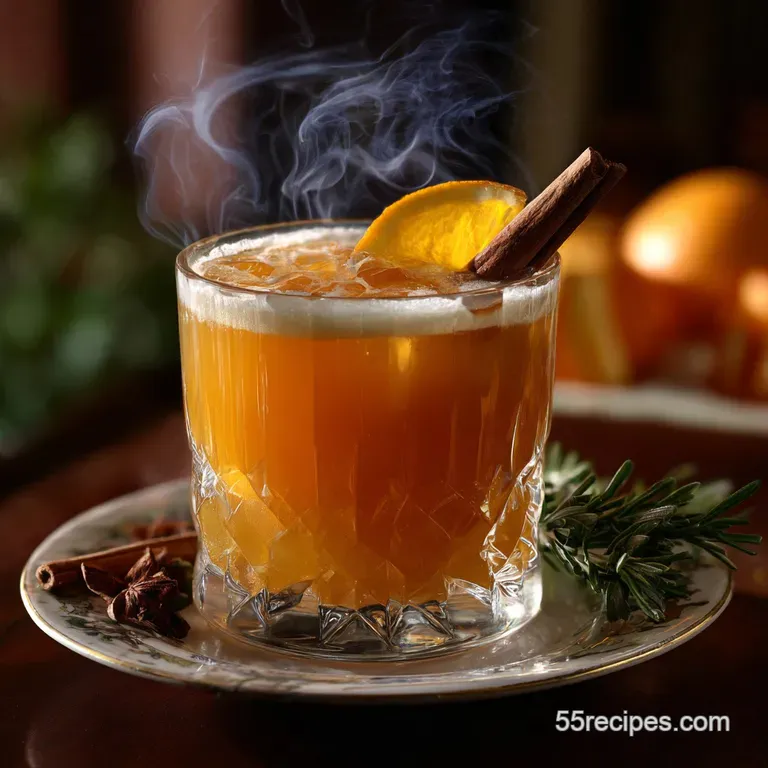
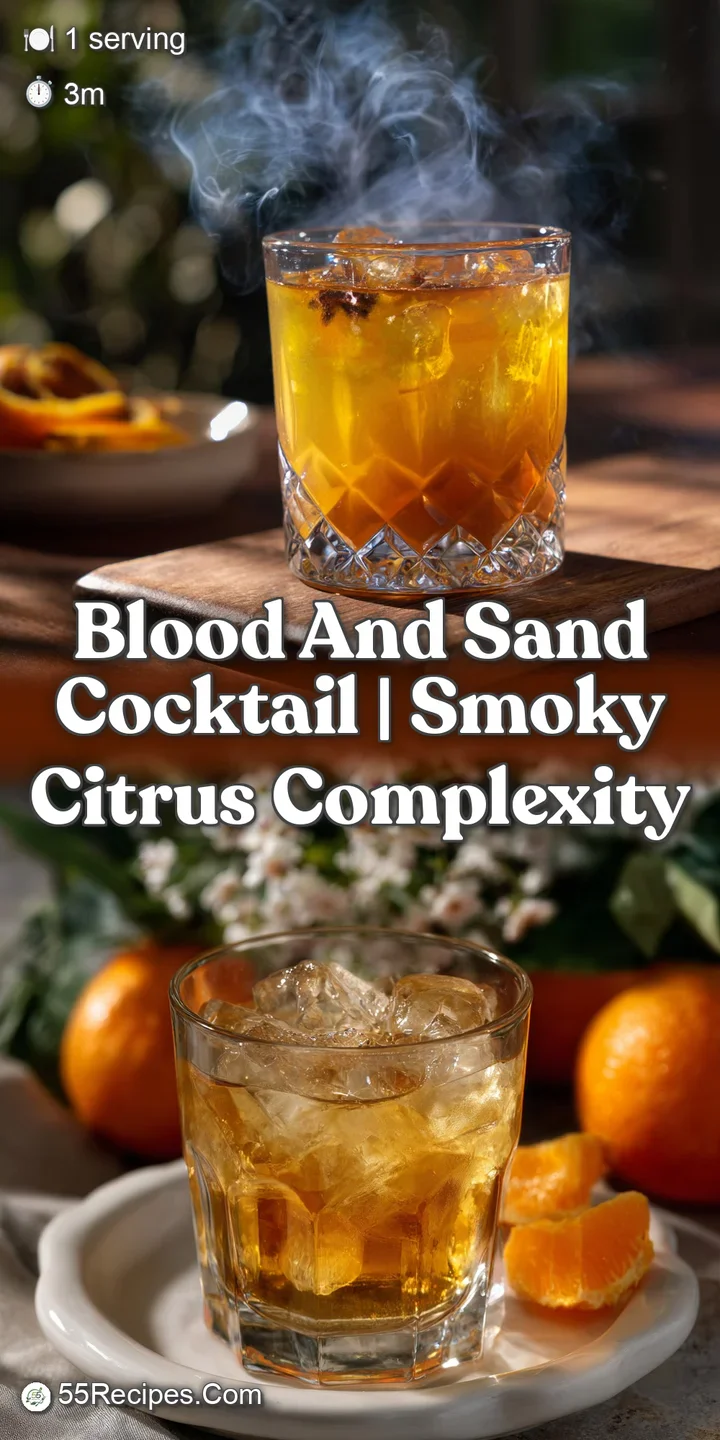
- Effort/Time: 3 minutes / low-effort.
- Flavor Hook: Smoky, citrus-forward, and dark-fruit complexity.
- Perfect for: Pre-dinner sipping or movie-themed cocktail nights.
Why the Blood and Sand Cocktail Still Matters
The scent of charred oak and bright citrus zest hits you before the first sip. Most people struggle with the blood and sand cocktail because it sounds like a disaster on paper Scotch and orange juice shouldn't work.
But when you nail the aeration and use high-quality ingredients, it’s a revelation.
I used to make this with cheap, carton orange juice, and it tasted like smoky cough syrup. It was a total failure that sat untouched on the counter. The secret isn't just the ingredients; it's the "why" behind the dilution and the specific type of Scotch used to anchor the sweetness.
Trust me, once you experience the velvety texture of a properly aerated blood and sand cocktail recipe, you’ll understand why it’s survived since the 1930s.
We're going to use specific techniques to ensure the "blood" (cherry and vermouth) and "sand" (orange juice) play nicely with the spirit.
The Science of Why it Works
- Citrus Aeration: Shaking fresh orange juice creates a microscopic foam layer, softening the "bite" of the Scotch's ethanol.
- Sugar Acid Equilibrium: The 15.4 g of sugar from the liqueur and vermouth is chemically countered by the citric acid in the orange juice, preventing a cloying finish.
The Science Behind Blended Scotch Whisky
- What It Does
- Acts as the structural backbone of the blood and sand cocktail, providing smoke and grain notes.
- The Chemistry
- Blended Scotch contains higher concentrations of guaiacol (smoky notes) and esters (fruity notes) that bridge the gap between the cherry liqueur and the orange juice.
- Why This Matters
- Using a single malt often overwhelms the delicate vermouth, while a quality blend like Johnnie Walker Black Label creates a cohesive flavor network.
The Science Behind Cherry Heering Liqueur
- What It Does
- Provides the "blood" color and deep, viscous sweetness.
- The Chemistry
- Unlike clear maraschino liqueurs, Cherry Heering uses crushed cherry pits during maceration, releasing benzaldehyde.
- Why This Matters
- This almond like chemical compound adds a third dimension of flavor that mimics the complexity of the oak barrels used to age the whisky.
The Science Behind Sweet Red Vermouth
- What It Does
- Introduces herbal bitterness and tannins to the sand cocktail.
- The Chemistry
- The polyphenols in the fortified wine base interact with the proteins in the orange juice to create a smoother mouthfeel.
- Why This Matters
- Using a high tannin vermouth like Carpano Antica Formula prevents the drink from feeling "thin" on the palate.
Blood and Sand Cocktail Ingredients & Subs
To make a world class blood and sand, your toolkit matters. I recommend using a Koriko Weighted Shaking Tin for maximum thermal transfer and a Hocking Glass Coupe for the classic aesthetic.
| Original Ingredient | Substitute | Why It Works |
|---|---|---|
| 3/4 oz Blended Scotch | 3/4 oz Mezcal | Creates a "Red Sand" variation; adds earthier smoke and vegetal notes. |
| 3/4 oz Sweet Red Vermouth | 3/4 oz Lillet Rouge | Lighter body with more berry forward notes; less herbal intensity. |
| 3/4 oz Cherry Heering | 3/4 oz Kirsch + Simple Syrup | Kirsch is drier; adding 1/4 oz syrup mimics the sugar content of the original liqueur. |
| 3/4 oz Orange Juice | 3/4 oz Blood Orange Juice | Increases acidity and deepens the "blood" aesthetic; adds a slight raspberry finish. |
How to Make the Blood and Sand Cocktail
- Chill your coupe glass.Note: Decreasing the glass temperature prevents the 192 calorie drink from warming up and losing its crispness during consumption.
- Pour 3/4 oz Blended Scotch Whisky into the shaker.Note: Starting with the base spirit ensures the flavor profile is centered on the whisky's smoky esters.
- Add 3/4 oz Sweet Red Vermouth.Note: The botanical tannins in the vermouth begin to integrate with the spirit immediately.
- Add 3/4 oz Cherry Heering Liqueur.Note: This adds the necessary viscosity and deep red pigment known in the blood and sand cocktail origin.
- Add 3/4 oz Freshly Squeezed Orange Juice.Note: Fresh juice contains active enzymes and pectin that create a superior foam compared to pasteurized versions.
- Fill the shaker with large ice cubes and shake for 12 seconds.Note: Agitation facilitates emulsification between the citrus oils and the alcohol, creating a velvety texture.
- Double strain into the chilled coupe.Note: Using a fine mesh strainer removes "ice shards" that would cause premature dilution and ruin the mouthfeel.
- Express 1 wide strip of Orange Zest over the surface.Note: This releases limonene oils, providing an immediate olfactory "hook" that masks the heavy scent of the Scotch.
- Garnish with 1 Luxardo Maraschino Cherry.Note: The high sugar content of the brand name cherry provides a final sweet note to balance the finish.
Common Mistakes with the Blood and Sand
| Problem | Why It Happens | The Fix | Pro Protocol |
|---|---|---|---|
| Drink is "Muddy" | Using low-quality, bottled orange juice with high pulp. | Always use freshly squeezed, fine strained orange juice. | Use a Sunkist Commercial Juicer for consistent yield and low bitterness. |
| Overly Sweet | Too much vermouth or low-proof Scotch. | Ensure a strict 1:1:1:1 ratio and use a 40%+ ABV Scotch. | Use a Japanese style Jigger for 1/4 oz precision measurements. |
| Watery Finish | Shaking with small, "wet" ice that melts too fast. | Use large, 1x1 inch ice cubes straight from the freezer. | Check ice temperature with a Laser Thermometer; aim for 0°F (-18°C). |
Common Myths about the Blood and Sand Cocktail
Myth: You should use an expensive Single Malt Scotch for a better drink. Truth: Single Malts are often too "one-note" (too peaty or too medicinal). A blended Scotch is scientifically designed to be balanced, which is essential when mixing with fruit and sugar.
Myth: The blood and sand cocktail recipe must be stirred because it contains vermouth. Truth: Because this recipe contains fruit juice, it must be shaken.
Shaking introduces air bubbles, which are necessary to lift the heavy weight of the cherry liqueur and orange juice.
Myth: Any cherry brandy can replace Cherry Heering. Truth: Most cherry brandies are bone dry or artificially flavored. Cherry Heering is a specific cherry liqueur that provides the unique thickness and sugar acid balance required for this IBA classic.
History and Variation
The blood and sand cocktail history dates back to 1922, named after the silent film Sangre y Arena starring Rudolph Valentino. It first appeared in the Savoy Cocktail Book in 1930.
While the 1:1:1:1 ratio is the standard blood and sand cocktail iba version, many modern bartenders prefer a "Scotch forward" blood and sand cocktail variation where the whisky is increased to 1 oz and the other ingredients are dropped to 1/2 oz.
If you enjoy the smoky, complex notes of this drink but want something for the holidays, you might enjoy an Egg Nog Cocktail: Classic Spiced Holiday Drink. Alternatively, if you're serving this at a dinner party, it pairs surprisingly well with hearty dishes like a Juicy How to Cook Meatloaf Grandmas Best Recipe.
Storage and Batching
- Fridge: You can batch the blood and sand cocktail ingredients (minus the orange juice) in a glass bottle for up to 2 weeks. Add the fresh juice only when you are ready to shake and serve.
- Freezing: Do not freeze the finished cocktail, as the orange juice will separate and the texture will become grainy. However, you can freeze your glassware and even your Scotch to ensure the drink stays cold longer.
- Reheating: Never reheat a cocktail. If the drink has reached room temperature, it is best to discard it, as the citrus oils will have oxidized, creating a bitter "sand" taste.
The blood and sand cocktail is a masterclass in balance. By respecting the 3/4 oz measurements and using the science of aeration, you transform a potentially weird combination into a smoky, velvety icon. Let's crack on and get shaking!
Recipe FAQs
What is the classic Blood and Sand ratio?
1:1:1:1 ratio of Scotch, sweet vermouth, cherry brandy, and fresh orange juice. This equal measure prevents any single component from dominating the flavor profile.
Should I shake or stir this cocktail?
Always shake with ice. Shaking introduces necessary aeration and achieves optimal chill/dilution necessary for balancing the heavy liqueurs. This rapid chilling prevents cloudiness associated with aggressive stirring of citrus drinks.
What type of Scotch works best?
Blended Scotch offers better overall integration. Peated single malts can overwhelm the delicate cherry and citrus notes. A smooth blend provides the necessary smoky backbone without becoming too aggressive, unlike robust profiles used in drinks needing Easy & Juicy Steak with Mac and Cheese: A Comfort Food Classic pairings.
Can I substitute cherry liqueur for cherry brandy?
Yes, use a drier version if possible. Liqueurs are inherently sweeter, so if substituting, reduce the measure slightly or increase the fresh orange juice to maintain the balance. Over sweetening destroys the intended complexity.
Is this cocktail traditionally served up or on the rocks?
Traditionally served up in a coupe or Nick & Nora glass. Serving it without ice ensures the texture remains smooth and the aromatic profile is fully captured as you sip. However, a large, clear ice cube works well if dilution is desired.
Why is my drink cloudy or overly frothy?
Aggressive shaking with poor ice quality causes excessive foaming. Rapid, violent shaking breaks down small, wet ice shards into milky water, which traps air and creates an unpleasant mouthfeel. This is similar to when the citrus base in our How to Make a Lychee Martini: My Easy Tropical Cocktail Recipe is over agitated.
- Use large, dense ice cubes
- Shake until the shaker is thoroughly frosted
- Double strain into the chilled glass
Myth: Sweet vermouth should be stored at room temperature after opening.
Myth: Sweet vermouth requires refrigeration once opened. Vermouth is a fortified wine, and oxidation drastically changes its delicate botanical profile within weeks at room temperature. Refrigeration slows this process significantly, preserving the necessary herbal characteristics for this cocktail.
Blood And Sand Cocktail Master
Ingredients:
Instructions:
Nutrition Facts:
| Calories | 192 calories |
|---|---|
| Protein | 0.3 g |
| Fat | 0.1 g |
| Carbs | 17.8 g |
| Fiber | 0.2 g |
| Sugar | 15.4 g |
| Sodium | 5 mg |
