Boiling Sweet Potatoes: Perfectly Tender
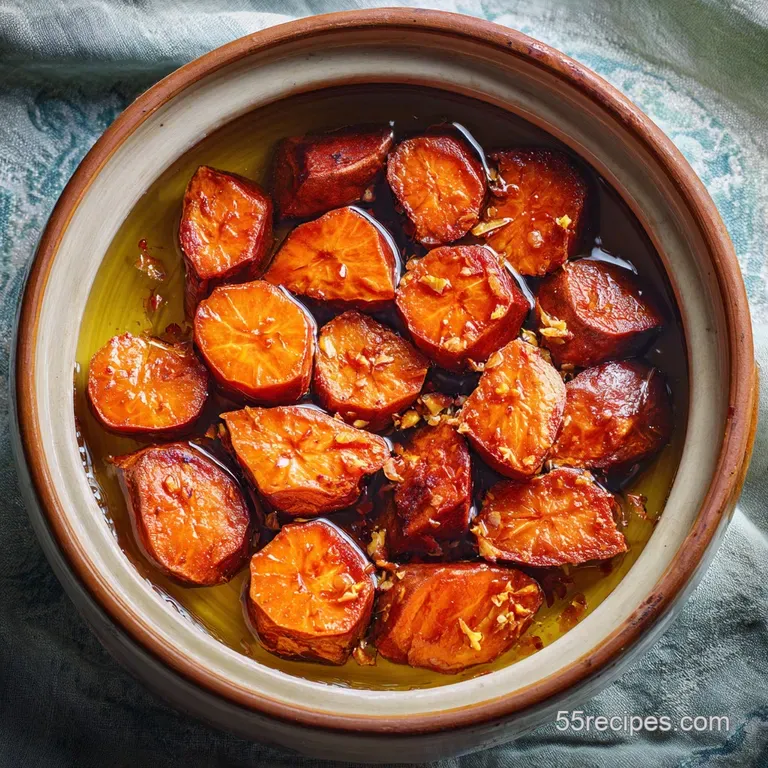
- Time: Active 10 mins, Passive 30 mins, Total 40 mins
- Flavor/Texture Hook: Silky smooth, fork tender, and aromatic
- Perfect for: Stress free meal prep and healthy family dinners
- Tips for Perfectly Boiling Sweet Potatoes
- The Starch Gelatinization Secret
- Science of the Component Analysis
- Foundation and Main Ingredients
- The Path to Fluffy Potato Success
- Solving Common Cooking Mishaps Fast
- Creative Ways to Season Your Spuds
- Keeping Leftovers Fresh and Tasty
- Perfect Main Dishes for This Side
- Debunking Heat and Salt Myths
- Recipe FAQs
- 📝 Recipe Card
Tips for Perfectly Boiling Sweet Potatoes
The scent of rosemary hitting boiling water always takes me back to my first tiny apartment kitchen. I remember trying to rush a Sunday roast, tossing whole sweet potatoes into a rolling boil and ending up with something that was half raw in the middle and falling apart on the outside. It was a mess, honestly.
But that mistake taught me that patience and a few aromatics change everything.
When you get boiling sweet potatoes right, the texture is completely different from baking. While roasting brings out a concentrated sugar punch, boiling offers a clean, velvety canvas that absorbs whatever flavors you throw at it.
It's the ultimate comfort food that doesn't feel heavy, and your kitchen will smell incredible thanks to the garlic and peppercorns.
We're going to treat these spuds with the respect they deserve. No more soggy, sad potatoes. By the time we're done, you'll have tender gems ready for a dash of butter, a quick mash, or even a bright citrus salad.
It's brilliant how such a simple technique can become a staple once you know the tricks I’ve picked up over the years.
The Starch Gelatinization Secret
Controlled Heating: Starting in cold water allows the starch granules to swell and gelatinize gradually from the edge to the core. This prevents the outside from overcooking and disintegrating before the middle is even warm.
| Method | Time | Texture | Best For |
|---|---|---|---|
| Stovetop | 30 minutes | Velvety and moist | Mashing and salads |
| Oven Roast | 50 minutes | Caramelized and dense | Side dishes with skin |
| Microwave | 8 minutes | Soft but slightly uneven | Quick solo lunches |
Cooking sweet potatoes on the stove is often the most versatile choice for families because it yields a consistent texture every time. Unlike the oven, which can sometimes dry out smaller pieces, the water bath ensures every inch of the potato stays hydrated and silky.
Science of the Component Analysis
| Ingredient | Science Role | Pro Secret |
|---|---|---|
| Sea Salt | Enhances flavor and firms pectin | Add it to the cold water to season the potato deeply. |
| Fresh Rosemary | Fat soluble aromatic infusion | Bruise the leaves slightly before tossing them in the pot. |
| Garlic Cloves | Sulfuric aromatic depth | Smashing the cloves releases more oils than leaving them whole. |
Using the right variety of potato is just as important as the technique itself. Garnet or Jewel varieties are higher in moisture and sugar, which means they hold their shape better during a boil compared to the starchier white fleshed versions.
Foundation and Main Ingredients
For this recipe, we are keeping things simple and flavorful using high-quality staples you likely already have in your pantry.
- 2 lbs sweet potatoes: Choose Garnet or Jewel varieties. Why this? They provide a vibrant orange color and a naturally sweet, moist crumb.
- Substitute: Beauregard potatoes work if Jewels are unavailable; they have a similar sugar profile.
- 1 tbsp sea salt: Used for seasoning the water. Why this? Sea salt has a cleaner finish than standard table salt.
- Substitute: 1 tbsp Kosher salt (like Diamond Crystal) provides a similar salinity.
- 2 cloves garlic: Smashed to release flavor. Why this? It infuses the water with a subtle, savory undertone.
- Substitute: 1/2 tsp garlic powder if fresh is out of reach, though fresh is better.
- 1 sprig fresh rosemary: For a woody, herbal scent. Why this? The oils stand up well to the heat of boiling water.
- Substitute: 1/2 tsp dried rosemary, but place it in a tea infuser to avoid "pine needles" in your mash.
- 1 tsp black peppercorns: To add a mild heat. Why this? Whole peppercorns perfume the water without discoloring the potatoes.
- Substitute: A few cracks of fresh black pepper at the very end.
The Path to Fluffy Potato Success

- Scrub 2 lbs sweet potatoes. Use a vegetable brush under cold running water to remove any dirt or debris from the skin. Note: This ensures the infusion water stays clean.
- Place potatoes in a pot. Arrange them in a single layer if possible so they cook at the same rate.
- Add 1 tbsp sea salt. Sprinkle this directly over the potatoes along with the smashed garlic, rosemary, and peppercorns.
- Cover with cold water. Fill the pot until the water sits about 1 inch above the top of the potatoes.
- Boil then simmer. Bring the water to a rolling boil over high heat, then immediately drop it to a medium low simmer.
- Maintain the heat. Simmer for 20 to 30 minutes until a knife slides in with zero resistance.
- Test the doneness. Check the thickest part of the largest potato; it should feel soft like butter.
- Drain the liquid. Carefully pour the contents into a colander, discarding the aromatics and peppercorns.
- The Critical Steam Dry Phase. Return the drained potatoes to the hot pot for 2 minutes off the heat. Watch for the surface moisture to vanish.
- Peel and serve. If you boiled them whole, the skins should now slip off easily with just a gentle tug.
Chef's Tip: If you are in a massive rush and can't wait for the water to boil, you can use my How to Microwave recipe to get a head start, though you'll miss out on that beautiful rosemary infusion.
Solving Common Cooking Mishaps Fast
Correcting Texture for Mushy Potatoes
If your potatoes are falling apart, they likely spent too much time at a hard boil rather than a gentle simmer. High heat agitates the outside, causing it to slough off while the inside stays firm. Next time, keep the water at a lazy bubble.
If they are already mushy, turn them into a puree with a bit of cream to save the dish.
Fixing Raw Centers in Whole Potatoes
This usually happens when the water is too hot too fast. The outside cooks, but the heat doesn't have time to penetrate the core. To fix this, you can slice the undercooked potatoes and return them to simmering water for another 5 minutes.
Always start with cold water to give the heat a "running start" at reaching the center.
| Problem | Root Cause | Solution |
|---|---|---|
| Discolored Flesh | Oxidation from air exposure | Keep potatoes submerged in water until ready to boil. |
| Waterlogged Taste | Overcooking or skipping steam dry | Drain immediately and let sit in the hot pot to evaporate water. |
| Tough Skins | Under washing or old potatoes | Scrub well and ensure they simmer long enough to soften the pectin. |
Common Mistakes Checklist
- ✓ Never start with boiling water; always begin with cold water for even cooking.
- ✓ Don't skip the salt in the water; it's your only chance to season the interior.
- ✓ Avoid a vigorous boil which breaks the delicate exterior of the spud.
- ✓ Always perform the "steam dry" step to prevent a soggy, watery mash.
- ✓ Leave the skins on during boiling to lock in the natural sugars and nutrients.
Creative Ways to Season Your Spuds
Savory Meal Prep Variations
For a savory twist, I love tossing these boiled potatoes with a bit of sea salt and smoked paprika. They hold up beautifully in the fridge and don't get that weird "reheated" taste that some vegetables do. If you want to take it to the next level, drizzle them with a bit of my Brown Butter Sauce recipe right before serving. The nuttiness of the butter against the sweet potato is just heaven.
Sweet Casserole Preparation Methods
If you are planning to use these for a classic holiday casserole, boil them whole until they are just barely tender. This allows you to slice them into clean rounds or cubes that hold their shape under a layer of pecans and maple syrup.
The rosemary in the boiling water actually adds a sophisticated floral note that balances out the heavy sugar in dessert style sides.
The Cold Water Start Advantage
Starting with cold water isn't just a suggestion; it’s a requirement for success. As the water temperature rises, it gives the enzymes in the potato time to break down starches more effectively.
If you drop a cold potato into boiling water, the outside goes into "thermal shock," leading to that grainy, unappealing texture we all want to avoid.
Keeping Leftovers Fresh and Tasty
Store any leftover boiled sweet potatoes in an airtight container in the refrigerator for up to 4 days. I find they actually get a little firmer as they chill, which makes them perfect for dicing into a breakfast hash the next morning.
If you want to freeze them, I recommend mashing them first; whole boiled potatoes can sometimes become slightly "spongy" after thawing due to the water content.
For a zero waste tip, don't throw away those skins! If you peeled the potatoes after boiling, you can toss the skins with a little olive oil and salt and crisp them up in a pan. They make a crunchy, nutrient dense snack that my kids actually prefer over potato chips.
Also, the boiling water (if you omit the peppercorns) is full of nutrients and can be cooled to water your indoor plants they love the extra minerals.
Perfect Main Dishes for This Side
These potatoes are the ultimate wingman for almost any protein. Because they have that subtle rosemary and garlic hint, they pair perfectly with a roasted chicken or a pan seared steak. I also love serving them alongside a big bowl of greens for a lighter lunch.
The sweetness of the potato balances out bitter greens like kale or chard beautifully.
Decision Shortcut: If you want X, do Y If you want the creamiest mash, boil the potatoes whole with the skin on to trap all the starch inside. If you want perfect cubes for a salad, peel and cube the potatoes before boiling, but reduce the cook time by 10 minutes.
If you want a sweet and salty snack, boil them whole, smash them flat on a baking sheet, and broil for 5 minutes.
Right then, you are all set to master the art of the humble boiled spud. It’s one of those basic skills that makes everything else in the kitchen feel a little easier. Trust me, once you taste the difference that a cold start and a few aromatics make, you’ll never go back to just "throwing them in a pot" again.
Happy cooking!
Debunking Heat and Salt Myths
One common misconception is that adding salt to the water makes the potatoes take longer to cook. In reality, salt actually helps break down the hemicellulose in the potato cell walls, which can slightly speed up the softening process while seasoning the spud from the inside out. It's a win win for flavor and texture.
Another myth is that you must peel the potatoes before boiling to get them soft. Actually, keeping the skin on acts like a natural "flavor jacket." It prevents the water from diluting the natural sugars and keeps the potato from becoming waterlogged.
Plus, the skin is much easier to remove once the potato is fully cooked and tender.
Recipe FAQs
How long should I boil sweet potatoes?
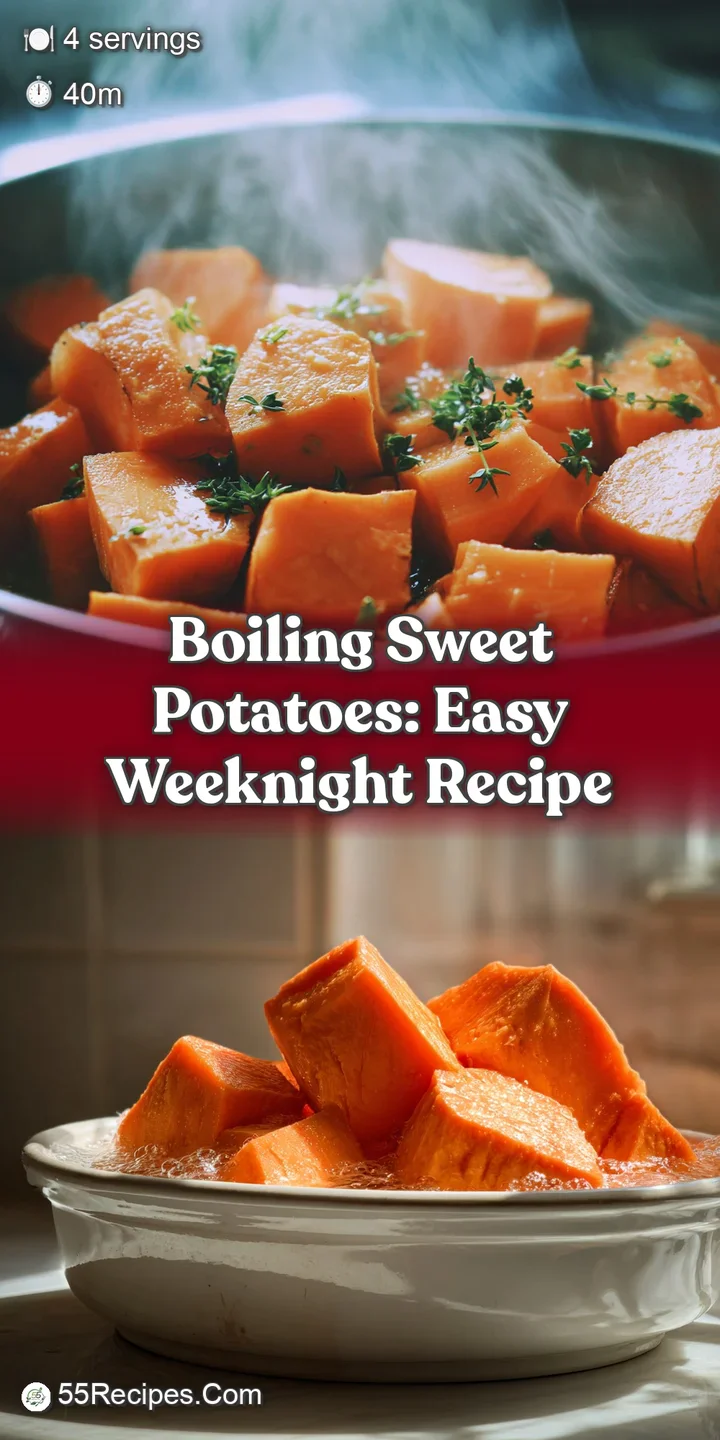
Generally 20-30 minutes. This allows them to become fork tender without turning mushy, assuming you started with cold water and maintain a gentle simmer.
Is it healthier to boil sweet potatoes?
Yes, it can be. Boiling retains more water soluble vitamins compared to roasting, and it's a low-fat cooking method, making it a healthy choice for meal prep.
How do I know my sweet potatoes are done boiling?
Insert a knife into the thickest part. It should slide in with zero resistance, feeling as soft as butter.
How many minutes should you cook a sweet potato?
About 20-30 minutes for boiling. This time can vary slightly based on the size of the potato and whether you've cut it, but always test for tenderness.
Can I boil sweet potatoes from frozen?
No, it's not recommended. Frozen sweet potatoes release excess moisture and can become very mushy and watery when boiled. It's best to thaw them first or use them in baked dishes.
What happens if I boil sweet potatoes too long?
They become mushy and waterlogged. While still edible, they lose their structure and won't hold their shape well for salads or cubes, becoming best suited for mashing. If you enjoyed mastering temperature control here, apply that same precision to our How to Cook Beef Tenderloin in Oven: My Guaranteed Juicy Recipe.
Can I add flavorings to the boiling water?
Absolutely, yes! Adding aromatics like garlic, rosemary, or peppercorns to the cold water before boiling infuses the sweet potatoes with subtle flavors. This method is fantastic for dishes where you want a nuanced taste, such as in preparations for a Sweet Noodle Kugel Recipe A Comforting Classic for Your Family.
Boiling Sweet Potatoes
Ingredients:
Instructions:
Nutrition Facts:
| Calories | 194 kcal |
|---|---|
| Protein | 3.6 g |
| Fat | 0.1 g |
| Carbs | 45.5 g |
| Fiber | 6.8 g |
| Sugar | 9.5 g |
| Sodium | 215 mg |
