The Little Rhody Treasure Clearbroth Rhode Island Clam Chowder
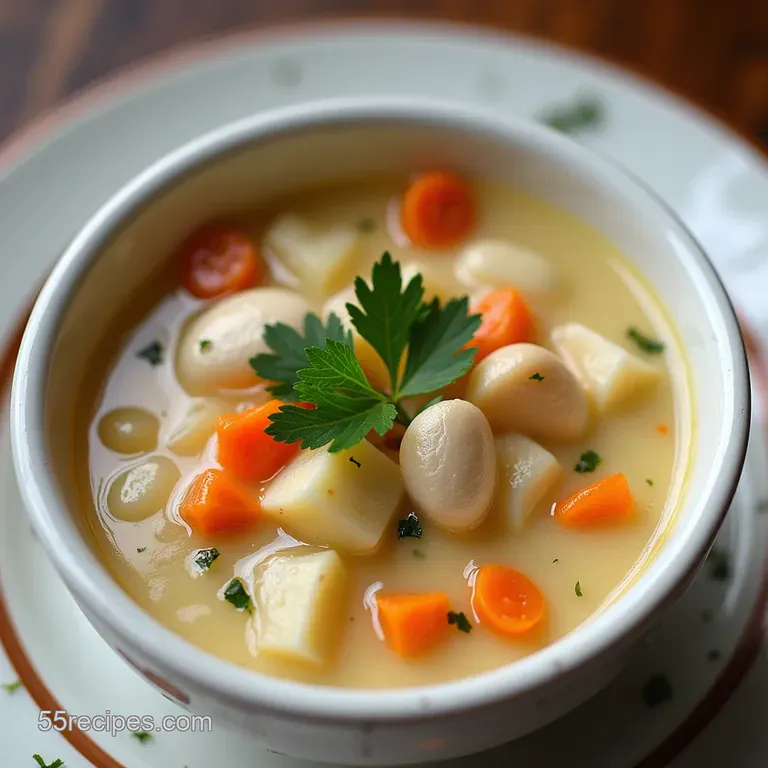
- Dipping into the Distinctive Delight of Rhode Island Clam Chowder
- Why Clear Broth Reigns Supreme in Little Rhody Cuisine
- Assembling the Hallmarks of This Coastal Classic
- Mastering the Steps to Perfect Rhode Island Clam Chowder
- Extending Enjoyment: Storage and Reheating Insights
- Beyond the Recipe: Tips for Culinary Exploration
- Solving Common Chowder Conundrums
- Recipe FAQs
- 📝 Recipe Card
Dipping into the Distinctive Delight of Rhode Island Clam Chowder
Forget the cream! Rhode Island (or Manhattan, depending on who you ask!) Clam Chowder is celebrated for its crystal clear, flavour packed broth. This recipe highlights the sweet salinity of fresh clams, balanced perfectly with tangy tomatoes, crisp celery, and earthy potatoes.
It’s lighter than its New England cousin but delivers a powerful punch of seaside flavour a true taste of Narragansett Bay in a bowl. Making this chowder is surprisingly straightforward; we classify its Difficulty Level as Easy .
This is largely a matter of gentle simmering and patience. There are no complicated roux techniques or tricky emulsifications. If you can chop vegetables and follow a timer, you’re golden.
When planning your culinary adventure, anticipate about 25 minutes of Prep Time (chopping veggies, shucking/cleaning clams if using fresh) and approximately 40– 45 minutes of Cook Time , yielding a total time commitment of just over an hour to produce 6 hearty servings .
Why Clear Broth Reigns Supreme in Little Rhody Cuisine
The defining characteristic of the Rhode Island Clam Chowder recipe is its transparent, tomato tinged liquid base. This approach stands in sharp contrast to the opaque, dairy laden preparations found elsewhere.
The focus here is purity of flavour allowing the natural sweetness of the clams and the acidity of the tomatoes to shine through unmasked by heavy cream or milk. This clear clam chowder recipe demands high-quality liquid components, as they form the very backbone of the finished dish.
Anticipating the Authentic Taste Experience
When you take that first spoonful of genuine Rhode Island Clam Chowder , you should immediately notice the bright acidity provided by the tomatoes, followed by the savory depth of the clam liquor.
The vegetables onion and celery provide a gentle aromatic foundation, while the potatoes melt slightly to give the broth a natural, subtle body without ever becoming thick.
The Crucial Difference: Broth vs. Cream Base
The fundamental difference between New England and Rhode Island clam chowder lies entirely in the liquid component. New England chowder relies on a roux or copious amounts of heavy cream to achieve its signature thickness, resulting in a richer, heavier mouthfeel.
Conversely, Rhode Island style utilizes a small amount of flour to slightly thicken the clear stock, focusing on a lighter, more refreshing experience. This crucial distinction is what separates the two iconic regional bowls.
A Quick Look at Yield and Preparation Timings
As noted, preparing this coastal classic takes about an hour and ten minutes from start to finish, yielding six generous portions. The Prep Time is slightly extended if you opt for fresh clams requiring shucking, but the cooking process remains relatively swift.
Understanding the Matunuck Style Heritage
While there are minor local variations, the best Rhode Island clam chowder often echoes the Matunuck style , which historically centered around the clams harvested near the Matunuck barrier beach area.
This style emphasizes a clean, unadulterated seafood taste, often utilizing local produce to complement the brine.
Assembling the Hallmarks of This Coastal Classic
To achieve this authentic bright flavour profile, precision in ingredient selection is key. We are aiming for clean, robust flavours that sing together without overpowering one another.
Procuring Premium Clams and Produce Essentials
For the Rhode Island Clam Chowder ingredients , we will rely heavily on clam juice for the base. If you are making a fresh clam chowder recipe , aim for soft shell clams (steamers), which provide fantastic liquor when cooked.
However, an excellent result can also be achieved using Rhode Island clam chowder with canned clams , provided you reserve the liquid from those cans! For produce, select firm, white potatoes (Russets are ideal) and ensure your onions and celery are finely diced to dissolve into the broth subtly during cooking.
Selecting The Right Potato Starch for Texture Control
We include Russet potatoes, roughly diced into half inch cubes. These are vital because they release just enough starch as they soften during the simmer to give the broth the merest hint of body, preventing it from feeling watery, yet remaining perfectly clear.
This natural starch release is preferable to relying heavily on added thickeners.
Optional Enhancements for a Personal Touch
While tradition calls for simplicity, a splash of dry white wine (like Pinot Grigio) is highly recommended. It adds a layer of subtle acidity that brightens the entire dish before the tomatoes even enter the pot. A small amount of fresh parsley at the end is non-negotiable for visual appeal and fresh aroma.
Related Recipes Worth Trying
- Grilled Mahi Mahi with Mango Salsa Taste of the Islands — Bring the tropics home with my IslandSpiced grilled mahi mahi recipe Easy healthy and bursting with flavour thanks to a vibrant mango salsa Get the recipe
- Shrimp Corn Soup: Seaside Chowder, Ready in a Jiffy! — Craving proper comfort food? My easy shrimp corn soup recipe, or seafood chowder, is ready in under an hour! Creamy, sweet, and simply delicious. Get the...
- My Family's Favorite Chicken Corn Chowder Recipe Comfort In Every Bite — Looking for the best chicken corn chowder recipe? Try my cozy, creamy version, perfect for quick weeknight dinners! You'll love it!
Mastering the Steps to Perfect Rhode Island Clam Chowder
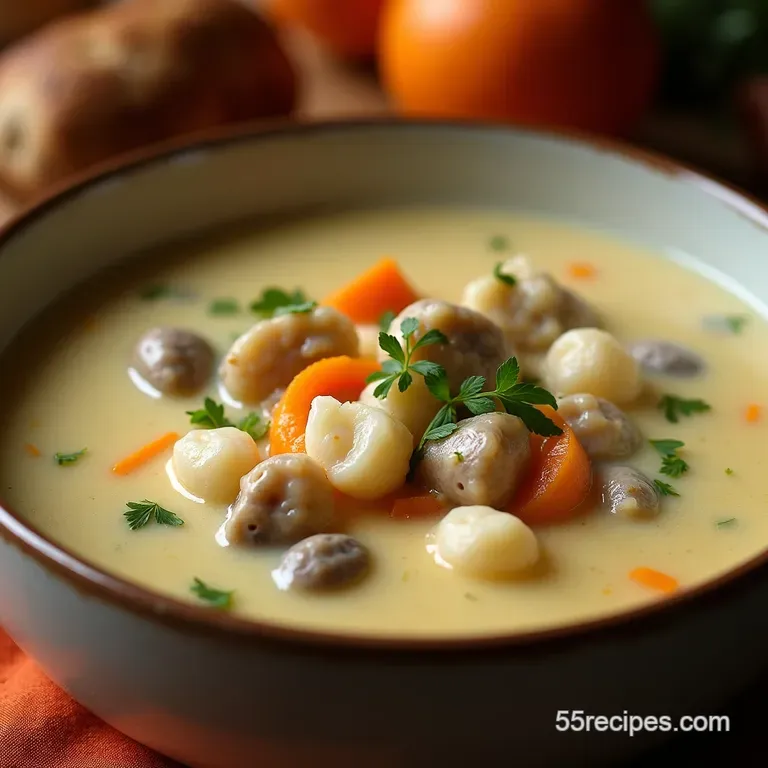
The process moves smoothly from building the aromatic base to achieving that signature clear simmer. We use only 3 tablespoons of unsalted butter to sauté the initial vegetables, keeping the fat content intentionally low.
Developing the Clear, Savoury Foundation
To begin, melt the butter in a large Dutch oven over medium heat. Into this, add one large, finely diced yellow onion and two finely diced celery stalks.
The Initial Sauté: Building Aromatic Depth
Gently sauté these aromatics for a full 8 to 10 minutes until they are completely softened and translucent the goal here is sweetness, so absolutely avoid any browning. Once softened, sprinkle in 2 tablespoons of all-purpose flour and stir continuously for just one minute.
This light application of flour, known as a singer , will bind slightly with the fats and vegetables. If using wine, pour in 1/2 cup of dry white wine now and let it bubble vigorously, scraping the bottom of the pot to lift any flavourful fond, allowing the liquid to reduce by half.
Next, introduce the flavour foundation: 6 cups of low-sodium clam juice. Follow this with one 14.5-ounce can of diced tomatoes (undrained for colour and flavour), 1/2 teaspoon of dried thyme, and one large bay leaf. Bring this mixture up to a gentle simmer.
Simmering Secrets for Tender Clams
Once simmering, add 1.5 pounds of peeled and diced Russet potatoes. Cover partially and let this cook gently for 15 to 20 minutes until the potatoes are easily pierced with a fork. This step is crucial for developing the broth’s character.
After the potatoes are tender, introduce your clams either 2 (10-ounce) cans of drained clams or 2 pounds of fresh, coarsely chopped clams.
Achieving Optimal Clarity and Final Seasoning Checks
If using canned clams, allow them to heat through for only about 5 minutes; fresh clams require perhaps 7 minutes, just until they are opaque and firm.
Remember, the key to the Rhode Island Clam Chowder success is preventing rubbery seafood, so time this addition carefully. Remove the bay leaf immediately after the clams are cooked. Now is the time to taste cautiously.
Adjust seasoning with salt and freshly ground black pepper, mindful that the clam juice already provides significant salinity. Finish by stirring in 1/4 cup of fresh, chopped parsley before ladling out this bright, brothy interpretation of a classic.
Extending Enjoyment: Storage and Reheating Insights
This chowder, due to its clear broth, is relatively robust for storage. It can be kept refrigerated in an airtight container for up to three days. When stored, the potatoes may continue to break down slightly, which can thicken the broth marginally, but it should not solidify completely as a cream based chowder would.
Refreshing Leftovers: Maintaining Broth Integrity
When reheating, use low to medium heat. Avoid a hard boil at all costs, as this can toughen the clams that have already been cooked once. If the broth seems to have reduced too much upon reheating, you can thin it back out by stirring in a splash of fresh clam juice or even just water while gently warming.
This preserves the texture without introducing dairy or heavy starches.
Beyond the Recipe: Tips for Culinary Exploration
While sticking to the foundational Rhode Island Clam Chowder ingredients yields perfection, feel free to explore. A small addition of smoked paprika can introduce a lovely, subtle smokiness often missing in clearer versions.
Alternatively, for an herbaceous lift beyond parsley, a sprig of fresh dill added during the final five minutes of simmering offers a beautiful, almost Scandinavian twist to this New England staple.
Solving Common Chowder Conundrums
Even experts sometimes face challenges when aiming for that pristine clarity. Addressing potential pitfalls early ensures your batch turns out exactly as expected.
Alternative Herbs and Spice Pairings
Should thyme feel too heavy for your palate, consider substituting it with a half teaspoon of dried marjoram for a softer, sweeter herbaceous note that complements the tomato acid beautifully. Avoid overly pungent spices like cumin, which will completely hijack the delicate clam flavour central to this dish.
Password to Success: Avoiding Overcooking the Clams
The single most important operational rule when crafting any fresh clam chowder recipe , whether it uses fresh or canned stock, is precise timing on the clam addition. Clams are cooked rapidly; once they are firm and slightly curled, they are done.
Every minute past that point degrades their tender texture, regardless of how delicious the broth may be. Honour the clam, and it will honour your bowl!
Recipe FAQs
What makes Rhode Island Clam Chowder different from New England style?
The main difference, plain and simple, is the broth! New England clam chowder uses cream or milk, making it thick and opaque, whereas Rhode Island Clam Chowder is famous for its clear, tomato and-broth base think of it as the lighter, zingier cousin.
Can I make this ahead of time, and how should I store leftovers?
Absolutely, like most soups, this chowder tastes even better the next day once the flavours have properly melded. Store leftovers in an airtight container in the fridge for up to 3 days. When reheating, do so gently on the stovetop; avoid boiling, as this can toughen the clams.
My clams turned out rubbery what did I do wrong in making the Rhode Island Clam Chowder?
Ah, the dreaded rubber clam! This is usually down to overcooking. Clams cook incredibly quickly; once you add them, they only need about 5 7 minutes until they plump up. If you are using canned clams, they only need 5 minutes to heat through. Pull the heat back to a gentle simmer when you add them!
I can’t find fresh clams are canned clams okay to use for this recipe?
Canned clams work just fine, provided you save that lovely liquor! Just be sure to drain them and only add them near the very end of the cooking time, as mentioned. They won't give you the same texture as freshly shucked, but they still pack a brilliant salty punch.
Is there a way to make this recipe less salty, as clam juice can be quite high in sodium?
That's a cracking point; sodium can sneak up on you! Always opt for low-sodium clam juice if you can find it. Crucially, wait until the very end to add any extra salt, and only season after tasting, as the canned clams and their liquid usually provide most of what you need.
Clear Rhode Island Clam Chowder
Instructions:
Nutrition Facts:
| Calories | 300 Cal |
|---|---|
| Fat | 9g |
| Fiber | 4g |
