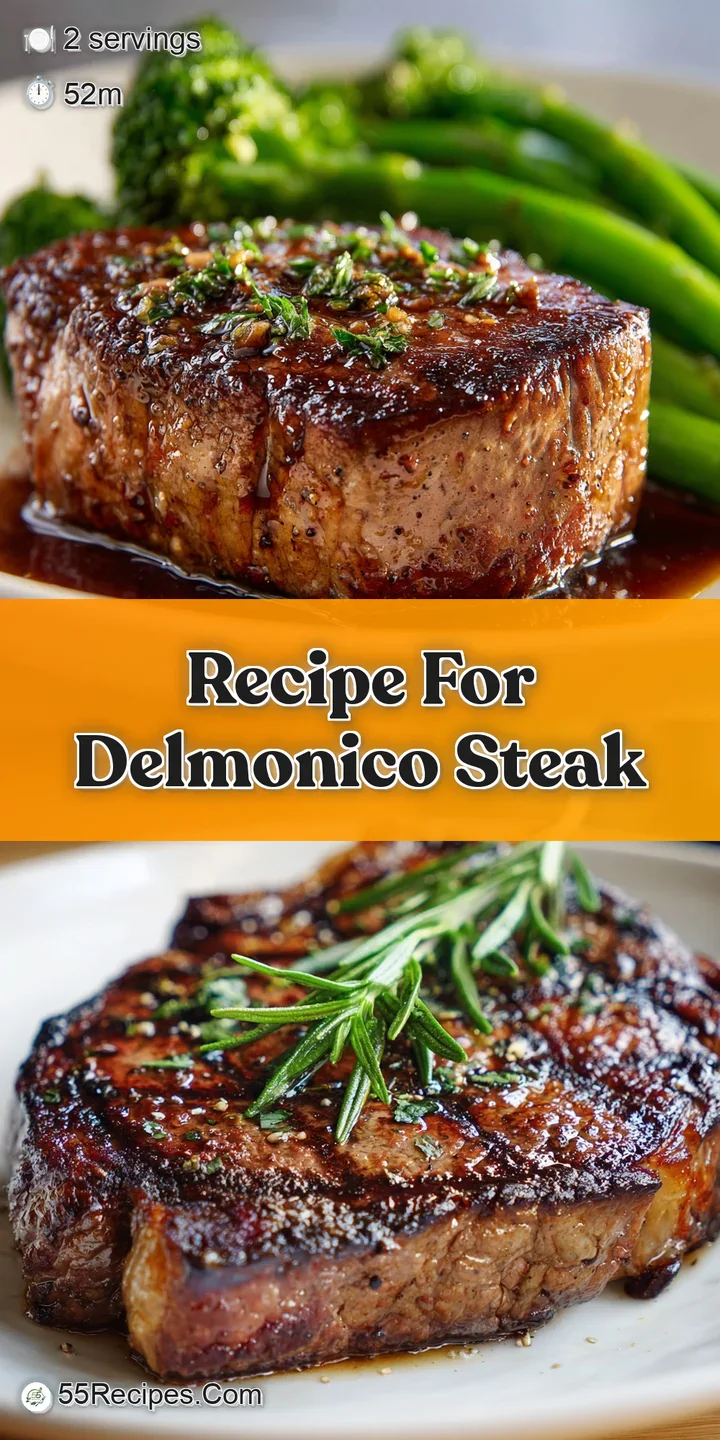
Recipe for Delmonico Steak: Cast Iron
- Time: Active 12 minutes, Passive 40 minutes, Total 52 minutes
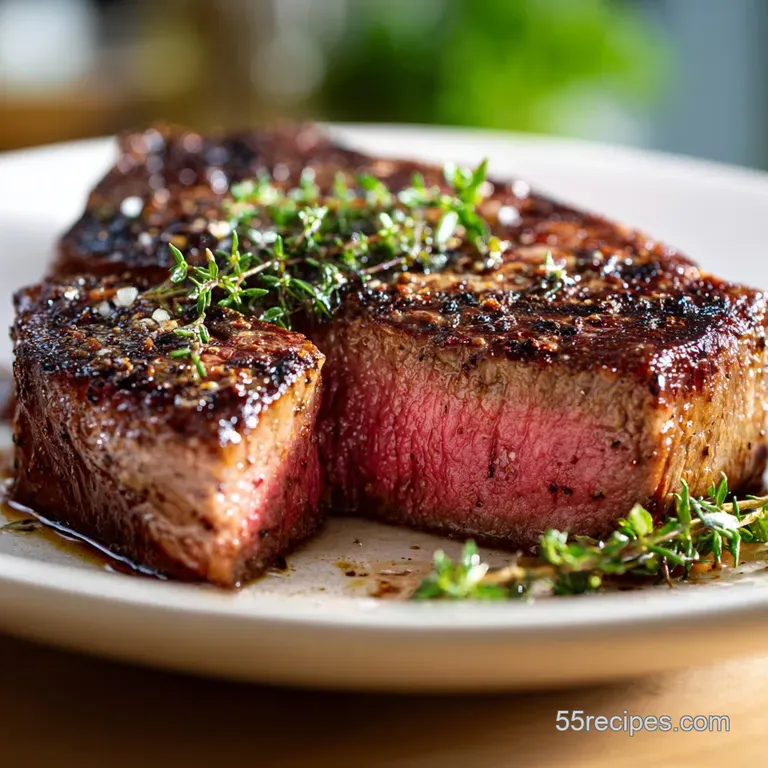
- Flavor/Texture Hook: A mahogany dark, salty crust yielding to a buttery, velvety center
- Perfect for: Anniversary dinners or a nostalgic weekend comfort meal
- The Heritage Secret Behind This Recipe for Delmonico Steak
- Essential Specs for a Hearty Steakhouse Experience
- The Component Analysis of Steak Success
- The Anatomy of Flavor: Selecting Your Elements
- The Cast Iron Gear Required for Proper Searing
- From Prep to Plate: Timing Your Searing Success
- Professional Techniques to Avoid the Dreaded Gray Ring
- Clever Variations for Your Original Delmonico Steak Recipe
- Cooking Myths Debunked
- Smart Storage and Zero Waste Steakhouse Leftover Tips
- Nostalgic Sides to Complete This Iconic Comfort Meal
- Very High in Sodium
- Recipe FAQs
- 📝 Recipe Card
The Heritage Secret Behind This Recipe for Delmonico Steak
Picture a heavy cast iron skillet, the kind passed down through generations, humming with radiant heat on a Tuesday evening. I still remember the first time I attempted a high end steak at home; I was so terrified of ruining the meat that I poked it every thirty seconds, essentially steaming it in its own juices.
The result was a gray, sad piece of beef that tasted like missed potential. It wasn't until I embraced the patience of the dry brine and the violent sizzle of a screaming hot pan that I truly understood the art of the Delmonico.
We aren't just making dinner here, we're recreating a mouthwatering classic that feels like a warm hug from a simpler time. This recipe for delmonico steak focuses on the ribeye cut, known for its incredible marbling and rich, beefy flavor.
By using a heavy bottomed pan and high fat butter, we create a rich baste that coats the meat in a layer of savory gold. It’s the kind of meal that makes the kitchen feel like the heart of the home, filled with the aroma of toasted garlic and fresh thyme.
You don't need a professional kitchen to achieve that iconic mahogany crust. What you need is a bit of science, a lot of heat, and the confidence to let the meat do its thing without interference.
We’re going to walk through the exact steps to ensure your steak is edge to edge tender, with no "gray ring" in sight. Whether you're a seasoned home cook or just starting your culinary journey, this method will become your new gold standard for comfort food classics.
Essential Specs for a Hearty Steakhouse Experience
The Osmotic Shift: Salt draws moisture to the surface initially, but given 40 minutes, that moisture dissolves the salt and is reabsorbed into the muscle fibers, seasoning the beef deeply.
The Maillard Reaction: At temperatures above 300°F, proteins and sugars on the steak's surface reorganize into hundreds of flavor compounds, creating that signature crust.
Carryover Cooking Physics: The exterior of the steak remains much hotter than the center once removed from the heat, continuing to push energy inward and raising the internal temperature by another 5 to 10 degrees.
Connective Tissue Breakdown: The high fat content in a Delmonico cut begins to render at 130°F, lubricating the muscle fibers and providing that signature velvety mouthfeel.
| Steak Thickness | Target Internal Temp | Total Rest Time | Visual Doneness Cue |
|---|---|---|---|
| 1 inch | 130°F (Medium Rare) | 8 minutes | Warm red center |
| 1.5 inches | 135°F (Medium Rare) | 10 minutes | Pink with red core |
| 2 inches | 140°F (Medium) | 12 minutes | Consistent pink |
The thickness of your cut is the most important variable when following this recipe for delmonico steak. A thicker steak allows for a more aggressive sear without overcooking the delicate interior, which is why we specify 1.5 inch cuts for this particular method.
The Component Analysis of Steak Success
| Ingredient | Science Role | Pro Secret |
|---|---|---|
| Kosher Salt | Protein Denaturant | Use coarse grains to cover more surface area without over salting |
| European Butter | Fat Emulsification | The lower water content prevents splattering and creates a thicker baste |
| Fresh Thyme | Aromatic Infusion | Bruise the leaves slightly before adding to the pan to release oils |
| Garlic Cloves | Flavor Catalyst | Keep the skin on to prevent the garlic from burning during the over high heat sear |
Selecting the right components is half the battle when you're aiming for that mouthwatering finish. If you’re looking to experiment with different cuts or sauces, you might find inspiration in my Skirt Steak recipe which uses similar over high heat principles but with a shorter cooking window.
The Anatomy of Flavor: Selecting Your Elements
- 2 (17 oz) Delmonico Steaks (Ribeye cut): Look for heavy marbling. Why this? Intramuscular fat provides flavor and tenderness.
- Substitute: New York Strip (will be leaner and slightly firmer).
- 2 tsp Kosher salt: Essential for the dry brine. Why this? Larger crystals dissolve slower for better penetration.
- Substitute: Sea salt (use slightly less if the grain is fine).
- 1 tsp coarsely cracked black peppercorns: Adds a spicy bite. Why this? Coarse cracks resist burning better than fine powder.
- Substitute: Pre ground pepper (though flavor will be much weaker).
- 1 tbsp high smoke point oil: Avocado or Grapeseed oil. Why this? Won't smoke or turn bitter at high searing temps.
- Substitute: Canola oil (neutral and heat stable).
- 4 tbsp unsalted high fat European style butter: For the final baste. Why this? Adds a velvety texture and nutty aroma.
- Substitute: Ghee (allows for even higher heat basting).
- 3 cloves garlic: Smashed and peeled. Why this? Gently infuses the butter with savory depth.
- Substitute: Shallots (for a sweeter, more delicate onion note).
- 4 sprigs fresh thyme or rosemary: Earthy aromatics. Why this? Cuts through the richness of the beef fat.
- Substitute: Dried herbs (use only 1 tsp and add late).
- 1 tsp Worcestershire sauce: The secret umami punch. Why this? Enhances the natural beefiness of the ribeye.
- Substitute: Soy sauce (adds saltiness but lacks the vinegar tang).
The Cast Iron Gear Required for Proper Searing
To master this recipe for delmonico steak, your equipment is just as vital as your ingredients. A heavy 12 inch cast iron skillet is the gold standard because it retains heat like nothing else; once it’s hot, it stays hot even when a cold steak hits the surface.
You'll also need a pair of sturdy stainless steel tongs avoid silicone tipped ones here as they can't always grip the heavy steaks securely when you need to sear the fat caps.
An instant read digital thermometer is your best friend. Don't rely on the "finger poke test" which is notoriously unreliable for home cooks. We want precision to ensure we hit that medium rare sweet spot every single time.
Finally,, a small spoon for basting is essential something with a deep bowl helps you scoop up that liquid gold butter to pour over the steaks during the final stage of cooking.
From Prep to Plate: Timing Your Searing Success
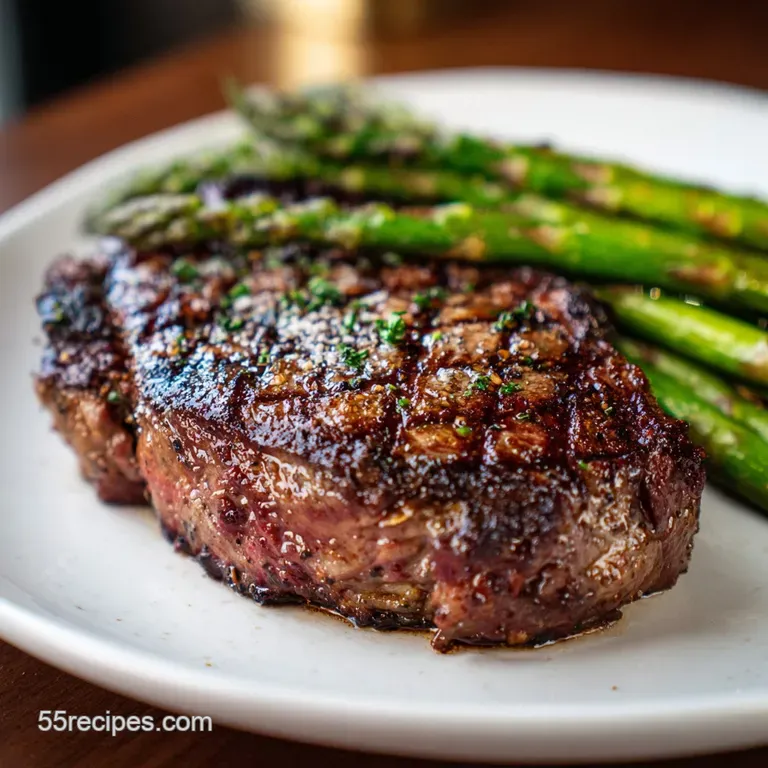
Phase 1: Dry Brine
- Pat the steaks dry. Use paper towels to remove every trace of surface moisture from the beef. Note: Moisture is the enemy of a good sear.
- Season generously. Sprinkle the Kosher salt and cracked pepper over all sides, including the edges.
- Temper the meat. Let the steaks sit at room temperature for 40 minutes until the surface looks slightly tacky and deep red.
Phase 2: The over High heat Sear
- Heat the pan. Place your oil in the skillet over high heat until the oil begins to shimmer and a wisp of smoke appears.
- Place the steaks. Lay the meat into the pan away from you to avoid splashes.
- Develop the crust. Sear for 3 minutes without moving them until a dark mahogany crust forms.
Phase 3: Butter Baste Finish
- Flip and sear. Turn the steaks over and cook for another 2 minutes.
- Add the aromatics. Drop the butter, smashed garlic, herbs, and Worcestershire sauce into the pan. Note: The butter should foam immediately.
- Baste the beef. Tilt the pan and spoon the foaming butter over the steaks continuously for 3 minutes until the internal temperature reaches 130°F.
Phase 4: Oven Bridge
- Rest the meat. Transfer the steaks to a warm plate and pour the pan juices over them.
- Final Wait. Let them rest for 10 minutes until the juices redistribute and the steak feels firm yet yielding.
Professional Techniques to Avoid the Dreaded Gray Ring
Why Your Steak Is Gray
The "gray ring" is a layer of overcooked meat between the crust and the pink center. It happens when heat is applied too slowly or for too long. To fix this, ensure your pan is truly screaming hot before the meat touches it.
A faster sear means the heat stays concentrated on the surface rather than migrating deep into the steak before you're ready.
| Problem | Root Cause | Solution |
|---|---|---|
| Steam instead of sear | Wet meat surface | Pat dry with paper towels multiple times |
| Burnt butter | Added too early | Wait until the second side is halfway done |
| Tough texture | No resting period | Rest for at least 1 minute per ounce of meat |
Common Mistakes Checklist
- ✓ Never cook a steak straight from the fridge; the cold center will stay raw while the outside burns.
- ✓ Avoid using extra virgin olive oil for searing as it has a low smoke point and will turn bitter.
- ✓ Don't crowd the pan; if the steaks are touching, they will steam rather than sear.
- ✓ Use a heavy pan like cast iron to maintain consistent heat throughout the process.
- ✓ Always slice against the grain to ensure the shortest possible muscle fibers for tenderness.
Clever Variations for Your Original Delmonico Steak Recipe
If you want to scale this down for a solo dinner, simply use one steak and cut the butter and aromatics in half. For larger crowds, I recommend searing in batches. Don't try to cram four steaks into one pan; you'll lose all your heat and end up with a gray, boiled looking steak.
Instead, sear two, move them to a baking sheet in a low oven (200°F) to stay warm, and then sear the next two. You can combine all the pan juices at the end for the final rest.
When looking for a different flavor profile, you can swap the thyme for a bright Chimichurri Recipe to add a hit of acidity that cuts right through the ribeye's fat.
Decision Shortcut
- If you want a crunchier crust, add a pinch of sugar to your dry rub to accelerate caramelization.
- If you want a deeper garlic flavor, mince one clove and stir it into the butter before basting.
- If you want a leaner experience, use the same method for a New York Strip but reduce the basting time by 1 minute.
Cooking Myths Debunked
"Searing seals in the juices." This is a total myth that’s been around for decades. Searing actually causes moisture loss on the surface, which is why it gets crispy. The reason we sear is purely for the flavor developed through the Maillard reaction.
Moisture retention is actually controlled by internal temperature and proper resting.
"You should only flip a steak once." This is another nostalgic rule that doesn't hold up to science. Flipping more often can actually help the steak cook more evenly and faster, though for this specific butter basted method, the single flip allows you to focus on building that baste on the second side.
Smart Storage and Zero Waste Steakhouse Leftover Tips
Leftover Delmonico steak is a luxury you should treat with respect. Store it in an airtight container in the fridge for up to 3 days. To reheat, avoid the microwave at all costs it will turn your beautiful medium rare steak into gray rubber.
Instead, place it in a 250°F oven until it reaches an internal temp of 110°F, then give it a very quick 30 second flash sear in a hot pan to crisp the fat back up.
For zero waste, save the steak bones and any trimmed fat. You can render the fat down to make "beef tallow" for roasting potatoes later in the week. The bones can be simmered with onion skins and carrot tops to create a rich beef stock that beats anything you'll find in a carton.
Nostalgic Sides to Complete This Iconic Comfort Meal
To truly honor this recipe for delmonico steak, serve it with something that can soak up that garlic thyme butter. Mashed potatoes with plenty of cream are the classic choice, but a simple piece of crusty sourdough bread toasted in the same pan after the steaks are removed is equally mouthwatering.
The goal is to balance the heavy richness of the beef with something slightly bright or absorbent.
I love serving this alongside a simple wedge salad or some roasted asparagus. The snap of the vegetables provides a necessary contrast to the velvety texture of the ribeye. It turns a simple piece of meat into a full on hearty experience that feels like it belongs in an old school steakhouse.
Don't forget to pour every last drop of that pan butter over the meat before serving that's where the soul of the dish lives.
Very High in Sodium
1280 mg mg of sodium per serving (56% % of daily value)
The American Heart Association recommends limiting sodium intake to about 2,300mg per day for most adults.
Tips to Reduce Sodium in Your Steak:
-
Reduce Salt-25%
Halve the amount of Kosher salt used from 2 tsp to 1 tsp. Even a small reduction can make a big difference in overall sodium content. Salt is the biggest contributor to sodium in this recipe.
-
Limit Worcestershire-20%
Worcestershire sauce is high in sodium. Reduce the amount used from 1 tsp to ½ tsp or eliminate it altogether and substitute with a dash of smoked paprika for a smoky flavor without the sodium. Worcestershire contributes a lot of hidden sodium.
-
Choose Lower Sodium Steak-10%
Ensure the Delmonico steaks (Ribeye cut) are not pre-treated or injected with a sodium solution. Select fresh, natural steaks from your butcher or grocery store. Pre-treated steaks can significantly increase the sodium content.
-
Unsalted Butter
You're already using unsalted butter, which is great! Continue using unsalted butter to control the sodium levels. Using salted butter would add more sodium.
-
Flavor with Herbs
Continue to use fresh herbs like thyme or rosemary to enhance the flavor of the steak without adding sodium. Fresh herbs are a great way to add flavor without salt.
-
Spice It Up
Instead of relying on salt, experiment with other spices like garlic powder (be cautious, some contain salt), onion powder, or smoked paprika to enhance the flavor. These spices offer a different dimension of taste without the sodium.
Recipe FAQs
What is the best way to cook a Delmonico steak?
Sear aggressively, then baste with fat and aromatics. Use a very hot cast iron skillet to build a deep mahogany crust, then immediately reduce heat slightly and continuously spoon foaming butter, garlic, and herbs over the steak until the target internal temperature is reached.
Should I marinate a Delmonico steak?
No, dry brine instead for superior crust and flavor. Marinating introduces surface moisture which inhibits the Maillard reaction necessary for a good crust; instead, generously salt the steak 40 minutes ahead of time to season deeply.
What is the 3 3 3 3 rule for steaks?
No, this isn't a standard rule for Delmonico cuts. The primary focus for this thick cut is achieving high surface heat for a sear (3 minutes per side) followed by a gentle baste, and crucially, a long 10 minute rest.
What is the difference between a Ribeye and a Delmonico?
They are often the same cut, but preparation differs historically. In modern butcher shops, Delmonico is typically synonymous with a well marbled Ribeye, often cut 1.5 inches thick; the difference lies mainly in the traditional preparation style, like the one detailed in this Juicy how to recipe.
How long should a 1.5 inch Delmonico steak rest after cooking?
Rest the steak for a minimum of 10 minutes before slicing. This allows the contracted muscle fibers to relax and reabsorb the internal moisture, preventing the juices from running out when you cut into it.
Is it true that searing locks in all the juices?
No, this is a common misconception. Searing develops incredible flavor through the Maillard reaction but actually causes surface moisture loss; juice retention is primarily achieved by avoiding overcooking and allowing adequate resting time.
How do I maximize the flavor of the basting butter?
Add aromatic elements right before the final baste stage. Toss smashed garlic cloves and fresh herbs into the pan after flipping the steak; if you want an extra savory kick, stir in a teaspoon of Worcestershire sauce right before spooning it over the meat.
Delmonico Steak Recipe Guide
Ingredients:
Instructions:
Nutrition Facts:
| Calories | 1625 kcal |
|---|---|
| Protein | 92 g |
| Fat | 122 g |
| Carbs | 1.5 g |
| Fiber | 0.4 g |
| Sugar | 0.5 g |
| Sodium | 1280 mg |
