Cold Start Classic Quick Garlic and Chili Spaghetti Aglio E Olio
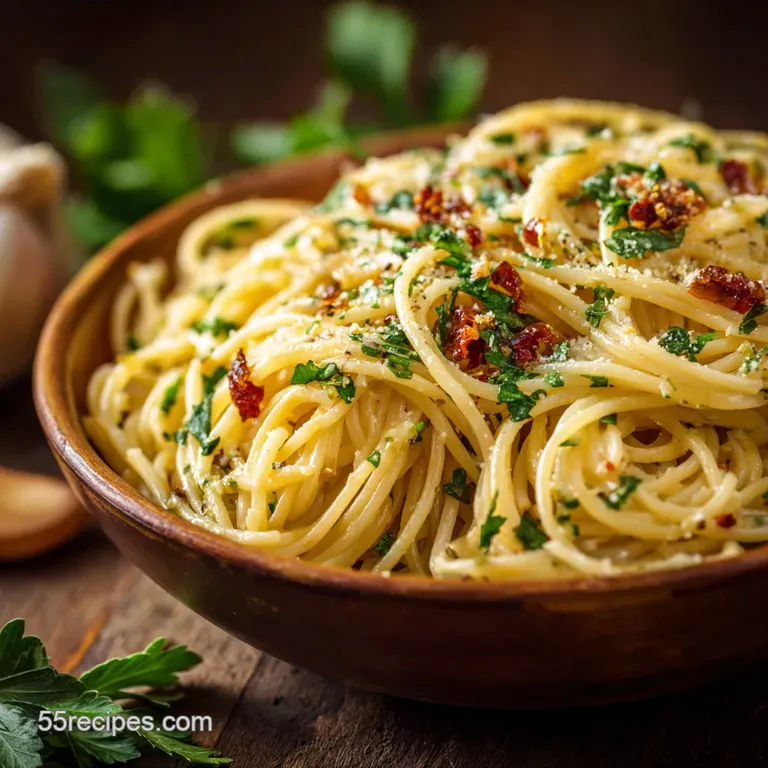
- The Magic of Minimalist Italian Cooking: Why Aglio e Olio Endures
- Unlocking the Secret to Perfect Cucina Povera
- Sourcing the Few Crucial Ingredients for Authentic Flavour
- Essential Equipment Checklist for Your Kitchen Setup
- The Master Method: Achieving a Silky, Saucy Emulsion
- Step-by-Step Guide to Cooking Your Best Garlic Pasta Yet
- Serving Suggestions, Storage, and Common Questions
- Elevating Your Aglio e Olio: Variations on the Classic Dish
- Recipe FAQs
- 📝 Recipe Card
The Magic of Minimalist Italian Cooking: Why Aglio e Olio Endures
There is no Garlic Pasta dish more iconic, elegant, or deceivingly simple than the Italian classic, Spaghetti Aglio e Olio . Hailing from the tradition of cucina povera —the philosophy of "poor kitchen" cooking this preparation proves that maximum flavour doesn't require complex ingredients or hours of effort.
It strips the cooking process down to its bare, beautiful essentials: good oil, potent garlic, and a hint of heat. This simple foundation allows the true quality of the few components to shine.
It is the ultimate expression of how restraint in the kitchen can yield a dish so satisfying it feels like a Roman holiday on a plate. It’s more than just a recipe; it’s a lesson in mastering subtlety.
Unlocking the Secret to Perfect Cucina Povera
Achieving success with this specific garlic pasta recipe hinges entirely on technique rather than volume of ingredients. We are focusing not just on cooking pasta, but on building a delicate, thin sauce using principles of emulsification that transform humble oil and water into a cohesive, velvety coating that truly clings to every strand of spaghetti.
What Exactly is Aglio e Olio, and Where Did It Originate?
Aglio e Olio literally translates to "garlic and oil." While often associated with Rome, this quintessential Garlic and chili spaghetti is primarily rooted in the culinary traditions of Naples.
It was originally a dish born out of necessity relying on staple pantry ingredients that were always available, even to those with limited means. The addition of peperoncino (red pepper flakes) provides a fiery counterpoint to the richness of the olive oil, elevating it from a simple meal to a memorably robust experience.
It stands as the benchmark against which all other garlic pasta dishes are measured.
The Essential Role of Starchy Water in This Quick Garlic Pasta Dish
The true magic behind the success of this quick garlic pasta lies in understanding the function of the starchy pasta cooking water. When starch is released from the boiling spaghetti, it becomes a crucial binding agent.
When this water is combined with the infused olive oil and agitated vigorously, it forces the oil and water molecules to combine, forming a smooth, shiny emulsion rather than an oily puddle. This creates the luxurious, thin "sauce" that defines true Aglio e Olio.
Without this step, the dish remains merely pasta tossed with oil.
Three Reasons This Dish is the Ultimate Weeknight Winner
- Speed and Efficiency: Requiring a total preparation and cook time of under 25 minutes, it is exceptionally fast. While the pasta water boils, the sauce base is infused.
- Ingredient Accessibility: Everything required pasta, olive oil, garlic, and chilli flakes is a staple. There is no specialty produce or complex preparation needed.
- Unbelievable Flavour Return: For such minimal effort and expense, the resulting taste profile is complex, rich, savoury, and perfectly spicy, making it a genuinely elegant pasta dish suitable for serving to guests.
Sourcing the Few Crucial Ingredients for Authentic Flavour
Because this dish relies on so few components, the quality of each ingredient is magnified exponentially. Unlike heavier sauces where average quality can be masked, in Aglio e Olio, the oil is the flavour.
Therefore, we insist on using a high-quality extra virgin olive oil (EVOO) about three quarters of a cup is required for the base. This provides the necessary foundation for the garlic pasta sauce recipe .
Plus,, the recipe calls for a generous amount of garlic: 8 to 10 medium cloves, ensuring a potent, assertive flavour profile. Finally, the salt for the pasta water must be flaky sea salt, used aggressively, ensuring the spaghetti is seasoned from within.
Essential Equipment Checklist for Your Kitchen Setup
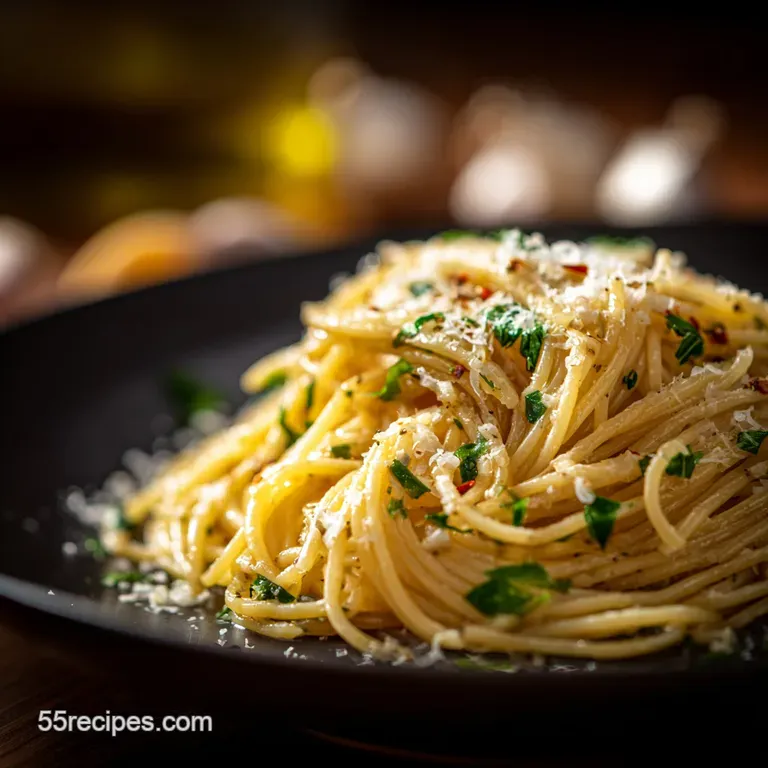
Preparation for this dish is straightforward, but having the right tools makes the crucial emulsification step far easier and more reliable.
Selecting the Right Olive Oil: Beyond Extra Virgin
While Extra Virgin Olive Oil is the standard, look for one labeled as "high-quality" or "cold pressed." Since the fat content per serving is significant (up to 40g), and the oil forms the entire substance of the sauce, choosing a robust, peppery oil will dramatically improve the final taste.
Reserve one tablespoon of this fine oil to drizzle over the dish just before serving, adding a fresh, raw aromatic note.
The Great Debate: Slicing vs. Mincing Your Garlic
For the classic Aglio e Olio, slicing is non-negotiable. Mincing the garlic causes it to burn too quickly and releases moisture inconsistently. We need 8 to 10 cloves, thinly and consistently sliced.
This consistency ensures the garlic heats evenly during the crucial cold start infusion, turning a uniform golden blond rather than scorching and developing a bitter flavour.
Choosing the Perfect Pasta Shape to Hold the Sauce
Spaghetti or Linguine are the traditional choices. Their long, cylindrical shape is ideal for holding the thin, shiny emulsion. We recommend 1 lb (450 g) of dried spaghetti. Avoid overly thin types like Vermicelli or very small shapes, as they lack the surface area and resilience needed for the vigorous tossing required during the final sauce making process.
Why A Wide Skillet is Non-Negotiable
A large, deep sauté pan or wide skillet is absolutely essential. You must have sufficient surface area and depth to be able to vigorously toss the cooked spaghetti, the oil, and the starchy water together.
This agitation is the mechanical force that creates the emulsion; attempting this in a small pot will result in a mess and a failed sauce.
Related Recipes Worth Trying
- Comforting Chicken Thigh Pasta with Tuscan Ragu — This easy chicken thigh pasta recipe delivers a rich creamy Tuscan ragu that tastes like a weekend treat Perfect for a comforting weeknight meal
- Perfect Baked Frozen Salmon No Thaw GarlicHerb Butter Recipe — Right then skip the thawing This No Thaw Salmon Recipe uses a chefs trick for the juiciest Baked Frozen Salmon coated in garlic butter glaze A fast frozen...
- Lazy Sunday 5 Ingredient Pasta Recipes with Burrata — Need a lazy dinner This 5 ingredient pasta recipe is pure comfort Tomato burrata pasta is quick easy and bursting with flavour Check it out
The Master Method: Achieving a Silky, Saucy Emulsion
The technical brilliance of this dish lies in transforming oil and water, which naturally repel each other, into a single cohesive sauce. The goal is to create a thin, glossy coating for the noodles, often referred to as mantecare in Italian.
This is achieved by combining the reserved starchy pasta water with the infused oil mixture in the skillet. The high heat, the sticky starch molecules, and the constant, rapid movement of the toss work together to bind the fat and liquid.
The result is a vibrant, flavorful garlic pasta sauce recipe that is light yet fully coats the spaghetti, leaving no excess oil pooling on the plate. If the sauce appears broken or too oily, simply add a touch more hot starchy water and continue tossing rapidly over low heat.
step-by-step Guide to Cooking Your Best Garlic Pasta Yet
Following this precise sequence ensures the perfect balance of flavour infusion and proper pasta texture.
Infusing the Oil: Gently Toasting the Garlic, Not Burning It
The secret weapon here is the "cold start" technique. Place the sliced garlic, red pepper flakes, and the olive oil into the skillet before turning on the heat. Turn the stove to low-medium and allow the oil and garlic to warm up slowly together.
This gentle process, taking about five to seven minutes, allows the garlic's flavour to fully infuse into the oil. Watch carefully and remove the pan from the heat the moment the slices turn a light golden blond. This prevents the bitter taste that comes from scorched garlic.
Prepping the Elements: Garlic, Oil, and Perfectly Salted Water
Begin by prepping all elements: thinly slicing the 8-10 garlic cloves and chopping the fresh Italian parsley. Bring the large stockpot of water to a rolling boil and season it aggressively with the flaky sea salt.
The water must be salty enough to taste like the sea, as this is the primary way we season the pasta itself.
The Critical 3-Minute Window: Al Dente Timing and Transfer
Add the spaghetti to the boiling, salted water and cook it two minutes shy of the package instructions. This ensures the pasta is perfectly al dente and leaves room for it to finish cooking and absorb the sauce in the skillet.
Crucially, before draining, scoop out at least two cups of the starchy cooking water. Then, use tongs or a spider to transfer the al dente spaghetti directly into the warm skillet containing the infused oil. Do not drain the pasta in a colander, as you need the small amount of water naturally clinging to the noodles.
The Final Toss: Bringing the Spaghetti and Sauce Together
Place the skillet over low heat. Ladle in about half a cup of the reserved starchy water. Now, the agitation begins: vigorously toss and stir the spaghetti for one to two minutes. You will see the liquid and oil transform into a homogenous, glossy sauce.
Toss in the chopped fresh parsley and black pepper, taste for final seasoning adjustments, and serve immediately, finishing with the reserved tablespoon of EVOO.
Serving Suggestions, Storage, and Common Questions
The simplicity of this garlic pasta allows it to pair beautifully with a variety of light accompaniments. For a classic meal, serve it alongside a crisp green salad dressed with a sharp vinaigrette to cut through the richness of the olive oil.
A cold, dry white wine like Vermentino is the perfect pairing.
Elevating Your Aglio e Olio: Variations on the Classic Dish
While the traditional Spaghetti Aglio e Olio is perfect as is, it also serves as an outstanding base for creative tweaks, expanding the repertoire of garlic pasta dishes .
Optimizing the Salt Content: Is Your Pasta Water Salty Enough?
The most common mistake when preparing any garlic pasta recipe is under seasoning the water. The pasta water must be so salty that it tastes like soup broth, almost bordering on unpleasant when tasted on its own.
If the water is not properly seasoned, the finished dish will taste flat, even if you adjust the salt at the end. Remember that the aggressive saltiness of the water is essential because it is absorbed directly into the starch and helps create the sturdy emulsion.
How to Safely Store and Reheat Leftover Garlic Pasta
Aglio e Olio is best enjoyed immediately. If you have leftovers, store them in an airtight container in the refrigerator for up to three days. When reheating, avoid the microwave, as this can destroy the delicate emulsion and dry out the noodles.
Instead, place the pasta in a skillet with a tablespoon or two of water (or, ideally, chicken stock) over medium low heat and toss gently until warmed through. This process helps rehydrate the noodles and revive the sauce.
Nutritional Snapshot: Calories and Macros per Serving
Due to the essential quantity of high-quality olive oil required to create the sauce, this dish is calorie dense. Based on a standard four serving size, one portion typically contains between 580 and 650 kcal.
These calories are primarily derived from carbohydrates (60-70g) and healthy monounsaturated fats (35-40g), while offering a moderate protein contribution (12-15g).
Adding Protein: Transforming Aglio e Olio with Shrimp or Chicken
While traditionally meatless, the light, aromatic flavour of the garlic and chili spaghetti pairs wonderfully with simple proteins. To transform it into a complete meal, quickly pan-sear prawns or scallops separately.
Alternatively, sliced grilled chicken breast tossed in during the final step adds substance. These additions maintain the dish's light feel while boosting the protein content significantly.
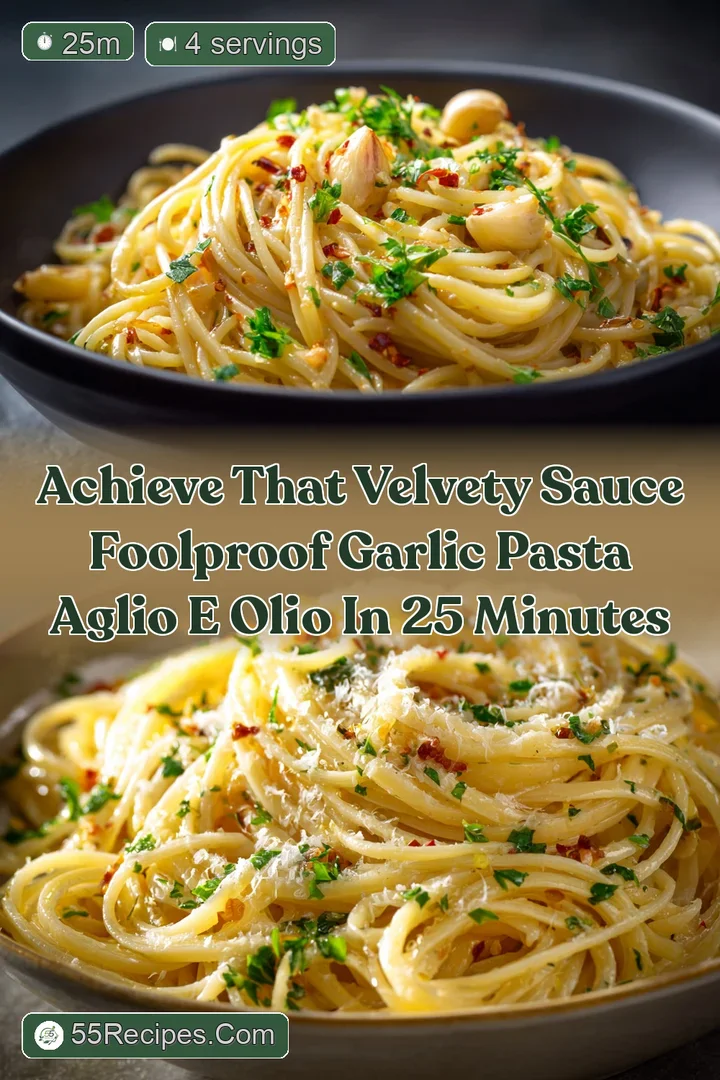
Recipe FAQs
Why did my sauce look oily and watery instead of velvety and creamy?
This common issue means you haven't quite mastered the emulsion yet don't worry, it happens to the best of us! The key is the reserved, starchy pasta water. You need to add this water to the skillet, then toss the pasta and oil vigorously over low heat.
All that elbow grease and movement forces the starch to bind the water and oil together, turning it into that lovely, glossy sauce that clings perfectly to your spaghetti.
How can I make sure my Garlic Pasta has loads of flavour without the garlic burning and tasting bitter?
Burning the garlic is an absolute tragedy and the quickest way to ruin this dish; bitterness is a real spoiler. The secret is the "cold start" technique detailed in the instructions. Always place the sliced garlic in the oil before you turn on the heat, and warm them together very slowly.
This allows the oil to fully infuse with the garlic flavour as it gently turns a light, uniform golden blond.
It’s delicious, but it feels a bit light. What protein can I throw in to make this a proper dinner?
Aglio e Olio is often a starter in Italy, but we understand the need for a heartier meal here in Blighty! Since the flavour profile is so delicate, the best additions are quick cooking white proteins like perfectly seared prawns or slivers of chicken breast.
Cook your chosen protein separately in a little olive oil, then toss it through the pasta right at the end to ensure it doesn't overcook or muddy the signature sauce.
Can I dial back the chilli? I’m a bit of a lightweight when it comes to spice!
Absolutely, you are in control of the heat! If you prefer a gentle warmth rather than needing a fire extinguisher, simply reduce the amount of chilli flakes you use in the oil infusion.
For maximum flavour with minimum heat, you could even infuse 2-3 whole dried chillies in the oil and remove them before tossing the pasta, giving you the pepper flavour without the sharp bite.
Does Aglio e Olio save well in the fridge for tomorrow’s lunch?
While this dish is best enjoyed immediately due to the freshness of the oil and garlic, leftovers are perfectly safe and edible for 2-3 days no need to waste good food! When reheating (ideally on the hob), toss the pasta with a splash of fresh olive oil and a tablespoon of water or broth.
This helps revive the noodles and re-create a hint of the sauce’s glossy texture that settles overnight.
Elegant Quick Garlic Pasta
Ingredients:
Instructions:
Nutrition Facts:
| Calories | 938 kcal |
|---|---|
| Protein | 13.6 g |
| Fat | 36.9 g |
| Carbs | 38.8 g |
| Fiber | 16.5 g |
| Sodium | 568 mg |
