Pan-Cooked Flounder with Lemon and Garlic
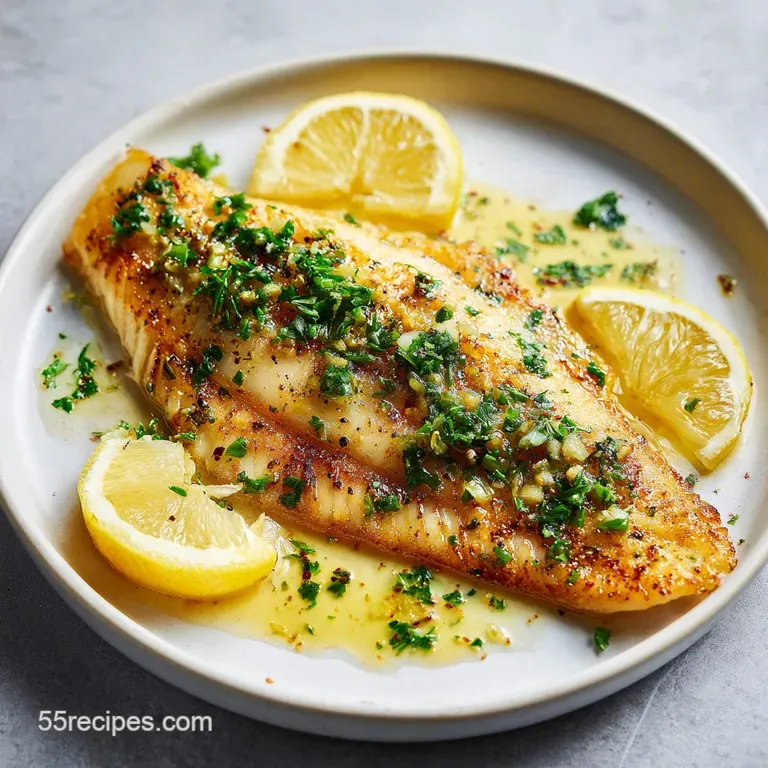
- Time: Active 10 minutes, Passive 6 minutes, Total 16 minutes
- Flavor/Texture Hook: Flaky, buttery fillets with a golden, crisp exterior and zingy garlic notes
- Perfect for: A fast weeknight dinner that feels like a weekend treat
- Essential Science Behind Successful Searing
- Planning Your Sizzle and Timing
- Component Analysis and Ingredient Swaps
- Tools for a Flawless Sear
- From Prep to Plate Steps
- Solving Common Pan Frying Issues
- Make This Recipe Your Own
- Smart Storage and Waste Prevention
- Final Presentation and Garnish Guide
- Recipe FAQs
- 📝 Recipe Card
Essential Science Behind Successful Searing
The Physics of the Flake: A light coating of flour creates a sacrificial starch barrier that undergoes the Maillard reaction, providing a golden crust while insulating the delicate fish proteins from direct heat. This prevents the muscle fibers from tightening too quickly and squeezing out moisture.
Butter Emulsification: By adding chilled butter at the very end (a technique called "monter au beurre"), the fat suspends in the lemon juice rather than just melting into a puddle. This creates a velvety, opaque sauce that clings to the fish instead of running off the plate.
| Fillet Thickness | Target Temp | Rest Time | Visual Cue |
|---|---|---|---|
| 1/2 inch | 145°F | 2 minutes | Flesh turns opaque and flakes easily |
| 3/4 inch | 145°F | 3 minutes | Center is no longer translucent |
| 1 inch | 145°F | 3 minutes | Edges start to pull away from the pan |
Getting the temperature right is the difference between fish that's silky and fish that's rubbery. Because flounder is so thin, it cooks in a flash, so always keep your eyes on the color of the edges as they turn from clear to white.
Planning Your Sizzle and Timing
Before we even turn on the stove, we need to talk about the potatoes. Since they take longer than the fish, par boiling them is our secret weapon for speed. If you're looking for more ways to master your seafood game, you might want to learn How to Cook Flounder recipe which uses similar heat management.
| Component | Science Role | Pro Secret |
|---|---|---|
| Avocado Oil | High Smoke Point | Prevents the pan from smoking before the fish is done |
| Cold Butter | Emulsification | Chilled fat creates a thicker, creamier sauce than room temp |
| Garlic | Aromatic Depth | Thinly slice, don't mince, to prevent bitter burning |
| Lemon Juice | Protein Denaturation | The acid cuts the fat and firms the delicate fish structure |
The potatoes act as a sponge for the lemon garlic butter. By slicing them into thin rounds, we maximize the surface area for browning. This creates a beautiful contrast between the soft fish and the slightly crisp potato edges.
Component Analysis and Ingredient Swaps
I always recommend fresh flounder if you can find it, but frozen works too if you thaw it completely in the fridge and pat it bone dry. If you can't find Yukon Golds, any waxy potato like Red Bliss will hold its shape perfectly in the pan.
- 1.5 lbs fresh flounder fillets: A mild, sweet fish. Why this? It's thin and cooks rapidly, making it ideal for a quick sear.
- Substitute: Dover Sole or Tilapia.
- 0.25 cup all purpose flour: Provides the crust.
- Substitute: Rice flour for a gluten-free, even crispier finish.
- 4 tbsp unsalted butter: The base of the sauce. Why this? Unsalted lets you control the seasoning precisely.
- Substitute: Ghee for a nuttier flavor and higher burn point.
- 4 cloves garlic: Sliced thin.
- Substitute: 1 tbsp garlic paste (add it later to avoid burning).
- 1 lb Yukon Gold potatoes: Par boiled and sliced.
- Substitute: Fingerling potatoes halved lengthwise.
- 1 large lemon: Zested and juiced.
- 2 tbsp avocado oil: For the initial over high heat sear.
- 1 tsp sea salt & 0.5 tsp white pepper: White pepper keeps the sauce looking clean.
Chef's Tip: Freeze your butter for 10 minutes before cubing it. When that icy fat hits the hot lemon juice at the end, it creates a much more stable, velvety emulsion that won't "break" into a greasy mess.
Tools for a Flawless Sear
You really want a large stainless steel or cast iron skillet here. Non stick is okay, but you won't get that mahogany crust we're after. A fish spatula (those long, thin, flexible ones) is also a lifesaver for flipping the fillets without them falling apart.
| Method | Time | Texture | Best For |
|---|---|---|---|
| Stovetop | 6 minutes | Crispy & Golden | Getting a restaurant style crust |
| Oven (400°F) | 12 minutes | Tender & Soft | Cooking large batches at once |
If you decide to go the oven route, you'll lose that "shatter" crunch from the pan, but the fish will be incredibly tender. For a similar pan seared vibe with a different flavor profile, you might enjoy this Dover Sole Recipe as well.
From Prep to Plate Steps
Preparing the Potatoes
Par boil the 1 lb of Yukon Gold potatoes in salted water until just tender. Slice them into 1/4 inch rounds. Note: This ensures they crisp up in the pan at the same speed as the fish.
Drying and Dusting the Fillets
Pat the 1.5 lbs of flounder fillets completely dry with paper towels. Mix the 0.25 cup flour, 1 tsp salt, and 0.5 tsp white pepper in a shallow dish and lightly dredge each fillet, shaking off every bit of excess. Note: Excess flour creates a gummy coating rather than a crisp one.
Achieving the Mahogany Crust
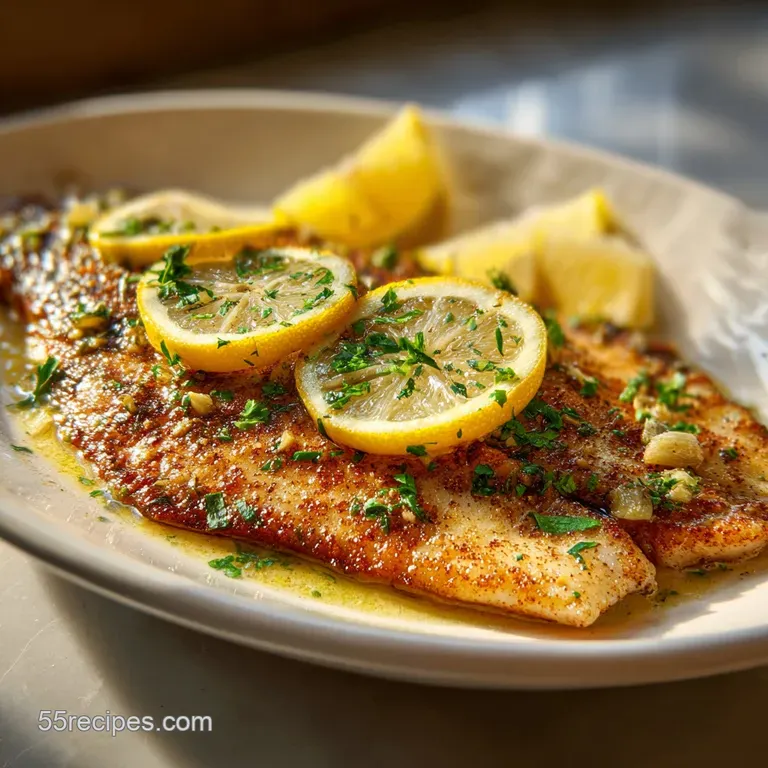
Heat the 2 tbsp avocado oil in a large skillet over medium high heat. Once the oil is shimmering, add the fillets. Cook 2-3 minutes until the edges are golden and opaque.
Executing the Perfect Flip
Carefully flip the fish using a flexible spatula. Add the par boiled potatoes to the empty spaces in the pan. Cook for another 2 minutes until the fish is flaky and potatoes are browned.
Mounting the Velvety Sauce
Reduce the heat to medium low. Move the fish to one side and add the 4 tbsp chilled butter cubes and 4 sliced garlic cloves to the center. Sizzle for 1 minute until the garlic is fragrant.
Finishing and Garnishing
Pour in the lemon juice and add the zest. Swirl the pan gently so the melting butter mixes with the juice to form a sauce. Simmer for 30 seconds until the sauce thickens slightly.
Serving the Dish
Remove from heat immediately. Sprinkle the 1 tbsp fresh parsley over the top and serve the fish and potatoes with a generous spoonful of the pan sauce.
Solving Common Pan Frying Issues
Why Your Fish Falls Apart
Flounder is incredibly delicate. If it’s sticking or breaking, you likely tried to flip it too early. The fish will naturally "release" from the pan once a proper crust has formed. Also, ensure your pan is hot enough before the fish hits the oil.
| Problem | Root Cause | Solution |
|---|---|---|
| Soggy Coating | Too much moisture on fish | Pat fillets bone dry before dredging in flour |
| Burnt Garlic | Heat was too high | Add garlic only after reducing heat for the butter sauce |
| Broken Sauce | Butter added too fast | Use chilled butter cubes and whisk or swirl constantly |
Common Mistakes Checklist
- ✓ Skipping the "pat dry" step (leads to steaming instead of searing).
- ✓ Overcrowding the pan (drops the temperature and prevents crisping).
- ✓ Moving the fish before the crust sets (causes tearing).
- ✓ Using room temperature butter for the sauce (makes it greasy).
- ✓ Not par boiling the potatoes (they will be raw in the middle).
Make This Recipe Your Own
If you want a more complex flavor, try creating a Pan Seared Flounder with Lemon Caper Sauce. Simply add 1 tablespoon of drained capers at the same time you add the garlic. The salty pop of the capers balances the rich butter perfectly.
For a Healthy Pan Seared Flounder, you can skip the flour dredge entirely. Just season the fish and sear it in a tiny bit of oil. It won't have the same crunch, but the flavor of the lemon and garlic will still shine through beautifully.
If you're feeling adventurous with spices, I sometimes add a teaspoon of smoked paprika to the flour. It gives the fish a gorgeous copper color and a hint of depth that works surprisingly well with the lemon. You could even serve this alongside a spicy kick like an Aji Amarillo Sauce recipe for a fusion twist.
- If you want a spicy kick, add a pinch of red pepper flakes to the butter.
- If you want it heartier, serve it over a bed of wilted spinach.
- If you want a nuttier flavor, let the butter brown for 30 seconds before adding the lemon juice.
Smart Storage and Waste Prevention
Storage: This dish is best eaten immediately, but leftovers will keep in an airtight container in the fridge for up to 2 days. To reheat, don't use the microwave; it will make the fish rubbery. Instead, place it in a cold pan with a splash of water, cover it, and warm it over low heat.
Freezing: I don't recommend freezing the cooked fish as the texture becomes quite mushy upon thawing. However, you can freeze raw flounder fillets for up to 3 months.
Zero Waste: Don't throw away those lemon peels! If you have leftover lemon halves after juicing, toss them into a jar of white vinegar for a week to make a natural, citrus scented kitchen cleaner.
If you happen to buy whole flounder, keep the bones and heads in the freezer to make a light, aromatic fish stock later.
Final Presentation and Garnish Guide
When serving, I love to lay the crispy potato rounds down first to create a little "raft" for the fish. This keeps the bottom of the fillet from sitting in too much sauce and getting soft. Spoon the garlic lemon butter over the top just before it hits the table so the aroma is fresh.
For a professional look, use a microplane to add a fresh dusting of lemon zest right at the end. The bright yellow against the green parsley and the golden fish looks stunning. A few lemon wedges on the side aren't just for show; that extra hit of fresh acid right before eating really wakes up the flavors.
Trust me, once you master the "dry, dust, and sear" method, you'll be making this every week. It's fast, it's easy, and it tastes like you really know what you're doing in the kitchen. Let me know how yours turns out!
Recipe FAQs
How do you cook flounder in a frying pan?
Pat the fillets completely dry, lightly dredge them in seasoned flour, and sear in hot oil. Cook for 2-3 minutes per side until golden brown and opaque throughout. If you enjoyed mastering the precise heat management required here, see how the same principle applies when learning The Chicken Piccata recipe.
Can you put lemon juice on fish before frying?
No, wait until the fish is nearly finished cooking. Adding lemon juice too early introduces too much acid, which can prematurely firm the proteins, resulting in dry or tough fish. Save the lemon juice for the final pan sauce to emulsify with the butter.
What seasoning to put on flounder?
A simple salt, white pepper, and garlic preparation is ideal. White pepper is preferred over black because it keeps the sauce visually clean while providing a subtle, earthy heat. Always dust the fish lightly with flour to build the crust.
Is flounder good for pan searing?
Yes, flounder is excellent for pan searing due to its thin structure. Its delicate nature allows it to develop a quick, beautiful crust while staying moist inside, provided you cook it quickly over medium high heat. Just be careful not to overcook it; it only needs a few minutes per side.
Why is my flour coating on the flounder soggy instead of crispy?
False. A soggy coating means the fish was wet or the pan was not hot enough. You must pat the fillets completely dry before dredging, and ensure your oil is shimmering not smoking before adding the fish. This technique ensures you achieve immediate browning rather than steaming the fillet.
What is the key step for making the lemon garlic sauce velvety instead of watery?
Use chilled butter cubes added off the heat in a technique called 'monter au beurre'. Whisking or swirling these cold butter pieces into the hot lemon reduction forces a stable emulsion, creating a thick, velvety sauce that coats the fish perfectly. If you enjoyed mastering the smooth emulsion here, you'll recognize this principle.
How long should I sear flounder fillets in the pan?
Sear for 2 to 3 minutes per side, depending on thickness. You are looking for an opaque color change starting from the edges inward, which indicates doneness for thin fillets. Always aim for an internal temperature of 145°F right before resting.
Flounder With Lemon And Garlic
Ingredients:
Instructions:
Nutrition Facts:
| Calories | 441 kcal |
|---|---|
| Protein | 35 g |
| Fat | 21 g |
| Carbs | 28 g |
| Fiber | 3 g |
| Sugar | 2 g |
| Sodium | 645 mg |
