Oven Recipe with Garlic and Herbs: Crispy & Velvety
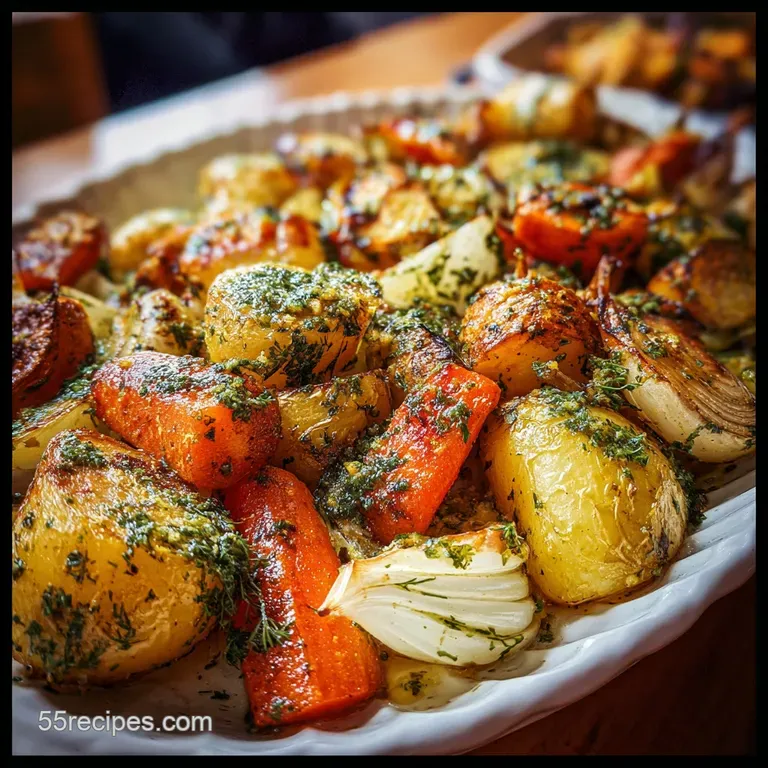
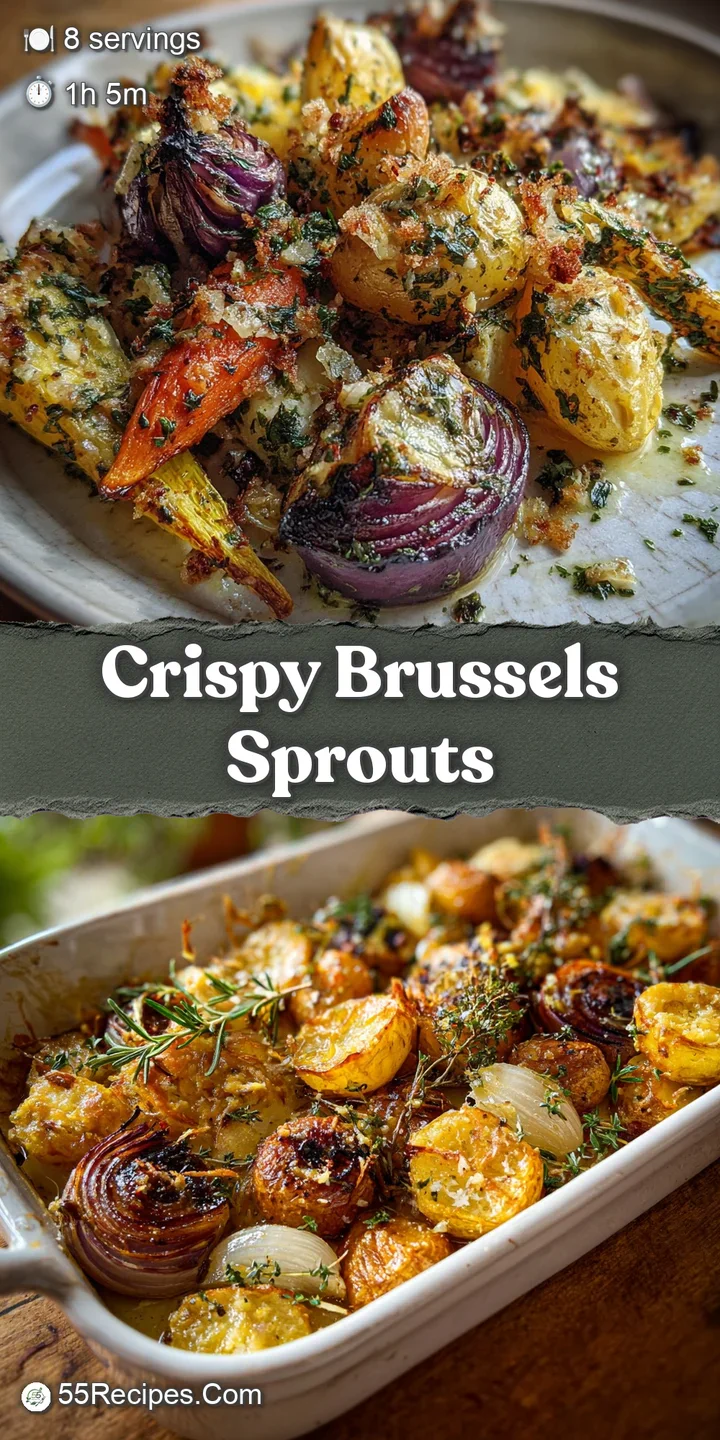
- Time: Active 15 minutes, Passive 50 minutes, Total 1 hour 5 mins
- Flavor/Texture Hook: Shatter crisp Brussels sprouts with velvety, spreadable garlic
- Perfect for: Stress free holiday sides or healthy meal prep
I still remember the first time I tried to roast a big tray of veggies with fresh garlic tossed in right at the start. It was a disaster. By the time my potatoes were even remotely tender, the garlic had turned into tiny, bitter black rocks that ruined the whole batch.
I stood over my trash can, scraping off charred bits, wondering why the recipes in magazines looked so much better than mine. It was a classic beginner mistake, but it taught me everything I needed to know about heat management and timing.
The secret I discovered isn't about fancy equipment or expensive salts. It's about protecting those delicate herbs and garlic cloves from the intense, direct heat of the oven until the very last moment. Now, when I pull this tray out, the aroma of sizzling rosemary and toasted thyme fills the entire house.
It’s that deep, savory scent that makes everyone wander into the kitchen asking, "When do we eat?" This isn't just a side dish for me anymore; it's the recipe that proved I could actually cook something impressive without breaking a sweat.
We are going to treat the vegetables and the aromatics as two different components that join forces halfway through. You get the over high heat browning on the potatoes and sprouts first, then you finish them in a bath of garlic infused oil.
It’s a total shift in how you think about sheet pan meals, and honestly, it’s much more forgiving on the wallet since we use simple pantry staples to create something that tastes like a restaurant luxury.
The Science of Roasting
- Thermal Conductivity: Using a dark metal baking sheet transfers heat faster than glass, which is the key to getting those crispy, browned edges on the Brussels sprouts.
- Confit Protection: Submerging the 15 large garlic cloves in 0.5 cup extra virgin olive oil creates a "confit" environment, which allows the garlic to soften and sweeten at 200°C without oxidizing or burning.
- Maillard Management: By waiting to add the herbs until the final 20 minutes, we preserve the volatile oils in the rosemary and thyme so they stay fragrant rather than turning acrid.
- Starch Gelatinization: Halving the 1.5 lbs fingerling potatoes increases the surface area, allowing the internal starches to hydrate and fluff up while the outside dehydrates into a golden crust.
| Method | Total Time | Texture | Best For |
|---|---|---|---|
| High Heat Roast | 45 minutes | Very crispy but dry | Root vegetables only |
| Two Phase Confit | 65 minutes | Silky interior, crisp exterior | This recipe's garlic focus |
| Slow Roasting | 90 minutes | Soft and jammy | Sweet onions and tomatoes |
If you are planning a bigger meal, this dish pairs beautifully with a protein heavy main. For example, the herbal notes here match the profile of my How to Make recipe perfectly, making the whole dinner feel cohesive and planned out.
Component Analysis for Flavor
| Ingredient | Science Role | Pro Secret |
|---|---|---|
| Fingerling Potatoes | Dense Starch | Leave the skins on to trap steam for a creamier center. |
| Brussels Sprouts | Sulfur compounds | The outer leaves shatter like chips when separated from the core. |
| Garlic Cloves | Flavor Base | Use whole, peeled cloves to ensure they don't dissolve into the oil. |
| Avocado Oil | High Smoke Point | Prevents the vegetables from smoking during the initial over high heat sear. |
I always tell my friends that if you can't find rainbow carrots, regular ones work just as well, but the rainbow variety adds a visual pop that makes it look like you spent way more than you did. Just make sure you slice them into 2 inch batons so they cook at the same rate as the halved sprouts.
Ingredients and Smart Substitutes
- 1.5 lbs fingerling potatoes: Halved lengthwise. Why this? They hold their shape and have a buttery texture.
- Substitute: Red bliss potatoes, quartered. (Note: These are slightly waxier but still delicious.)
- 1 lb rainbow carrots: Peeled and batoned. Why this? They add natural sweetness to balance the garlic.
- Substitute: Parsnips or sweet potatoes. (Note: These will be softer and sweeter.)
- 1 lb Brussels sprouts: Trimmed and halved. Why this? They provide the essential "shatter" crunch.
- Substitute: Cauliflower florets. (Note: These won't get as crispy but will absorb the garlic oil well.)
- 2 tbsp avocado oil: For the first roast.
- Substitute: Grapeseed oil or any neutral oil with a high smoke point.
- 1.5 tsp flaky sea salt: For texture.
- Substitute: 1 tsp Kosher salt.
- 1 tsp coarse black pepper: For a bite.
- 15 large garlic cloves: Peeled whole. Why this? They become sweet, spreadable "butter" cloves.
- 0.5 cup extra virgin olive oil: For the confit finish.
- Substitute: Light olive oil. (Note: You'll lose some of the peppery notes.)
- 4 sprigs fresh rosemary: Roughly chopped.
- 6 sprigs fresh thyme: Leaves stripped.
- Substitute: 2 tsp dried herbs. (Note: Add these earlier as they need moisture to bloom.)
- 1 tsp red pepper flakes: For subtle heat.
step-by-step Preparation
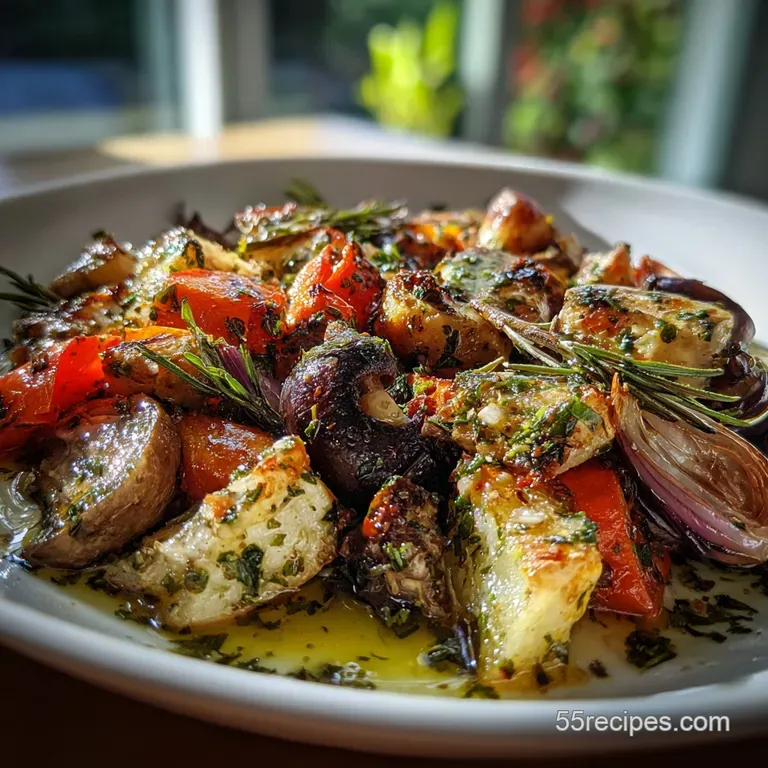
- Preheat the oven to 200°C. Note: A hot oven is non negotiable for getting that initial sear.
- Prep the 1.5 lbs fingerling potatoes, 1 lb rainbow carrots, and 1 lb Brussels sprouts by washing and cutting as directed.
- Toss the vegetables in a large bowl with the 2 tbsp avocado oil, 1.5 tsp flaky sea salt, and 1 tsp coarse black pepper.
- Spread the mixture onto a large, rimmed baking sheet in a single layer. Cook 25 minutes until the edges start to brown.
- Mix the 0.5 cup extra virgin olive oil with the 15 garlic cloves, chopped rosemary, thyme, and 1 tsp red pepper flakes in a small bowl.
- Pour the garlic and herb oil mixture over the partially roasted vegetables.
- Toss everything gently with a spatula to ensure the oil coats every piece.
- Bake for another 25 minutes until the garlic is golden brown and the potatoes are tender.
- Rest the tray on the counter for 5 minutes. Note: This allows the juices to settle and the vegetables to crisp up even more.
- Finish with an extra sprinkle of flaky salt if you like that salty sweet hit.
If you find yourself with extra garlic infused oil at the bottom of the pan, don't you dare throw it away. It’s absolute liquid gold. I love drizzling it over a simple Chicken Fettuccine Recipe the next day to give it a rich, roasted depth that you just can't get from fresh garlic alone.
Fixing Common Roasting Mistakes
Why Your Vegetables Sizzle
If your vegetables are steaming rather than roasting, it’s usually because of crowding. When you pack too many potatoes and sprouts onto one tray, the moisture they release has nowhere to go, so it just sits there and "boils" the food.
You want to see space between the pieces so the dry air of the oven can circulate and create that crispy skin.
Why Your Garlic Browns
While we want golden garlic, we don't want dark brown or black cloves. If your oven runs hot, the garlic might color too quickly. This usually happens if the cloves aren't fully coated in the olive oil. The oil acts as a heat buffer; it’s basically deep frying the garlic at a controlled temperature.
| Problem | Root Cause | Solution |
|---|---|---|
| Soggy Sprouts | Too much moisture on the leaves | Pat the sprouts dry with a paper towel before tossing in oil. |
| Bitter Herbs | Herbs added too early | Always wait until the second half of roasting to add fresh rosemary/thyme. |
| Hard Carrots | Batons are too thick | Cut carrots into thinner pieces (about 1cm thick) to ensure they soften. |
Common Mistakes Checklist
- ✓ Pat all vegetables completely dry before the first oil toss.
- ✓ Ensure the oven has reached 200°C for at least 10 minutes before the tray goes in.
- ✓ Use a large enough baking sheet; if they touch, they steam.
- ✓ Don't skip the resting period the "crunch" happens as they cool slightly.
Adjusting the Batch Size
If you're cooking for a smaller crowd and want to cut this in half, use a smaller pan like a 9x9 inch metal brownie tin or a quarter sheet pan. You should reduce the total cook time by about 10 minutes, checking the potatoes for tenderness at the 40 minute mark.
For the garlic cloves, keep them whole regardless of the batch size so they don't burn.
Scaling up for a big dinner party (doubling the recipe) is where it gets tricky. Do not try to fit 3 lbs of potatoes and 2 lbs of sprouts on one tray. You will need two separate baking sheets and should swap their positions in the oven halfway through to ensure even browning.
When doubling, keep the spices at 1.5x the original amount first, then taste and add more salt at the end it's easy to over salt a massive tray.
Popular Kitchen Myths Debunked
One big myth is that you need to boil potatoes before roasting them to get them soft. While that works for some styles, it's unnecessary for fingerlings. The high heat of the oven, combined with the oil toss, creates a "pressure cooker" effect inside the skin, steaming the starch into a velvety texture while the outside fries.
Another misconception is that dried herbs are just as good as fresh in this specific oven recipe with garlic and herbs. In a slow cooked stew, dried herbs are fine, but in a dry heat roast, fresh herbs contain much more moisture.
This moisture prevents them from turning into sawdust under the 200°C heat. If you must use dried, mix them into the oil first to rehydrate them slightly before they hit the tray.
Storage and Leftover Ideas
Fridge Storage: These vegetables will stay good in an airtight container for up to 4 days. They will lose their initial "shatter" crunch, but the flavor actually deepens as the garlic oil soaks into the potato centers.
To reheat, I highly recommend using a toaster oven or air fryer for 5 minutes rather than a microwave to bring back some of that texture.
Freezer Guidelines: I don't recommend freezing this dish. Potatoes and Brussels sprouts have high water content and tend to get mushy and "mealy" once thawed and reheated. It’s better to eat them fresh!
Zero Waste Tip: If you have leftover garlic cloves and oil but the veggies are gone, smash the garlic into a paste. Use it as a spread for toasted sourdough or stir it into a bowl of warm pasta.
You can also toss the woody rosemary stems into your next pot of vegetable stock for a subtle earthy note just don't eat the stems themselves!
Recipe FAQs
How do you roast garlic with herbs?
Add garlic halfway through, submerged in oil. Roast vegetables first at high heat for 25 minutes, then pour whole peeled garlic cloves mixed with herbs and olive oil over the partially cooked vegetables. This confit method sweetens the garlic without burning the delicate herbs.
How long should I roast garlic at 350?
Do not roast garlic at 350°F for the entire time. Roasting garlic above 375°F without protection causes rapid bitterness; use a higher temperature like 400°F for the main vegetables, but ensure garlic is added later and bathed in oil, or use the recipe's recommended 400°F start
temperature for 25 minutes before adding oil.
Can you cook herbs in the oven with vegetables?
Yes, but timing is crucial. Fresh herbs like rosemary and thyme should be added only during the final 20-25 minutes of roasting, as direct, prolonged high heat vaporizes their oils too quickly, resulting in a dusty, burnt flavor.
What herbs pair well with garlic in an oven recipe?
Rosemary, thyme, and a touch of dried oregano are ideal partners. These hardy herbs withstand the heat required for vegetable roasting while infusing the oil beautifully. If you enjoyed mastering the flavor infusion here, see how we use acid balance in our Zesty Lemon Pepper Sauce for a different profile.
Why are my roasted garlic cloves bitter?
Bitter garlic usually results from direct exposure to dry heat without enough fat. The garlic was likely tossed with the vegetables immediately and roasted uncovered, causing the sugars to scorch instead of caramelize gently in the oil.
Is it true I must use a dark metal pan for best crisping?
No, this is a common misconception about the pan material itself. While dark metal pans do transfer heat faster, the real key to crisping is using enough oil and ensuring the vegetables are in a single layer to maximize surface drying; otherwise, glass or light metal pans will just take slightly
longer.
What is the best way to use leftover garlic infused oil?
Smash the leftover cloves into the oil and use it as a finishing condiment or marinade base. This sweet, aromatic oil adds instant depth to plain starches or simple proteins. If you liked the process of building flavor through fat infusion here, apply the same technique to thicken sauces like in our How to Make recipe for creamy bases.
Garlic Herb Oven Recipe
Ingredients:
Instructions:
Nutrition Facts:
| Calories | 273 kcal |
|---|---|
| Protein | 4.2 g |
| Fat | 17.2 g |
| Carbs | 25.8 g |
| Fiber | 5.9 g |
| Sugar | 6.1 g |
| Sodium | 442 mg |
