Healthy Supper Recipe for Two with Lemon Chicken
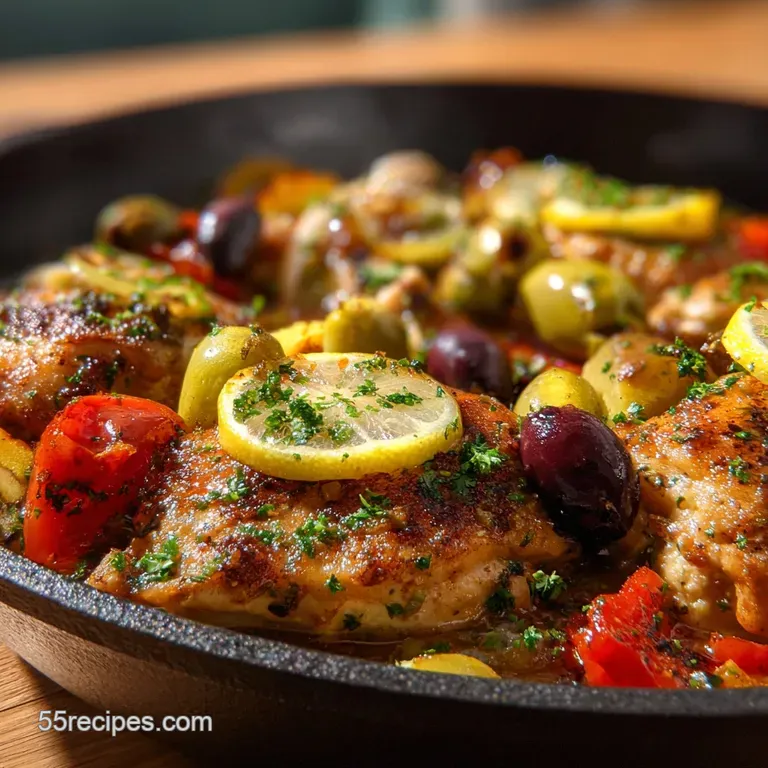
- Time: Active 10 minutes, Passive 15 minutes, Total 25 minutes
- Flavor/Texture Hook: Zesty lemon glaze with a golden, crackling crust
- Perfect for: Busy weeknights, post gym fuel, or a low stress date night
- The Scientific Principles That Make This Sauce So Velvety
- Every Ingredient You Need for This Nutrient Dense Dinner
- Essential Cooking Tools for a Stress Free Weeknight Meal
- Mastering the Technique with Our Detailed Cooking Guide
- Practical Troubleshooting Advice for Common Kitchen Hurdles
- Simple Ways to Customize Your Mediterranean Style Chicken
- Reliable Methods for Storing Leftovers and Minimizing Waste
- Ideal Side Dish Pairings for a Balanced Dinner Experience
- Recipe FAQs
- 📝 Recipe Card
Picture this: you walk into the kitchen after a long day, and within minutes, the air is filled with the sharp, clean scent of fresh lemon and the comforting sizzle of chicken hitting a hot pan. This healthy supper recipe for two features a bright and flavorful lemon chicken.
It is the kind of meal that feels like a fancy bistro dish but requires about as much effort as boiling a pot of pasta.
I used to think that "healthy" meant "bland," but I was so wrong. I spent years overcooking chicken breasts until they were like shoe leather because I was afraid of undercooking them. Then I discovered the magic of the "cutlet" method.
By simply slicing the breast in half, you double the surface area for flavor while cutting the cook time in half. It is a total lifesaver for those Tuesday nights when you are starving and tempted by takeout.
We are going to use a few simple tricks to make sure the meat stays juicy while the sauce gets that velvety texture we all crave. This recipe relies on high-quality bone broth and fresh herbs to do the heavy lifting. It is light, vibrant, and won't leave you feeling like you need a nap right after eating.
Let's get into how we make this happen.
The Scientific Principles That Make This Sauce So Velvety
Understanding the physics of the pan helps you avoid the common pitfall of dry, chalky meat. When we talk about a Maillard Reaction, we are describing the chemical dance between amino acids and reducing sugars that happens around 300°F.
This creates that golden brown crust that holds onto the sauce.
Another key factor is Protein Denaturation. As the chicken heats up, the coiled proteins uncoil and then rebond. If they get too hot for too long, they squeeze out all the moisture like a dry sponge.
By using a quick sear and then finishing the chicken in a simmering liquid, we keep those protein strands relaxed. This ensures every bite is tender and filled with the lemon garlic infusion.
- Surface Tension: Dredging the chicken in a tiny bit of flour or arrowroot creates a rough surface that allows the sauce to "cling" rather than sliding off.
- Emulsification: The honey and lemon juice act as stabilizers, helping the olive oil and bone broth combine into a smooth glaze instead of a greasy mess.
- Carryover Cooking: Chicken continues to cook for about 2 to 3 minutes after you remove it from the pan, so pulling it at the right moment is vital for texture.
- Acid Interaction: The citric acid in the lemon juice works to gently soften the outer layers of the chicken, allowing the garlic and thyme flavors to penetrate deeper.
| Component | Science Role | Pro Secret |
|---|---|---|
| Bone Broth | Provides gelatin for body | Use chilled broth to help the sauce emulsify more slowly and smoothly |
| Lemon Zest | Contains essential oils | Zest the lemon directly over the pan to catch every drop of volatile oil |
| Honey | Balances pH levels | The sugar helps the garlic brown slightly without becoming bitter or burnt |
Adding a little honey doesn't just provide sweetness, it actually helps the sauce reach a thicker consistency faster through light caramelization. If you enjoy experimenting with different textures in your meals, you might find similarities in how sauces are built in this Deliciously Sear Chicken recipe which uses a different base but follows similar heat principles.
Every Ingredient You Need for This Nutrient Dense Dinner
To get the best results, start with fresh ingredients. I always tell my friends that the lemon is the star here, so don't use that bottled stuff. You want the zest and the juice from a real, heavy for-its size lemon. The zest provides the aroma, while the juice provides the "zing."
- 2 (6oz / 170g) Chicken breasts: Halved lengthwise into cutlets. Why this? Cutlets cook faster and more evenly than whole thick breasts.
- 1 tbsp All purpose flour: Or arrowroot powder for gluten-free. Why this? This creates the "shatter" crunch on the outside of the meat.
- ½ tsp Sea salt: Fine grain works best.
- ½ tsp Cracked black pepper: Freshly ground for better punch.
- 1 tbsp Extra virgin olive oil: A high-quality oil improves the final mouthfeel.
- 2 cloves Garlic: Minced finely.
- ½ cup Chicken bone broth: Low sodium is best to control the salt.
- 1 large Lemon: You will need both the zest and the juice.
- 1 tsp Honey: Or maple syrup for a vegan friendly sweetener.
- 1 tbsp Fresh parsley: Chopped for a pop of color and earthiness.
- 1 tsp Fresh thyme leaves: Fresh is non negotiable for that woody aroma.
| Original Ingredient | Substitute | Why It Works |
|---|---|---|
| Chicken Breasts | Turkey Cutlets | Similar lean protein profile; may need 2 minutes less cooking time |
| Arrowroot Powder | Cornstarch | Provides the same thickening power and glossy finish for the pan sauce |
| Chicken Bone Broth | Vegetable Broth | Offers a lighter flavor base; lacks the gelatinous body of bone broth |
Using bone broth instead of regular stock adds a subtle richness that makes the meal feel more substantial. If you are looking for other ways to use lean proteins in a healthy way, you might want to see my How to Make recipe for stuffed peppers, which also focuses on quick, nutritious prep for small households.
Essential Cooking Tools for a Stress Free Weeknight Meal
You don't need a kitchen full of gadgets for this. However, a heavy bottomed skillet is your best friend here. Stainless steel or cast iron is preferred over non stick because they allow for better browning.
Non stick pans are great for eggs, but they often prevent that beautiful "fond" (the brown bits) from forming on the bottom of the pan, which is where all the sauce flavor lives.
A good microplane or fine zester is also essential. You want just the yellow part of the lemon skin, not the bitter white pith underneath. I once made the mistake of using a box grater and ended up with a sauce that tasted like soap. Trust me, the right tool makes a huge difference in the final flavor profile.
Chef's Tip: Freeze your butter for 10 minutes before grating it into a sauce if you want a restaurant style finish. While we aren't using butter in this healthy version, you can apply this trick to your lemon before zesting to get cleaner, more fragrant strips without the mush.
Mastering the Technique with Our Detailed Cooking Guide
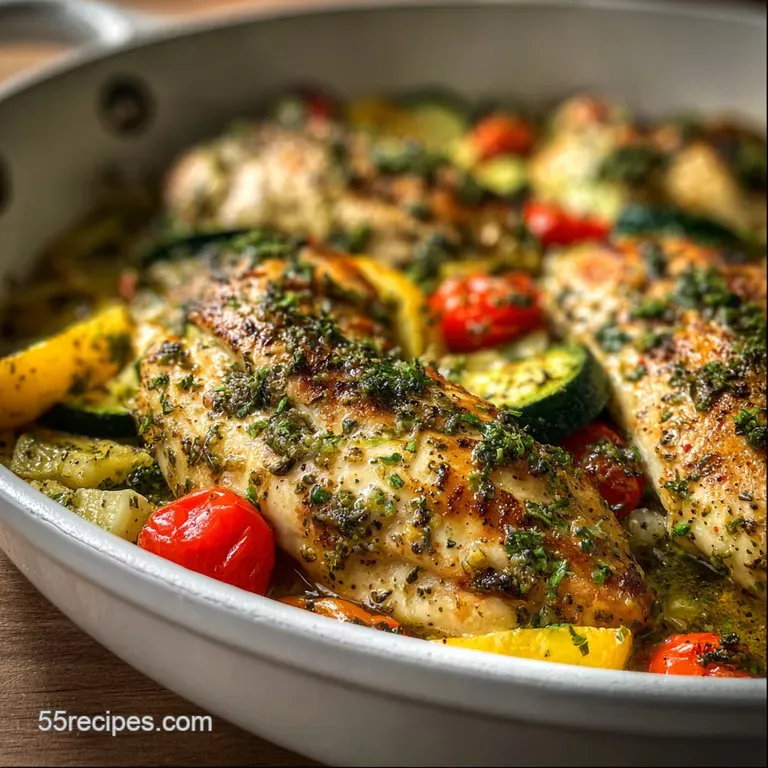
- Prep the chicken. Slice the 2 chicken breasts (6oz / 170g) in half lengthwise so you have four thin cutlets. Note: This ensures they cook through before the outside burns.
- Season the meat. Mix the 1 tbsp flour (8g), ½ tsp salt (3g), and ½ tsp pepper (1g) in a shallow bowl.
- Dredge the cutlets. Coat each piece of chicken in the flour mixture, shaking off any excess. Note: You want a very thin veil of flour, not a thick breading.
- Heat the pan. Add 1 tbsp olive oil (15ml) to your skillet over medium high heat until the oil shimmers and swirls easily.
- Sear the chicken. Place the cutlets in the pan and cook for about 3 to 4 minutes per side until golden and crackling.
- Remove and rest. Transfer the chicken to a plate. Note: This prevents it from getting tough while you build the sauce.
- Sauté the aromatics. Lower the heat to medium and add the 2 cloves minced garlic. Cook for 30 seconds until fragrant but not browned.
- Deglaze the skillet. Pour in the ½ cup bone broth (120ml), lemon juice, and 1 tsp honey (5g). Scrape the bottom of the pan to release the brown bits.
- Simmer and thicken. Let the liquid bubble for 2 to 3 minutes until the sauce reduces by half and looks velvety.
- Finish the dish. Stir in the lemon zest, 1 tbsp parsley (4g), and 1 tsp thyme (2g). Return the chicken to the pan for 1 minute to coat.
| Feature | Stovetop Method | Oven Method |
|---|---|---|
| Texture | Crisp, seared exterior | Soft, poached tenderness |
| Speed | 15 minutes total | 25 minutes total |
| Flavor | Deep, caramelized notes | Clean, bright citrus notes |
The stovetop method is much faster for a "supper for two" scenario. It gives you that immediate sensory feedback the sound of the sizzle and the sight of the sauce thickening right before your eyes.
Practical Troubleshooting Advice for Common Kitchen Hurdles
Even the best cooks have days where things don't go as planned. One of the most common issues with lemon chicken is the sauce becoming too thin. This usually happens if the heat isn't high enough during the reduction phase or if you added too much broth.
Why My Sauce Is Watery
If your sauce looks more like a soup than a glaze, don't panic. You can fix this by turning the heat up to a boil for another sixty seconds. The water will evaporate, leaving behind the concentrated flavors and the thickening agents from the flour dredge.
If it still won't thicken, whisk a tiny bit of arrowroot with cold water and stir it in.
Why My Garlic Tastes Bitter
Garlic is incredibly delicate. If it turns dark brown or black, it will ruin the entire dish with a burnt, acrid taste. The trick is to only add it once the pan has cooled down slightly after searing the meat. If you do burn it, it's honestly better to wipe the pan out and start the sauce over than to try and save it.
| Problem | Root Cause | Solution |
|---|---|---|
| Rubbery Chicken | Internal temp exceeded 165°F | Remove chicken from pan earlier; it finishes cooking while resting |
| Bland Sauce | Not enough salt or acid | Add an extra squeeze of lemon or a pinch of salt at the very end |
| Flour Clumping | Added flour directly to liquid | Always dredge the meat or mix flour with fat before adding liquid |
Another quick fix: if the lemon is too tart, add an extra half teaspoon of honey. The sugar counteracts the acid without making the dish "sweet." It is all about finding that perfect equilibrium on your tongue.
Simple Ways to Customize Your Mediterranean Style Chicken
While this recipe is designed to be a healthy supper recipe for two with lemon chicken, you can easily tweak it based on what you have in your pantry. I love making this with different herbs depending on the season. In the summer, fresh basil is a fantastic substitute for parsley.
- Spicy Kick
- Add a pinch of red pepper flakes when you sauté the garlic.
- Creamy Finish
- Stir in 1 tablespoon of Greek yogurt at the very end (off the heat) for a tangier, richer sauce.
- Extra Veggies
- Throw in a handful of baby spinach or halved cherry tomatoes during the last 2 minutes of simmering.
The beauty of this dish is its flexibility. It fits into a low carb lifestyle perfectly if you serve it with roasted zucchini or a big green salad. If you aren't worried about carbs, it is heavenly over a bed of quinoa or light angel hair pasta.
Reliable Methods for Storing Leftovers and Minimizing Waste
This dish keeps surprisingly well, though the chicken will never be quite as "crackling" as it is fresh out of the pan. Store any leftovers in an airtight glass container in the fridge for up to 3 days. When reheating, do it gently on the stovetop with a splash of water or broth to loosen the sauce back up.
Microwaving often turns chicken rubbery, so avoid it if you can.
You can freeze this for up to 2 months. I recommend freezing the chicken and sauce together in a freezer safe bag. To eat, let it thaw in the fridge overnight before reheating.
For a zero waste approach, don't throw away those squeezed lemon halves! You can toss them into a jar of white vinegar to create a natural, citrus scented kitchen cleaner. Also, if you have extra parsley stems, don't bin them chop them finely and add them to the pan with the garlic; they have tons of flavor that most people ignore.
Ideal Side Dish Pairings for a Balanced Dinner Experience
To keep this meal light and healthy, I usually pair it with something that can soak up that extra lemon sauce. Roasted asparagus or steamed broccolini are my top choices. The bitterness of the greens balances the bright acidity of the lemon perfectly.
If you want something a bit more filling, a side of garlic rubbed cauliflower rice works wonders. It stays within the "healthy supper" theme while providing a satisfying texture.
- Roasted Root Vegetables: Carrots or parsnips add a natural sweetness.
- Arugula Salad: A simple toss with olive oil and parmesan.
- Smashed Potatoes: If you have a few extra calories to spare, these are great for mopping up the garlic broth.
Whatever you choose, make sure it is something simple. The lemon chicken is the star, and you want the sides to be the supporting cast. Cooking for two should be fun and relaxing, not a multi hour ordeal.
With this recipe, you get a high-quality meal that tastes like you spent all afternoon in the kitchen, but you will be back on the couch relaxing in under thirty minutes. Right then, let's crack on and get cooking!
Recipe FAQs
What pairs well with lemon chicken?
Light, fresh vegetables and simple grains. This lemon chicken shines with roasted asparagus, steamed broccolini, or a simple arugula salad dressed with olive oil and lemon. For a heartier option, consider serving it with quinoa or cauliflower rice to soak up the flavorful sauce.
Is lemon chicken healthy to eat?
Yes, typically. When prepared with lean chicken, healthy fats like olive oil, and fresh ingredients, lemon chicken can be a very healthy meal. The key is avoiding heavy creams or excessive amounts of butter in the sauce, much like in our approach for Deliciously Sear Chicken.
What is the healthiest chicken meal I can eat to lose weight?
Grilled or baked lean chicken breast with abundant vegetables. Focus on simple preparations that avoid added sugars and unhealthy fats. Meals featuring a significant portion of non-starchy vegetables alongside the chicken are ideal for weight loss, as they provide volume and nutrients with fewer calories.
What is the healthiest thing to eat with chicken?
Non-starchy vegetables and whole grains. Think steamed or roasted broccoli, spinach, bell peppers, or Brussels sprouts. For grains, opt for quinoa, brown rice, or farro. These choices provide fiber and essential nutrients without excessive calories or refined carbohydrates.
Can I make this lemon chicken recipe spicier?
Yes, add a pinch of red pepper flakes. Incorporate them into the pan when you sauté the garlic. This quick addition will infuse the sauce with a pleasant heat that complements the bright lemon flavor without overwhelming it.
How do I keep the chicken from drying out?
Slice it into thin cutlets and don't overcook it. Cutting chicken breasts in half lengthwise ensures they cook through quickly and evenly. Removing them from the pan just before they reach their final desired doneness allows for carryover cooking without becoming rubbery.
My sauce is too thin, how can I thicken it?
Simmer it longer or use a slurry. Turn the heat up to a gentle boil for an extra minute or two to allow the liquid to reduce. If it's still too thin, whisk together a teaspoon of arrowroot powder with a tablespoon of cold water and stir it into the simmering sauce until thickened.
Lemon Chicken Supper For Two

Ingredients:
Instructions:
Nutrition Facts:
| Calories | 377 kcal |
|---|---|
| Protein | 53.7 g |
| Fat | 13.1 g |
| Carbs | 7.2 g |
| Fiber | 0.6 g |
| Sugar | 2.8 g |
| Sodium | 650 mg |
