Pan Seared T-Bone Steak: Butter Basted Finish
- Time: Active 10 minutes, Passive 12 minutes, Total 22 minutes
- Flavor/Texture Hook: Shatter crisp exterior with a buttery, garlic infused center
- Perfect for: Anniversary dinners or an indulgent weekend treat
- Mastering the Pan Seared T Bone Steak
- The Physics of the Crust
- Essential Timing and Ratios
- Component Analysis of the Cut
- Tools for a Heavy Sear
- The Method to the Magic
- Fixing Your Steak Problems
- Variations for Every Palette
- Myths About Steak
- Storage and Leftover Ideas
- Serving Your Steak Beautifully
- Critical in Sodium
- Recipe FAQs
- 📝 Recipe Card
Mastering the Pan Seared T Bone Steak
Close your eyes and listen. That rhythmic, violent hiss of cold beef meeting a white hot cast iron surface is the soundtrack to my favorite Friday nights. I remember the first time I tackled this cut; I was so worried about that T shaped bone acting like a shield, preventing the meat from actually touching the pan.
But as the kitchen filled with the heady, nutty aroma of rendering fat and toasted pepper, I realized this wasn't just cooking it was chemistry you could smell.
There is something deeply nostalgic about a heavy steak hitting the table. It reminds me of those old school steakhouses where the lighting is dim and the butter is plentiful. That’s the vibe we are going for here: a hearty, homestyle classic that feels like a celebration.
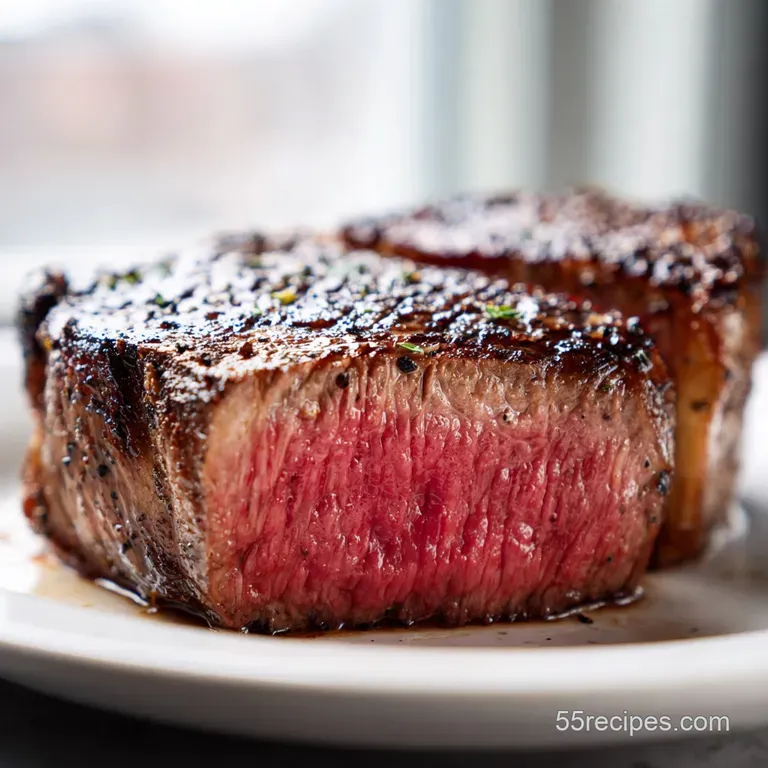
We’re looking for that gorgeous contrast between the dark, mahogany seared edges and the tender, blushing pink inside that just melts when it hits your tongue.
Getting this right isn't about fancy gadgets; it’s about patience and high heat. I’ve made the mistake of rushing the sear before, and let me tell you, gray meat is a heartbreak you want to avoid.
We’re going to treat this 1.5 lb T Bone Steak with the respect it deserves, from the initial salt rub to that final, glorious bath in foaming garlic butter. Trust me, once you hear that first sizzle, you’ll know you’re in for something special.
The Physics of the Crust
- The Maillard Reaction
- High heat triggers a chemical dance between amino acids and reducing sugars, creating hundreds of flavor compounds and that characteristic brown crust.
- Bone In Conductivity
- The T shaped bone acts as a thermal conductor, carrying heat into the center of the meat while simultaneously protecting the delicate tenderloin side from overcooking.
- Surface Moisture Evaporation
- Patting the meat dry is vital because water absorbs energy to turn into steam, which prevents the surface from exceeding 212°F and stalling the browning process.
- Fat Soluble Aromatics
- Basting with butter allows the essential oils in the garlic and thyme to penetrate the meat’s surface more effectively than dry seasoning alone.
| Thickness | Internal Temp | Rest Time | Visual Cue |
|---|---|---|---|
| 1 inch | 130°F (Med Rare) | 5 minutes | Deep brown with red center |
| 1.5 inches | 130°F (Med Rare) | 8 minutes | Mahogany crust, pink center |
| 2 inches | 130°F (Med Rare) | 10 minutes | Charred exterior, warm red core |
If you’re craving that deep, buttery finish, this T Bone Steak Recipe is a classic companion to our method here, offering a slightly different take on the stove to butter transition.
Essential Timing and Ratios
The beauty of a pan seared t bone steak lies in its simplicity, but the specs have to be spot on to avoid a smoky kitchen or a raw center. We are working with a 1.5 lb T Bone Steak that is roughly 1.5 inches thick.
This thickness is the "sweet spot" because it allows enough time for a heavy crust to form before the internal temperature rockets past your target.
| Component | Science Role | Pro Secret |
|---|---|---|
| Kosher Salt | Protein Denaturation | Apply 45 mins early to "dry brine" the meat |
| Avocado Oil | High Smoke Point | Don't use olive oil; it burns at these temps |
| Unsalted Butter | Maillard Booster | Add only at the end to prevent bitter scorching |
| Fresh Thyme | Aromatic Infusion | Slap the herbs against your hand to release oils |
A quick note on the fat: we use 2 tbsp Avocado oil for the initial over high heat sear because it can handle the heat without turning into a cloud of acrid smoke. Later, the 3 tbsp Unsalted Butter provides the rich, velvety mouthfeel we crave.
Component Analysis of the Cut
- 1.5 lb T Bone Steak: This cut gives you the best of both worlds the beefy New York Strip and the buttery Filet Mignon. Why this? The bone adds flavor and helps the meat retain its shape during over high heat cooking.
- 2 tsp Kosher Salt: We use coarse grains to create a textured surface. Why this? It draws out moisture then reabsorbs it, seasoning the meat deeply.
- 1 tsp Coarse Black Pepper: For that classic steakhouse bite. Why this? Large cracked pieces won't burn as easily as fine powder.
- 2 tbsp Avocado oil: Our over high heat vehicle. Why this? It has a 500°F smoke point, keeping your kitchen clear.
- 3 tbsp Unsalted Butter: For the "arosé" finish. Why this? Allows you to control the salt level while adding richness.
- 3 cloves Garlic: Smashed to release juices. Why this? Smashed cloves perfume the butter without burning like minced garlic.
- 4 sprigs Fresh Thyme: The herbal backbone. Why this? Thyme pairs naturally with the earthy notes of seared beef.
| Original Ingredient | Substitute | Why It Works |
|---|---|---|
| Avocado Oil | Grapeseed Oil | Similar high smoke point and neutral flavor profile |
| Fresh Thyme | Fresh Rosemary | Stronger, woodier aroma; use sparingly as it’s potent |
| Kosher Salt | Sea Salt | Use 1.5 tsp instead; smaller grains pack more salt per tsp |
For those days when you have a thinner cut on hand, my Skirt Steak recipe handles the timing perfectly and uses a similar over high heat philosophy.
Tools for a Heavy Sear
You don't need a kitchen full of gadgets, but a cast iron skillet is non negotiable for a seared t bone steak. Cast iron has massive thermal mass, meaning when that cold 1.5 lb T Bone Steak hits the metal, the temperature doesn't plummet.
You want that pan to stay screaming hot to ensure the meat sears rather than steams.
You'll also need a set of long handled tongs don't even think about using a fork, as piercing the meat lets those precious juices escape. A large metal spoon is essential for the basting phase, and of course, a reliable digital meat thermometer. Guesswork is the enemy of a hearty steak dinner.
The Method to the Magic
1. Tempering and Dry Brine
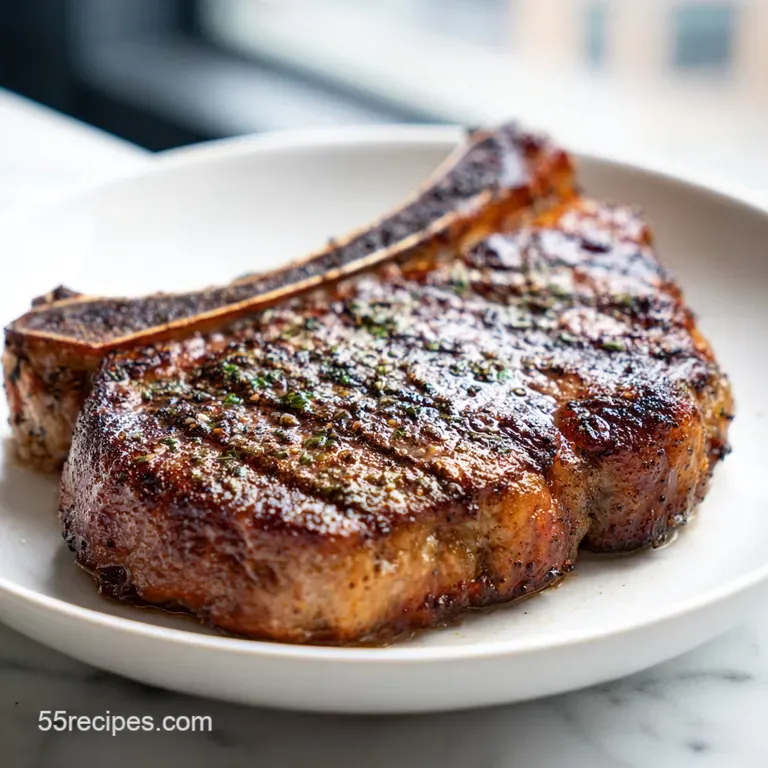
Pat the 1.5 lb T Bone Steak completely dry with paper towels. Rub 2 tsp Kosher Salt and 1 tsp Coarse Black Pepper on all sides, including the edges. Note: Let it sit at room temperature for 45 minutes to ensure even cooking.
2. over High heat Foundation
Place your cast iron skillet over high heat until it starts to wispy smoke. Pour in 2 tbsp Avocado oil and swirl to coat the bottom. Wait 30 seconds until the oil shimmers and dances.
3. The Initial Sear
Lay the t bone steak into the pan, laying it away from you to avoid oil splatters. Press down lightly with tongs to ensure total contact. Cook for 4 minutes until a dark, mahogany crust forms.
4. The Flip
Flip the steak carefully. You should see a beautiful, even coloration across the entire surface. Sear the second side for 3 minutes.
5. Aromatics Introduction
Reduce the heat to medium high. Toss in 3 tbsp Unsalted Butter, 3 cloves smashed Garlic, and 4 sprigs Fresh Thyme. Note: The butter will foam and sizzle immediately.
6. Role of "Arosé"
Tilt the pan slightly so the butter pools at the bottom with the garlic and herbs. Use a large spoon to continuously pour that hot, flavored fat over the steak. Baste for 3 minutes until the aroma is intoxicating.
7. Temperature Check
Insert your thermometer into the thickest part of the strip side, away from the bone. Pull the steak at 130°F for medium rare.
8. The Critical Rest
Transfer the steak to a warm plate or cutting board. Pour the remaining pan juices over the top. Rest for 10 minutes to allow juices to redistribute.
Chef's Tip: If the tenderloin side is cooking too fast, slide the steak so the smaller filet side hangs slightly off the direct heat source while the larger strip side stays centered.
Fixing Your Steak Problems
Why is steak gray?
If your steak looks boiled rather than fried, your pan wasn't hot enough or you didn't dry the meat sufficiently. Moisture on the surface acts as a coolant. Always wait for the oil to shimmer before the beef hits the pan.
Meat raw near bone
The bone acts as an insulator, so the meat directly touching it often lags behind. If the rest of the steak is done, use your tongs to stand the steak upright on the bone edge for 60 seconds to push heat directly into that area.
Butter smoke and black
Butter has milk solids that burn at high temperatures. If your butter turns black and smells bitter, your heat was too high when you added it. Always drop the heat to medium before the butter hits the pan to keep it nutty and brown, not burnt.
| Problem | Root Cause | Solution |
|---|---|---|
| Bitter crust | Burnt pepper or garlic | Use coarse pepper; add garlic only in final 3 mins |
| Tough texture | Skipping the rest | Rest for 10 mins; cutting early lets all juices run out |
| Uneven browning | Poor pan contact | Press down firmly during the first 60 seconds of searing |
Common Mistakes Checklist
- ✓ Never sear a steak straight from the fridge (it will stay cold in the middle).
- ✓ Don't use a non stick pan; it can't handle the heat needed for a true sear.
- ✓ Avoid moving the steak around constantly; let the crust build undisturbed.
- ✓ Always use a thermometer rather than the "finger poke" test.
- ✓ Don't forget to sear the fat cap on the edge of the strip side.
Variations for Every Palette
When you want to scale this recipe, remember that crowd control is about pan space. If you're doubling the recipe for 4 people, don't try to crowd two 1.5 lb T Bone Steaks into one skillet. You’ll lose that over high heat sear and end up steaming the meat.
Work in two separate pans or cook them in batches, keeping the first steak warm in a 200°F oven while the second one sears.
dairy-free options
If you’re avoiding butter, you can still get a hearty finish by using a high-quality vegan butter substitute or simply finishing with a drizzle of extra virgin olive oil and the aromatics after the steak comes off the heat.
The flavor won't be quite as "steakhouse classic," but the garlic and thyme will still shine.
Adding a spicy kick
For those who like a bit of heat, add a pinch of red pepper flakes to the butter during the basting phase. The fat will carry the capsaicin into every nook and cranny of the seared crust, providing a slow, mouthwatering warmth.
| Method | Time | Texture | Best For |
|---|---|---|---|
| Stovetop Only | 12 minutes | Maximum crust | 1.5" thick steaks |
| Reverse Sear | 45 minutes | Edge to edge pink | Extra thick 2" steaks |
| Sous Vide | 2 hours | Perfection guaranteed | Precise temperature nerds |
Myths About Steak
Searing "seals in" the juices. This is one of the oldest myths in the book. Searing actually creates a flavorful crust through the Maillard reaction, but it doesn't create a waterproof barrier. Moisture is lost throughout the cooking process; the rest period is what actually helps retain it.
You should only flip a steak once. Actually, flipping every minute can lead to a more even internal cook and a faster overall cook time. However, for a classic pan seared t bone steak, the "arosé" method with a single flip often yields a better developed crust.
The bone doesn't add flavor. While the marrow inside doesn't magically travel through the bone into the meat, the bone does slow down the cooking process in its immediate vicinity, leading to a juicier, more tender bite right next to the T.
Storage and Leftover Ideas
Storage: Keep leftovers in an airtight container in the fridge for up to 3 days. I don't recommend freezing cooked steak as the texture becomes grainy upon thawing.
Reheating: To keep it from turning into shoe leather, reheat the steak in a 250°F oven until it reaches 110°F internally, then give it a 30 second flash sear in a hot pan.
Zero Waste: Never toss that T bone! Save the bones in a freezer bag. Once you have three or four, simmer them with onion skins, carrot ends, and celery scraps for a rich, beefy bone broth that makes the best base for a hearty French onion soup.
Serving Your Steak Beautifully
When it's time to plate, presentation is everything. I love to serve the t bone steak whole on a large wooden board for that rustic, communal feel. Slice the meat away from the bone first one side for the strip, one for the filet then slice those pieces into half inch thick strips.
Reassemble them against the bone so it looks like the steak is still whole.
Drizzle every last drop of that garlic thyme butter from the pan over the sliced meat. It will fill the cracks and create a glossy, mouthwatering sheen. Pair it with something classic, like a pile of crispy salt and vinegar potatoes or a simple wedge salad.
The contrast of the rich, hot beef against a cold, crisp salad is the ultimate steakhouse move. Enjoy every bite!
Critical in Sodium
1940 mg mg of sodium per serving (84% % of daily value)
The American Heart Association recommends limiting sodium intake to about 2,300mg per day.
Tips to Reduce Sodium in Your T-Bone Steak Recipe
-
Reduce Salt by Half-25%
Kosher salt contributes a significant amount of sodium. Reduce the amount of kosher salt from 2 tsp to 1 tsp to noticeably lower the sodium content.
-
Omit Salt Entirely-30%
Consider omitting the added salt completely and rely on pepper, garlic, and thyme to flavor the steak. The natural flavors of the steak will shine through.
-
Use Unsalted Butter Mindfully-5%
While unsalted butter doesn't directly add sodium, using it mindfully is crucial. Excessive use of any fat can impact the overall health profile of the meal.
-
Enhance with Herbs & Spices
Experiment with different herbs and spices like smoked paprika, garlic powder (check label for sodium), or onion powder to enhance the flavor of your steak without adding sodium.
Recipe FAQs
What is the best way to pan fry a T-bone steak?
Use a cast iron skillet with high smoke point oil followed by butter basting. A heavy skillet maintains the high heat necessary for a deep sear, while the final butter bath infuses flavor. For a similar technique focusing on crust development, check out our instructions on How to Broil recipe.
What is the 3-3-3 rule for steaks?
No, the 3-3-3 rule is not standard for pan-searing T-bones. This arbitrary rule often suggests 3 minutes per side, but for a 1.5 inch steak, this results in rare meat. We rely on temperature checks and distinct searing times for accurate doneness.
Which cooking method is best for T-bone steak?
Pan-searing offers the best combination of crust development and speed for T-bones up to 1.75 inches thick. The direct contact creates a superior Maillard reaction compared to ambient heat methods. If you prefer an herbal, punchy flavor, try pairing the steak with fresh Chimichurri Recipe.
How long do I sear a T-bone steak on the first side?
Sear the first side for 4 minutes before the initial flip. This longer time ensures a deep, mahogany crust forms on the larger strip side before you introduce the butter and begin basting.
How long should I rest a T-bone steak after searing?
Rest the steak for a minimum of 10 minutes after cooking. Tent it loosely with foil to keep it warm; this crucial step allows the contracted muscle fibers to relax and reabsorb the internal moisture.
Should I use a fine ground pepper for the crust?
No, always use coarse or cracked black pepper. Fine ground pepper contains more surface area and burns quickly at searing temperatures, leading to a bitter flavor instead of aromatic crust development.
Is it necessary to let the steak come to room temperature first?
Yes, tempering the steak for 45 minutes is highly recommended for even cooking. A cold steak hitting the hot pan drastically drops the surface temperature, leading to a gray band of undercooked meat just beneath the crust.
Pan Seared T Bone Steak Guide
Ingredients:
Instructions:
Nutrition Facts:
| Calories | 848 kcal |
|---|---|
| Protein | 66.8 g |
| Fat | 62.4 g |
| Carbs | 1.2 g |
| Fiber | 0.4 g |
| Sugar | 0.1 g |
| Sodium | 1940 mg |
