Poached Shrimp: Tender and Snappy
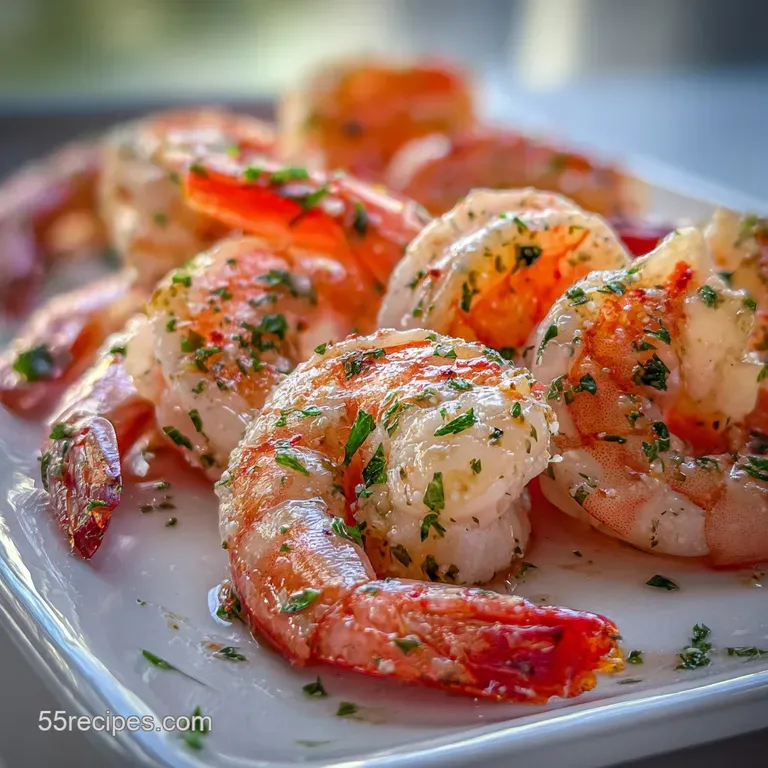
- Time: Active 10 mins, Passive 5 mins, Total 15 mins
- Flavor/Texture Hook: Bright, citrusy, and snappy
- Perfect for: Elegant appetizers, meal prep, or quick weeknight salads
- The Thermal Dynamics of Crustaceans
- The Chemistry of the Bath
- Standard Ingredients and Easy Substitutes
- Simple Step-by-Step Instructions
- Troubleshooting Texture and Flavor Issues
- Scaling for Parties and Crowds
- Common Poaching Misconceptions
- Storage and Reducing Kitchen Waste
- Decision Shortcuts
- Recipe FAQs
- 📝 Recipe Card
The Thermal Dynamics of Crustaceans
Protein Denaturation: When shrimp hit hot water, their proteins begin to uncoil and rebond; keeping the temperature below boiling prevents them from tightening into a rubbery knot.
Aromatic Infusion: Because shrimp are porous, they act like little sponges, soaking up the lemon, garlic, and wine from the poaching liquid while they cook.
Thermal Shock Stop: Moving the shrimp immediately to an ice bath halts the carryover cooking, locking in that specific "snap" we crave.
For a Snap Perfect Texture
The window between underdone and overcooked is tiny. To hit that sweet spot, we use a "passive poach" technique. By bringing the liquid to a simmer and then adding the cold shrimp, the temperature drops just enough to cook them gently without scorching the delicate proteins.
For Deep Flavor Infusion
Water alone is boring. We use a combination of dry white wine and fresh aromatics to create a court bouillon. This acidic, fragrant base seasons the shrimp from the inside out, ensuring they taste great even without a dipping sauce.
| Method | Cook Time | Texture | Best For |
|---|---|---|---|
| Gentle Poach | 3-5 mins | Snappy & Tender | Shrimp Cocktail / Salads |
| Boiling | 2-3 mins | Tough & Rubbery | Avoid this! |
| Butter Poach | 6-8 mins | Velvety & Rich | Decadent Main Dishes |
You can easily adapt this method for different meals. If you're planning a hearty dinner later in the week, this technique works beautifully before tossing the seafood into a How to Make recipe for a coastal vibe.
The Chemistry of the Bath
| Ingredient | Science Role | Pro Secret |
|---|---|---|
| Dry White Wine | Acid Catalyst | Brightens flavor and firms the protein structure. |
| Kosher Salt | Osmotic Seasoning | Draws moisture in while seasoning the core of the meat. |
| Lemon Rounds | pH Balancer | Prevents the "fishy" scent by neutralizing amines. |
| Bay Leaves | Earthy Depth | Adds a subtle herbal backbone that lingers. |
Standard Ingredients and Easy Substitutes
- 1 lb extra large shrimp (16/20 count): Peeled and deveined. Why this? Larger shrimp are more forgiving and hold their shape better.
- 1 quart water: The base for our poaching liquid.
- 1 cup dry white wine: Pinot Grigio or Sauvignon Blanc work best. Why this? Adds essential acidity and a sophisticated floral note.
- 1 large lemon: Sliced into rounds to release oils and juice.
- 2 dry bay leaves: Provides a savory, aromatic foundation.
- 1 tbsp whole black peppercorns: Offers a gentle, earthy heat.
- 2 tbsp kosher salt: Essential for seasoning the poaching liquid deeply.
- 3 cloves garlic: Smashed to release their flavor quickly.
- 1 bunch fresh parsley stems: Adds a clean, grassy finish to the broth.
| Original Ingredient | Substitute | Why It Works |
|---|---|---|
| Dry White Wine | Rice Vinegar (2 tbsp) | Provides the necessary acidity without the alcohol content. |
| Parsley Stems | Celery Stalks | Offers a similar aromatic, savory depth to the poaching liquid. |
| Lemon Rounds | Lime or Orange | Changes the citrus profile while maintaining the pH balance. |
If you happen to have leftover shells, don't toss them! They are gold for making a quick stock for something like a Shrimp Corn Soup recipe later.
Simple step-by-step Instructions
1. Build the Aromatic Foundation
Combine the water, white wine, lemon rounds, bay leaves, peppercorns, kosher salt, smashed garlic, and parsley stems in a large pot. Note: This creates the flavorful court bouillon.
2. Infuse the Liquid
Bring the mixture to a rolling boil over high heat, then reduce to a simmer for 5 minutes. Cook until the liquid turns a pale straw color and smells fragrant.
3. Prep the Ice Bath
While the liquid simmers, fill a large bowl with half ice and half cold water. Note: This is critical for stopping the cooking process instantly.
4. The Precision Poach
Add the 1 lb of extra large shrimp to the simmering liquid and immediately turn off the heat. Note: The residual heat is enough to cook them gently.
5. Monitor the Change
Let the shrimp sit in the liquid for 3 to 5 minutes until they turn opaque and form a 'C' shape.
6. The Thermal Shock
Use a slotted spoon to transfer the shrimp directly from the hot liquid into the prepared ice bath. Wait until the shrimp are completely cold to the touch.
7. Drain and Dry
Remove the shrimp from the ice water and pat them thoroughly dry with paper towels. Note: Removing excess water prevents them from becoming soggy.
8. Final Chill
Transfer the dried shrimp to a clean bowl and refrigerate for at least 30 minutes before serving. Chill until the surface feels firm and snappy.
Troubleshooting Texture and Flavor Issues
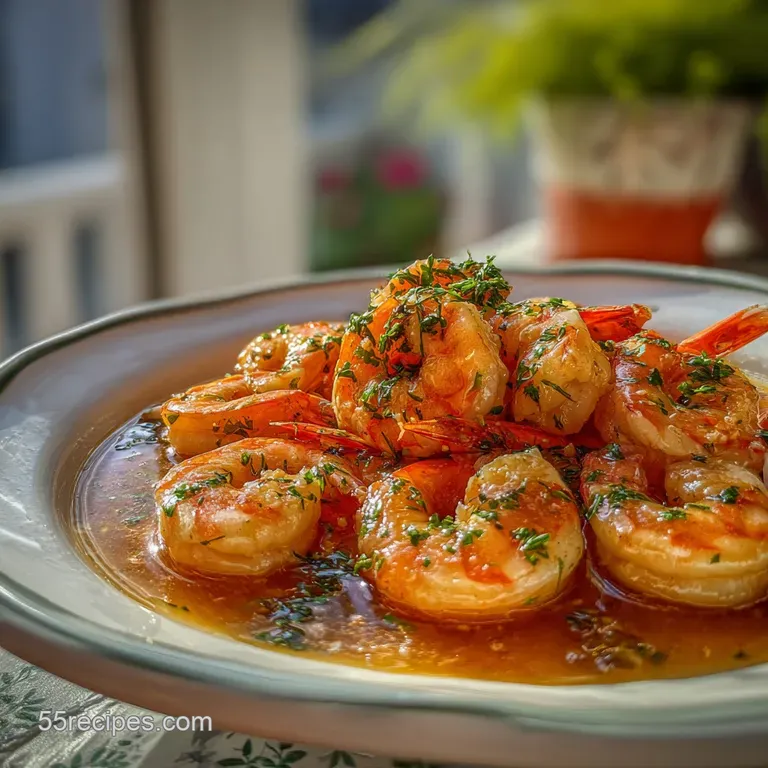
One of the biggest hurdles with any poached shrimp recipe is the texture. If you've ever ended up with "mushy" shrimp, it’s usually because the water wasn't acidic enough or the shrimp sat in the ice bath for too long, absorbing excess water.
On the flip side, rubbery shrimp are the result of leaving them in the hot liquid for even sixty seconds too long.
Why Your Shrimp Is Rubber
This happens when the proteins have tightened too much. Once the shrimp form a tight "O" shape, they are overcooked. Always aim for a relaxed "C" shape. If you notice them curling tightly, get them into that ice bath immediately!
To Fix Internal Blandness
If your shrimp taste like nothing, you likely didn't salt the poaching liquid enough. The liquid should taste almost as salty as the ocean. If they're already cooked and bland, toss them in a little extra lemon juice and a pinch of fine sea salt before serving.
| Problem | Root Cause | Solution |
|---|---|---|
| Rubbery/Tough | Overcooked in hot liquid | Pull from heat as soon as they turn pink/opaque. |
| Watery/Soggy | Sat in ice bath too long | Remove from ice as soon as they are cold; pat dry. |
| Dull Flavor | Weak poaching broth | Simmer aromatics for a full 5 mins before adding shrimp. |
Common Mistakes Checklist
- ✓ Never boil the shrimp; always use a gentle simmer or residual heat.
- ✓ Don't skip the ice bath - carryover cooking will ruin the texture in minutes.
- ✓ Avoid using pre cooked shrimp for this method; they will double cook and get tough.
- ✓ Pat the shrimp completely dry after the ice bath to ensure sauces actually stick.
- ✓ Leave the tails on for presentation if serving as a cocktail, but peel for salads.
Scaling for Parties and Crowds
When you're making a massive batch for a party, the math changes slightly. You can't just throw 5 lbs of shrimp into a small pot, or the water temperature will drop too much and they’ll end up steaming rather than poaching.
Scaling Down (1/2 batch): Use the same amount of aromatics to keep the flavor punchy. You can use a smaller saucepan, but keep the liquid to shrimp ratio high so the temperature stays stable.
Scaling Up (2x-4x batch): Don't double the salt or spices linearly. Use 1.5x the salt and aromatics for a double batch. Most importantly, work in batches. Poach 1-2 lbs at a time, bringing the liquid back to a simmer between each round. This ensures every single shrimp gets the same gentle treatment.
| Choice | Flavor Impact | Cost Impact | Prep Tip |
|---|---|---|---|
| Fresh Wild Caught | Intense, sweet brine | Premium price | Check for "fresh" vs "previously frozen". |
| Frozen Easy Peel | Clean, consistent | Budget friendly | Thaw completely in the fridge overnight. |
| Pre Cooked | Muted, often salty | Cheapest | Do not poach; just thaw and serve. |
Chef's Tip: If you want a butter poached shrimp vibe without the heavy fat, add 1 tablespoon of cold butter to the poaching liquid right before adding the shrimp. It adds a velvety sheen to the shells!
Common Poaching Misconceptions
One big myth is that you need a specialized "poaching pan." Honestly, any wide pot that can hold a quart of water will do the job. You don't need fancy equipment to get a high end result. Another common one is that poaching is only for "bland" diets. That couldn't be further from the truth!
Because we're using wine, garlic, and peppercorns, these shrimp come out bursting with flavor.
There's also a belief that you should always poach from frozen. While you can make poached shrimp from frozen, the texture is much better if you thaw them first. Thawing allows the aromatics to penetrate the meat more evenly.
If you’re in a rush, run cold water over them for 5 minutes rather than tossing them into the pot like ice cubes.
Storage and Reducing Kitchen Waste
Storage: Store your poached shrimp in an airtight container in the fridge for up to 3 days. I don't recommend freezing them after they've been poached, as the ice crystals will break down the delicate cell walls, making them mushy upon thawing.
- The Broth
- Strain the poaching liquid and freeze it in ice cube trays. These "flavor bombs" are perfect for dropping into a risotto or a pan sauce later.
- The Lemons
- Even after poaching, those lemon rounds can be chopped up and added to a compost bin or used to scrub a wooden cutting board to freshen it up.
- Shrimp Scraps
- If you peeled the shrimp yourself, save the shells in a freezer bag. They make the most incredible base for a seafood bisque or a quick shrimp oil.
Decision Shortcuts
- If you want a poached shrimp salad, dice the cold shrimp and toss with mayo, dill, and celery.
- If you want a poached shrimp cocktail recipe style, keep the tails on and serve with a spicy horseradish sauce.
- If you want a Mediterranean twist, add a pinch of dried oregano and a splash of Ouzo to the poaching liquid.
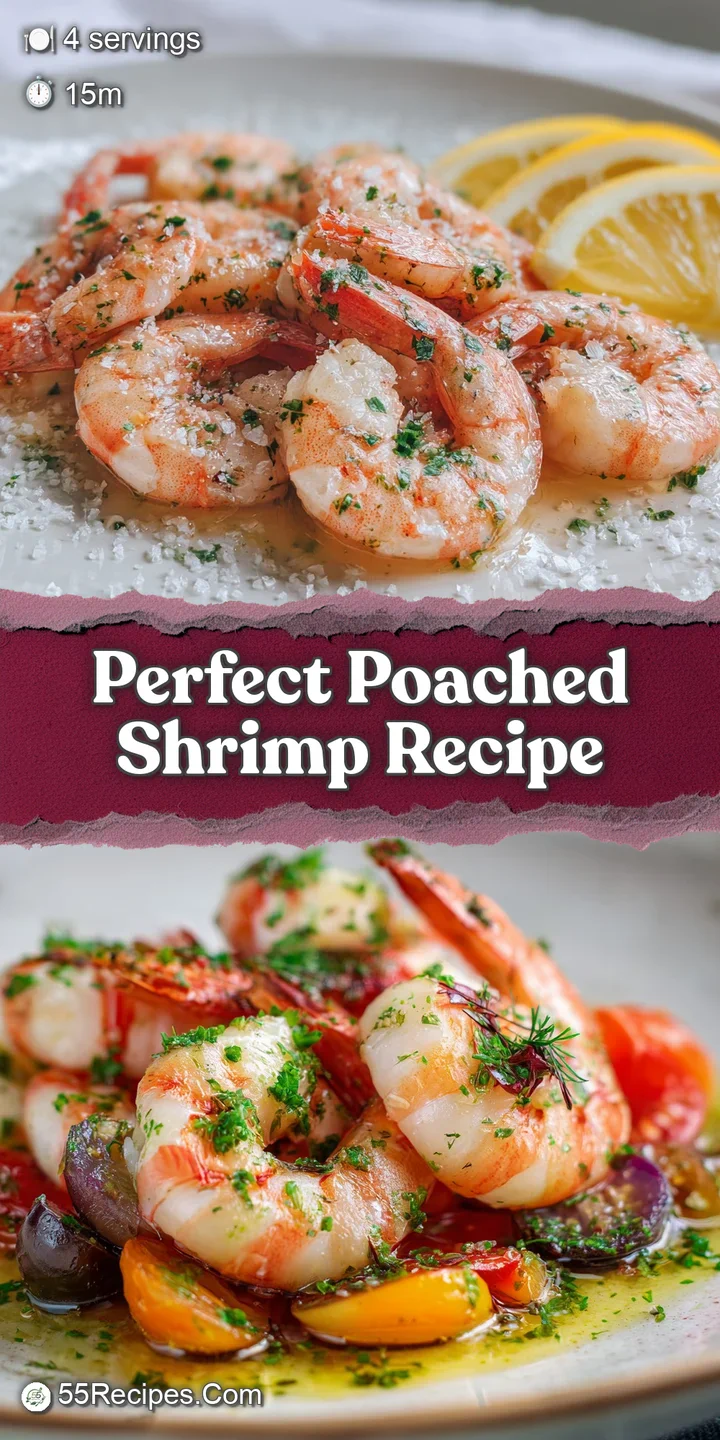
Recipe FAQs
What does poached mean in cooking?
It means gently cooking food submerged in a liquid held just below the boiling point. The liquid temperature should hover between 160°F and 180°F (71°C and 82°C) to ensure the proteins set without seizing up.
What does Poached Shrimp mean?
It means shrimp cooked slowly in an aromatic bath, usually water, wine, and herbs. This delicate method yields a very tender, snappy texture ideal for shrimp cocktails or light salads.
What is poached seafood?
It refers to any protein cooked using the gentle poaching method described above. Poaching keeps delicate seafood like scallops or fish fillets exceptionally moist, unlike searing which builds a crust. If you enjoyed mastering this temperature control, apply the same precision to our Ultimate Sautéed Shrimp with recipe for different results.
What is the best way to poach shrimp?
Use a combination of water, white wine, and fresh aromatics like lemon and peppercorns. Bring the liquid to a simmer, turn off the heat, add the shrimp, and let them finish cooking in the residual warmth for 3-5 minutes.
Do I need to use boiling water to poach shrimp?
No, boiling water guarantees tough, rubbery shrimp. High heat forces the muscle fibers to contract too rapidly; you want a liquid temperature below the full boil to achieve that signature tender snap.
Is it true that I must stop the cooking process immediately after poaching?
Yes, an immediate ice bath is mandatory for the best texture. Transferring the shrimp straight from the hot poaching liquid to ice water shocks the proteins, halting carryover cooking and setting that perfect, firm 'C' shape.
Can I use the poaching liquid to make a sauce later?
Yes, the strained poaching liquid becomes an excellent, highly flavorful court bouillon. You can reduce it down for an intense broth or chill and use it as the liquid base for other dishes. For a completely different way to showcase shrimp flavor, try making a rich sauce for our Shrimp Diavolo My recipe.
Perfect Poached Shrimp
Ingredients:
Instructions:
Nutrition Facts:
| Calories | 115 kcal |
|---|---|
| Protein | 23 g |
| Fat | 1.2 g |
| Carbs | 1.5 g |
| Fiber | 0.2 g |
| Sugar | 0.4 g |
| Sodium | 480 mg |
