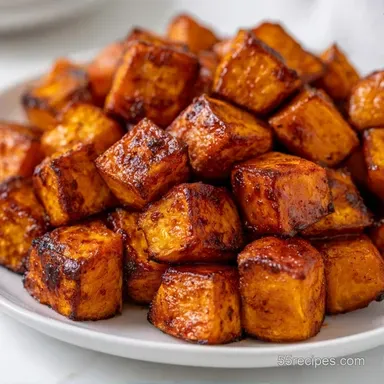
Crispy Roasted Sweet Potatoes
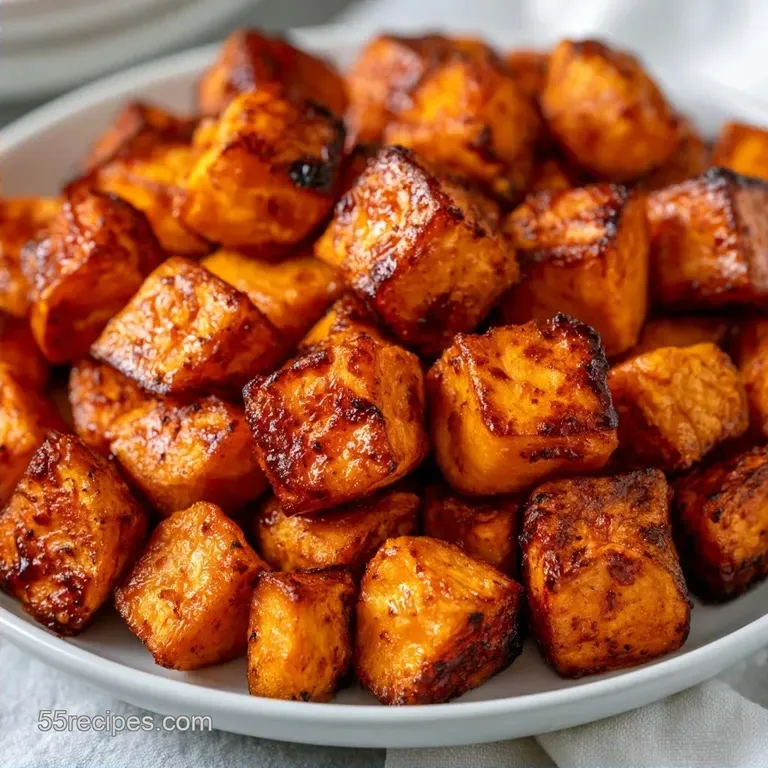
- Time: 10 min active + 25 min roasting
- Flavor/Texture Hook: Caramelized edges and a velvety center
- Perfect for: Healthy meal prep or a vibrant side dish
Hear that crackle as the pan comes out of the oven? There is nothing quite like the smell of caramelizing sugar and salt hitting high heat. But let's be honest, most of us have dealt with the "mushy potato" tragedy.
You put them in the oven, wait twenty minutes, and pull out something that feels more like mashed potatoes than roasted cubes.
The problem is usually crowding. When you pile potatoes on top of each other, they release steam that gets trapped, essentially boiling the vegetables in their own juices. To get a real crust, you need a specific flow of hot air around every single side of the cube.
This method fixes that by focusing on surface area and temperature. We are aiming for a deep mahogany color and a texture that holds its shape. These Roasted Sweet Potatoes will be a reliable addition to your weekly rotation because they actually stay firm and charred.
What Makes Them Crispy
- The Airflow Principle: Leaving space between cubes prevents them from steaming. Hot air must circulate 360 degrees to brown the edges.
- Uniformity for Timing: Cutting everything to exactly 1/2 inch ensures the small bits don't burn while the big ones stay raw.
- Oil Distribution: A thorough toss ensures the oil conducts heat evenly across the entire surface.
The difference between a quick air fryer batch and a classic oven roast comes down to the type of heat.
| Method | Time | Texture | Best For |
|---|---|---|---|
| Oven Roast | 25 min | Caramelized & Steady | Large batches |
| Air Fryer | 15 min | Extra Crunchy | Quick snacks |
Recipe Specs
If you are wondering how to tweak the outcome, use this quick guide.
| Goal | What to change |
|---|---|
| Extra Char | Increase oven to 425°F |
| Softer Center | Cut cubes into 1 inch chunks |
| Faster Cook | Cut cubes into 1/4 inch dice |
Shopping List Breakdown
Getting the right base is half the battle. While I love standard orange varieties, Japanese sweet potatoes offer a denser, nuttier vibe.
| Ingredient | Role | If You Don't Have It |
|---|---|---|
| Sweet Potatoes | Base | Butternut squash or yams |
| Olive Oil | Heat Conductor | Avocado oil or melted coconut oil |
| Kosher Salt | Flavor Enhancer | Sea salt or flaky salt |
| Black Pepper | Subtle Bite | White pepper or a pinch of paprika |
Right then, here is the actual list.
- 2 lbs sweet potatoes, peeled and cubed Why this? Provides the classic sweetness and structure
- 2 tbsp olive oil Why this? High smoke point and neutral flavor
- 1 tsp kosher salt Why this? Coarser grains distribute more evenly
- 1/2 tsp black pepper Why this? Cuts through the natural sugar
Equipment Needed
You don't need fancy gear, but a few basics make the process smoother. A large mixing bowl is essential for the tossing phase so you don't crush the potatoes. I highly recommend a rimmed sheet pan and parchment paper. The paper stops the sugars from sticking to the metal and makes cleanup a breeze.
If you have a silicone spatula, use it for flipping to avoid breaking the cubes.
Key Steps
Phase 1: The Precision Prep
Set your oven to 400°F (200°C). Peel the sweet potatoes and dice them into 1/2 inch (1.3cm) cubes. Keeping the sizes uniform ensures they all roast at the same rate.
Phase 2: The Toss & Coat
Transfer the cubes to a large bowl. Drizzle with olive oil, salt, and pepper, tossing well until every surface is evenly coated. Note: This oil is what creates the crust.
Phase 3: The High Heat Roast
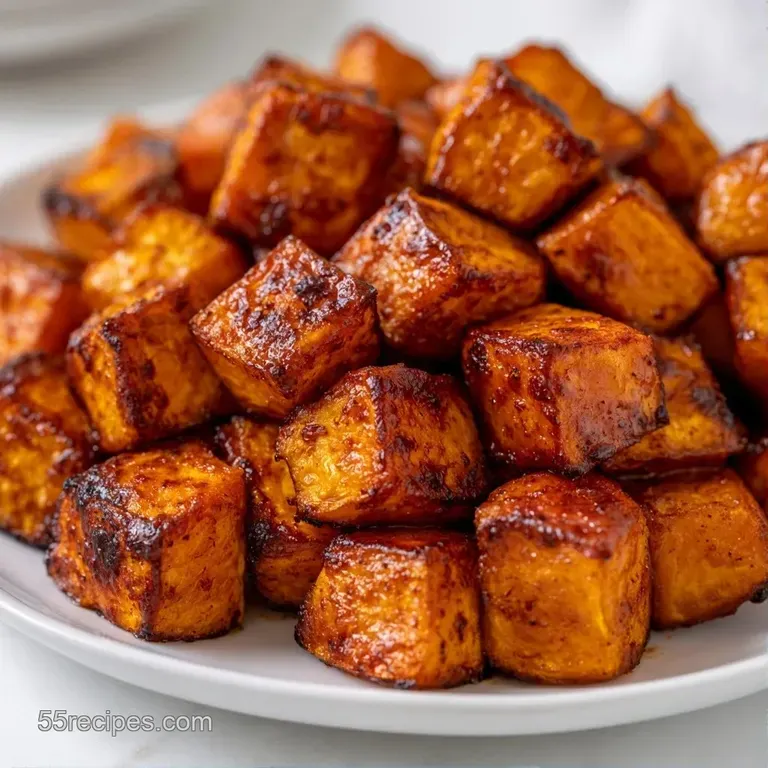
Arrange the potatoes in a single layer on a parchment lined sheet pan. Roast for 25 minutes, flipping them halfway through with a spatula. Cook until they reach a deep mahogany color and are tender when pierced with a fork.
Chef's Note: To achieve an even crispier texture, pat the cubed potatoes dry with a paper towel before adding the oil. Eliminating surface moisture allows the oil to begin browning the potatoes immediately.
Fixing Common Issues
Mushy Texture
This happens when the pan is overcrowded. If the cubes are touching, they steam instead of roast. Use two pans if you are doubling the recipe to keep the layer thin.
Burnt Edges
Sweet potatoes have a lot of natural sugar, which can burn if the oven is too hot or if they are cut too small. Keep the temperature at 400°F and stick to the 1/2 inch size.
Uneven Cooking
This is usually a result of inconsistent chopping. If you have some tiny pieces and some huge chunks, the small ones will shrivel up while the big ones stay hard. Spend the extra two minutes on your knife work.
Presentation Tips
These look best when served in a wide, shallow bowl to keep them from stacking and losing their crunch. I like to sprinkle a bit of fresh parsley or chopped chives on top for a pop of color.
If you want a more gourmet feel, a drizzle of tahini or a squeeze of lime juice right before serving adds a bright contrast to the earthy sweetness.
Storage & Reheating
Store these in an airtight container and keep them chilled for 4 days max. Avoid piling them too high so the bottom layer doesn't get squashed.
For freezer storage, let them cool entirely and flash freeze in a single layer on a tray before transferring them to a bag. They will remain good for 2 months.
Skip the microwave for reheating. Use the oven or an air fryer at 350°F for 5-8 minutes to restore the crisp edges that a microwave would make soggy.
Instead of tossing the peels from your vegetable peeler, save them. Coat them in oil and salt, then roast them with the potatoes for a salty, crunchy treat.
Twists and Swaps
If you want to change the flavor profile, try these shifts. For a sweeter version, add 1 tbsp of brown sugar to the oil mix. For a spicy kick, swap the black pepper for smoked paprika or chipotle powder.
If you are looking for other ways to prep your root vegetables, my boiling sweet potatoes guide is great for when you need a mash or a puree instead of a roast.
For those on a strict diet, you can replace the olive oil with a light spray of avocado oil to reduce calories while keeping the over high heat stability.
If you enjoy this kind of roasted treat, you might also like these honey roasted peanuts for a similar sweet and salty craving.
Busting Potato Myths
Some people think you need to parboil potatoes to get them crispy. This isn't true for sweet potatoes. Adding water before roasting actually makes it harder to get a sear. Just use high heat and a single layer.
Diet Swaps
If you need a nut free or vegan alternative, this recipe is already set. However, replacing the salt with a salt free seasoning blend can help those watching their sodium intake without losing the flavor.
Recipe FAQs
Should I roast sweet potatoes at 400 or 425?
400°F is the ideal temperature. This heat allows the interior to soften while the exterior caramelizes without burning.
Is it true that soaking sweet potatoes is required for crispiness?
Not true. Tossing the cubes thoroughly in oil and using a parchment lined pan creates a perfect crunch without the extra step.
How do I achieve a deep mahogany color?
Toss the cubes vigorously in oil. This ensures every surface has a glistening sheen, which is key for intense caramelization.
Why are my sweet potatoes mushy?
Avoid overcrowding the pan. Spreading them in a single layer prevents steaming and allows the edges to crisp up.
Can I substitute these with other root vegetables?
Yes, rutabagas are an excellent alternative. If you want to explore more root vegetable preparations, see how we handle timing in our rutabaga guide.
Roasted Sweet Potatoes